Codex Persistent Mode: Public Code and Availability
What Codex Persistent Mode's public prompt establishes about follow-ups, sleep, permissions, and memory—and why code alone does not prove availability.
What Codex Persistent Mode's public prompt establishes about follow-ups, sleep, permissions, and memory—and why code alone does not prove availability.
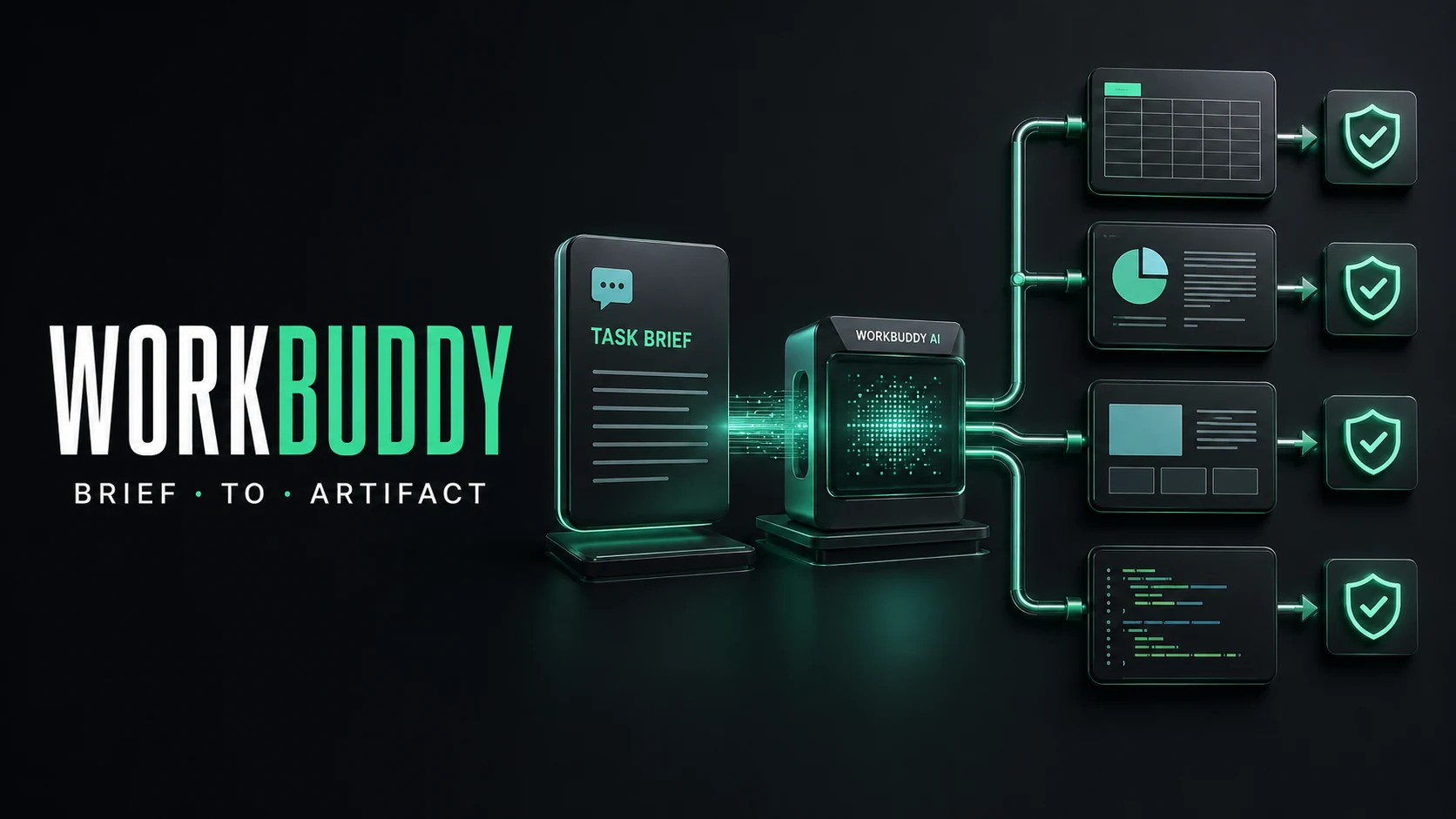
WorkBuddy is a desktop AI workstation for turning natural-language tasks into files, reports, analysis, and code. Here is where it fits—and where it does not.
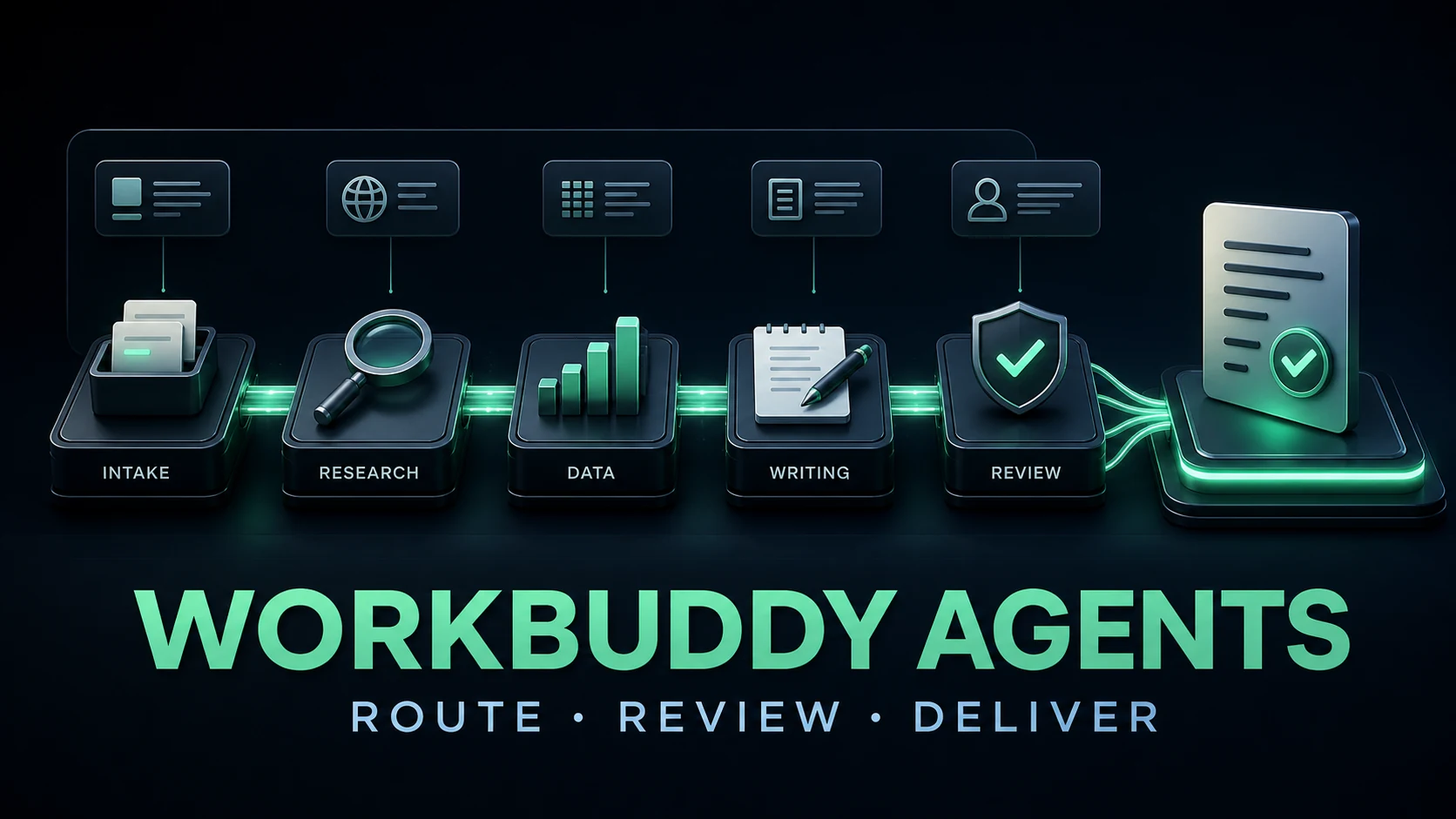
A practical architecture for using WorkBuddy’s specialists and project spaces on multi-step tasks without losing provenance or control.
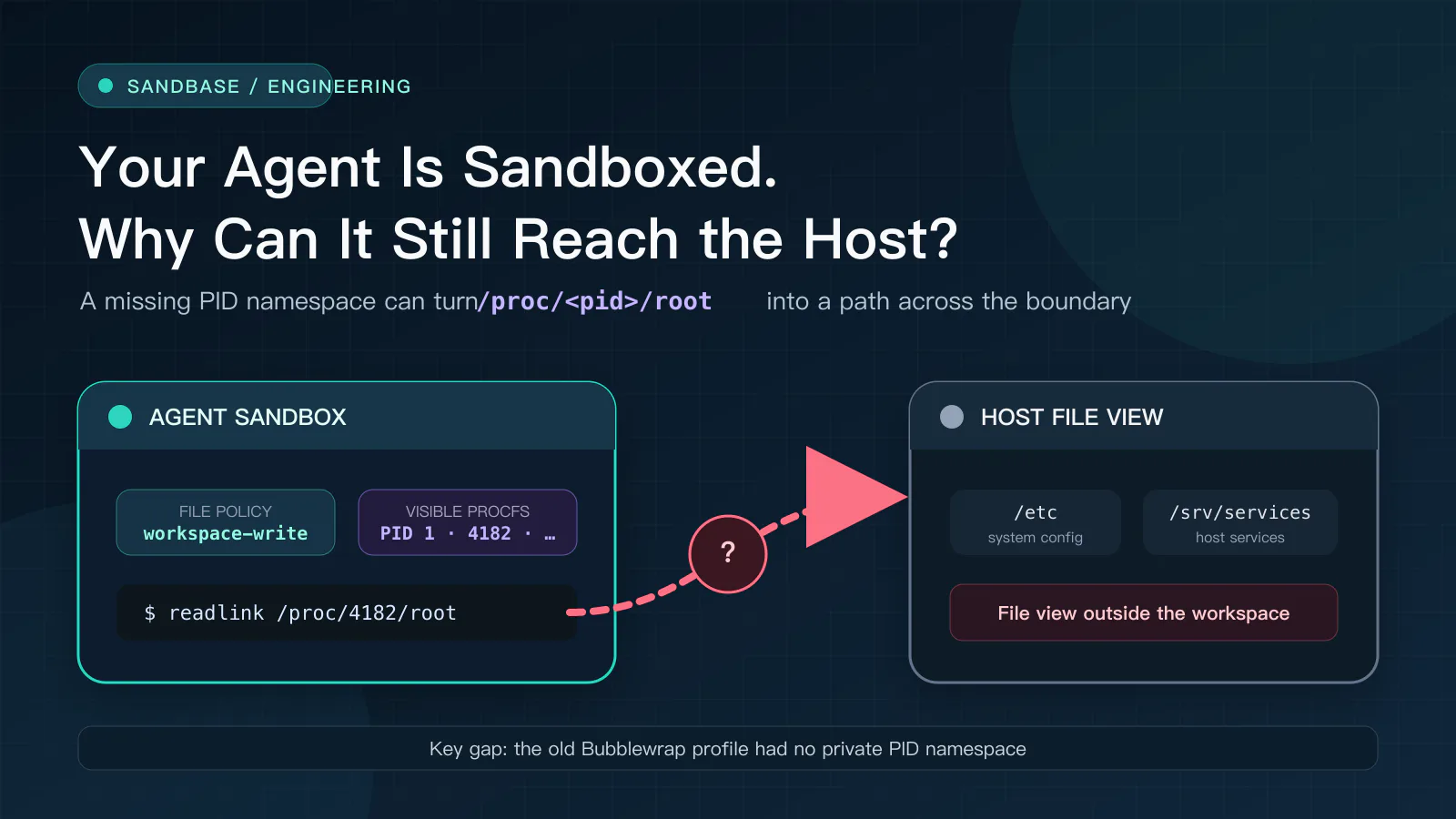
A workspace-write policy can still leave a hidden route through host PIDs and /proc. See the fixed versions and a safe PID-namespace check.
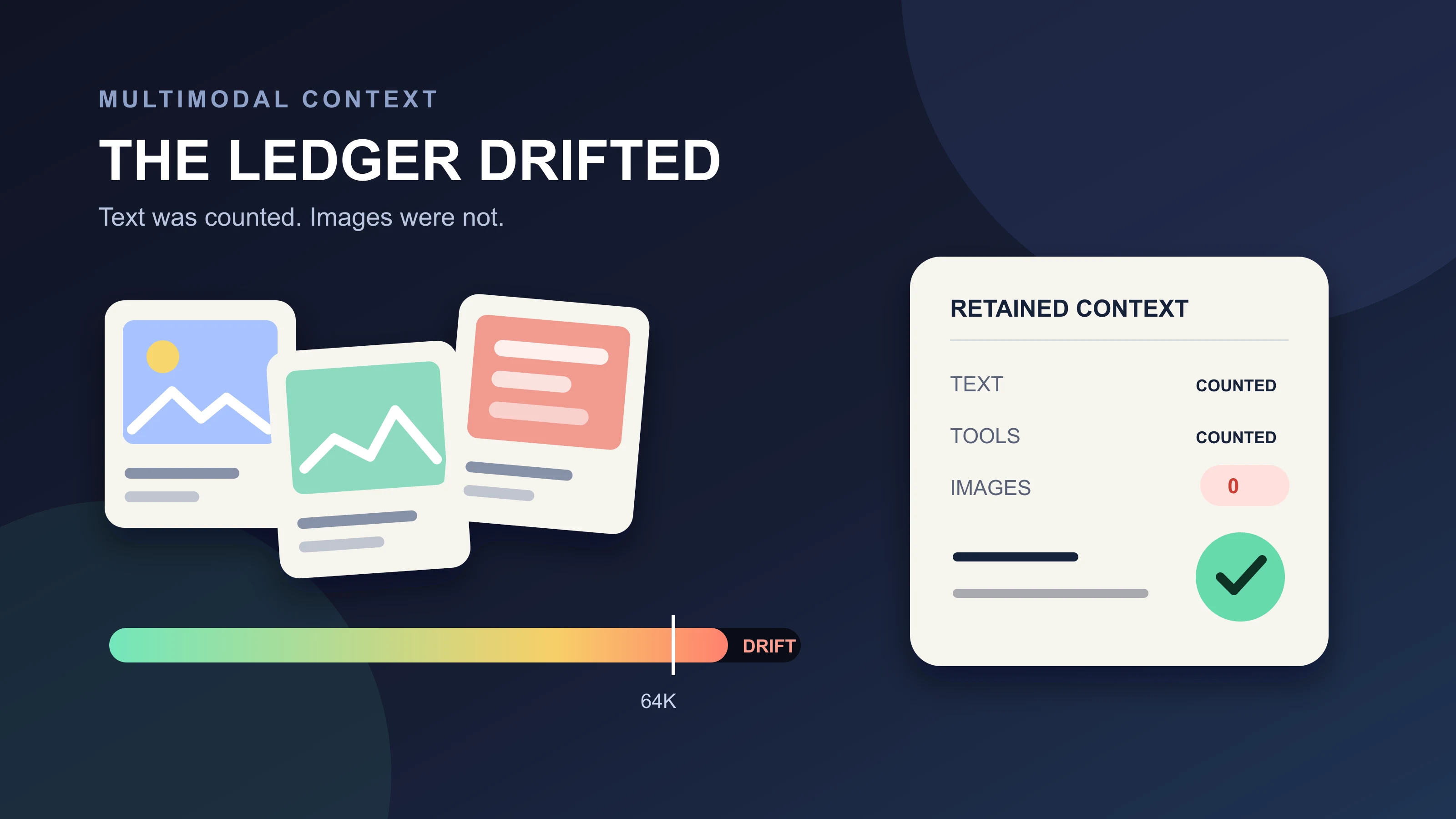
Why image-heavy agent sessions can outgrow a compaction ledger: how screenshots shift retention boundaries and what engineers need to log.
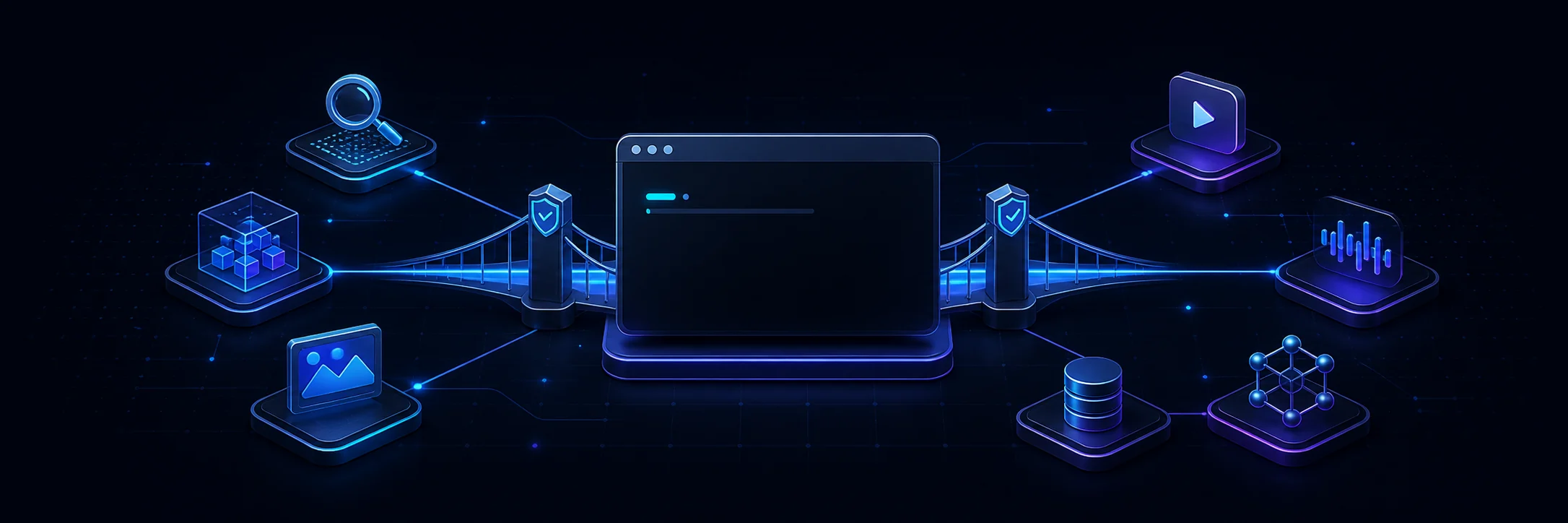
Install the open-source SandBase CLI, connect Codex, Claude Code, Cursor, Gemini CLI, and other AI clients, and expose six MCP tools for a catalog of 2,000+ models and APIs.
Claude Tag lets teams @mention Claude in Slack channels to delegate real work. Multiplayer, persistent memory, proactive, async. Available for Team and Enterprise.
Gemini 3.7 Flash launches at $0.75/$3.75 per million tokens, half the cost of 3.6 Flash. 1M context, multimodal, tunable thinking, strong tool use for agents.
SpaceXAI launches Grok Bot: AI agents with their own cloud computer, logins, and persistent state. Signs into apps like a human. Beta at $120/seat/month.
DeepSeek Harness setup and review: npx install, plugin architecture, API limits, and what is safe to test before production.
DeepSeek Harness vs Claude Managed Agents compared. Open-source composable plugins vs managed hosted infrastructure. Architecture, trade-offs, and when to pick each.
DeepSeek V4 Pro 0813 exits preview quietly. 1.6T params MoE, 49B active, 1M context, priced at $0.87/M output — less than 2% of Claude Fable 5.
Douyin User Search API tutorial with Python and cURL: search creators by keyword via SandBase /v1/run for KOL discovery, competitor monitoring, and social-data agents.
Learn how to use the ElevenLabs Dubbing API through SandBase to automatically translate and re-voice video and audio content into 29+ languages.
The Humanize Writing API rewrites AI-generated text to sound natural. One call, $0.01, no prompt engineering. Tutorial with code examples and real test results.
Learn how to convert Instagram usernames to user IDs and vice versa using SandBase's unified API. Practical code examples in curl and Python for automation, analytics, and AI agent workflows.
A practical guide for engineering teams to evaluate AI model spend — not just which model is best, but how to measure value on your workload.
Meta announces Muse Glimmer, a 30B parameter open-weight model family designed to run on laptops and consumer devices—challenging cloud-only AI with on-device intelligence.
A step-by-step guide to migrating your MCP server from the session-based model to the new stateless 2026-07-28 spec. Includes before/after code, checklists, and FAQ.
Agent Plugins is a new open standard for portable AI agent plugin packages. One format, every client. Learn how plugin.json, skills, and MCP servers fit together.
Compare the best open weights LLMs for AI agents in 2026: DeepSeek V4, openPangu-2.0-Pro, Llama 4 Maverick, cost, context, benchmarks, and self-hosting fit.
How Cloudflare's serverless platform became the perfect deployment target for stateless MCP servers, with updated SDKs and zero-config scaling.
Cursor vs Windsurf vs Claude Code compared in 2026. IDE integration, agent autonomy, model flexibility, multi-file editing, MCP support, and pricing — with a verdict per use case.
How Duolingo built a shared agent platform using Temporal workflows, declarative definitions, and multi-runtime support to stop teams from rebuilding infrastructure for every agent project.
Learn GitHub Copilot Agent Mode setup, MCP tools, permissions, pricing and runtime limits, with Microsoft Agent Framework examples for .NET and Python.
Muse Spark 1.2 vs Claude Sonnet 5: compare coding-agent benchmarks, API pricing, subagents, speed, reliability, and which model fits your workflow.
Google led the biggest MCP spec change since launch—removing stateful sessions entirely. Here's how the 2026-07-28 spec makes MCP cloud-native.
AWS Bedrock AgentCore Runtime Instances guide: understand persistent EC2-backed agents, 14-day sessions, GPU support, pricing, deployment, and use cases.
Huawei releases openPangu-2.0-Pro — a 505B parameter open-weight MoE model trained entirely on Ascend 910B NPUs. Architecture breakdown, hardware sovereignty implications, and honest assessment.
Meta launches Muse Code, a terminal-native coding agent powered by Muse Spark 1.2. Async background agents, event-log replay, and 24-hour GPU kernel optimization sessions.
DeepSeek V4 Flash 0731 exits preview with 82.7 Terminal-Bench and 54.4 DeepSWE. 284B/13B MoE, 1M context, MIT license, at $0.14/$0.28 per million tokens. Agent benchmarks beat V4-Pro-Preview.
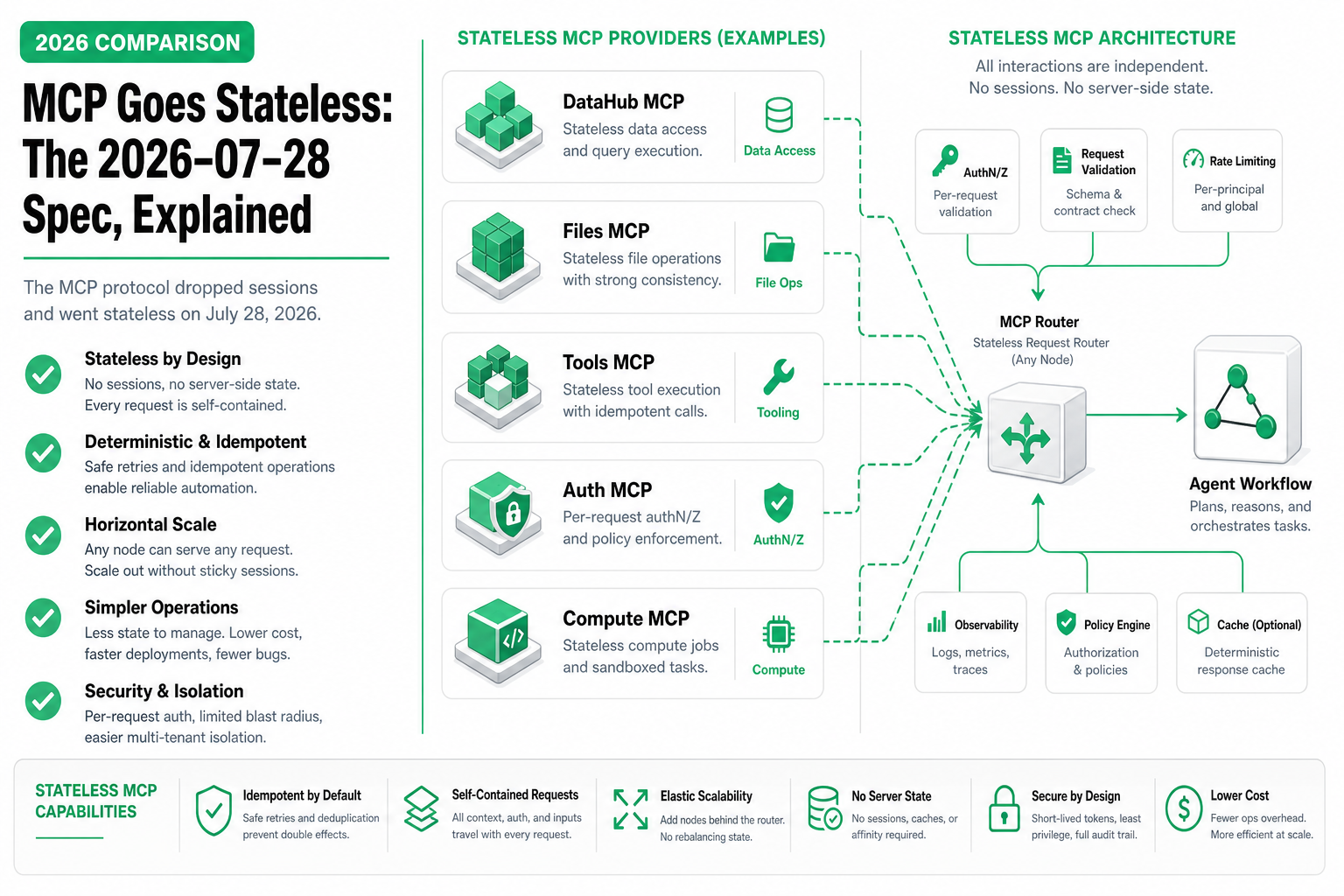
The MCP protocol dropped sessions and went stateless on July 28, 2026. What changed, why it matters for production agents, and how to migrate your servers.
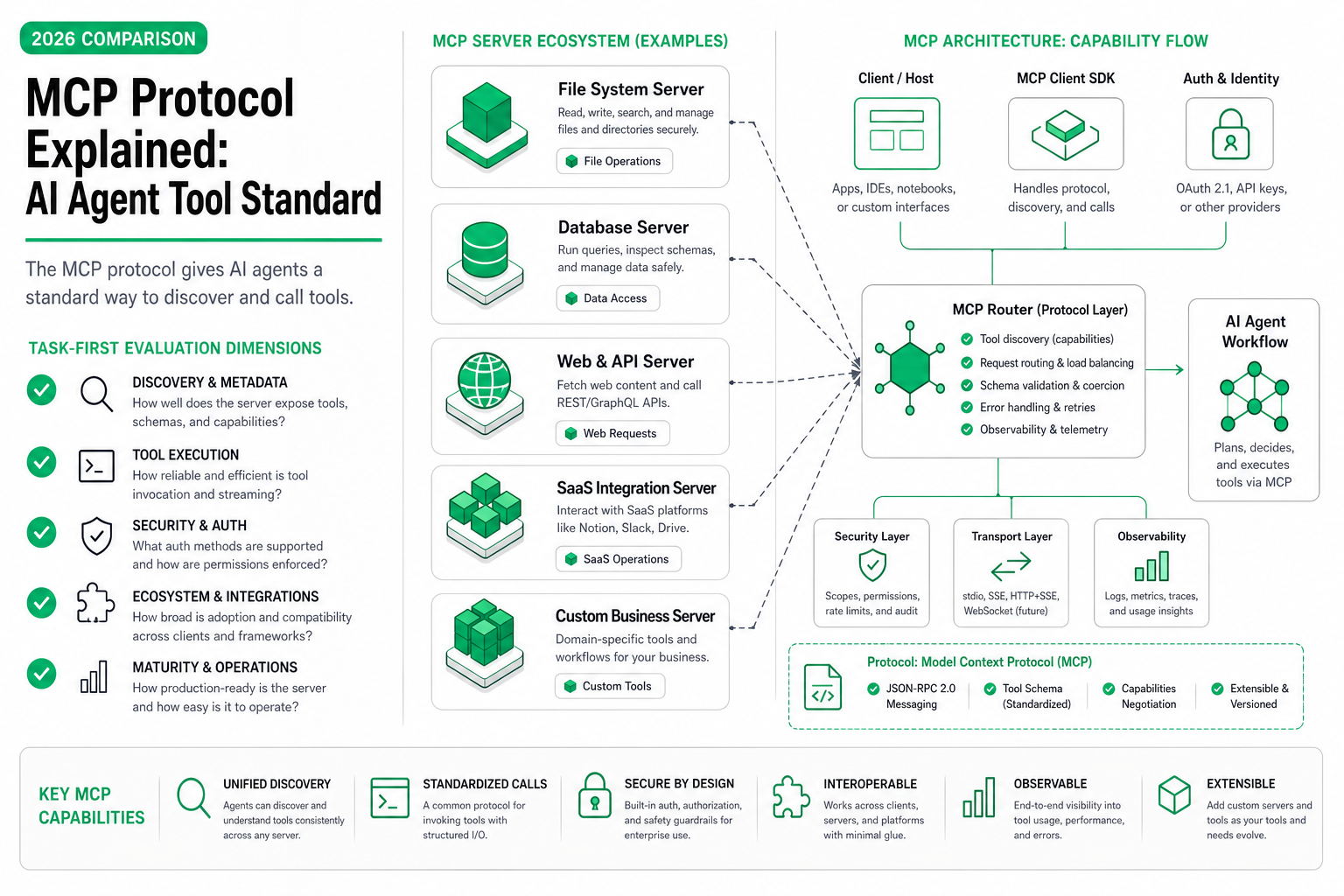
The MCP protocol gives AI agents a standard way to discover and call tools. How it works, how to build a server, and the ecosystem in 2026.
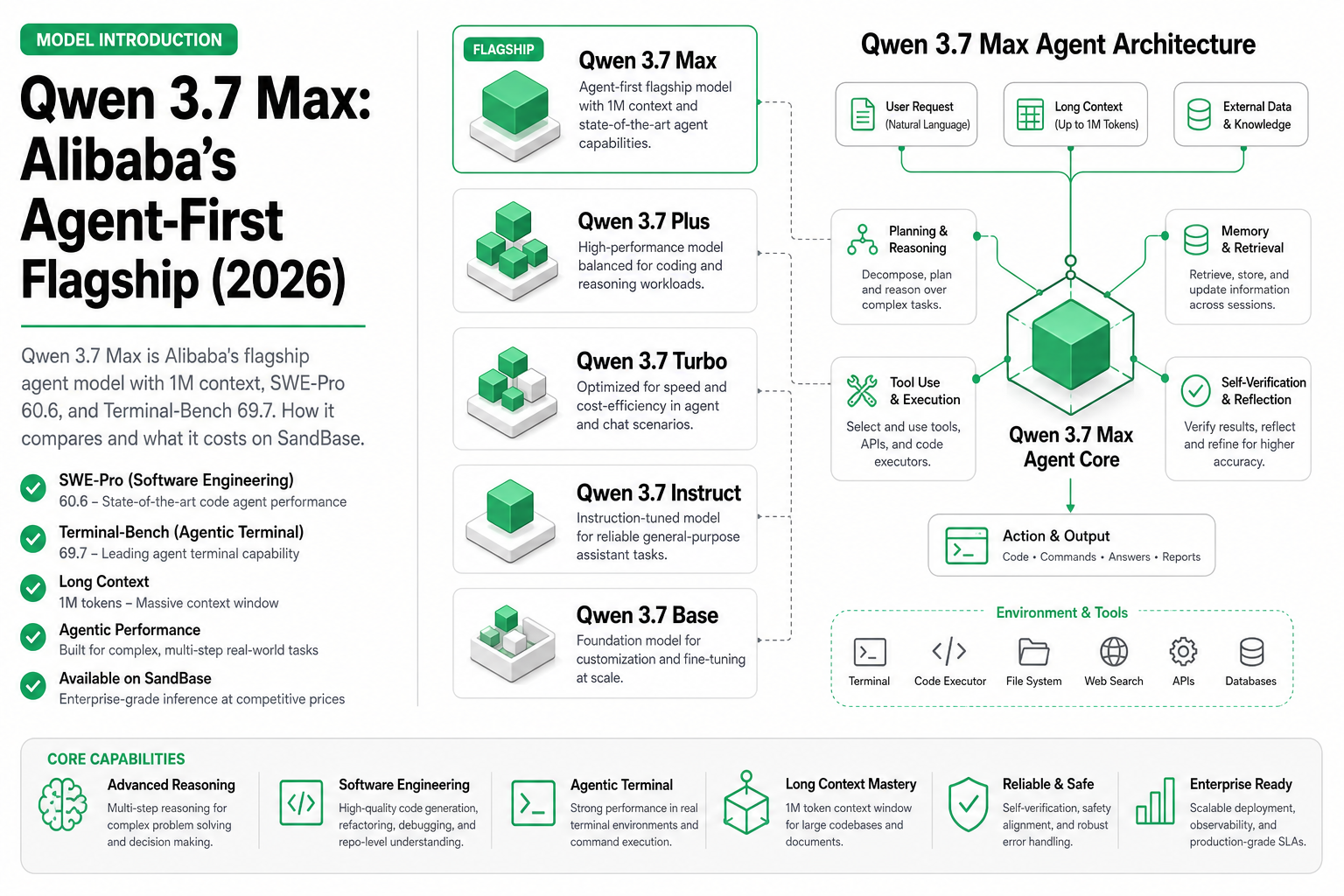
Qwen 3.7 Max is Alibaba's flagship agent model with 1M context, SWE-Pro 60.6, and Terminal-Bench 69.7. How it compares and what it costs on SandBase.
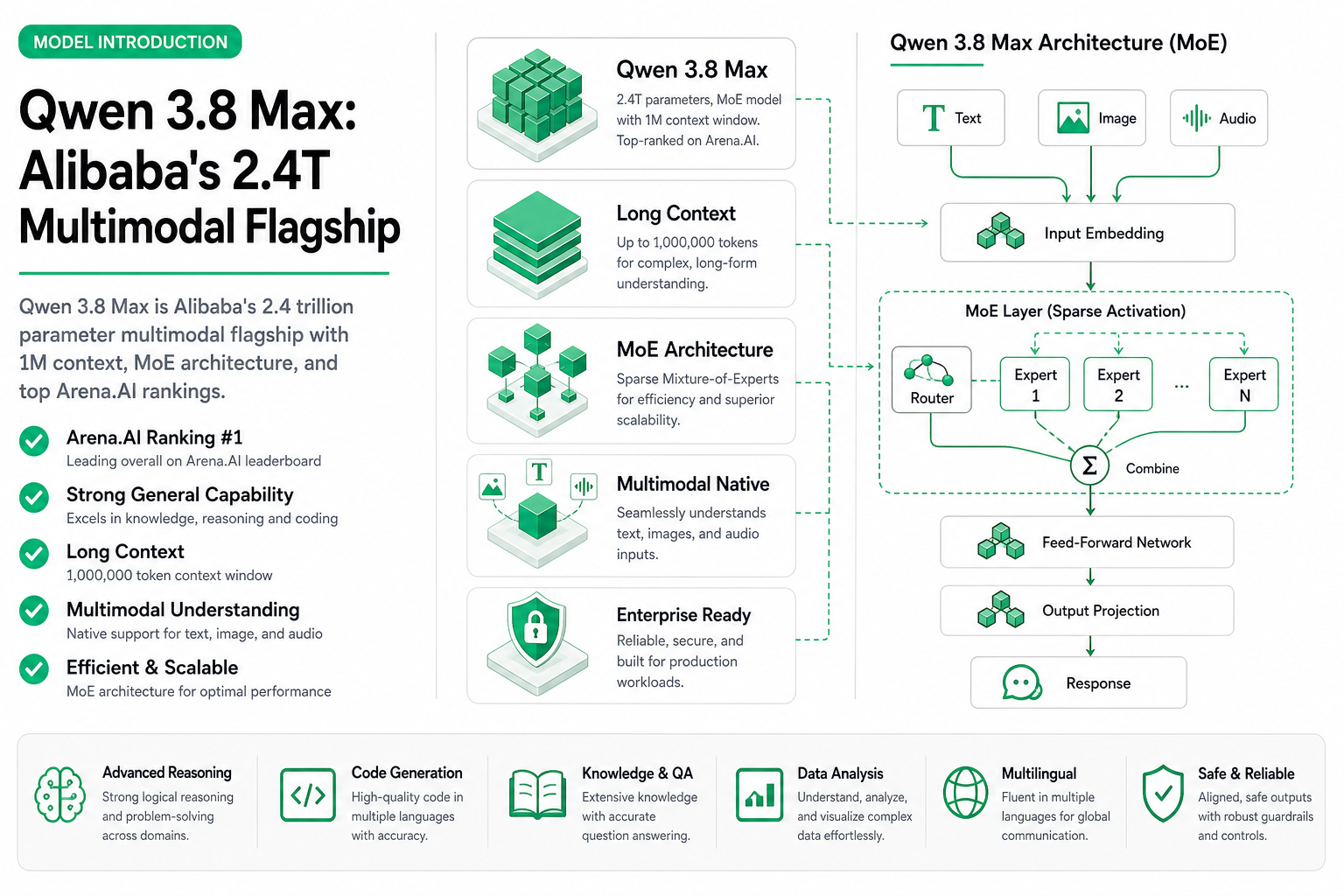
Qwen 3.8 Max is Alibaba's 2.4 trillion parameter multimodal flagship with 1M context, MoE architecture, and top Arena.AI rankings. Specs, pricing, and how to access it on SandBase.
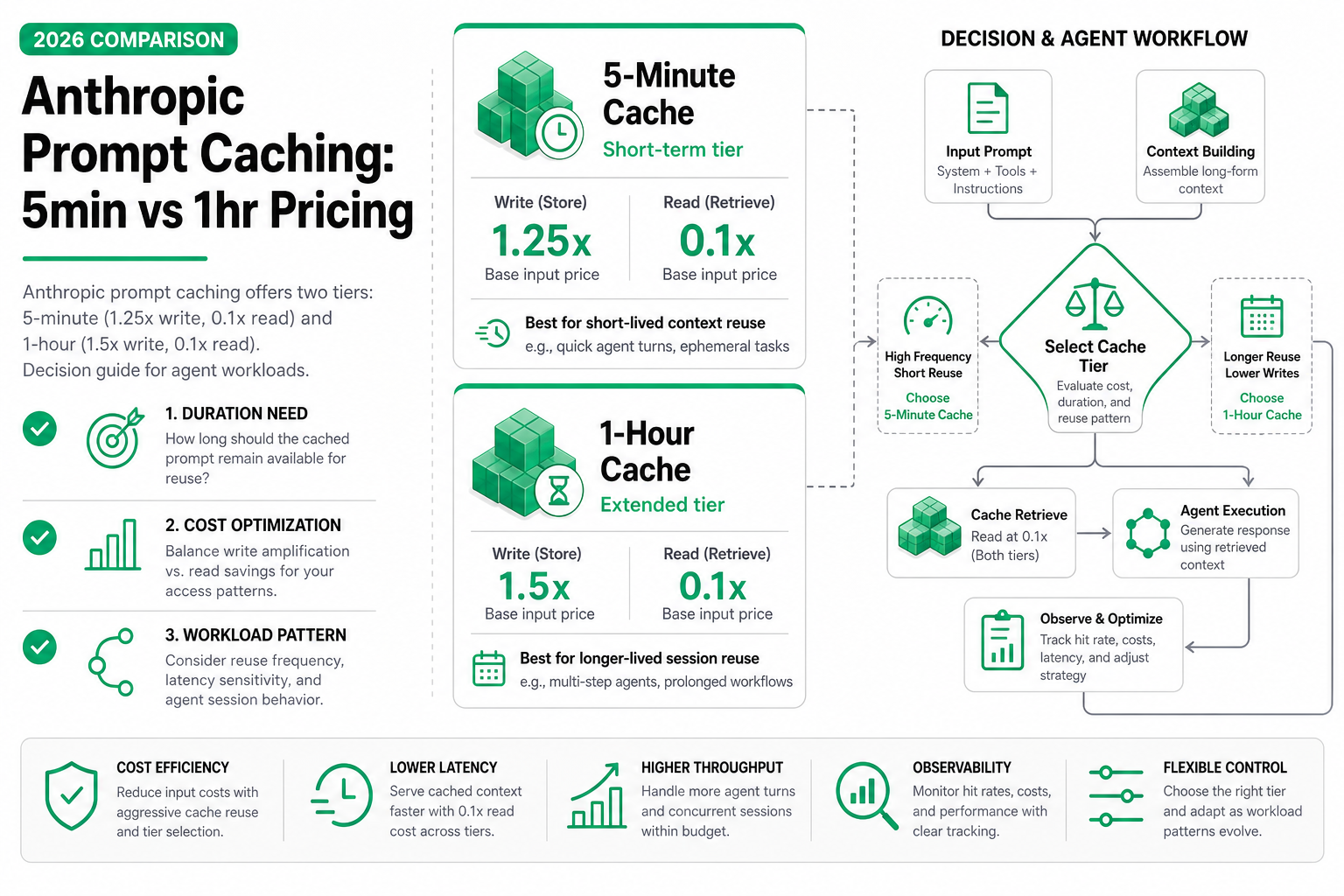
Anthropic prompt caching offers two tiers: 5-minute (1.25x write, 0.1x read) and 1-hour (1.5x write, 0.1x read). Decision guide for agent workloads.
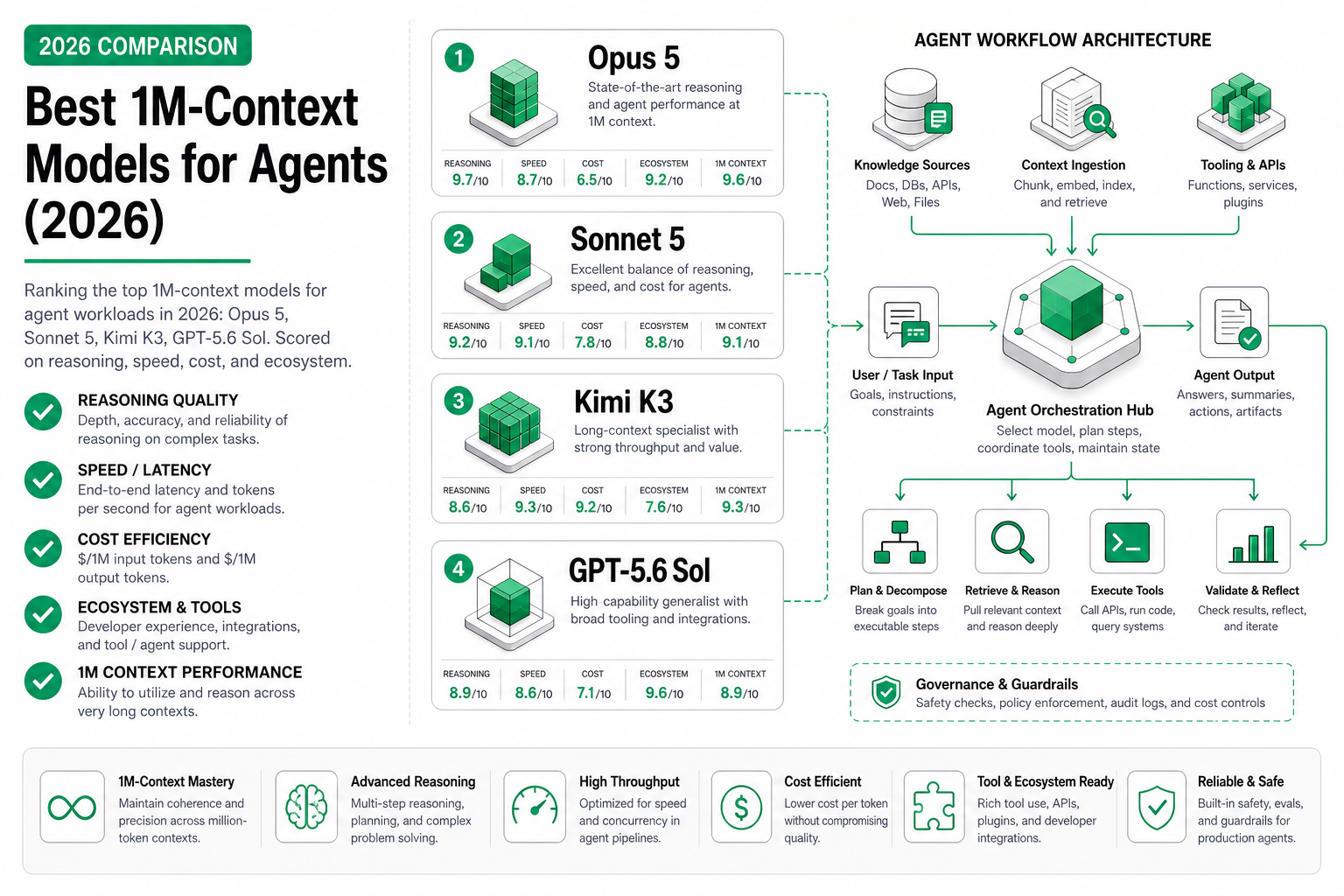
Ranking the top 1M-context models for agent workloads in 2026: Opus 5, Sonnet 5, Kimi K3, GPT-5.6 Sol. Scored on reasoning, speed, cost, and ecosystem.
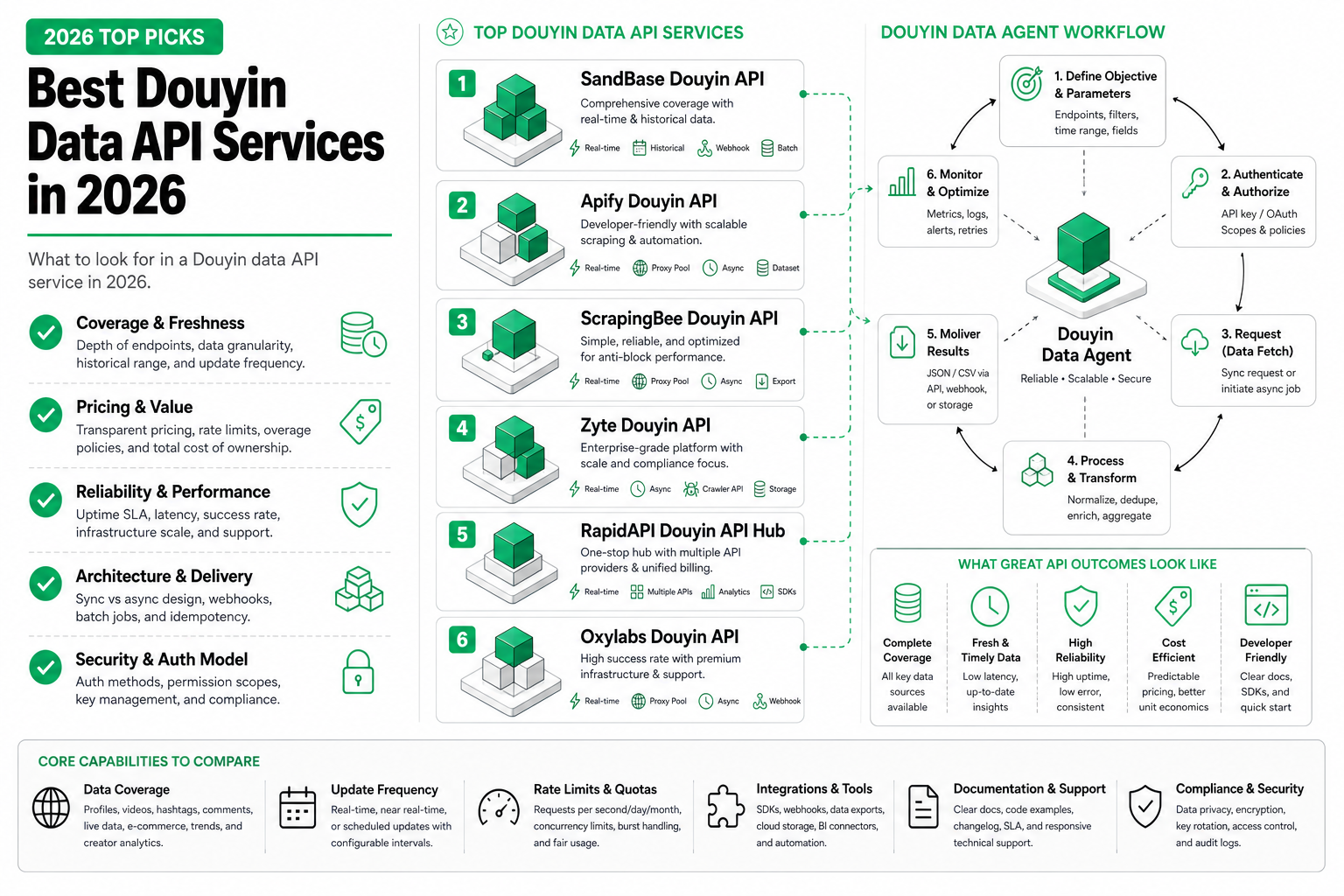
Best Douyin data APIs in 2026: compare services on coverage, price, reliability, sync vs async design, auth, and AI-agent developer fit.
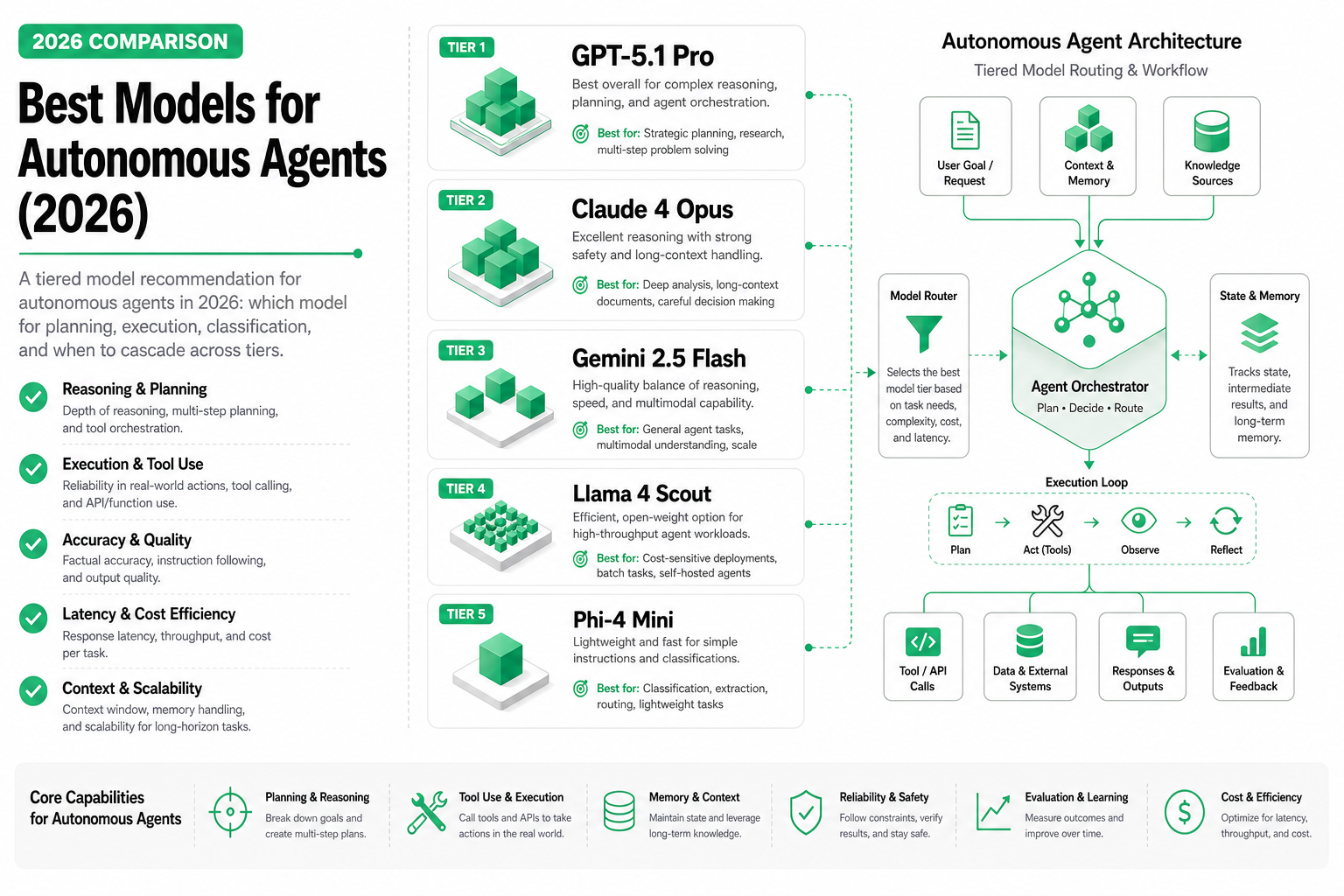
A tiered model recommendation for autonomous agents in 2026: which model for planning, execution, classification, and when to cascade across tiers.
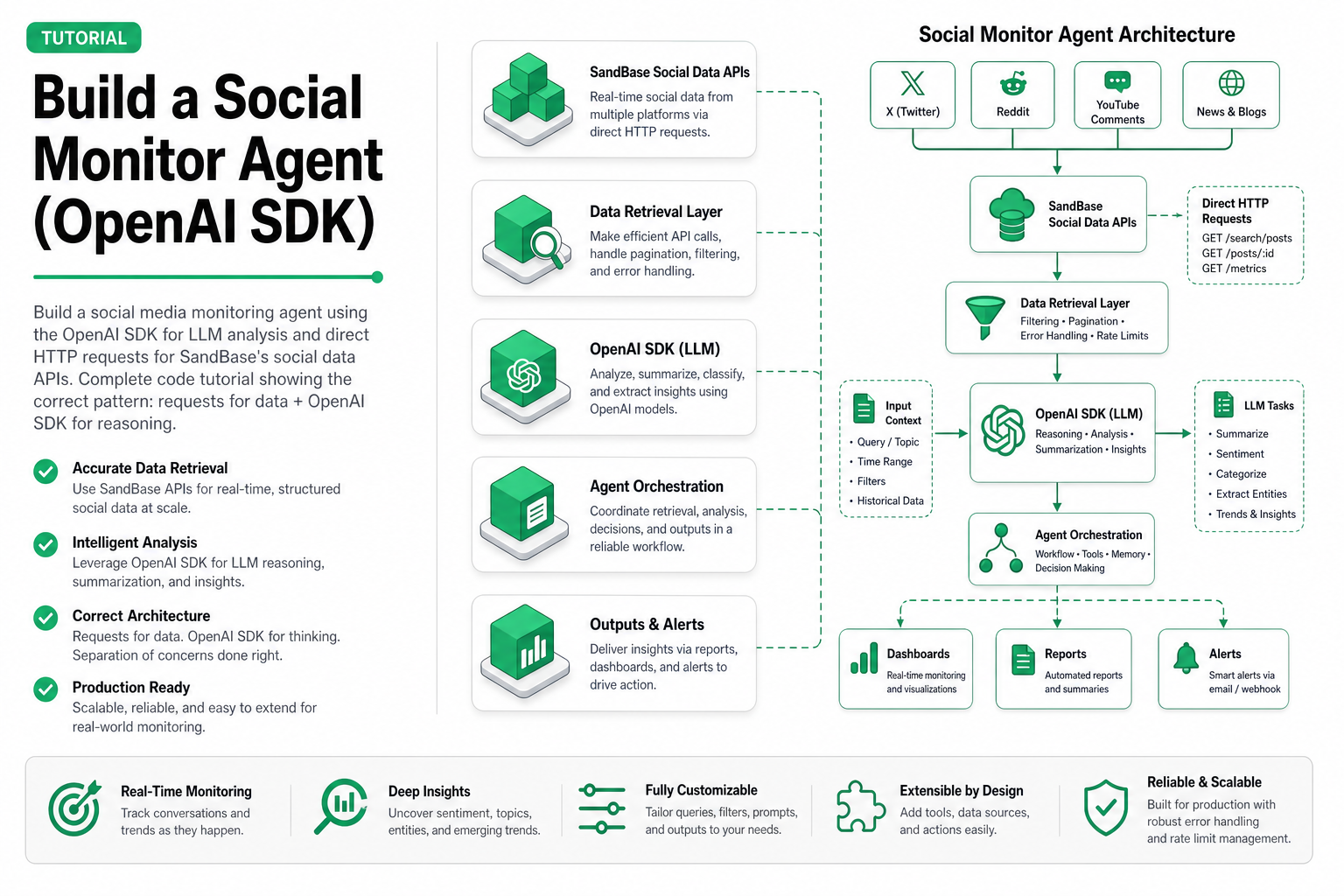
Build a social media monitoring agent using the OpenAI SDK for LLM analysis and direct HTTP requests for SandBase's social data APIs. Complete code tutorial showing the correct pattern: requests for data + OpenAI SDK for reasoning.
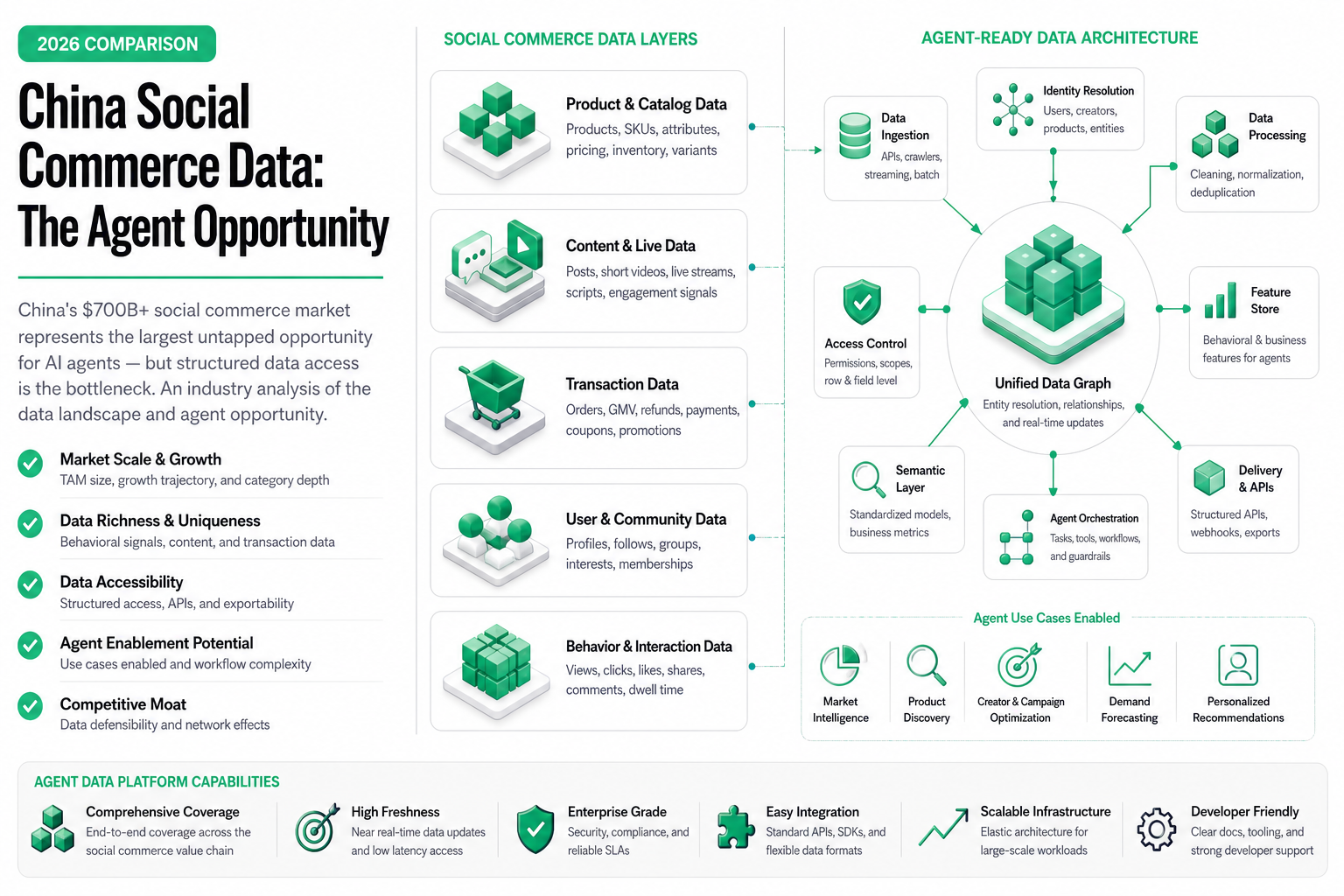
China's $700B+ social commerce market represents the largest untapped opportunity for AI agents — but structured data access is the bottleneck. An industry analysis of the data landscape and agent opportunity.
Claude Opus 5 pricing and review for 2026: 1M context, $5/M input, $25/M output, API limits, adaptive thinking, effort controls, and Opus vs Sonnet trade-offs.
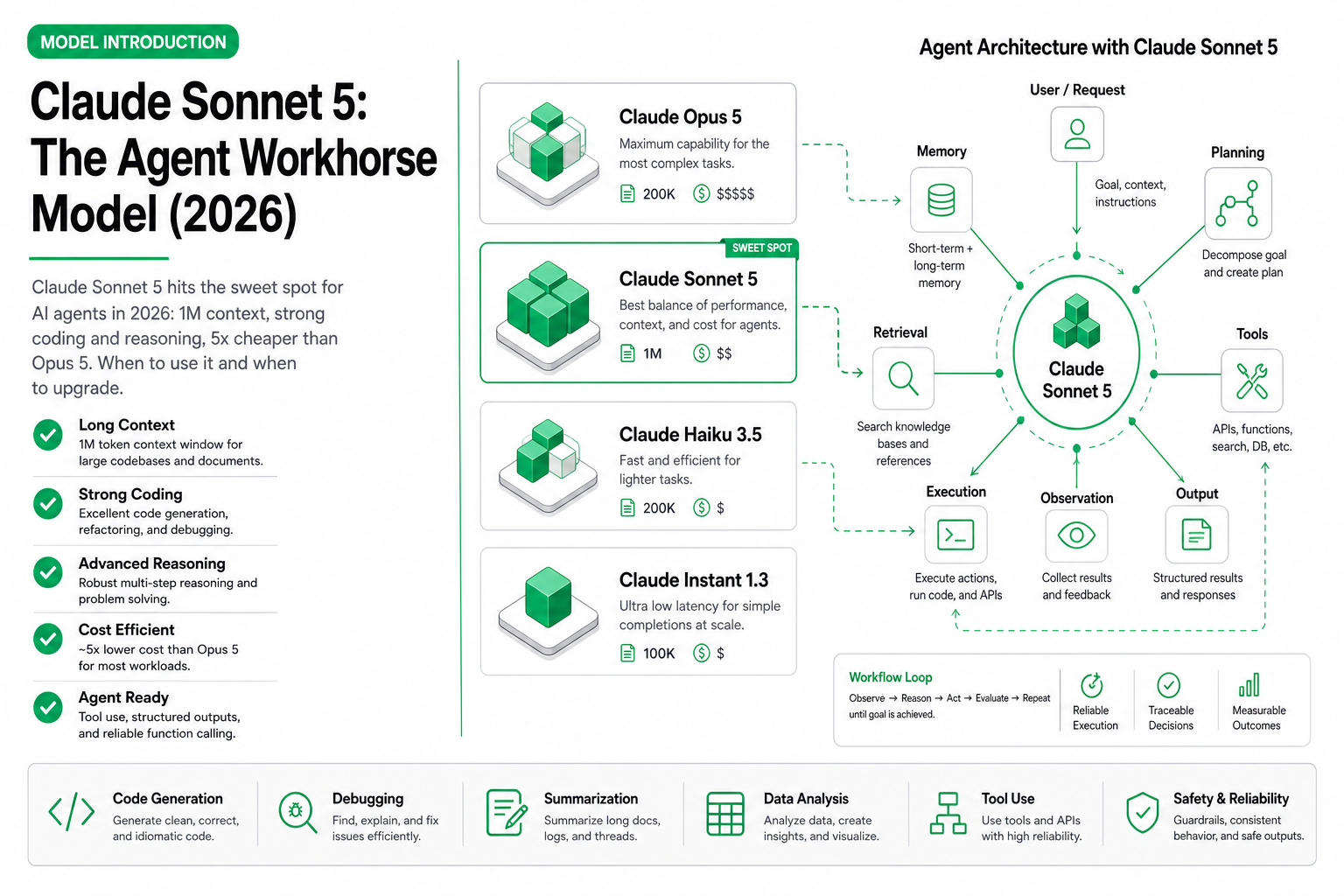
Claude Sonnet 5 is a practical 2026 starting point for many AI agents: 1M context, strong coding and reasoning, and a listed $2/$10 per MTok price. When to upgrade to Opus 5.
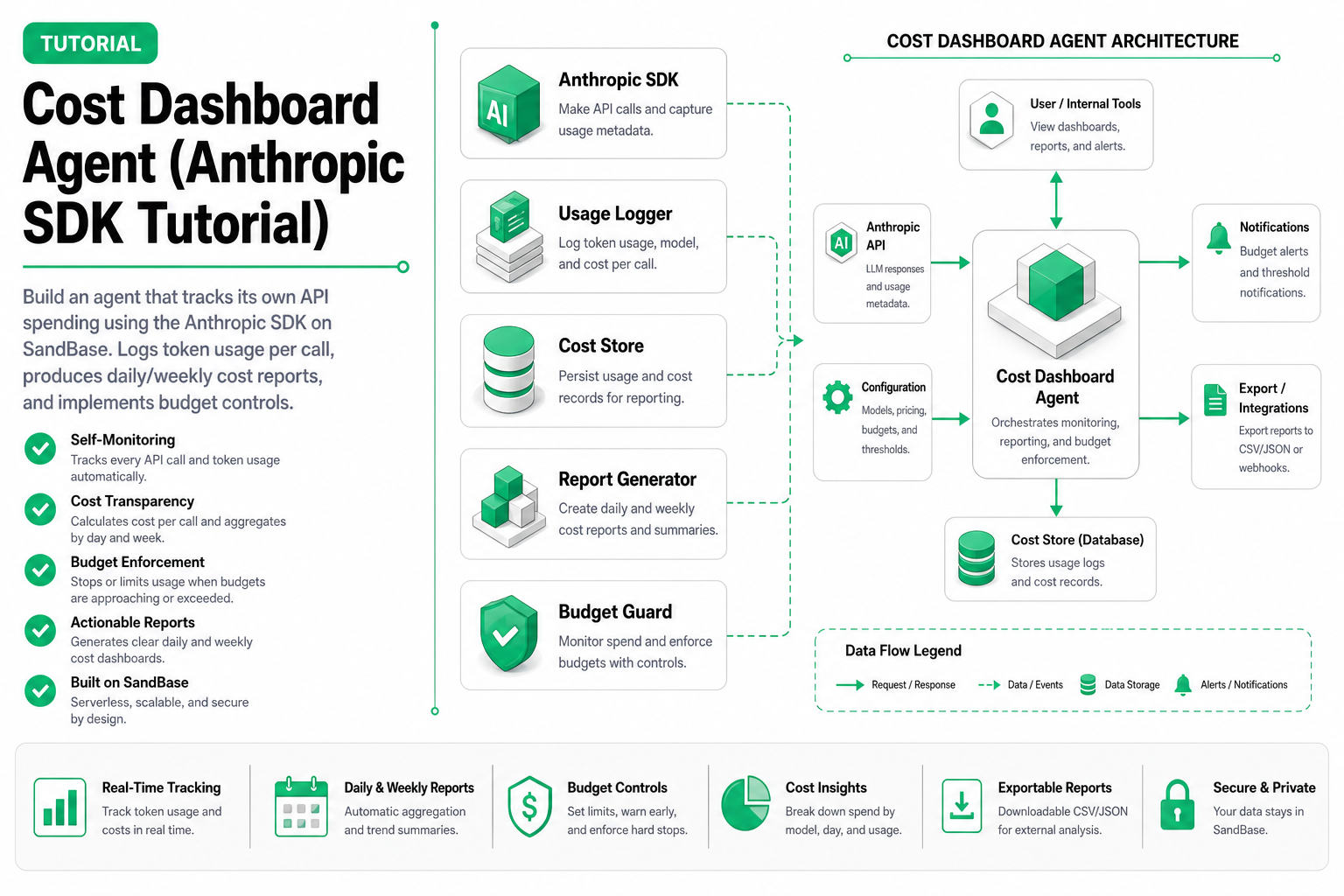
Build an agent that tracks its own API spending using the Anthropic SDK on SandBase. Logs token usage per call, produces daily/weekly cost reports, and implements budget controls.
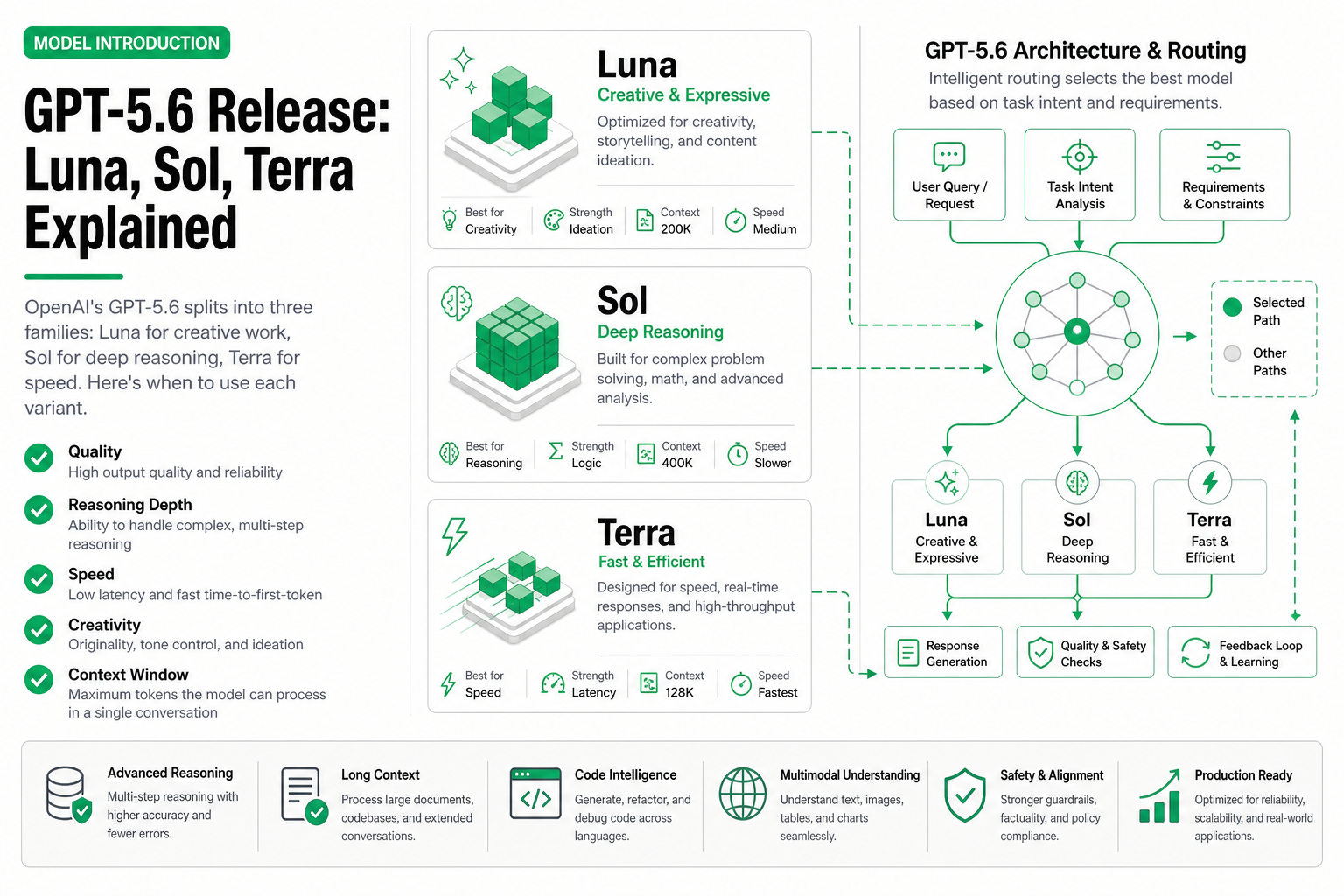
OpenAI's GPT-5.6 splits into three families: Luna for creative work, Sol for deep reasoning, Terra for speed. Here's when to use each variant.
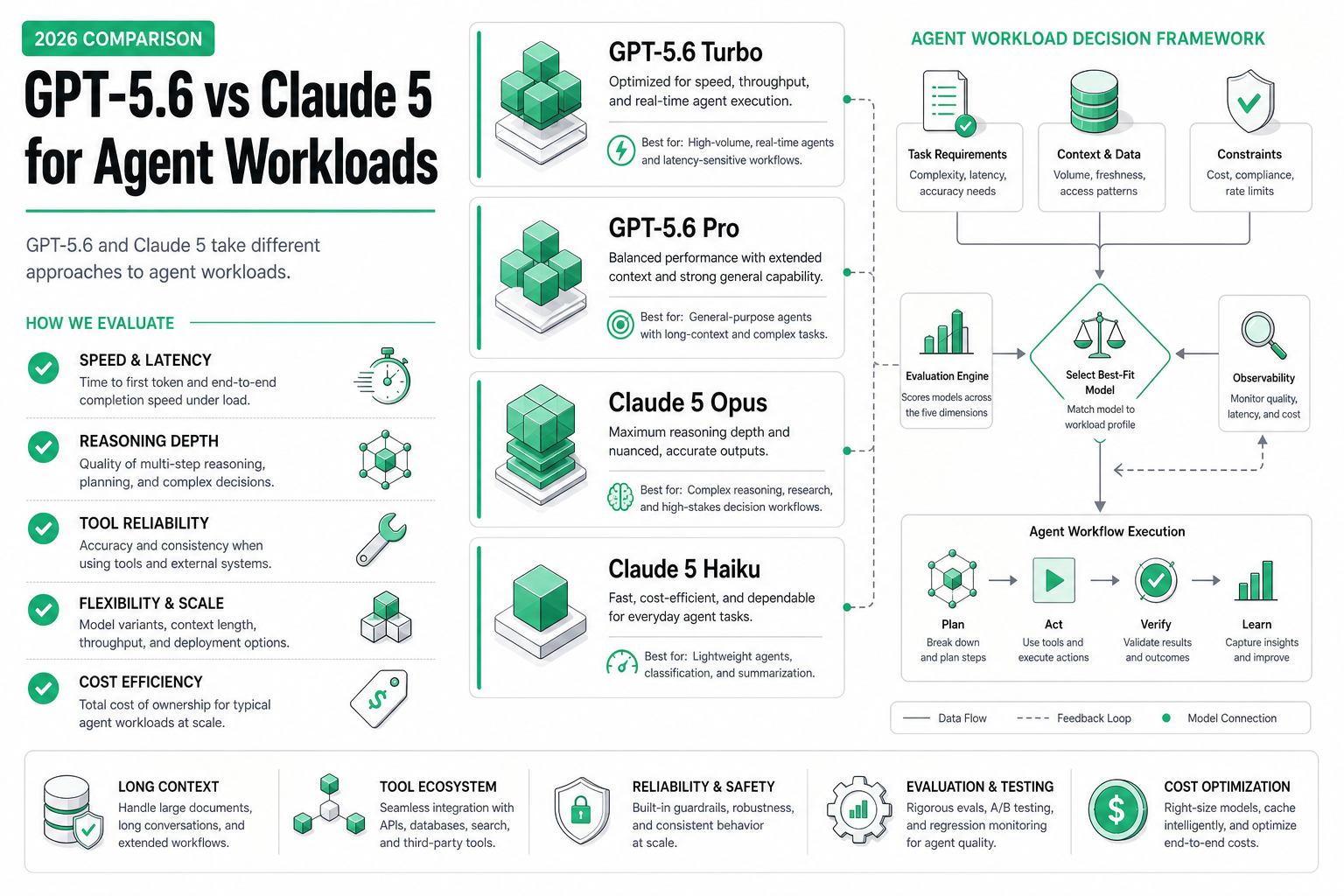
GPT-5.6 and Claude 5 take different approaches to agent workloads. Speed and variants vs reasoning depth and tool reliability. Scenario-based comparison.
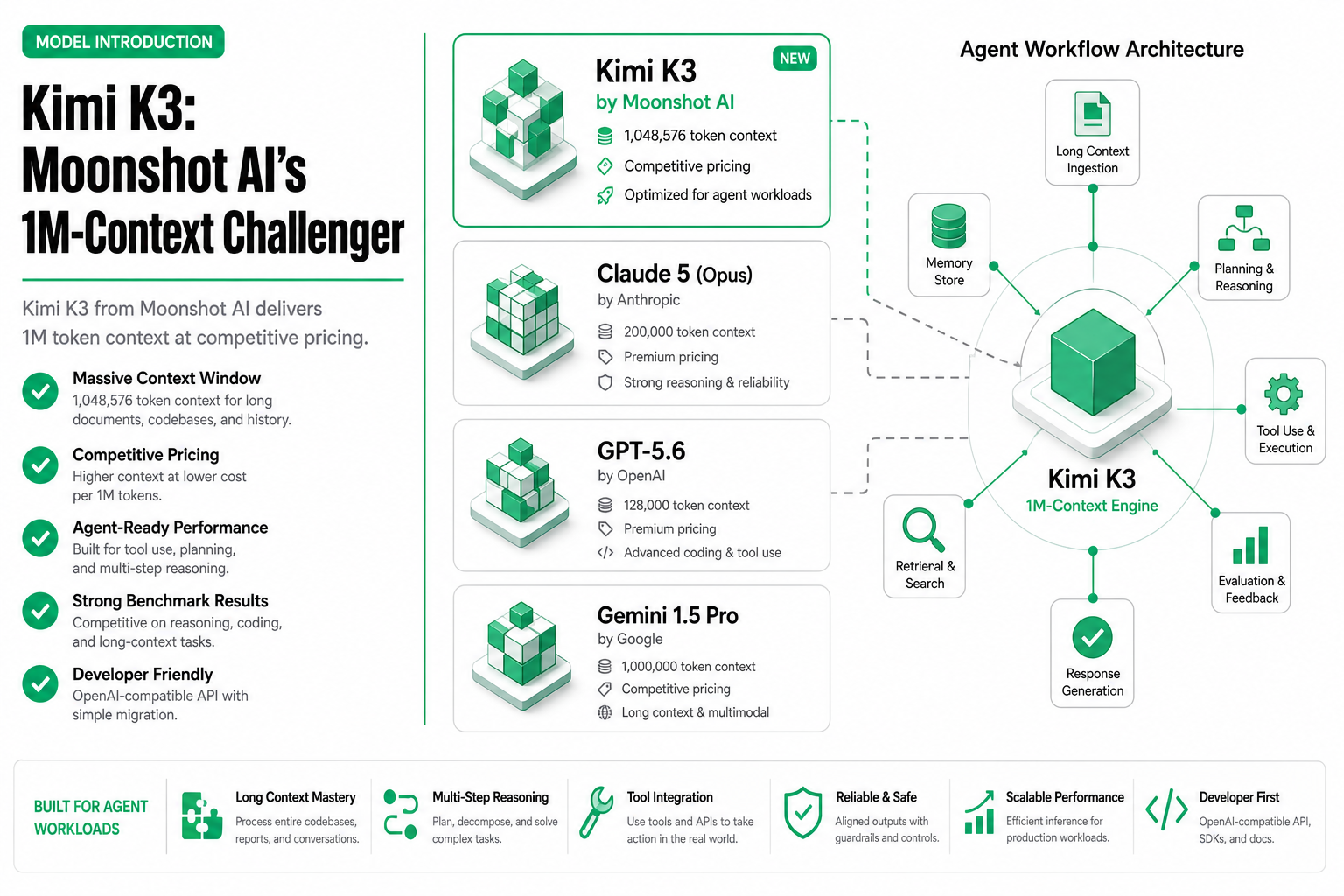
Kimi K3 from Moonshot AI delivers 1M token context at competitive pricing. How it stacks up against Claude 5 and GPT-5.6 for agent workloads.
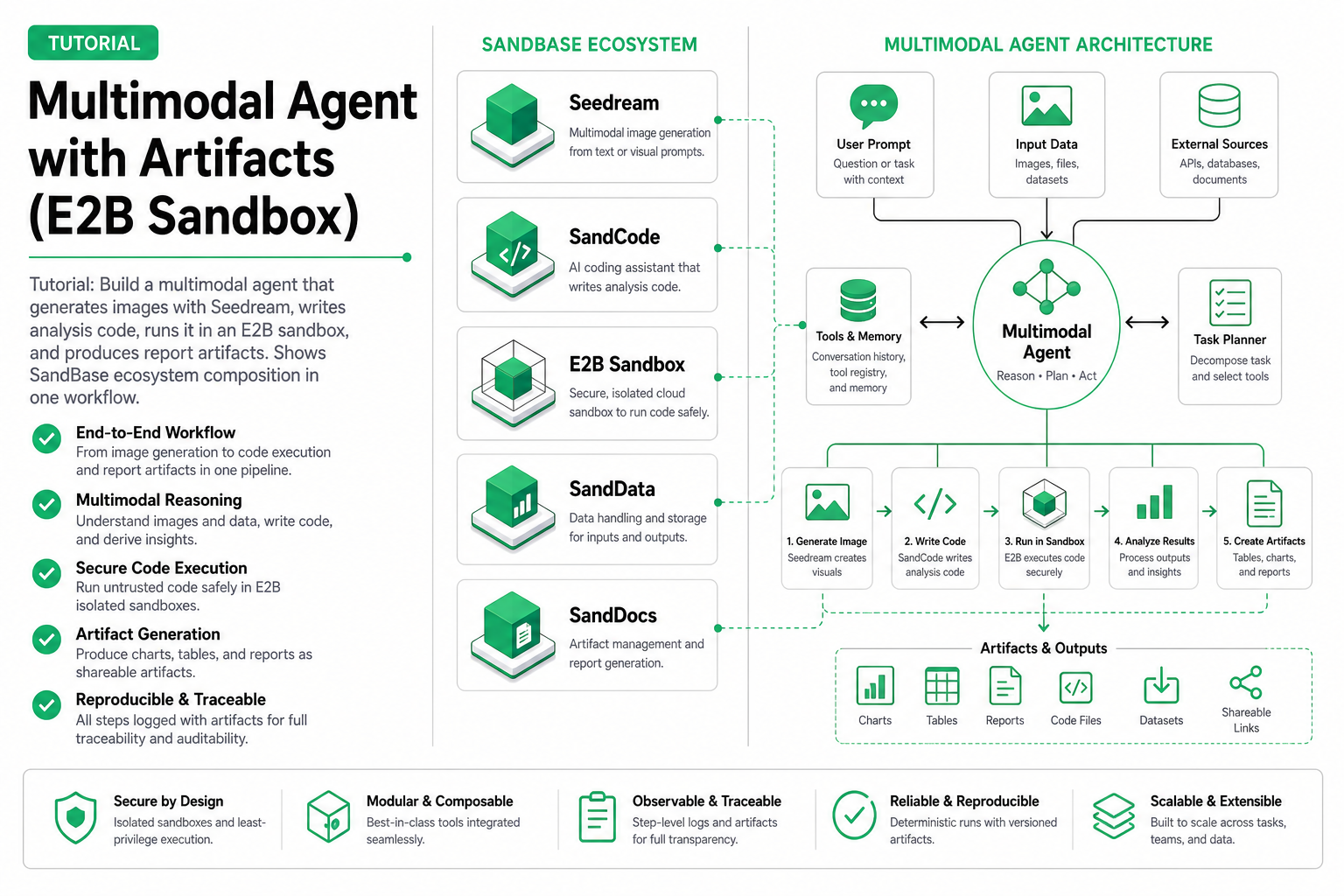
Tutorial: Build a multimodal agent that generates images with Seedream, writes analysis code, runs it in an E2B sandbox, and produces report artifacts. Shows SandBase ecosystem composition in one workflow.
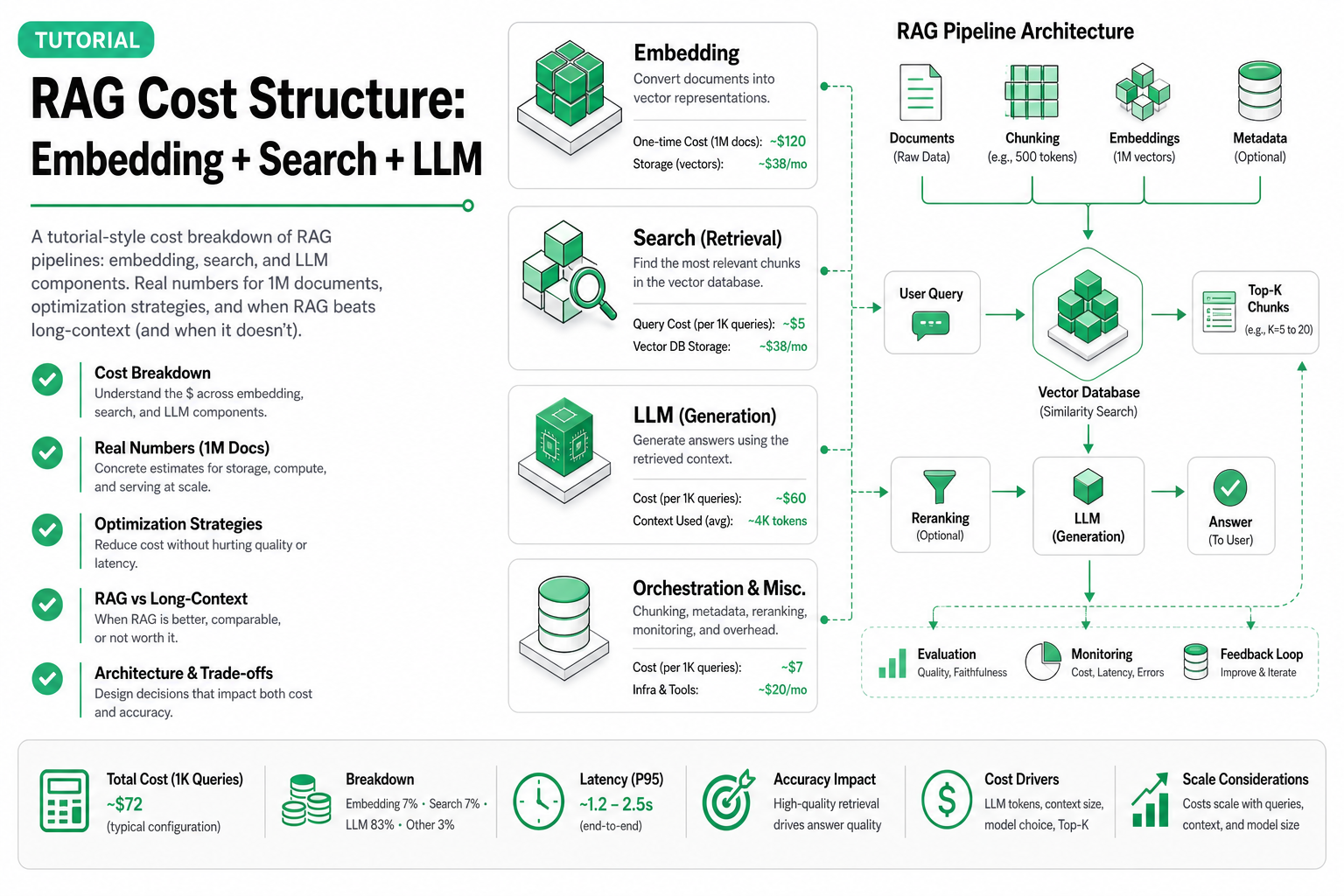
A tutorial-style cost breakdown of RAG pipelines: embedding, search, and LLM components. Real numbers for 1M documents, optimization strategies, and when RAG beats long-context (and when it doesn't).
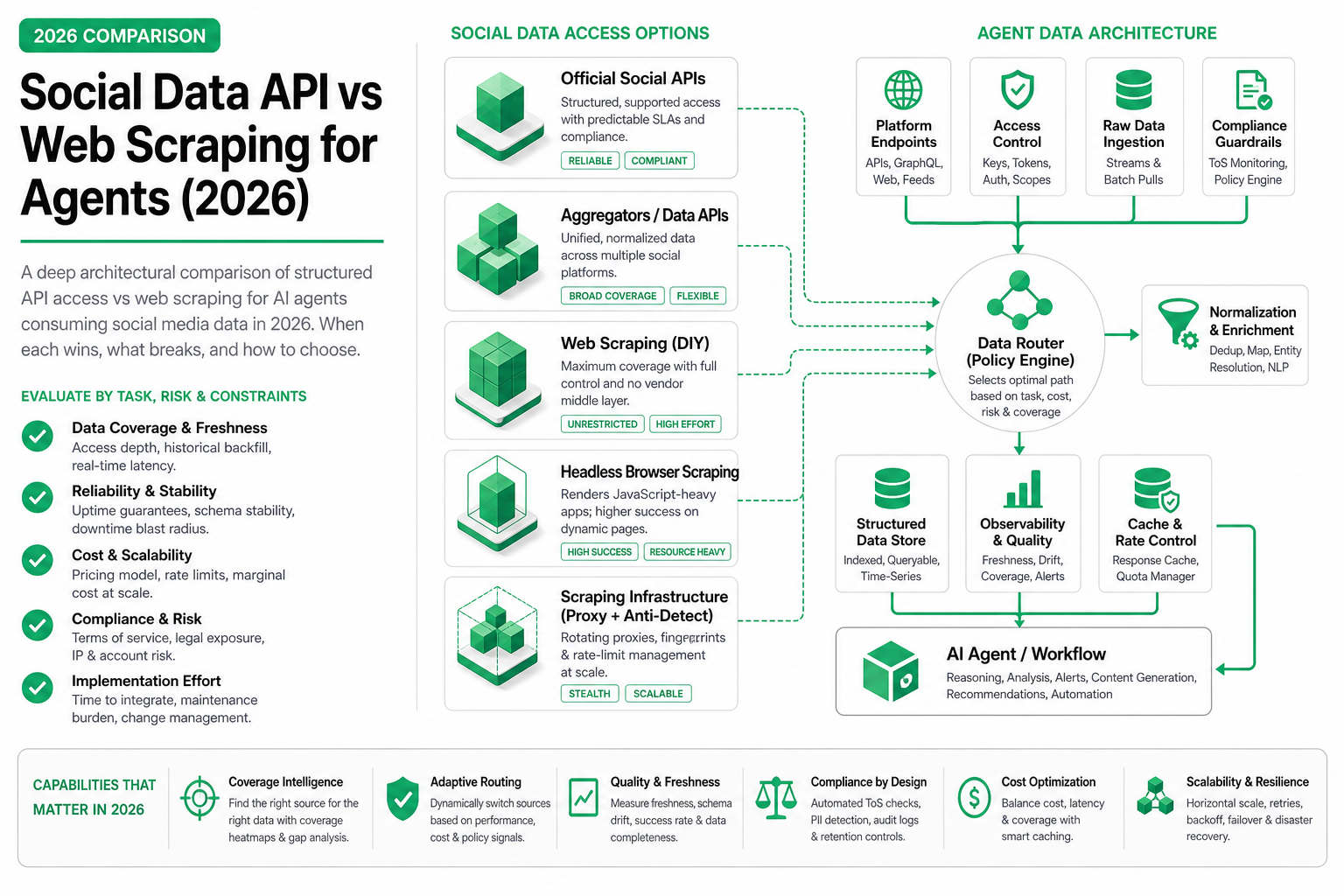
A deep architectural comparison of structured API access vs web scraping for AI agents consuming social media data in 2026. When each wins, what breaks, and how to choose.
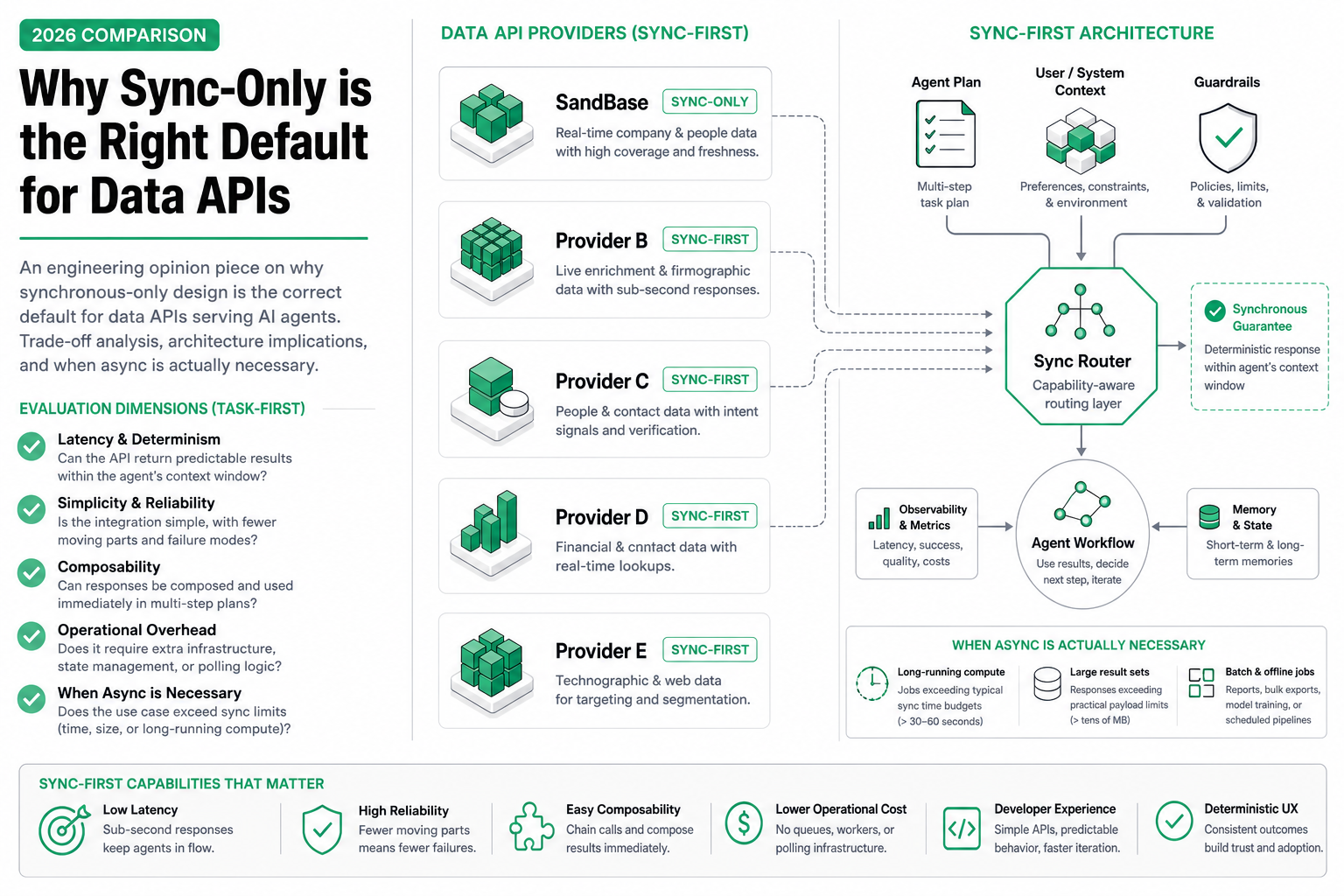
An engineering opinion piece on why synchronous-only design is the correct default for data APIs serving AI agents. Trade-off analysis, architecture implications, and when async is actually necessary.
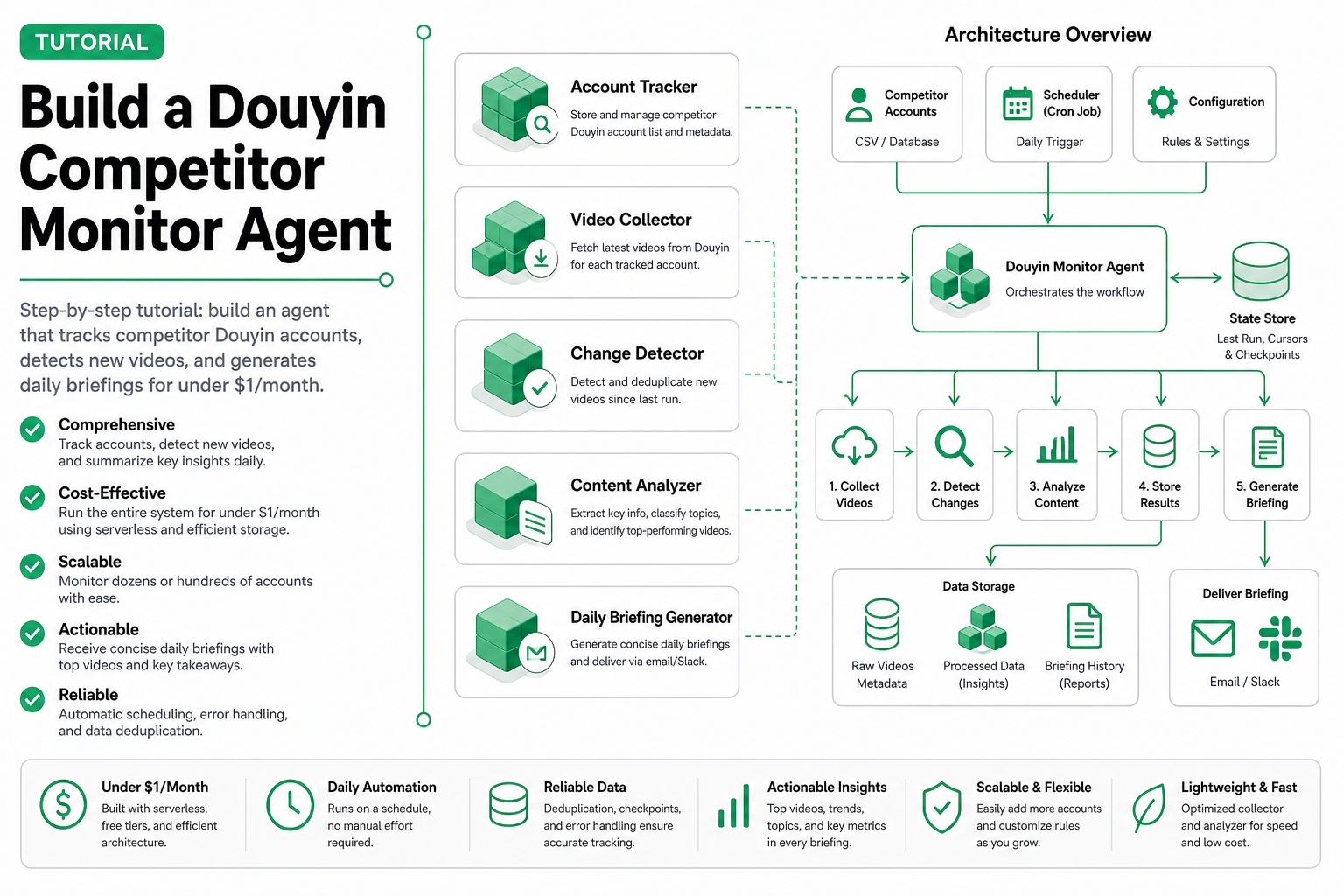
Step-by-step tutorial: build an agent that tracks competitor Douyin accounts, detects new videos, and generates daily briefings for under $1/month.
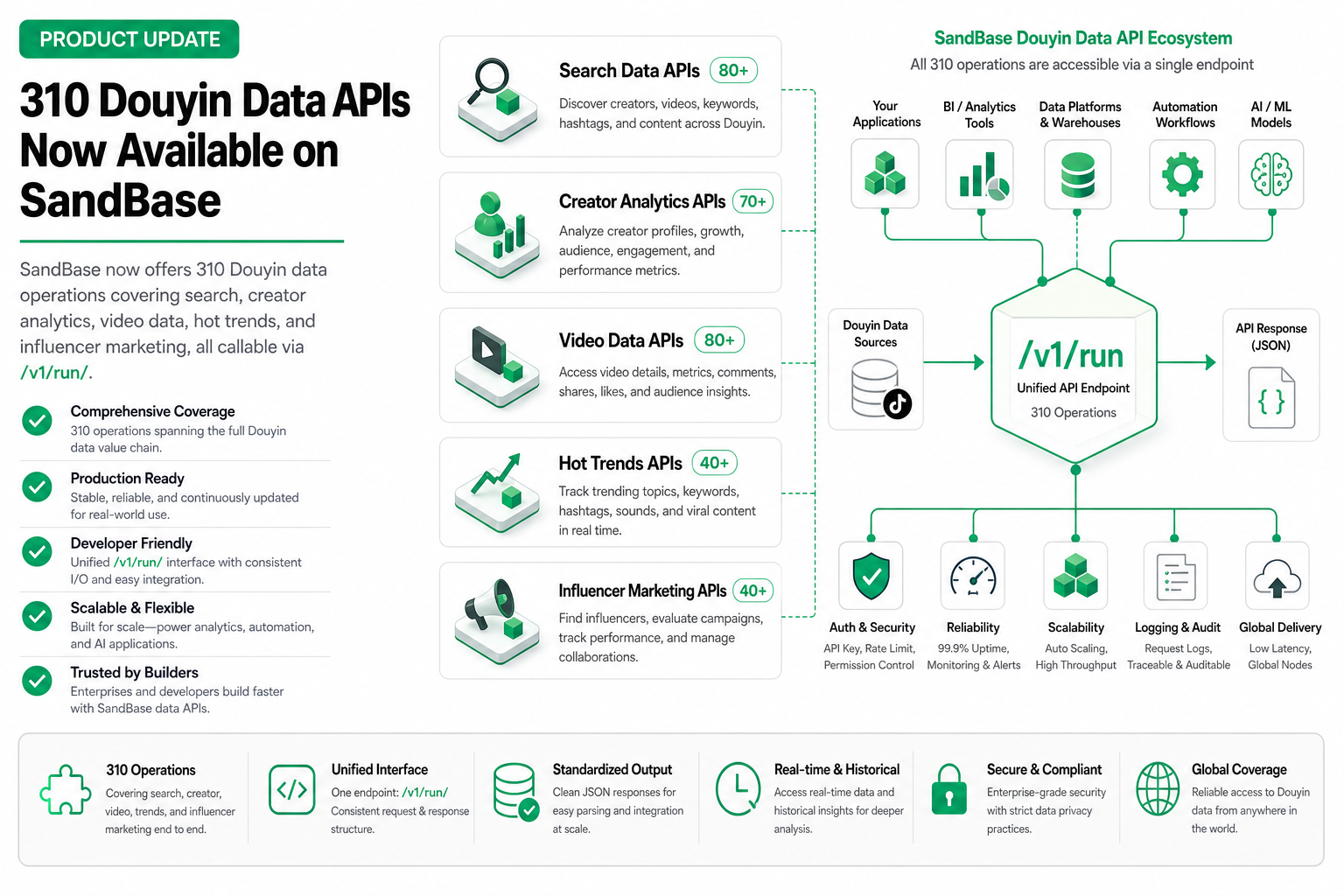
Douyin Data API on SandBase: 310 endpoints for search, creator analytics, video data, hot trends, and influencer marketing via one /v1/run integration.
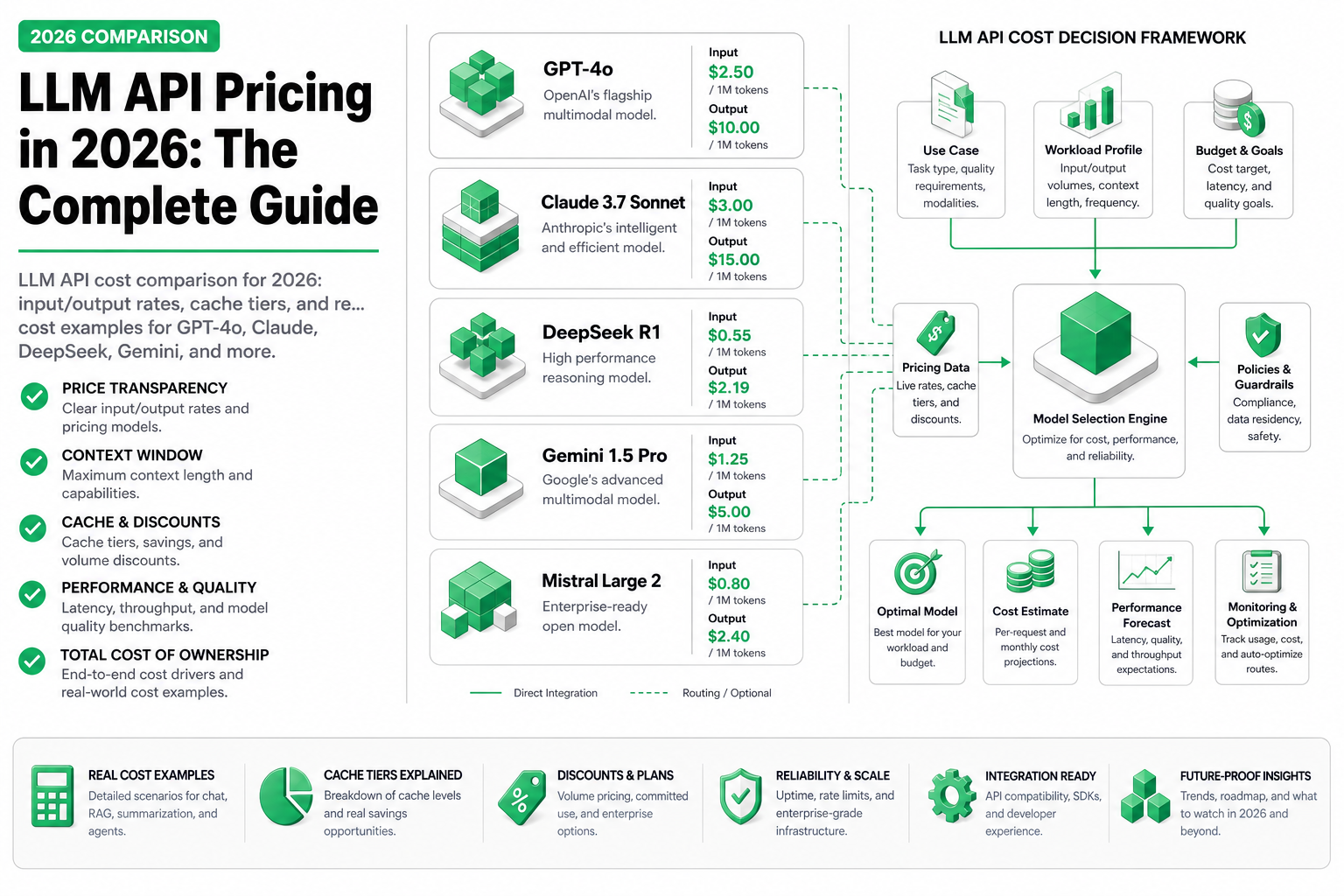
LLM API cost comparison for 2026: input/output rates, cache tiers, and real cost examples for GPT-4o, Claude, DeepSeek, Gemini, and more.
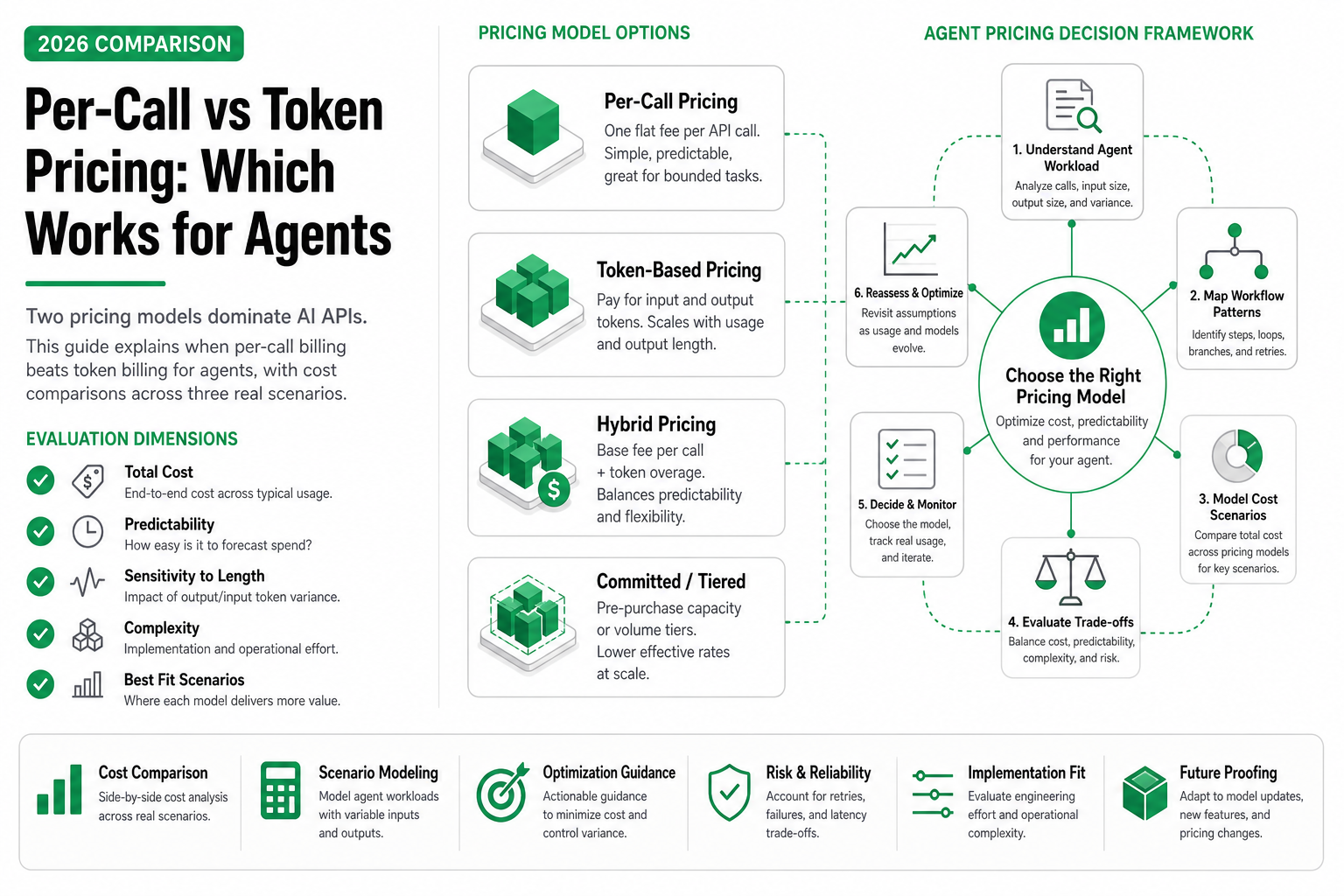
Two pricing models dominate AI APIs. This guide explains when per-call billing beats token billing for agents, with cost comparisons across three real scenarios.
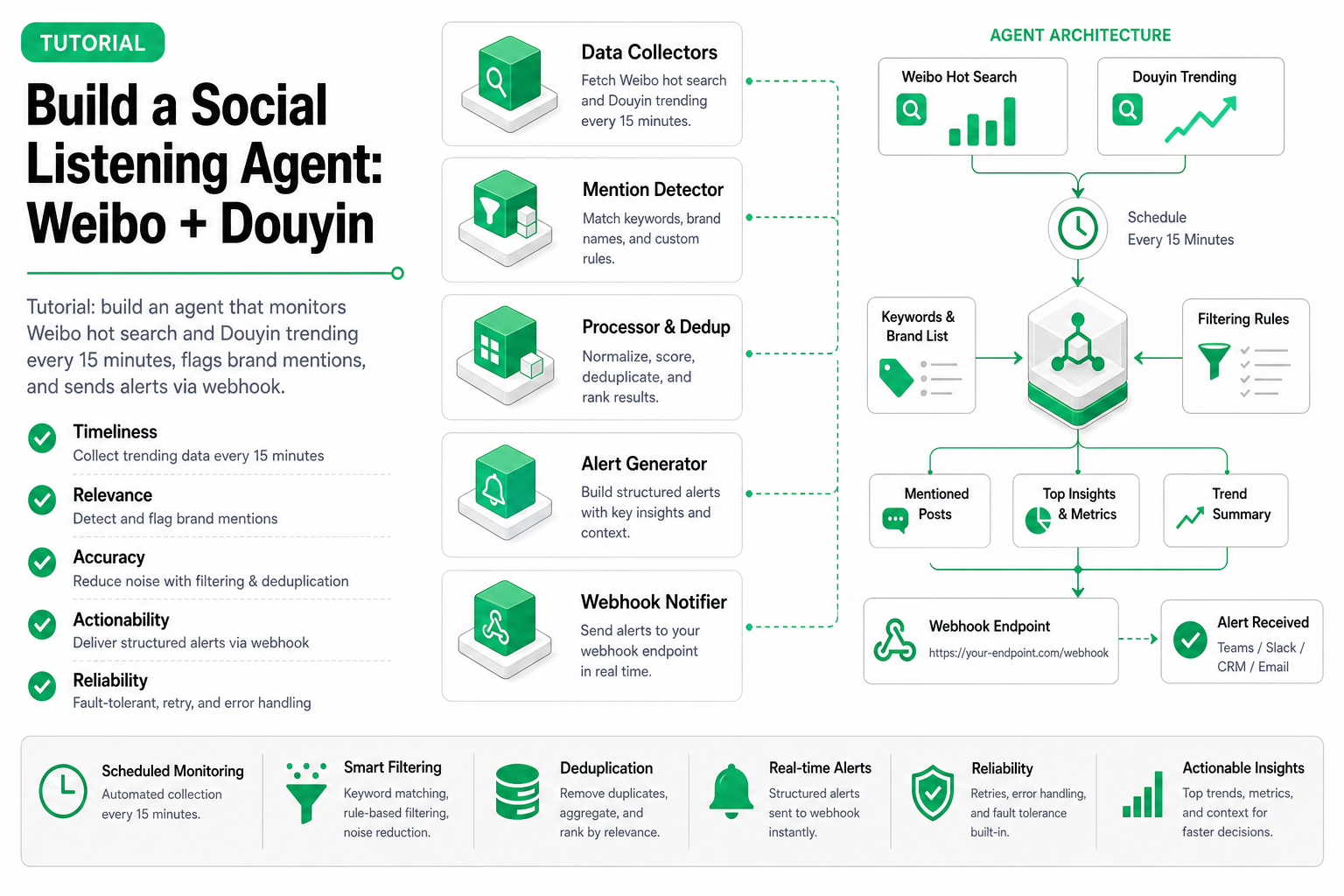
Tutorial: build an agent that monitors Weibo hot search and Douyin trending every 15 minutes, flags brand mentions, and sends alerts via webhook.
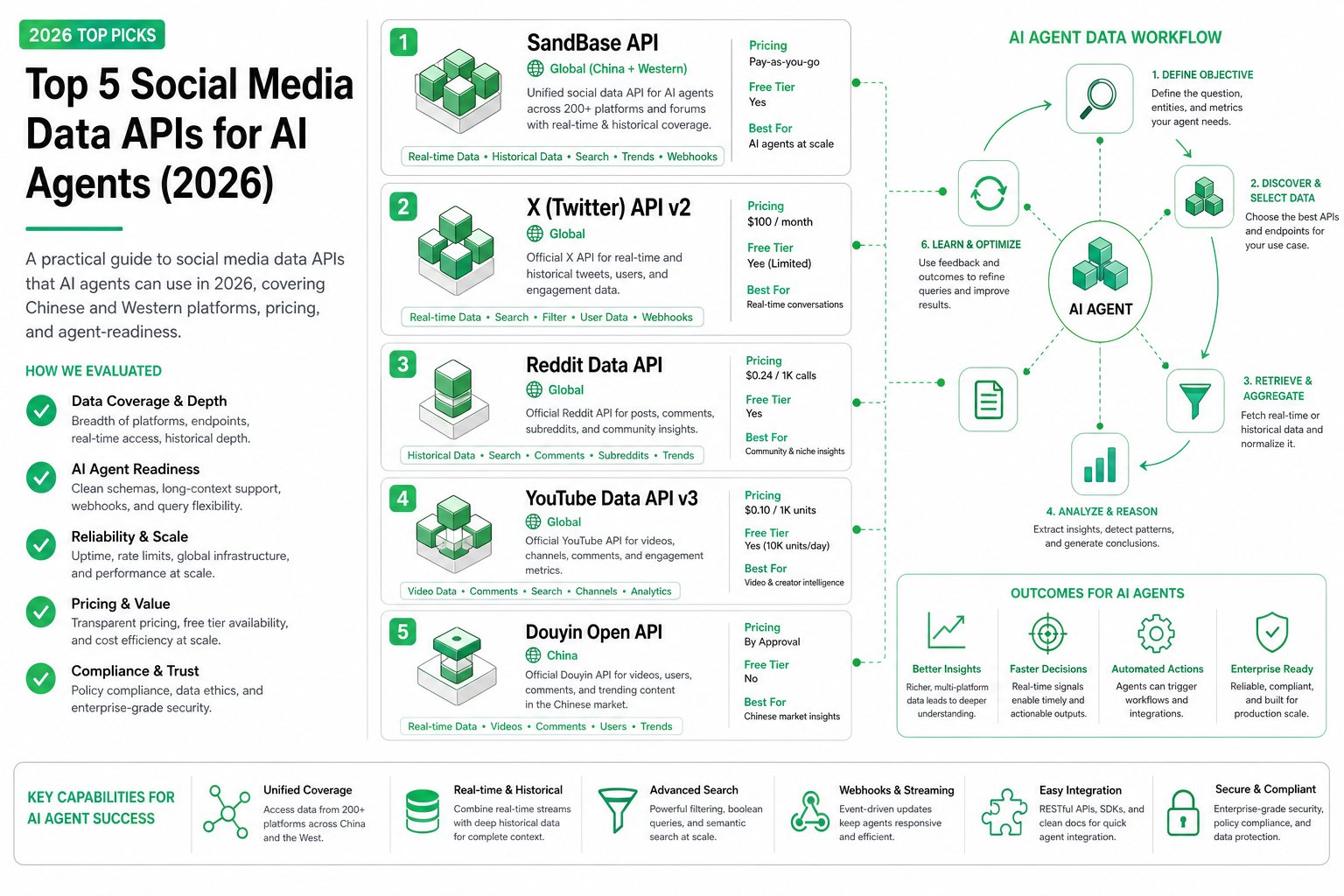
A practical guide to social media data APIs that AI agents can use in 2026, covering Chinese and Western platforms, pricing, and agent-readiness.
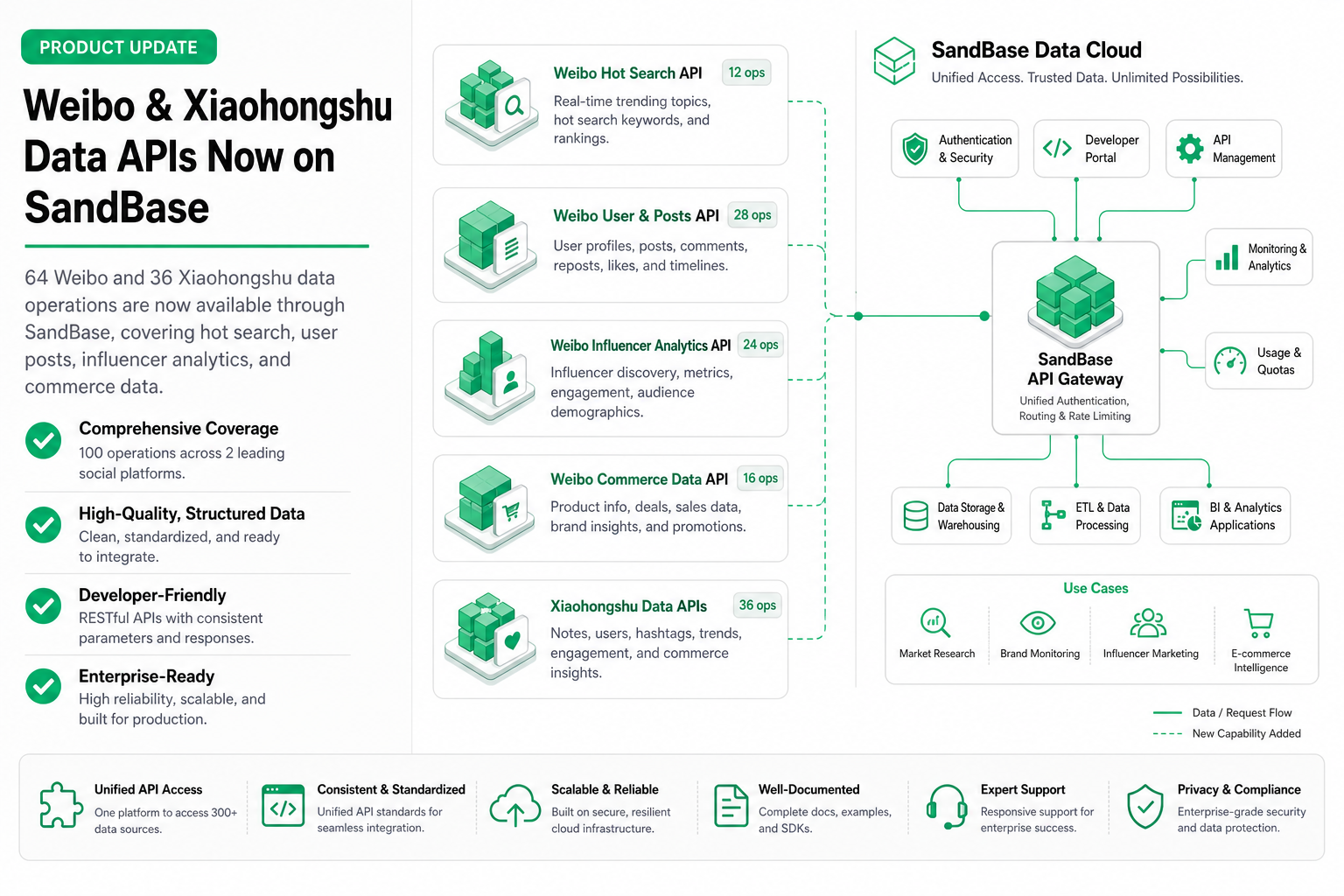
64 Weibo and 36 Xiaohongshu data operations are now available through SandBase, covering hot search, user posts, influencer analytics, and commerce data.
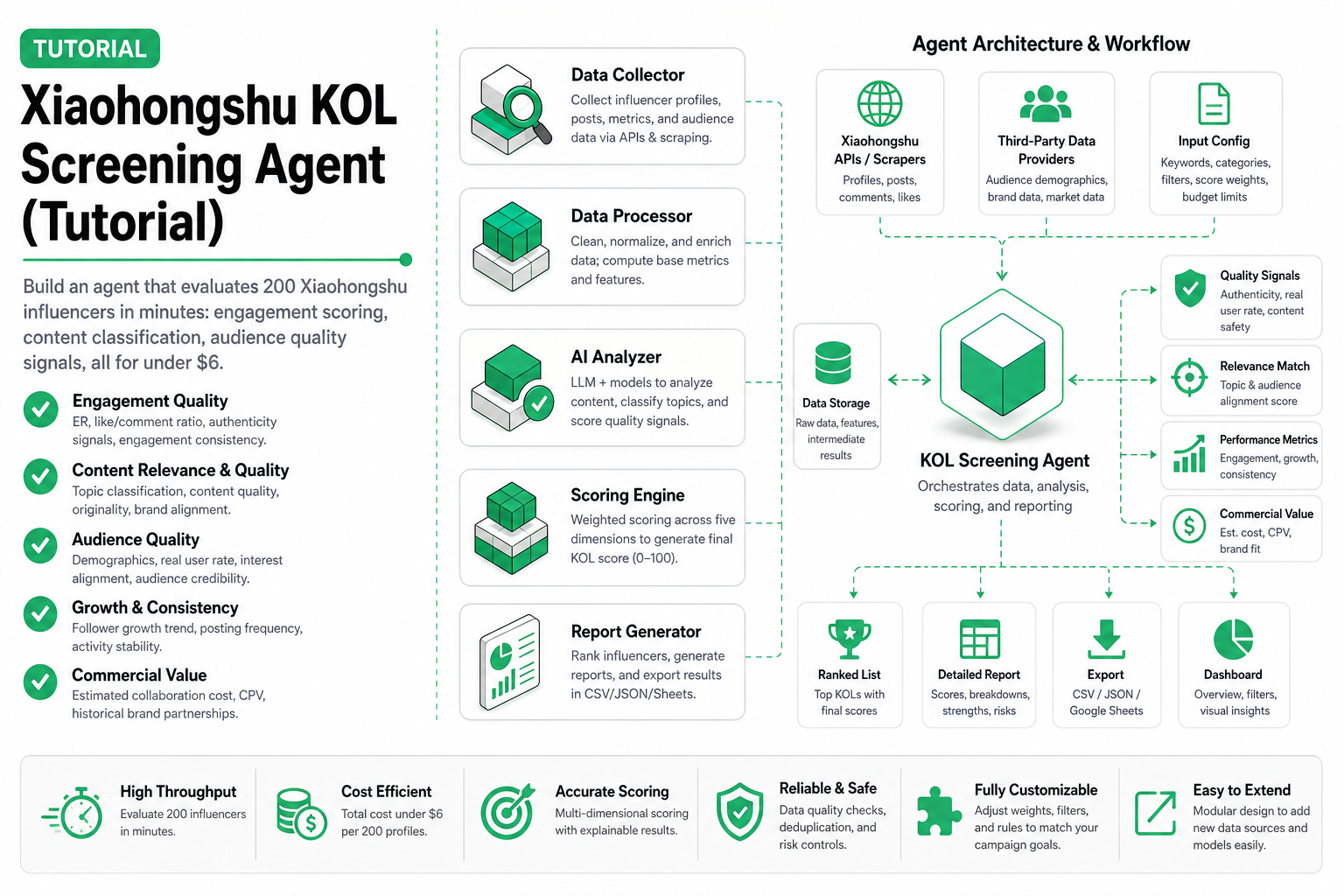
Build an agent that evaluates 200 Xiaohongshu influencers in minutes: engagement scoring, content classification, audience quality signals, all for under $6.
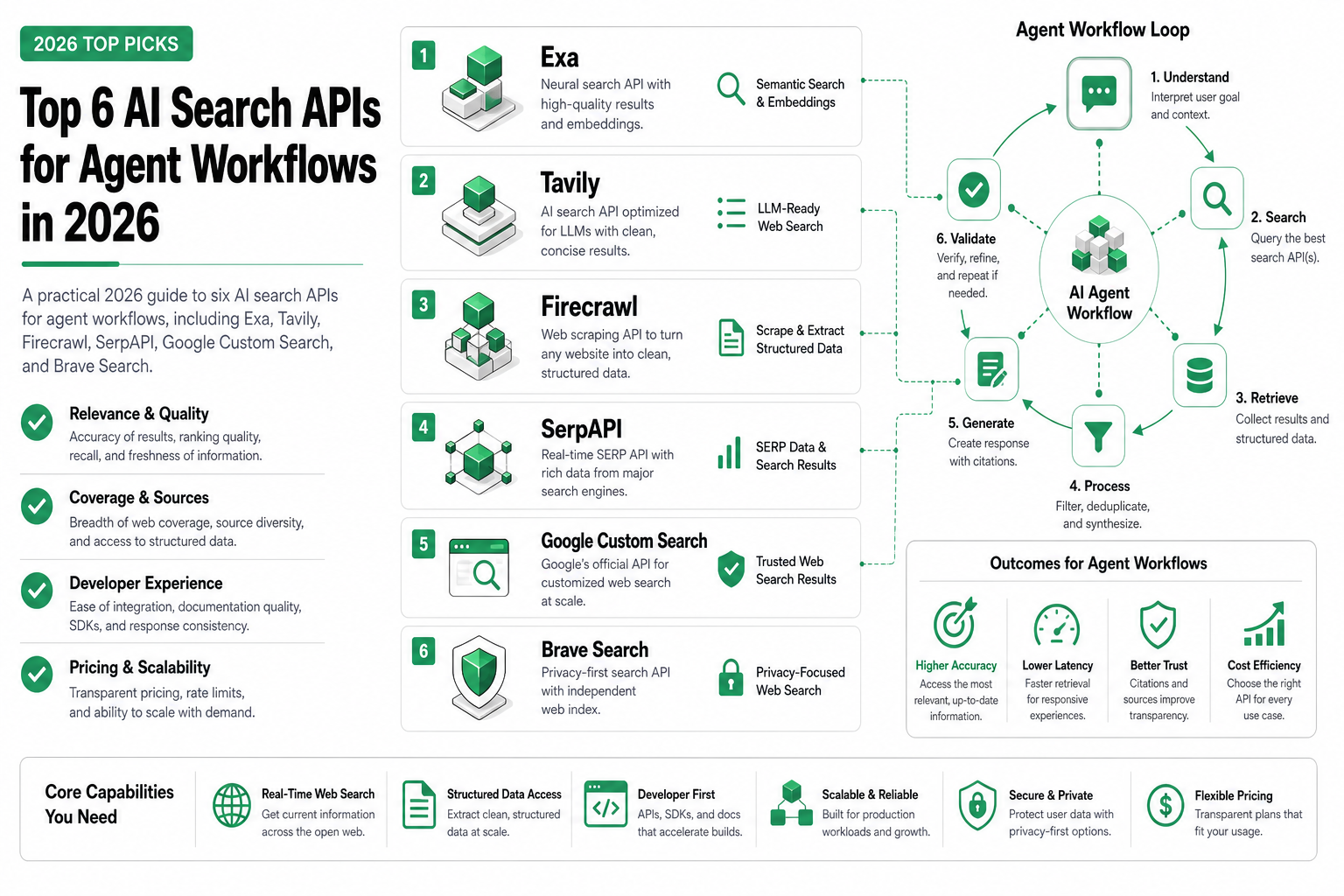
Best AI search APIs for agent workflows in 2026: compare Exa, Tavily, Firecrawl, SerpAPI, Google, and Brave on search quality, crawling, cost, and developer fit.
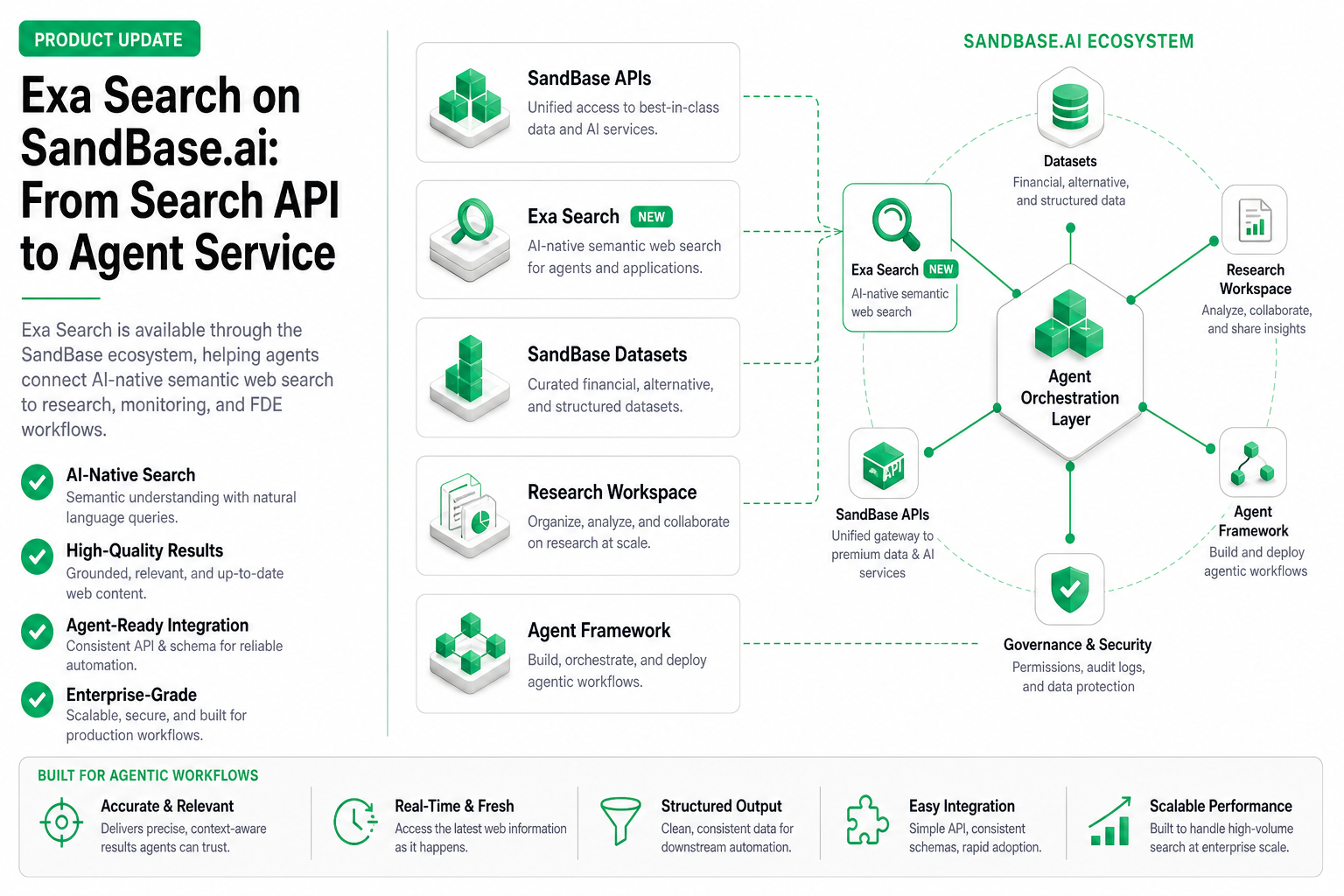
Exa Search is available through the SandBase ecosystem, helping agents connect AI-native semantic web search to research, monitoring, and FDE workflows.
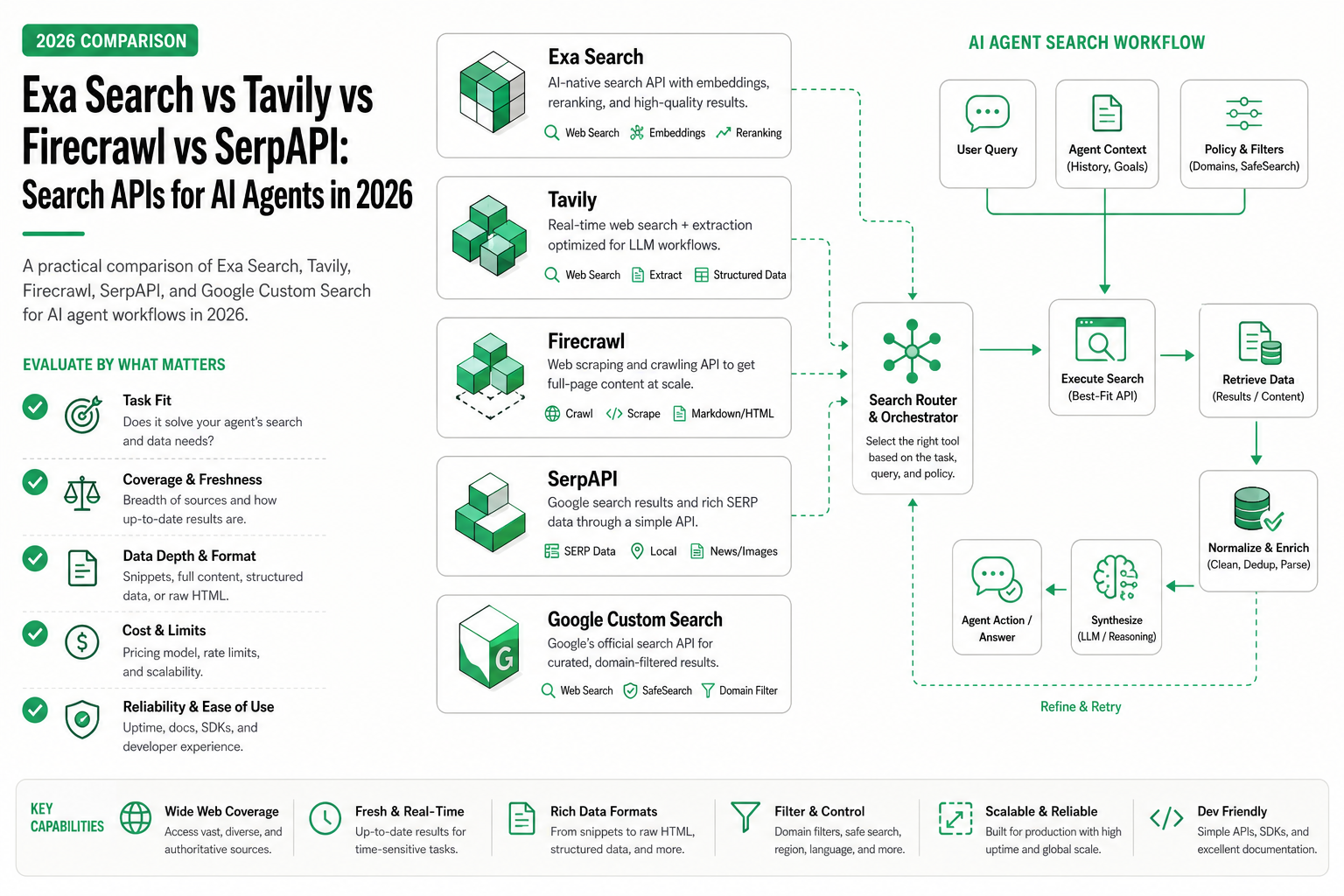
A practical comparison of Exa Search, Tavily, Firecrawl, SerpAPI, and Google Custom Search for AI agent workflows in 2026.
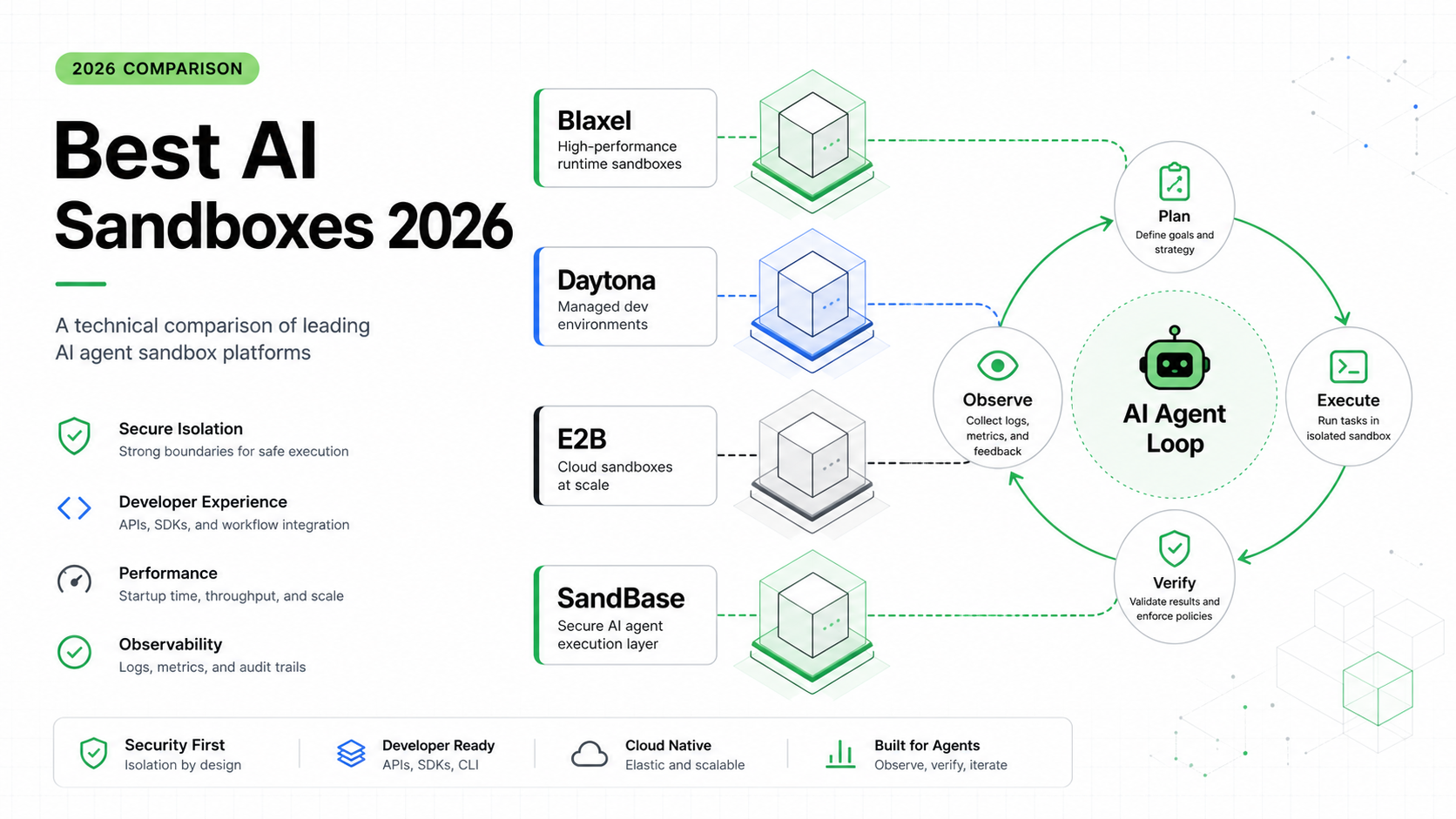
Ranked comparison of the best AI sandboxes for agent code execution in 2026. E2B, Daytona, Blaxel, and SandBase tested on features, pricing, and production readiness.
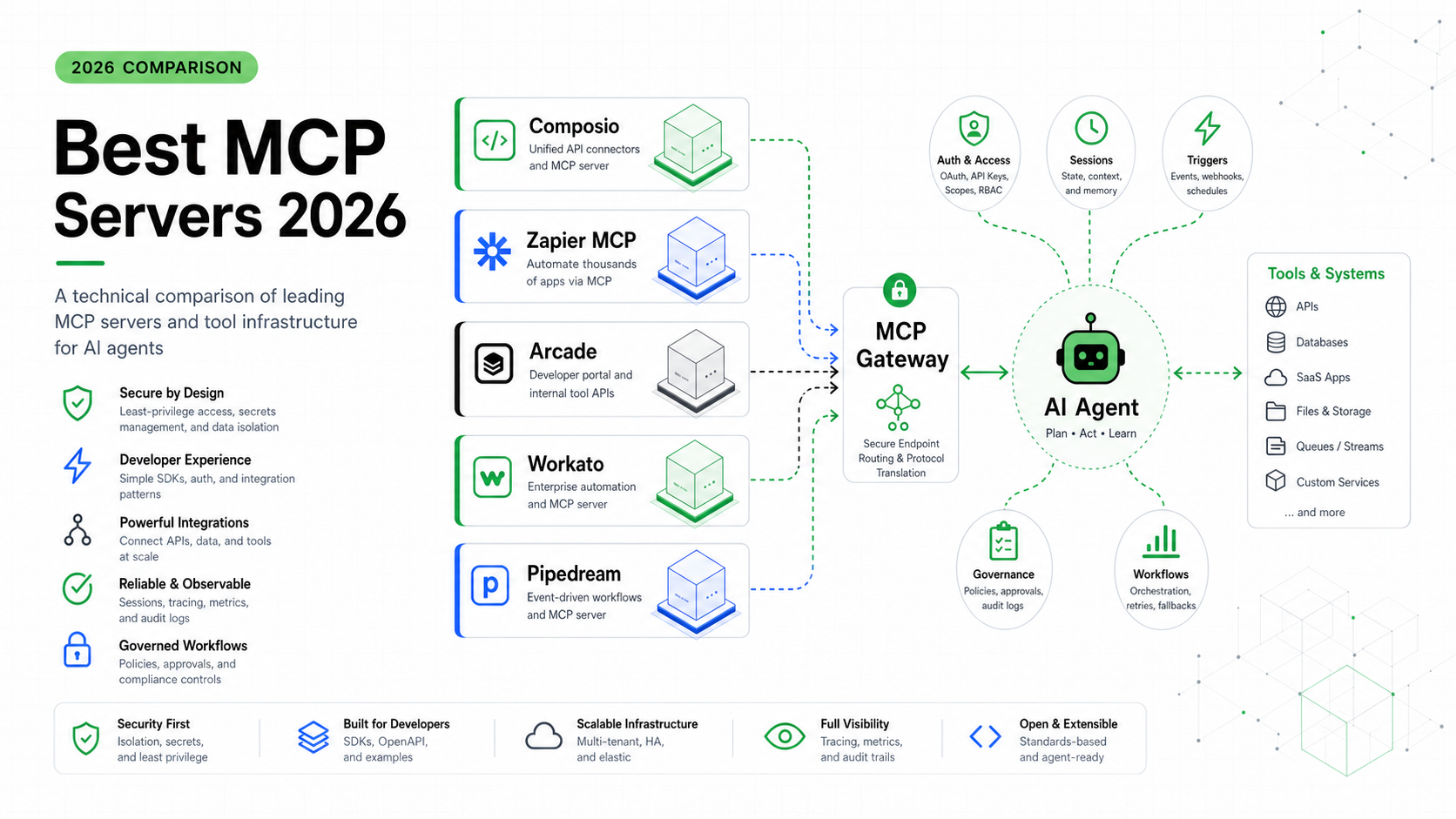
The 7 best MCP servers for AI agents in 2026, ranked. Composio, Zapier MCP, Arcade, Workato compared on tool count, latency, and agent compatibility.
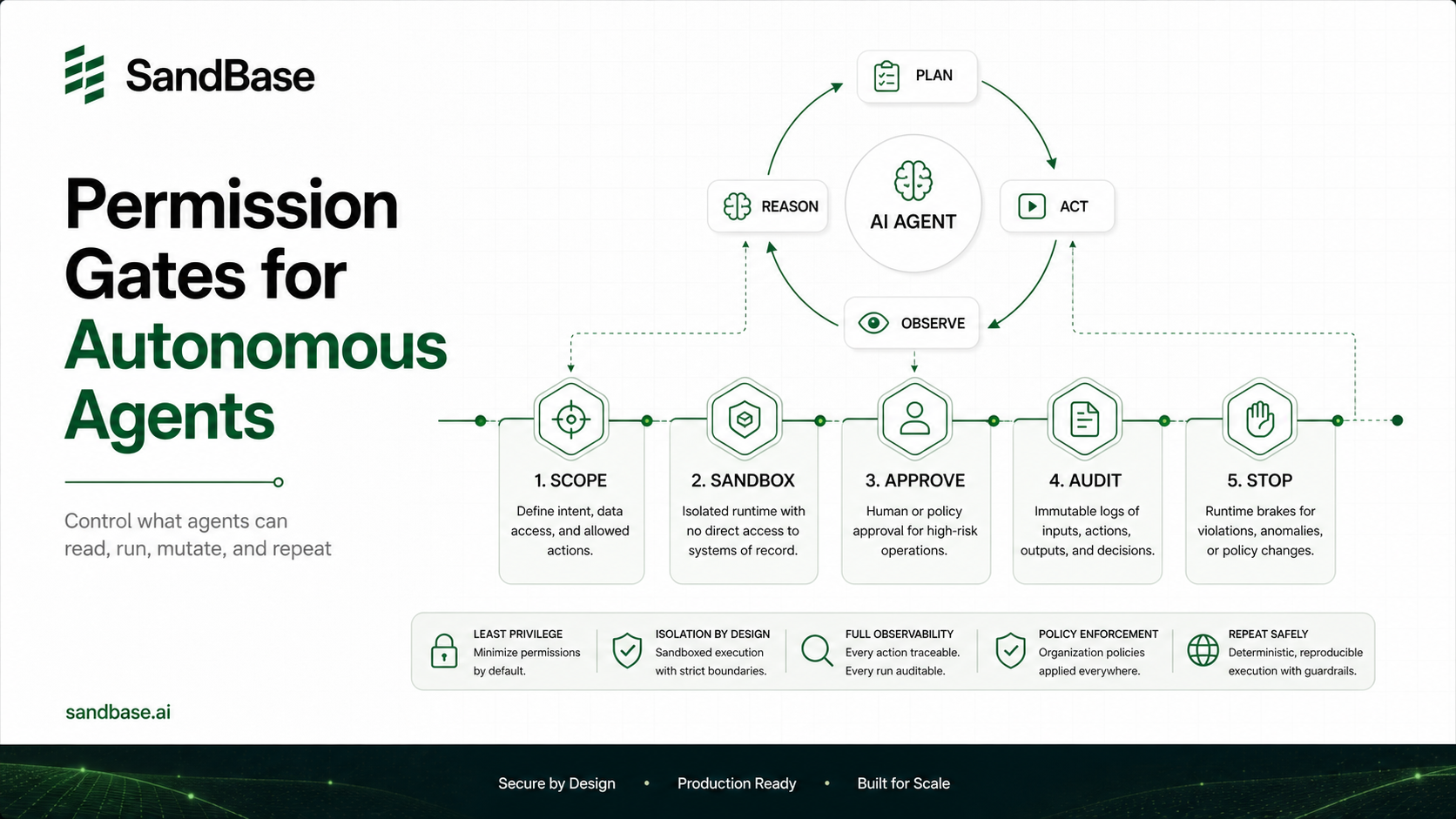
Pre-action authorization checks every AI agent tool call before it runs. Learn how to gate reads, writes, code execution, and loops.
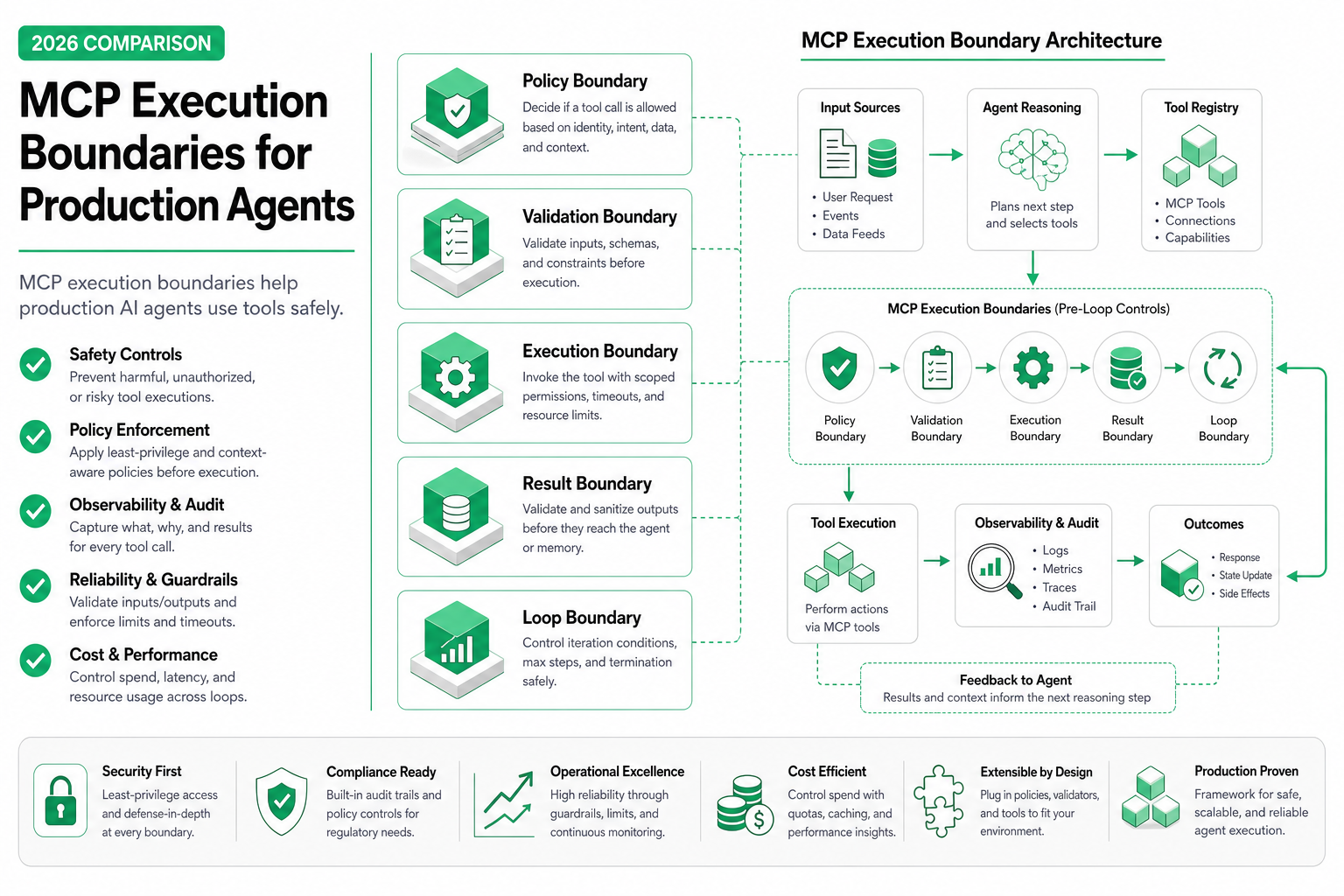
MCP execution boundaries help production AI agents use tools safely. Learn what to control after tools are connected and before loops run.
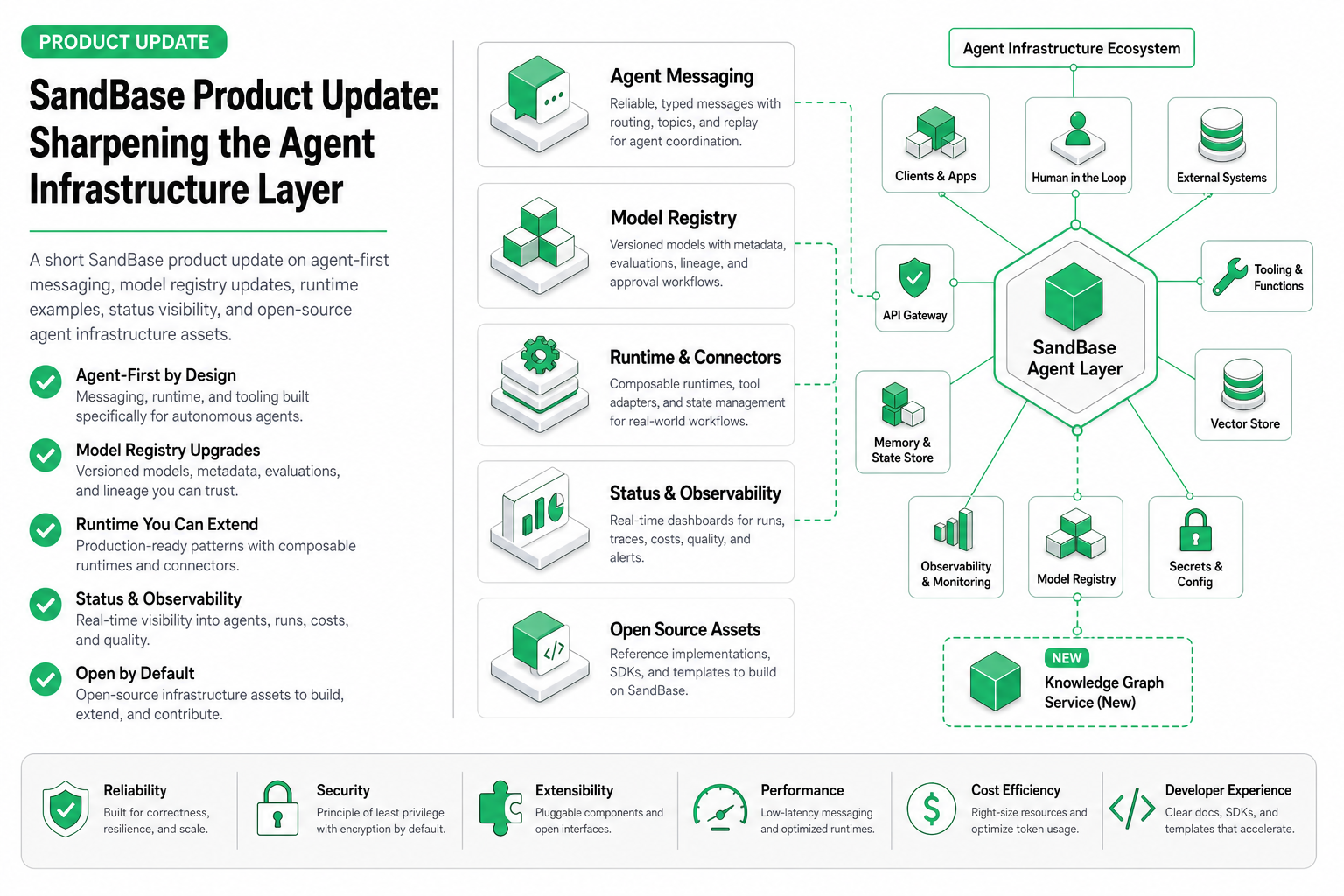
A short SandBase product update on agent-first messaging, model registry updates, runtime examples, status visibility, and open-source agent infrastructure assets.
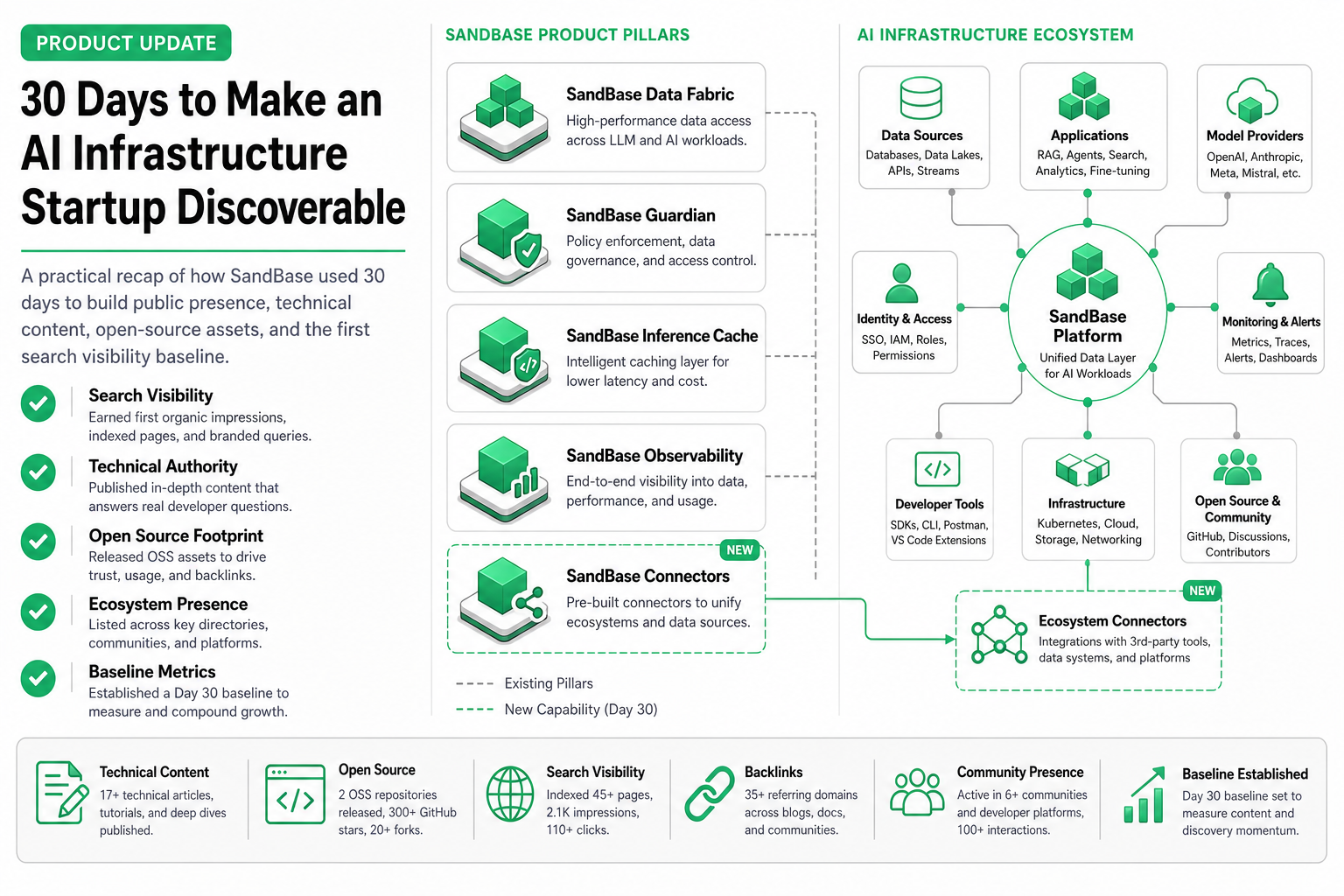
A practical recap of how SandBase used 30 days to build public presence, technical content, open-source assets, and the first search visibility baseline.
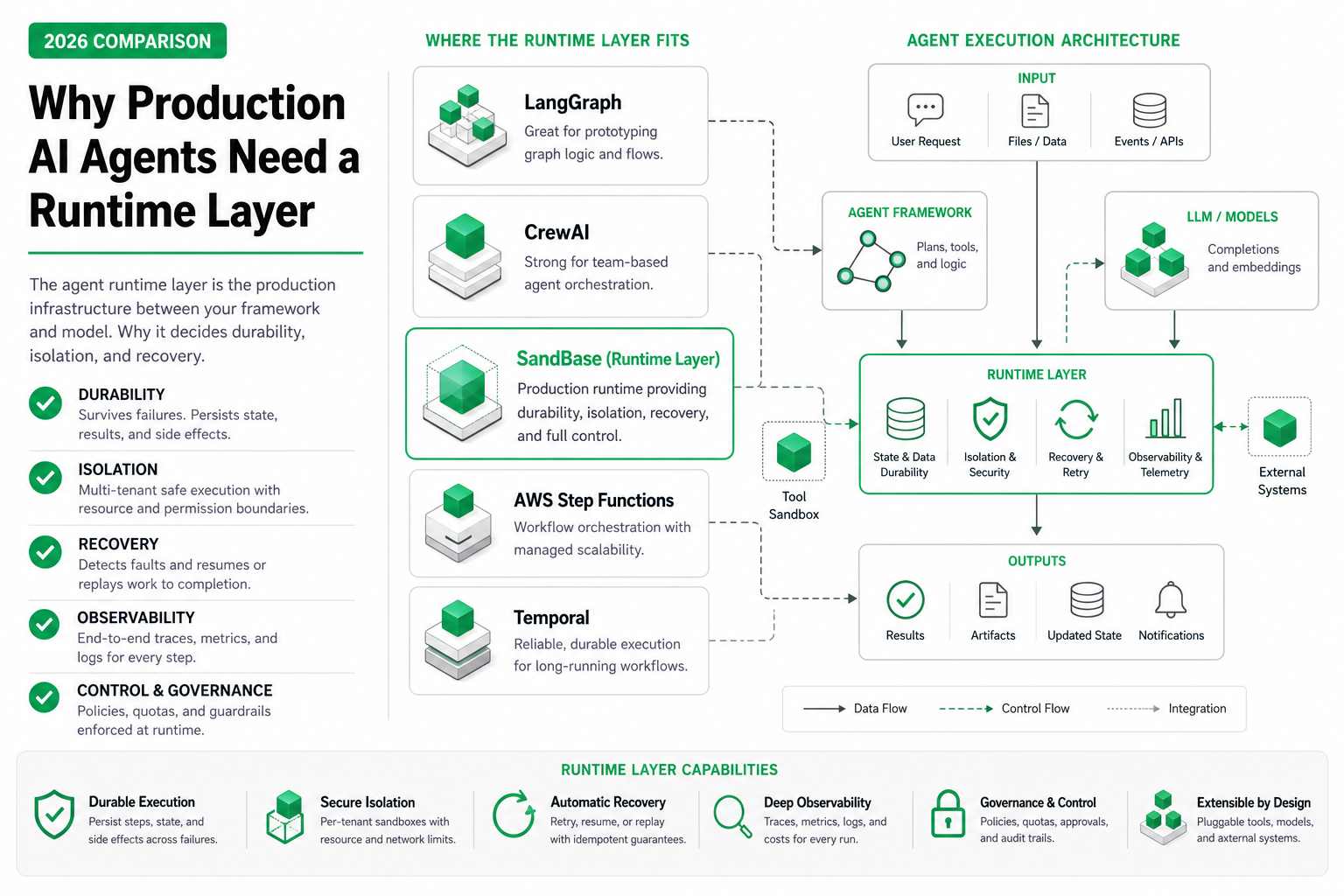
The agent runtime layer is the production infrastructure between your framework and model. Why it decides durability, isolation, and recovery.
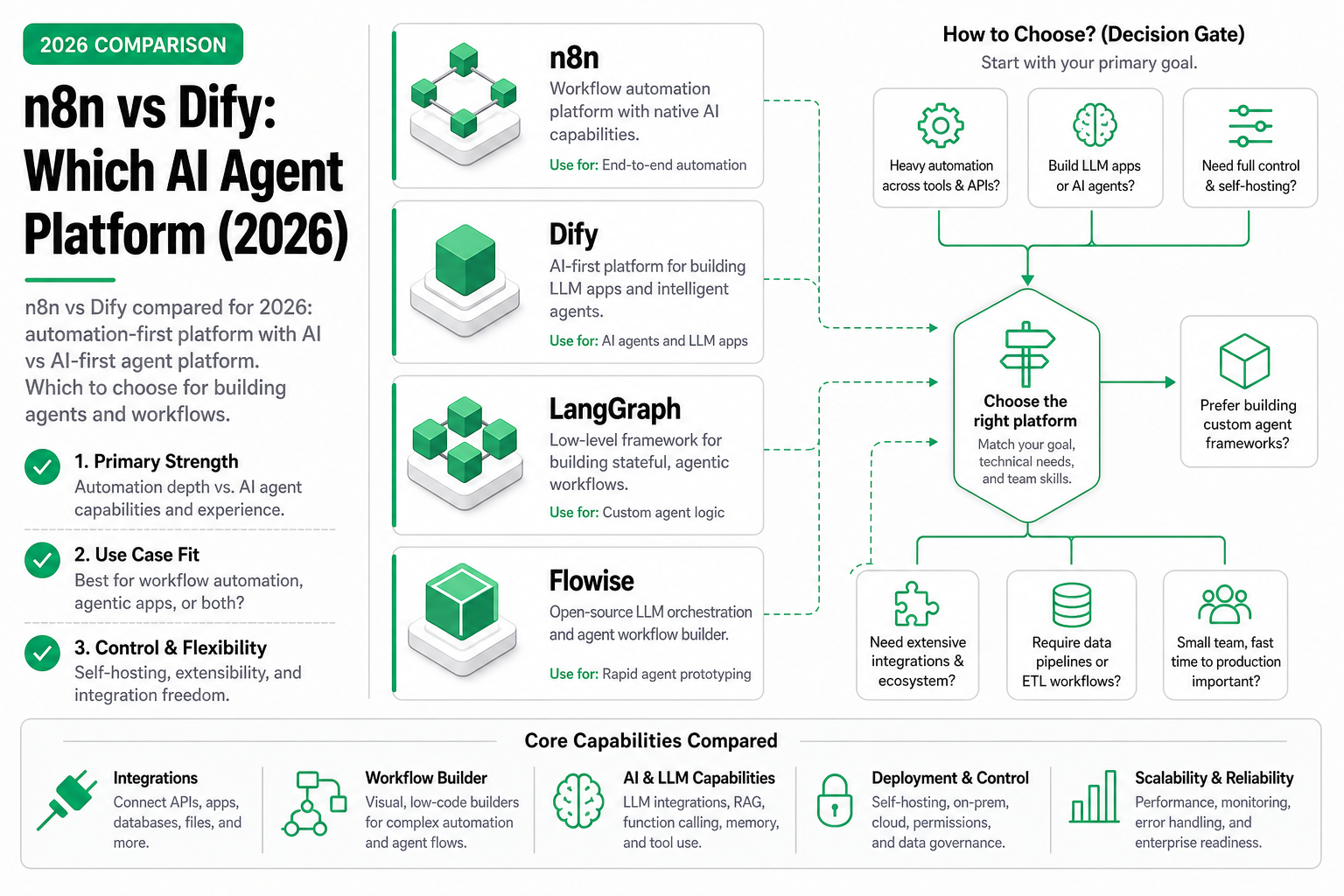
n8n vs Dify compared for 2026: automation-first platform with AI vs AI-first agent platform. Which to choose for building agents and workflows.
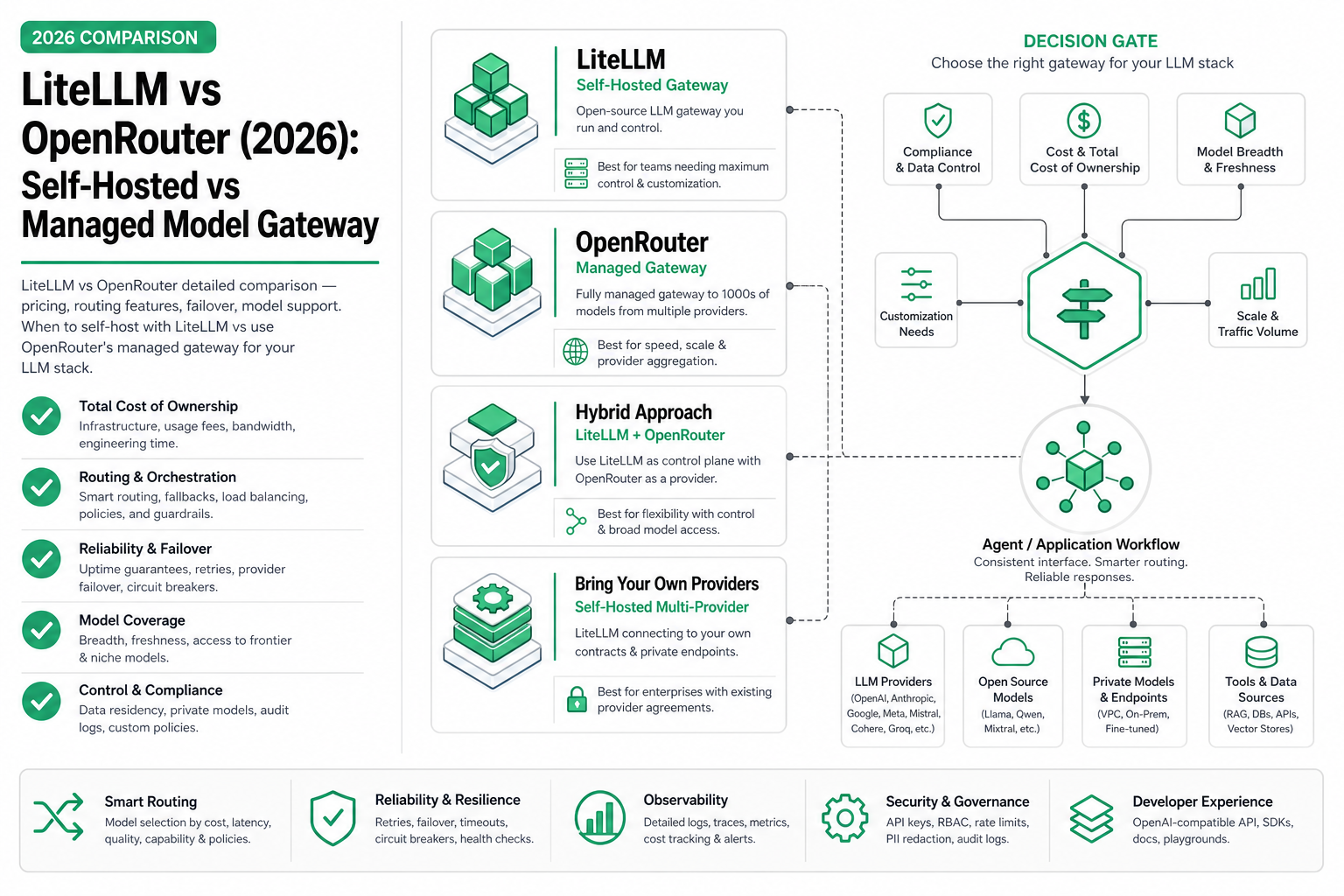
LiteLLM vs OpenRouter: self-hosted proxy vs managed gateway. We compare pricing, failover, model coverage, and latency to help you pick the right LLM router.
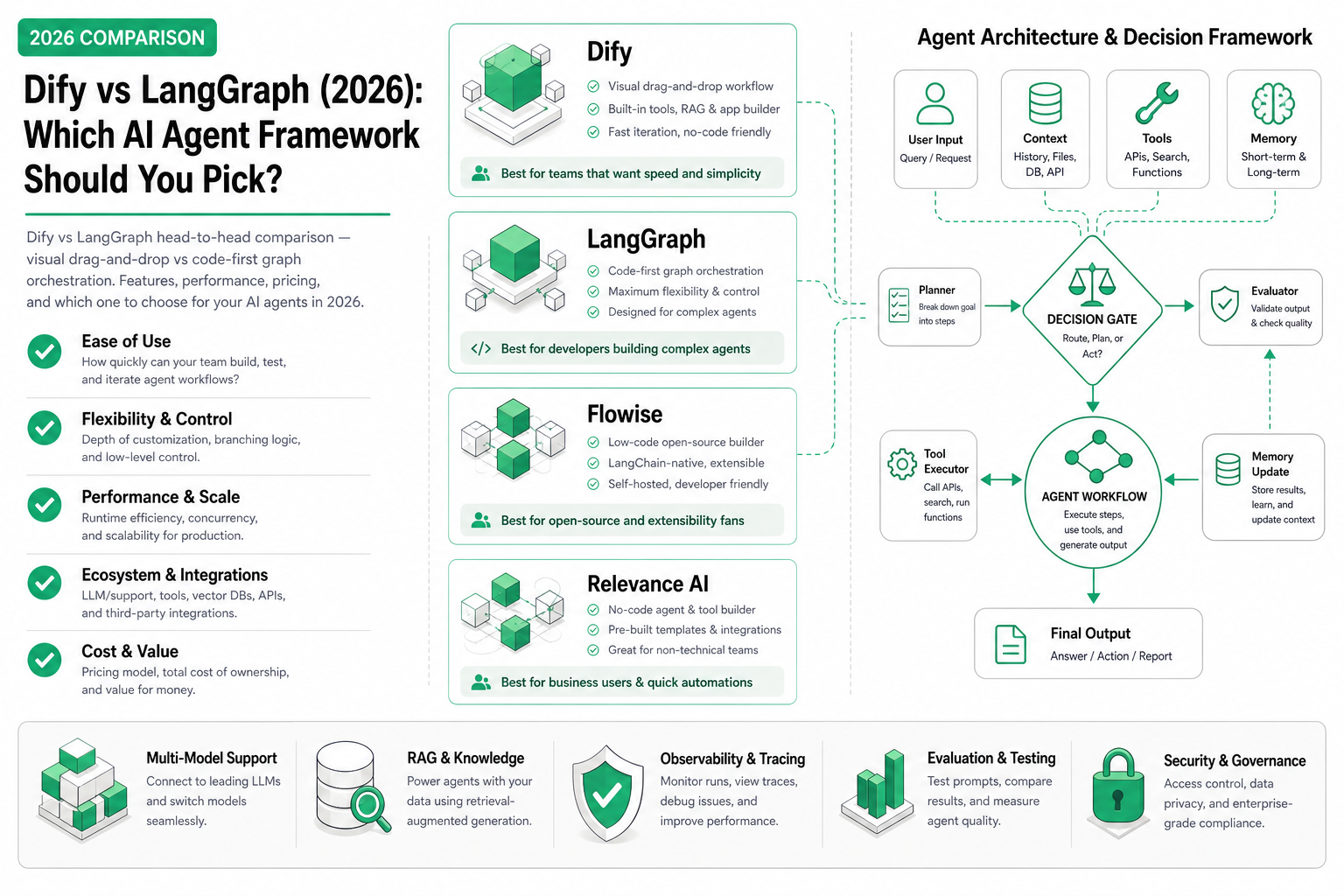
Dify vs LangGraph head-to-head comparison - visual drag-and-drop vs code-first graph orchestration. Features, performance, pricing, and which one to choose for your AI agents in 2026.
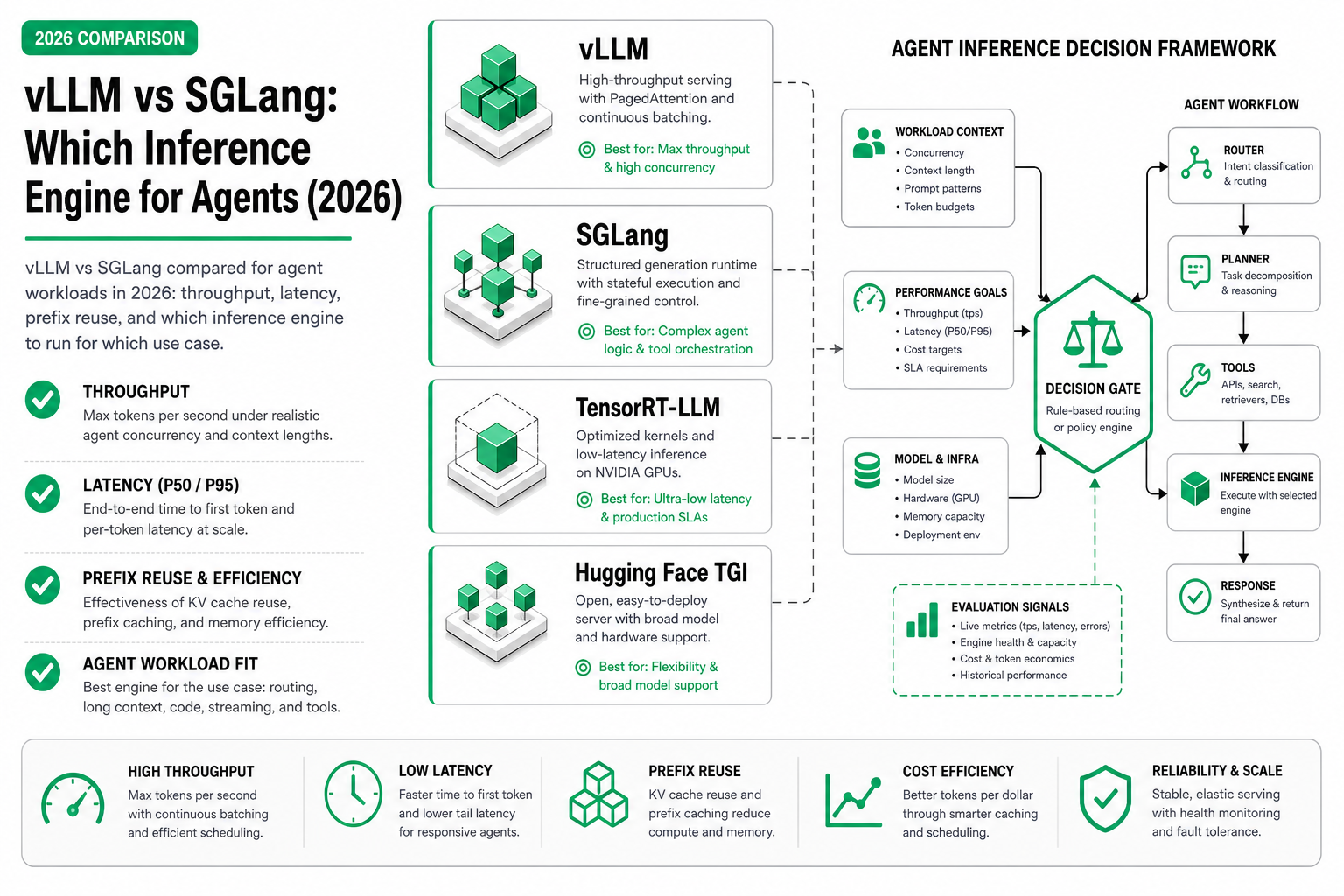
vLLM vs SGLang (2026) comparison for LLM serving and AI agents: which is better for throughput, latency, prefix caching, OpenAI API compatibility, and deployment fit?
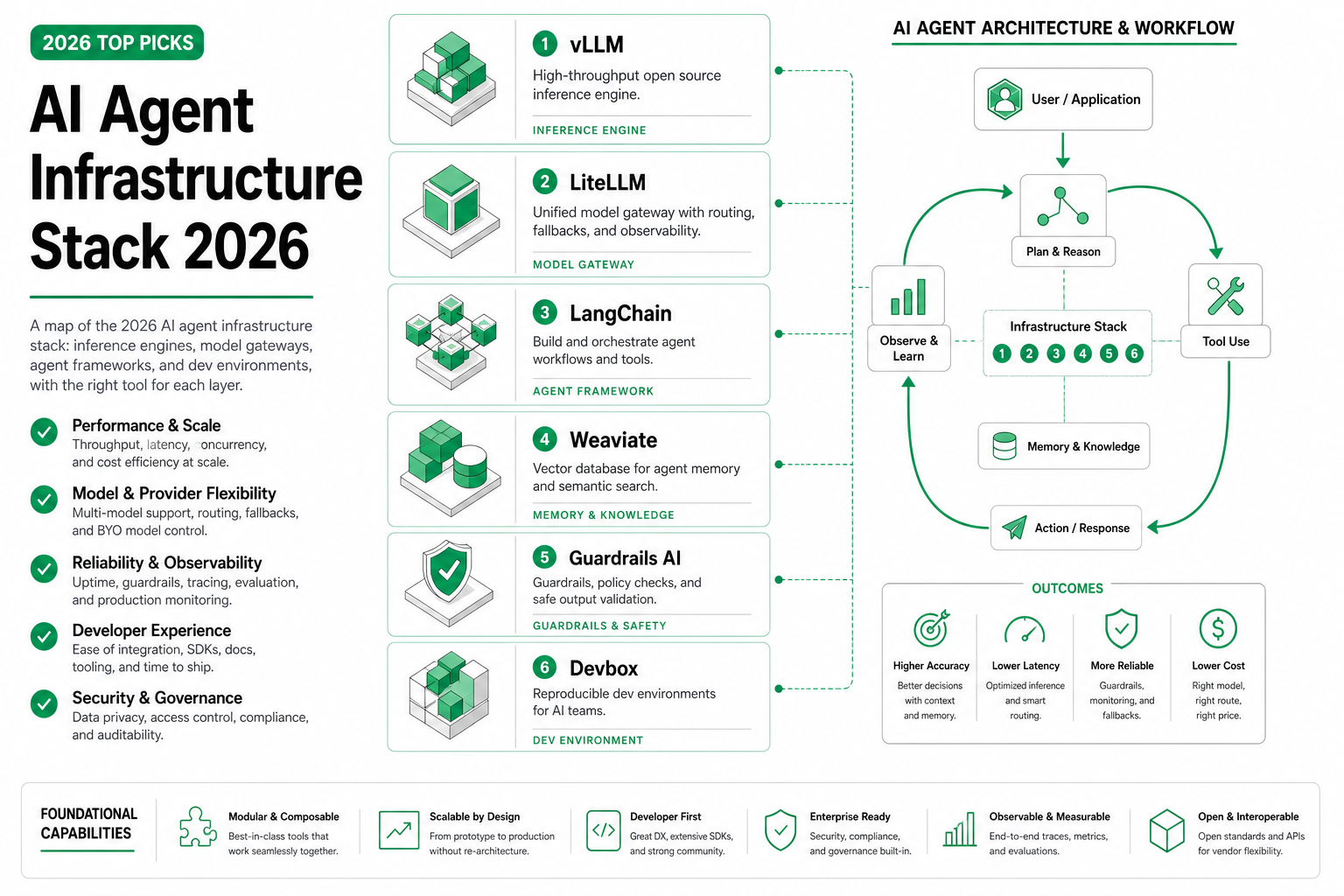
A map of the 2026 AI agent infrastructure stack: inference engines, model gateways, agent frameworks, and dev environments, with the right tool for each layer.
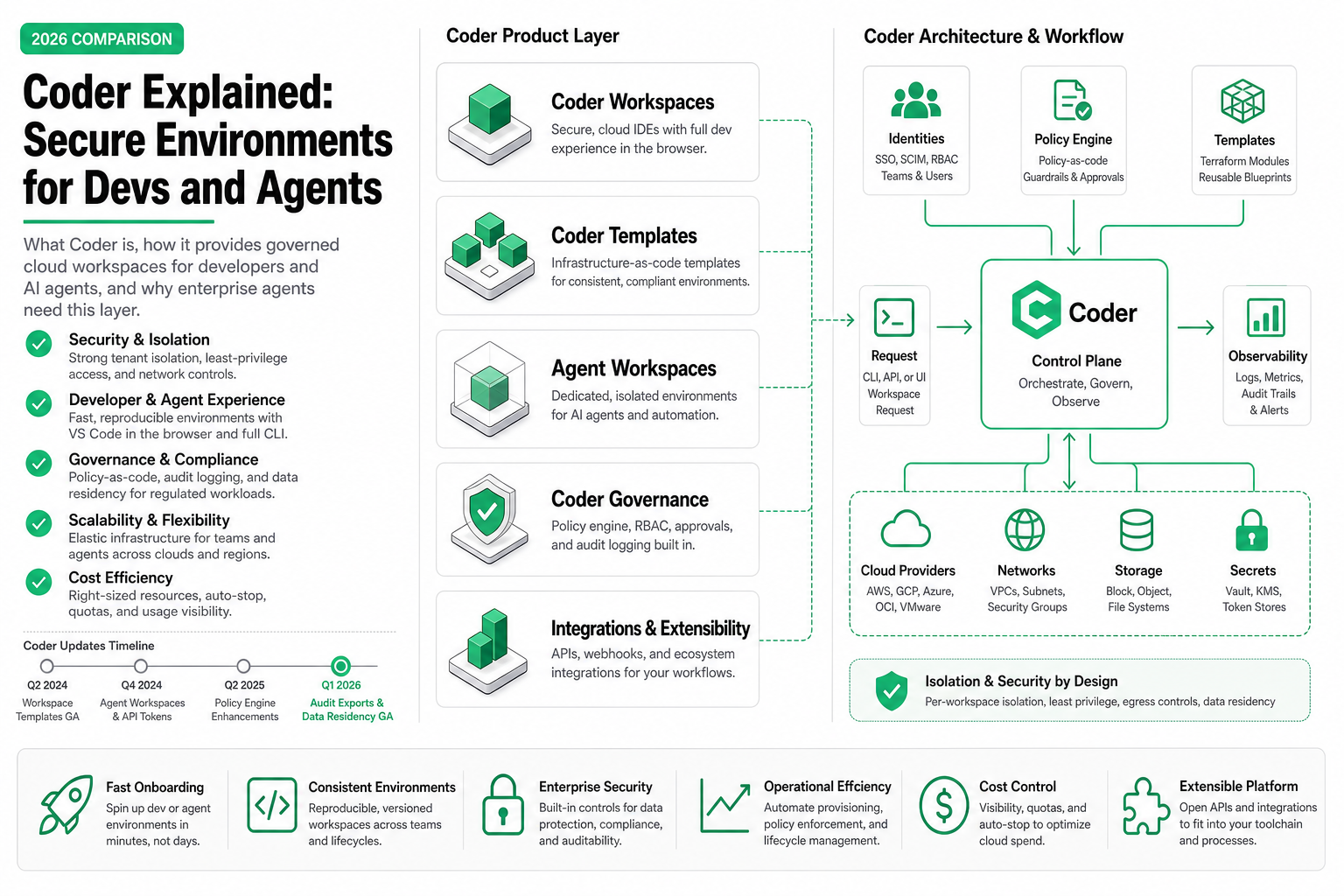
What Coder is, how it provides governed cloud workspaces for developers and AI agents, and why enterprise agents need this layer.
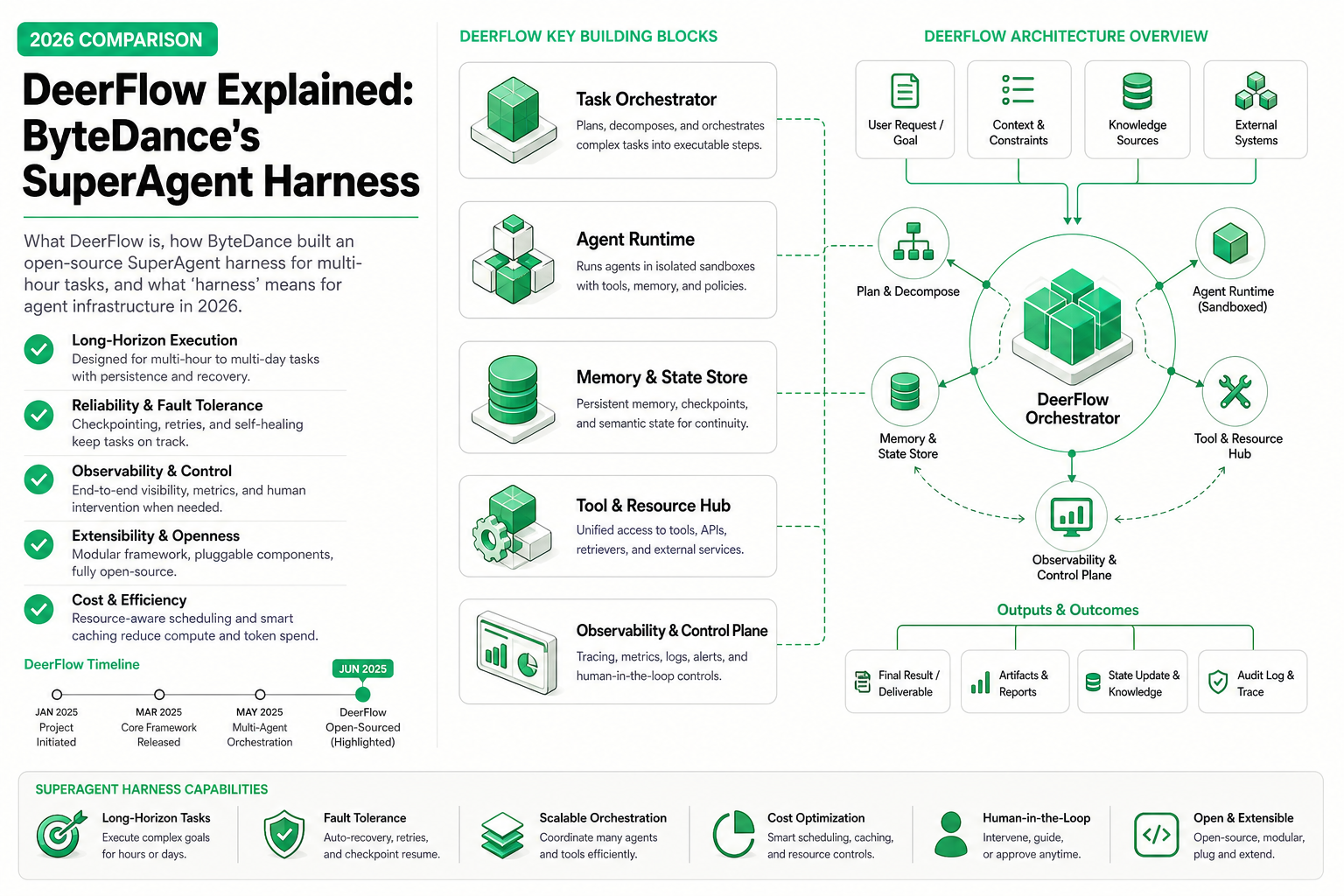
What DeerFlow is, how ByteDance built an open-source SuperAgent harness for multi-hour tasks, and what 'harness' means for agent infrastructure in 2026.
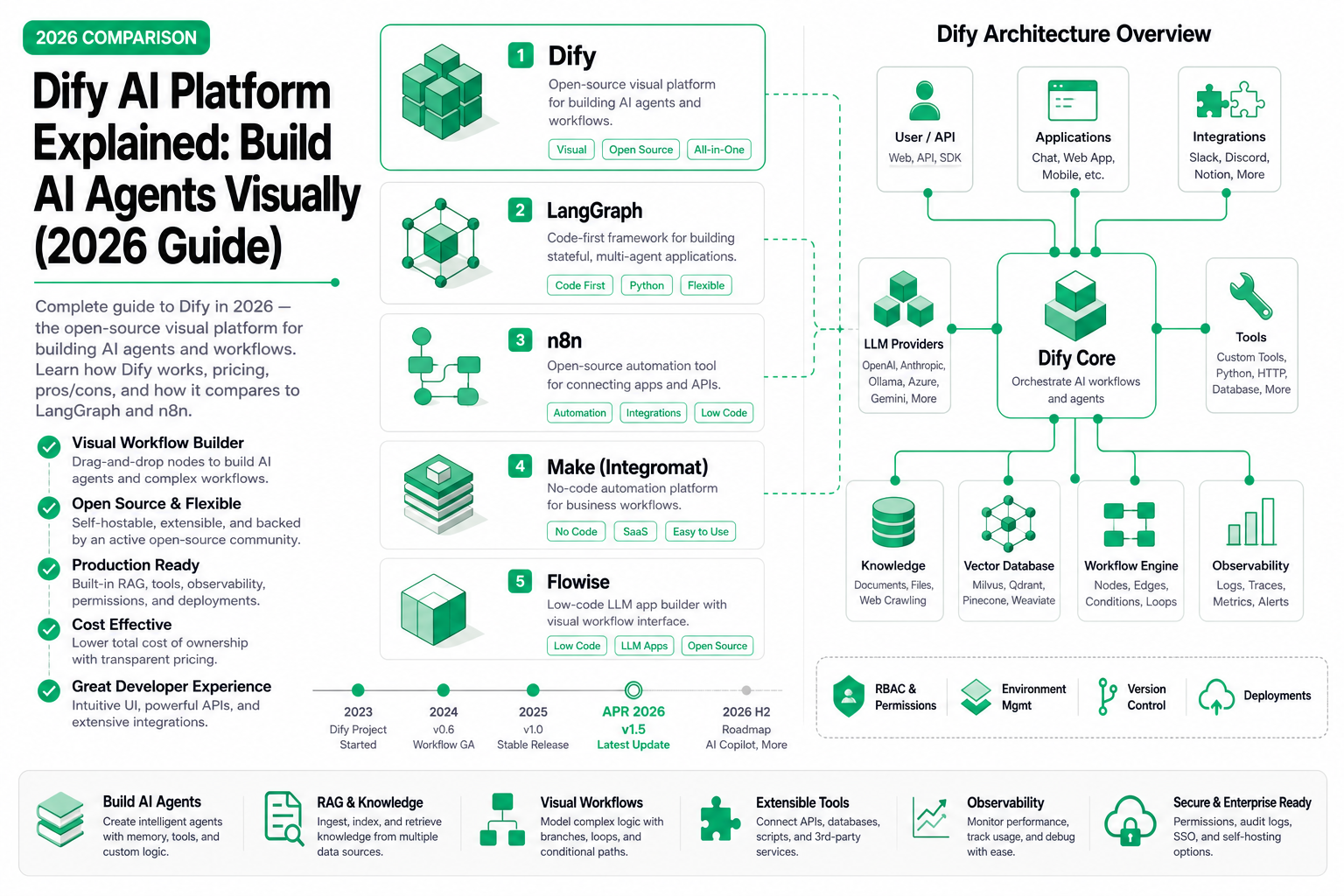
Dify AI explained: pricing, self-hosting, architecture, limits, and comparisons with LangGraph and n8n - plus when to use it in production.
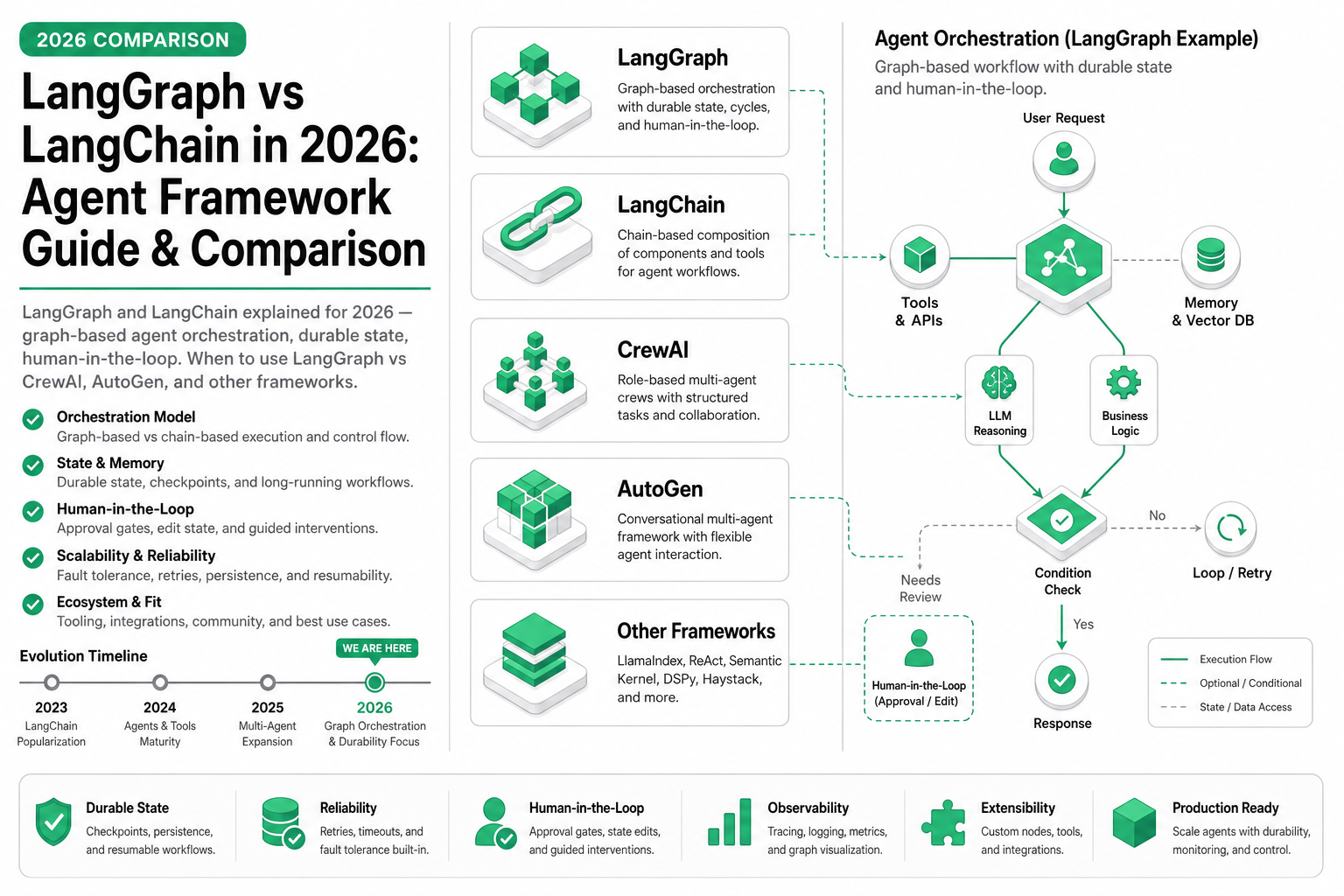
LangChain vs LangGraph compared for agent development in 2026. When to use chains vs graphs, state management, human-in-the-loop, and migration paths.
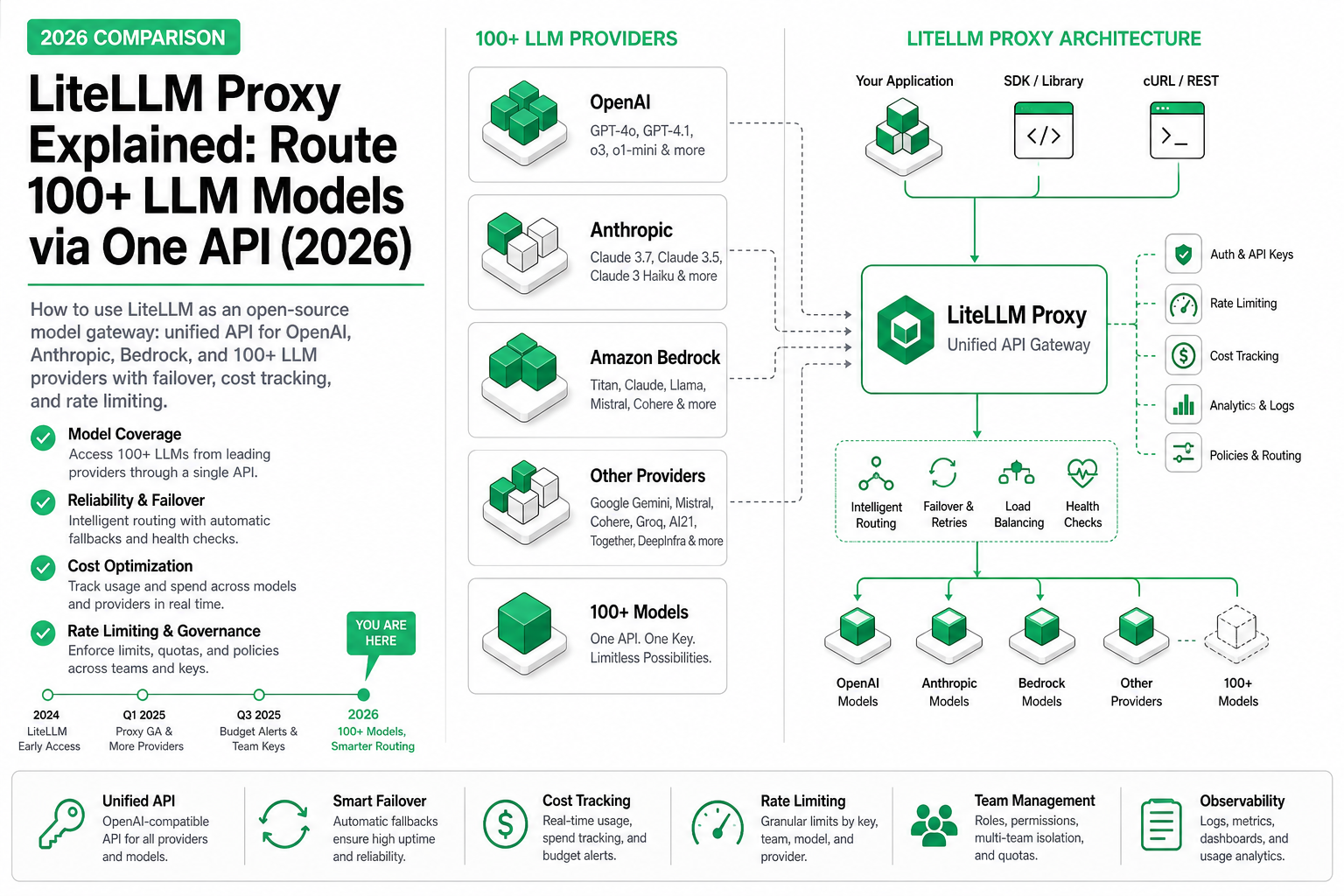
LiteLLM is an open-source LLM proxy that unifies 100+ providers behind one API. Setup guide, failover, cost tracking, and when LiteLLM beats managed alternatives.
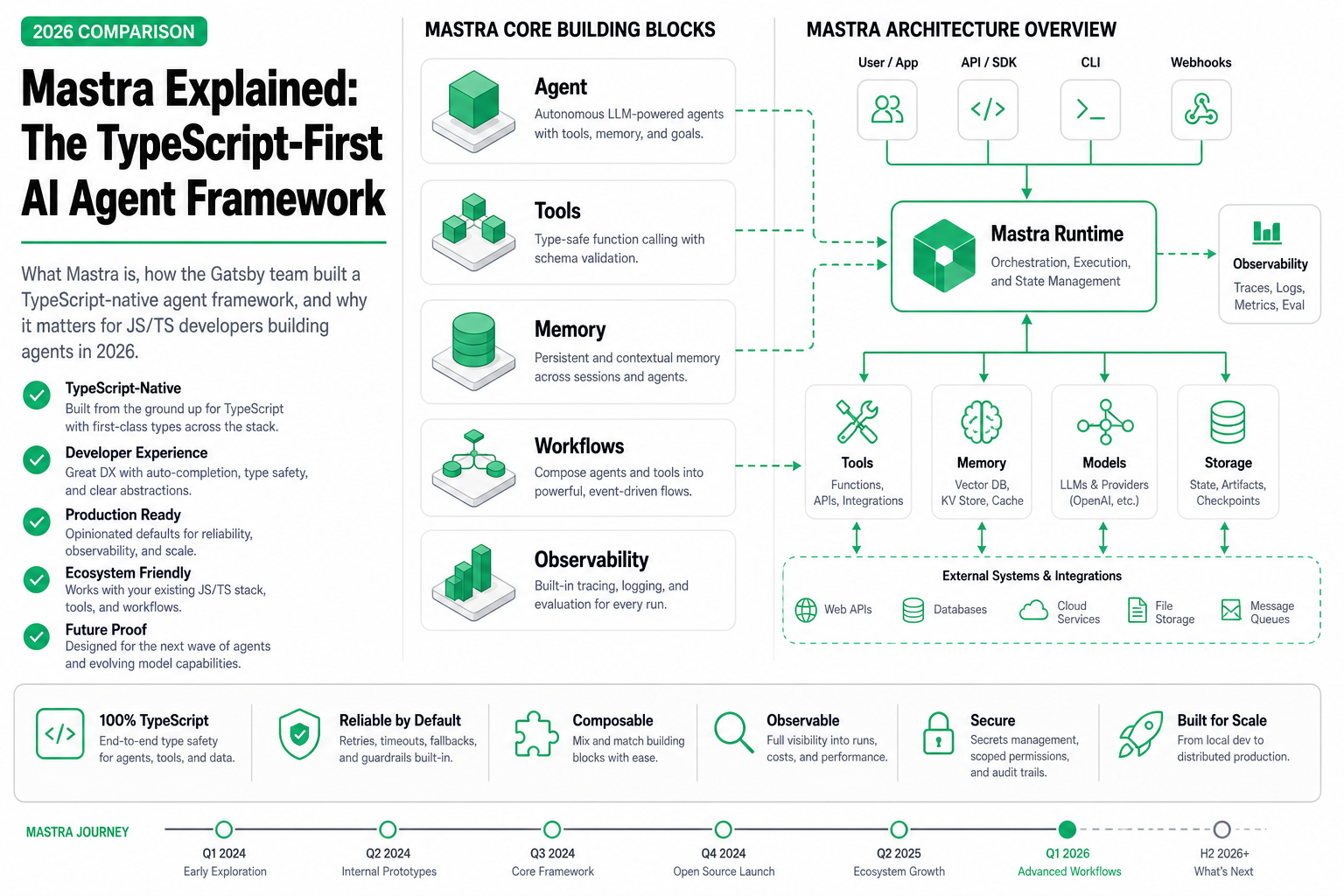
What Mastra is, how the Gatsby team built a TypeScript-native agent framework, and why it matters for JS/TS developers building agents in 2026.
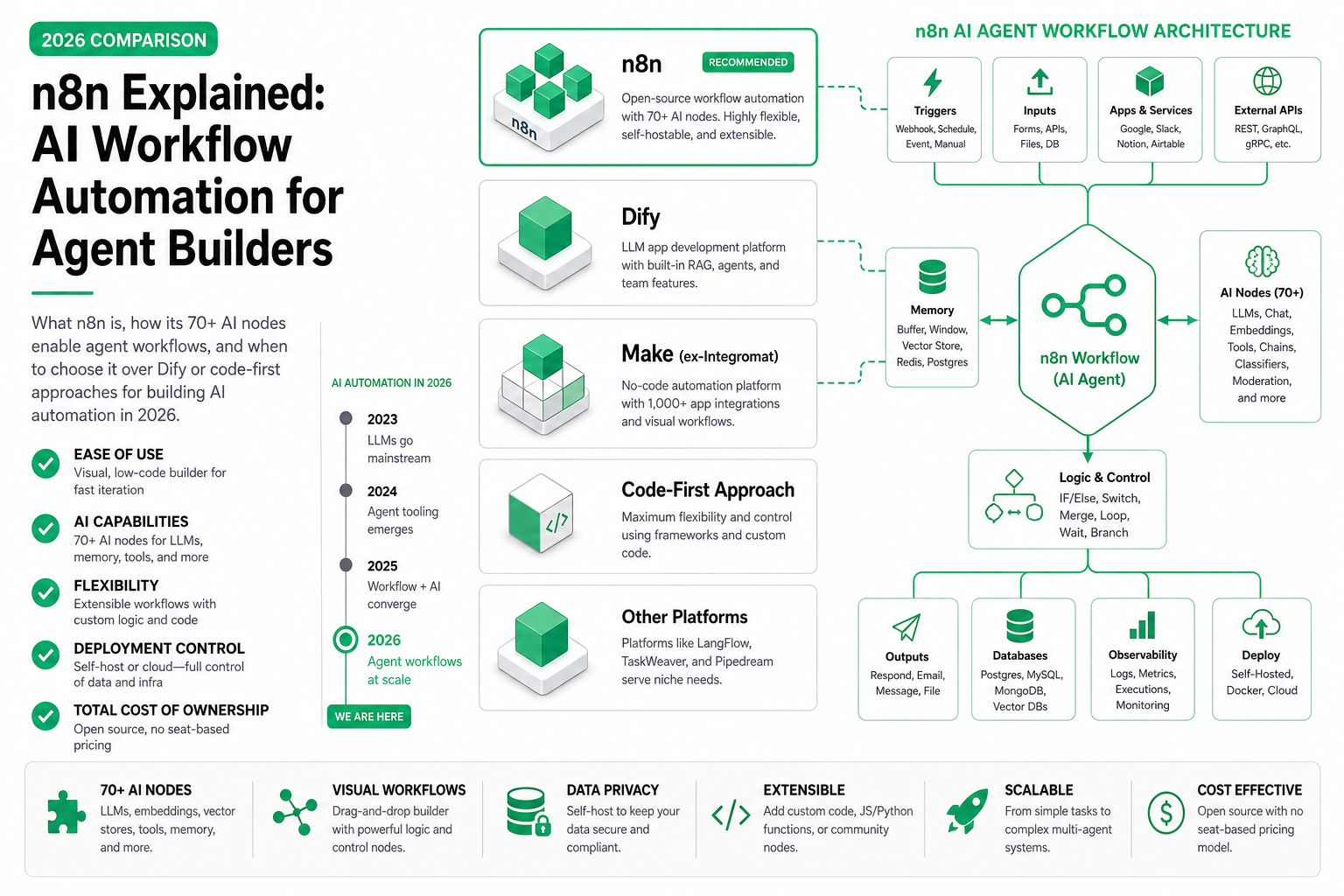
What n8n is, how its 70+ AI nodes enable agent workflows, and when to choose it over Dify or code-first approaches for building AI automation in 2026.
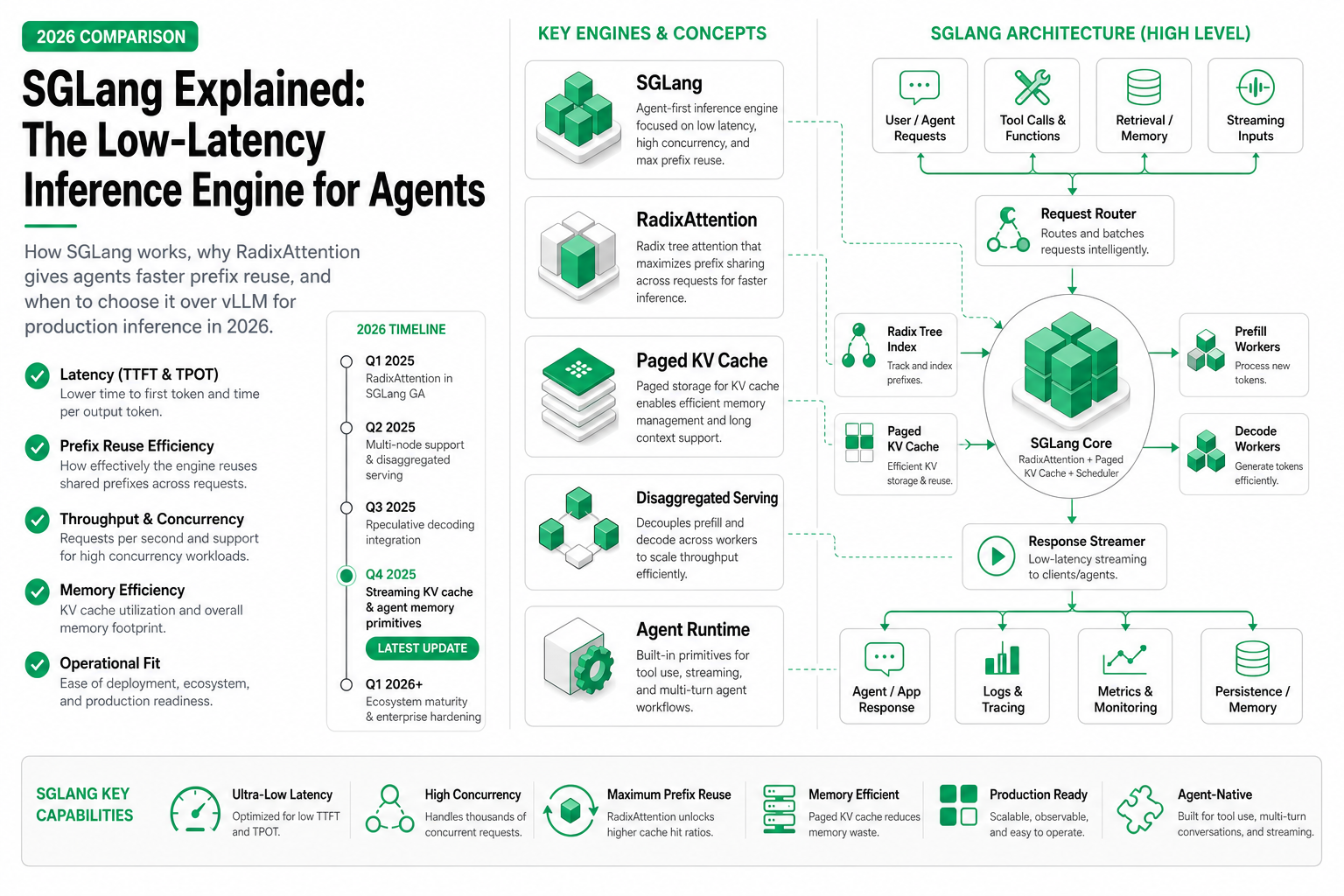
How SGLang works, why RadixAttention gives agents faster prefix reuse, and when to choose it over vLLM for production inference in 2026.
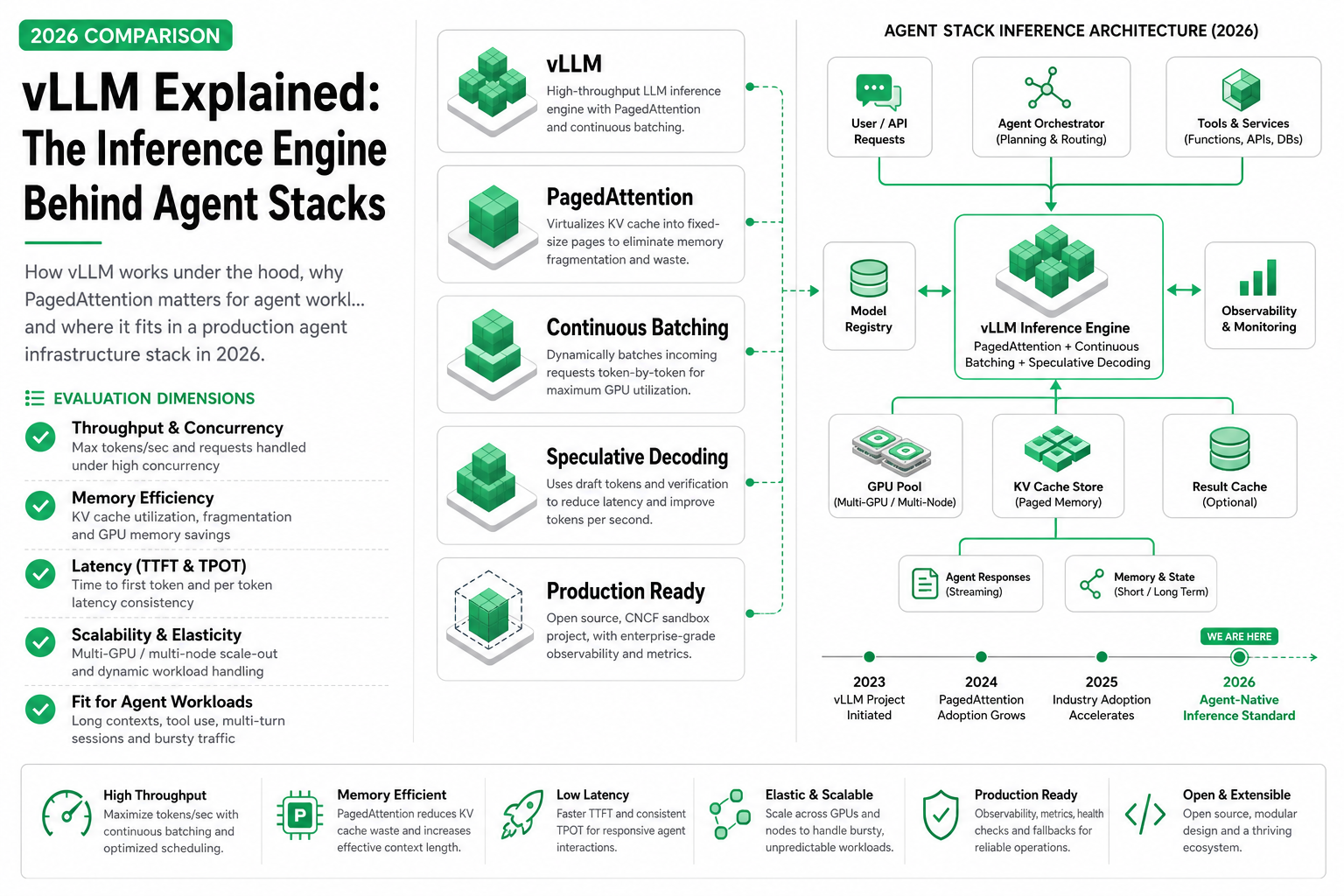
How vLLM works under the hood, why PagedAttention matters for agent workloads, and where it fits in a production agent infrastructure stack in 2026.
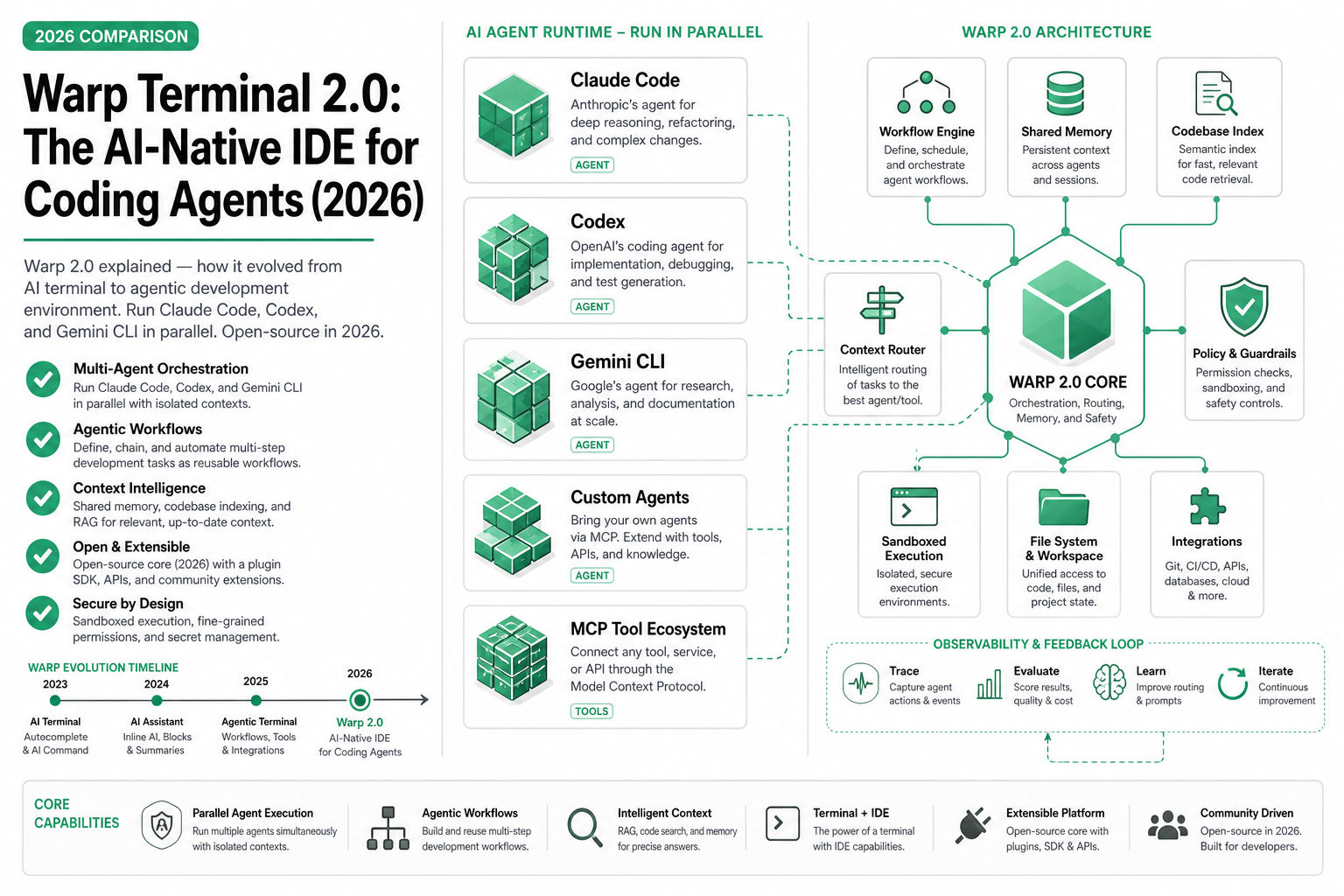
Warp 2.0 explained - how it evolved from AI terminal to agentic development environment. Run Claude Code, Codex, and Gemini CLI in parallel. Open-source in 2026.
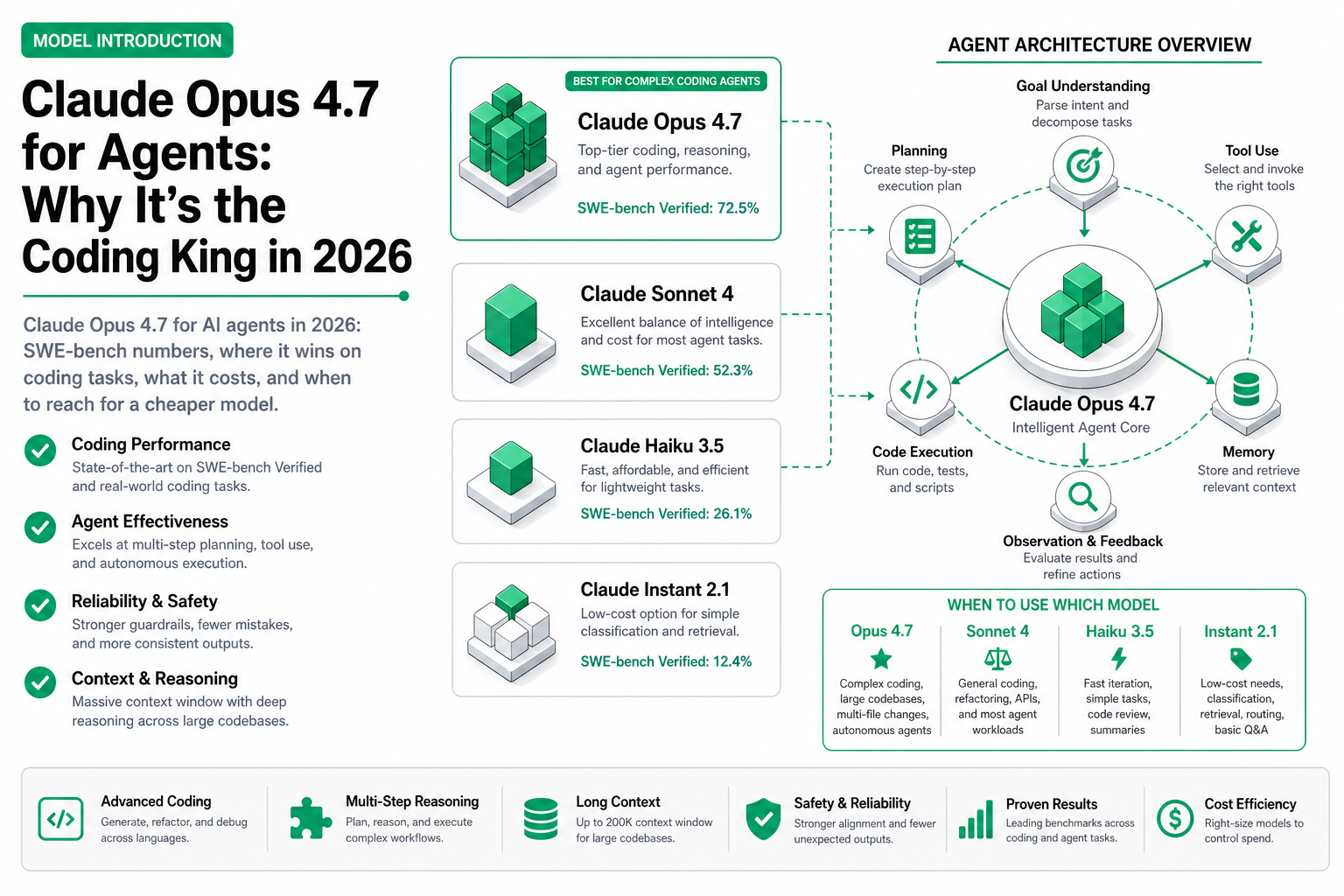
Claude Opus 4.7 for AI agents in 2026: SWE-bench numbers, where it wins on coding tasks, what it costs, and when to reach for a cheaper model.
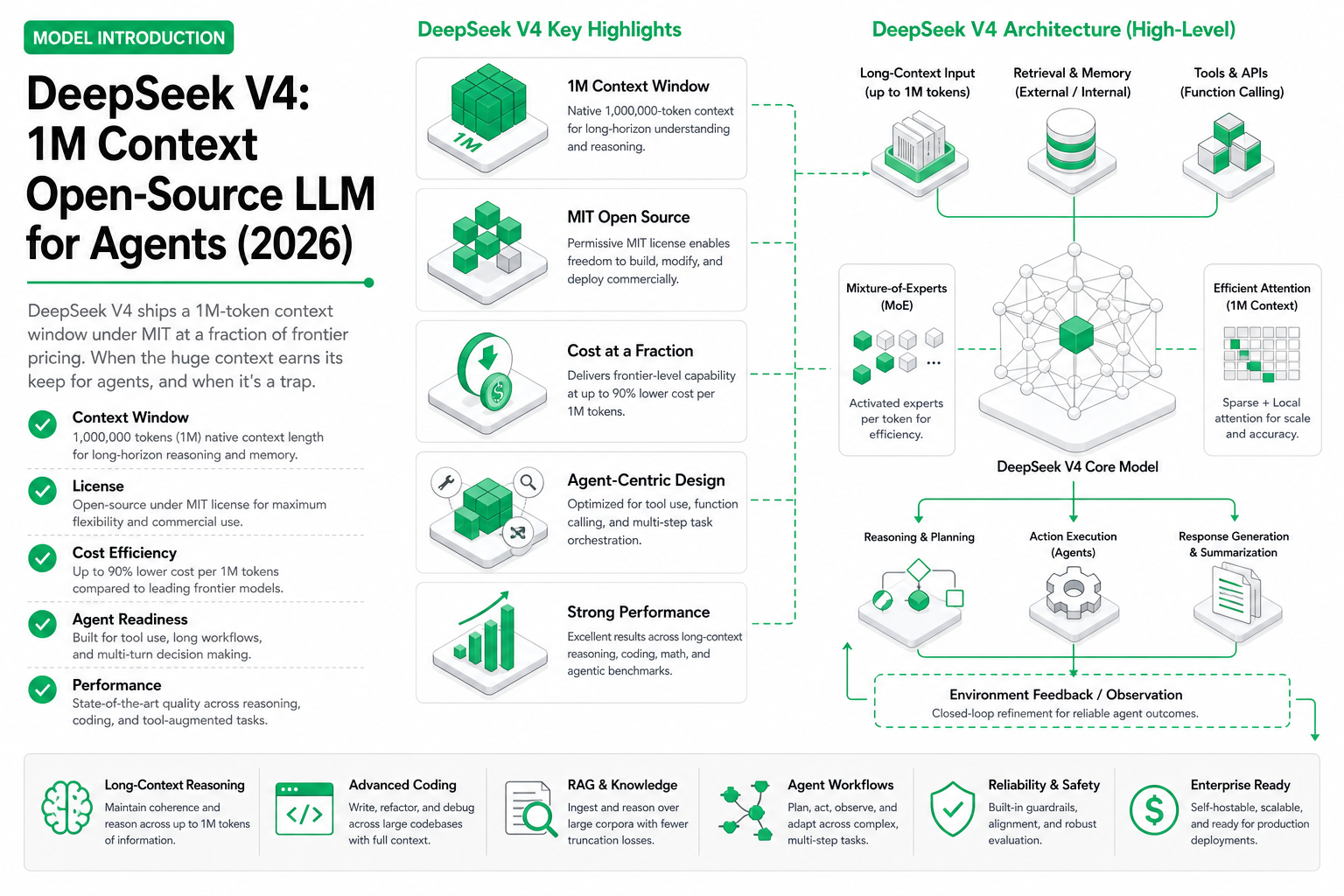
DeepSeek V4 ships a 1M-token context window under MIT at a fraction of frontier pricing. When the huge context earns its keep for agents, and when it's a trap.
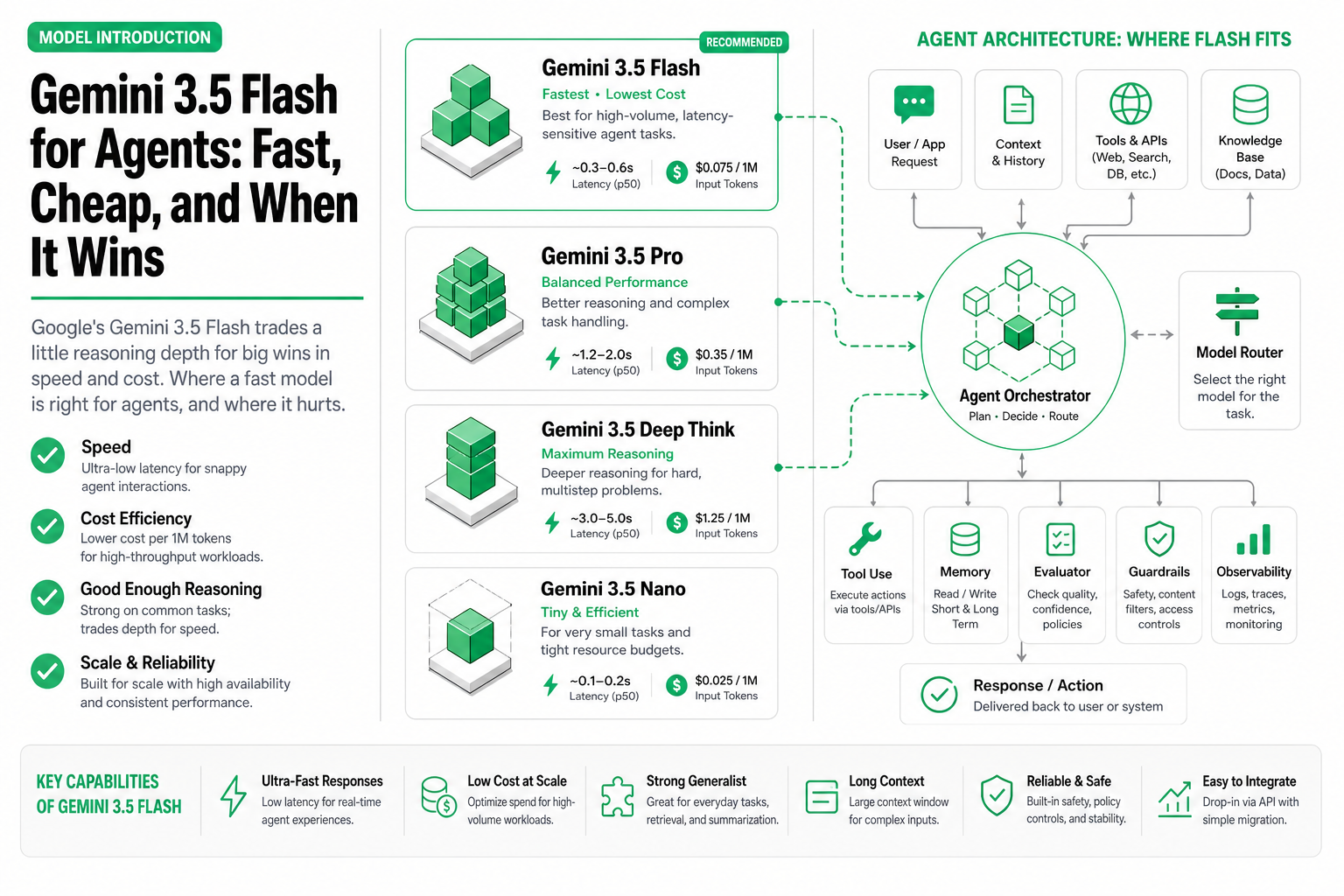
Google's Gemini 3.5 Flash trades a little reasoning depth for big wins in speed and cost. Where a fast model is right for agents, and where it hurts.
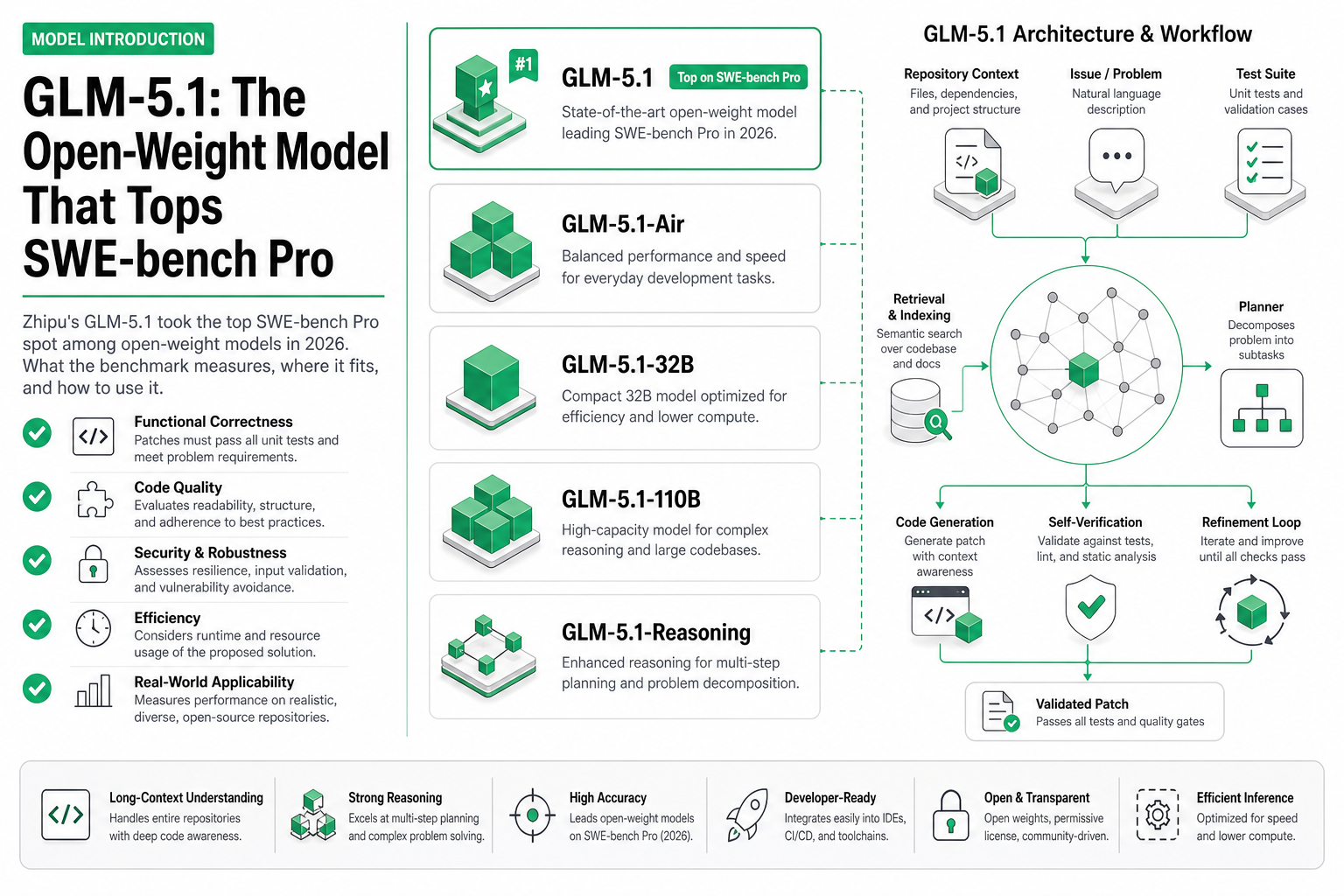
Zhipu's GLM-5.1 took the top SWE-bench Pro spot among open-weight models in 2026. What the benchmark measures, where it fits, and how to use it.
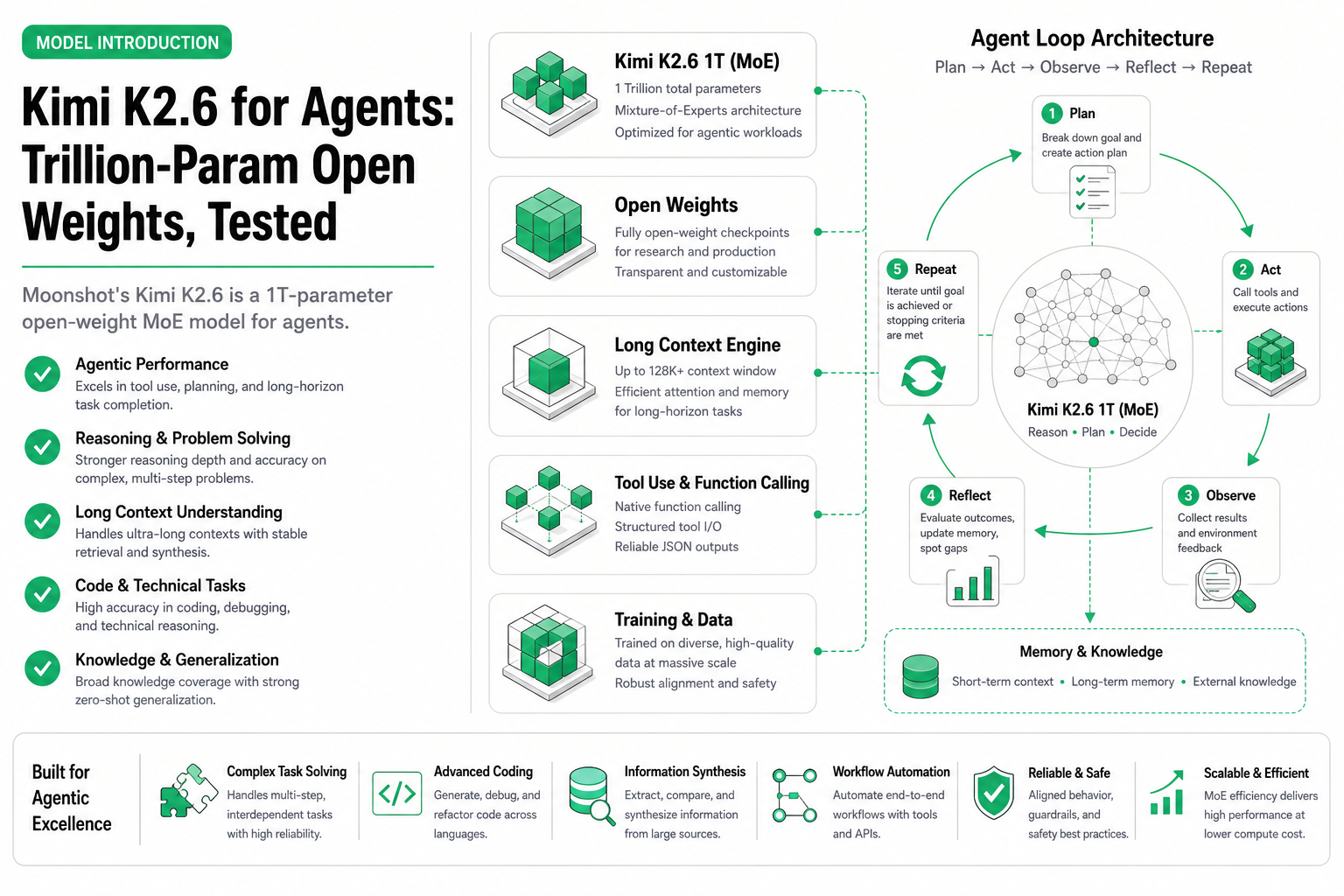
Moonshot's Kimi K2.6 is a 1T-parameter open-weight MoE model for agents. What it's good at, where the params help, and how to wire it into a loop.
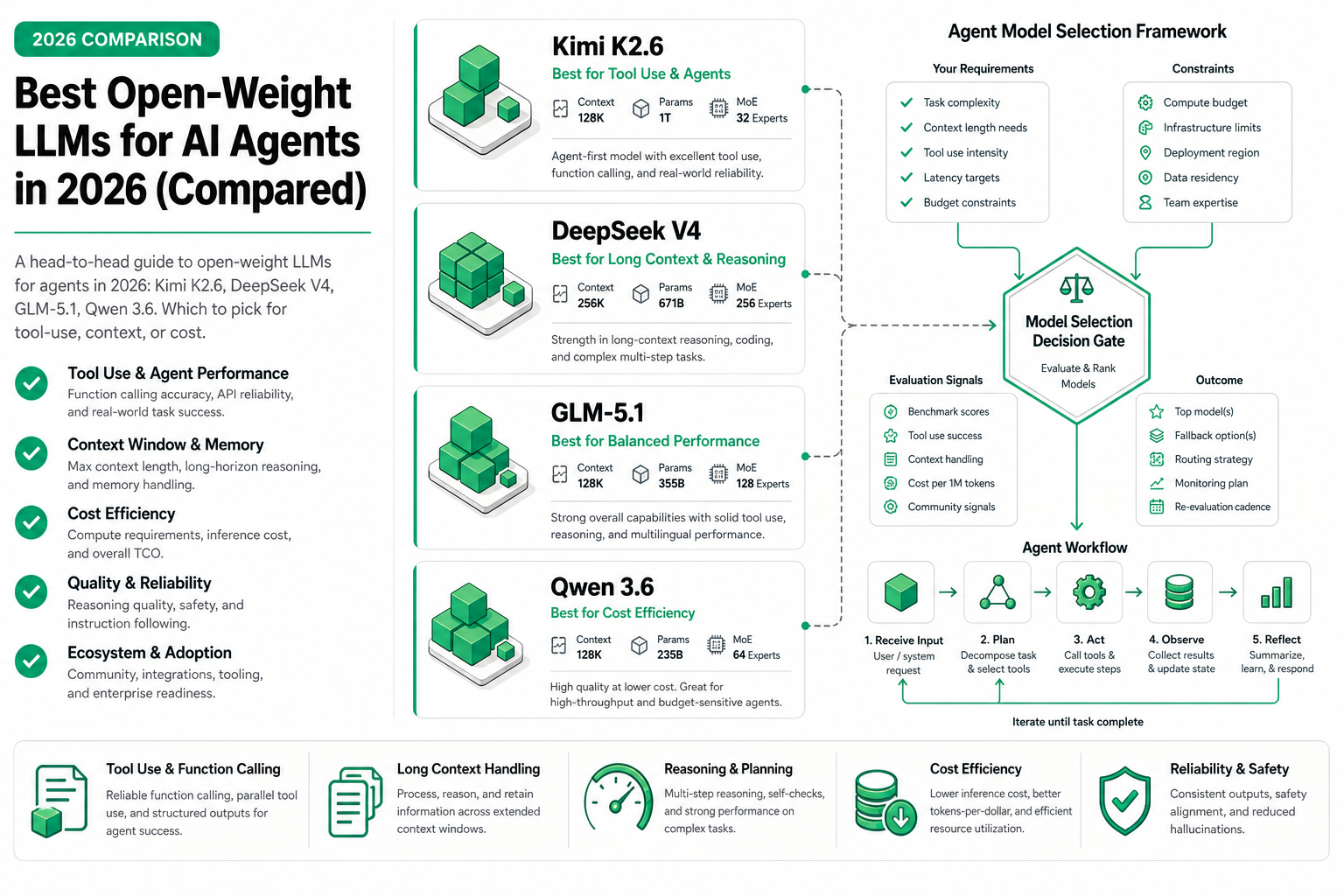
A head-to-head guide to open-weight LLMs for agents in 2026: Kimi K2.6, DeepSeek V4, GLM-5.1, Qwen 3.6. Which to pick for tool-use, context, or cost.
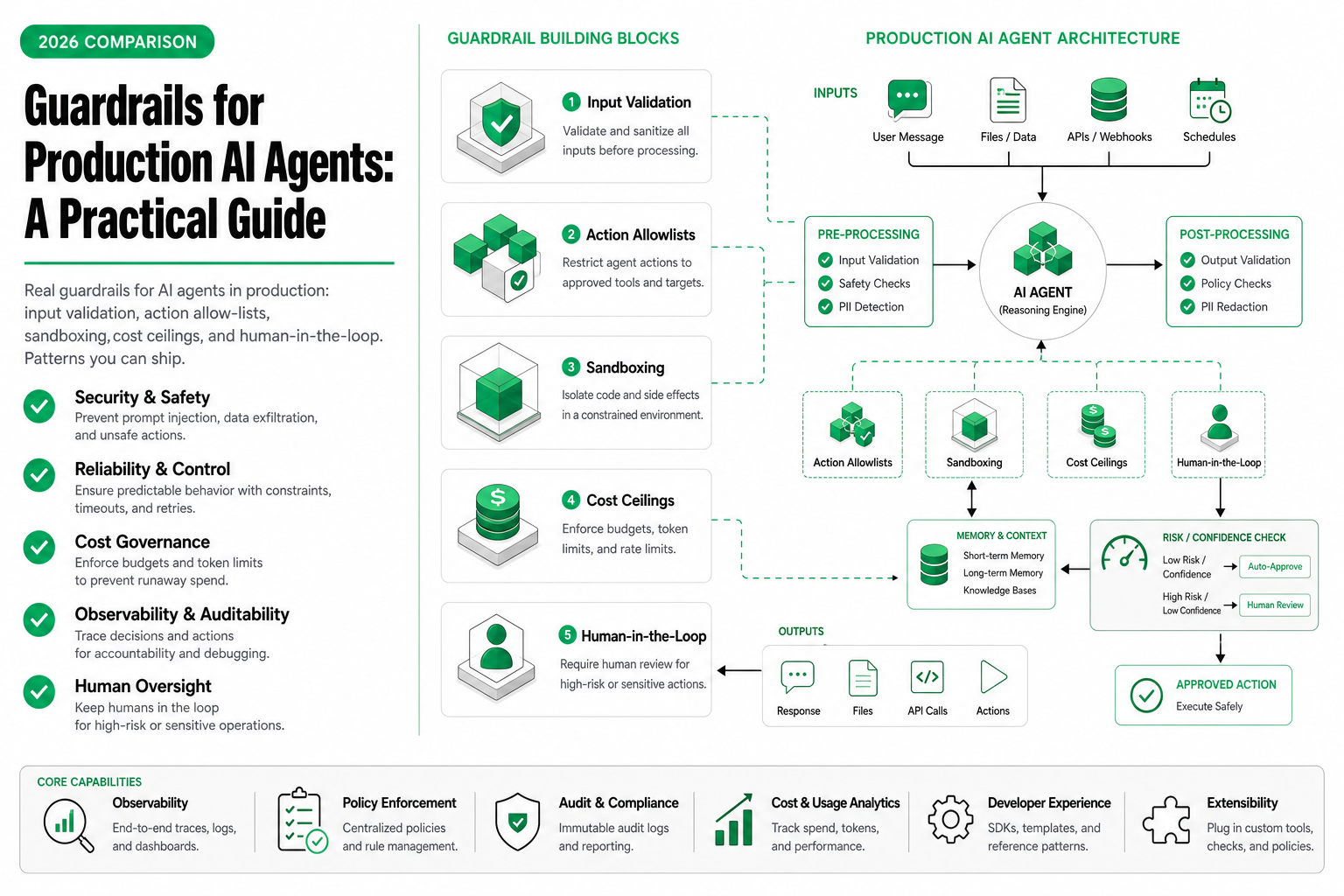
Real guardrails for AI agents in production: input validation, action allow-lists, sandboxing, cost ceilings, and human-in-the-loop. Patterns you can ship.
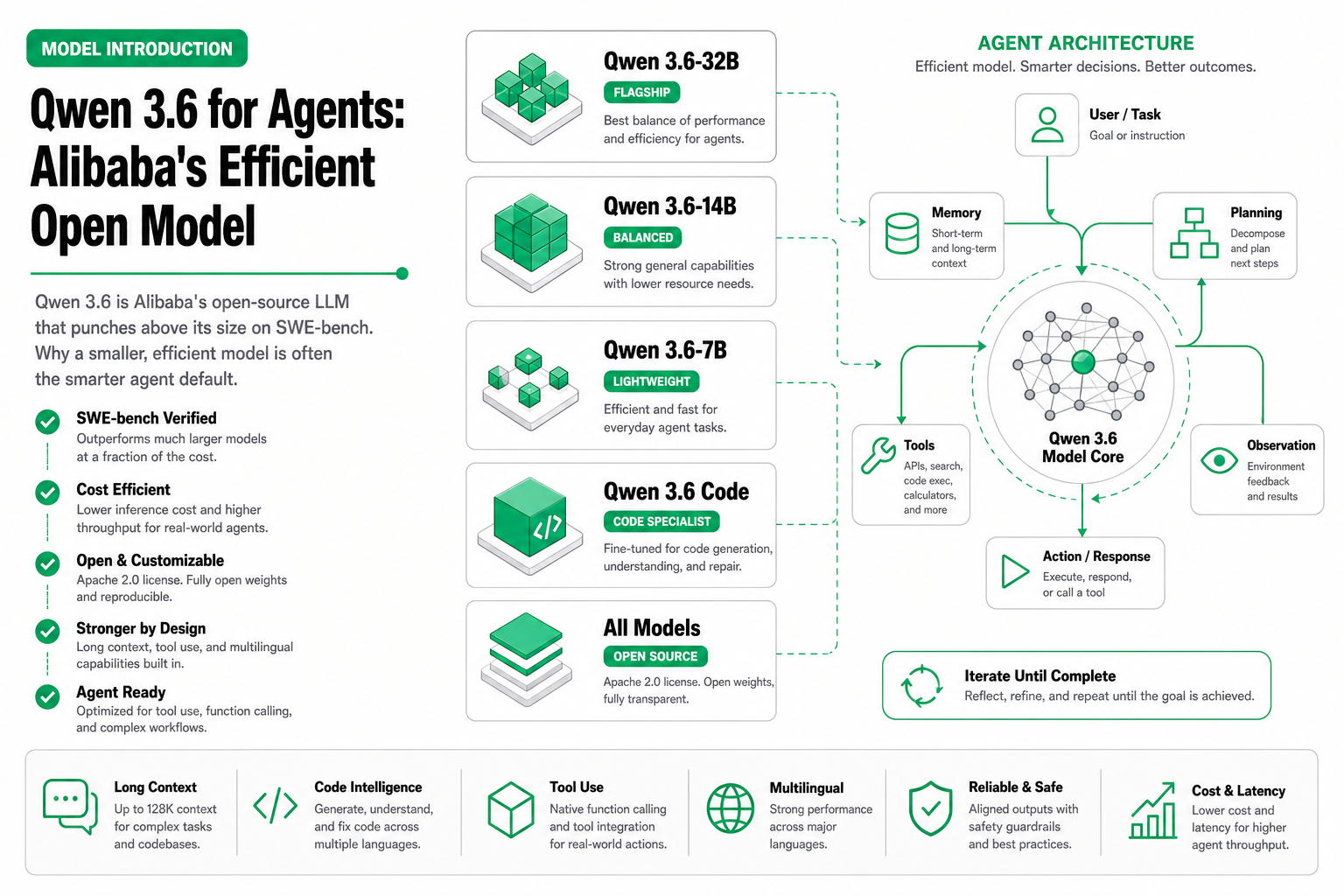
Qwen 3.6 is Alibaba's open-source LLM that punches above its size on SWE-bench. Why a smaller, efficient model is often the smarter agent default.
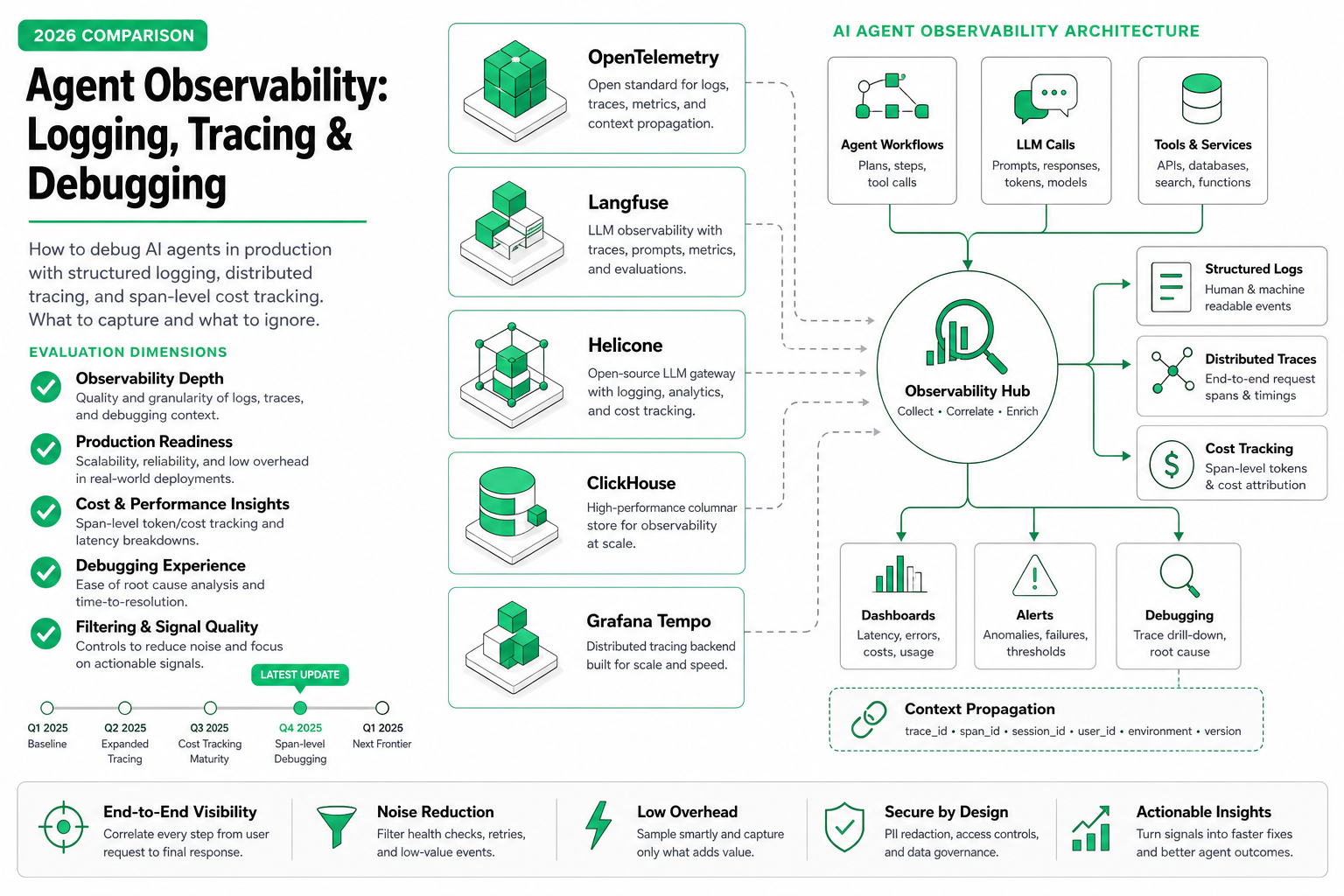
AI agent observability guide: instrument structured logs, distributed traces, tool spans, token cost, and replay data to debug production agents.
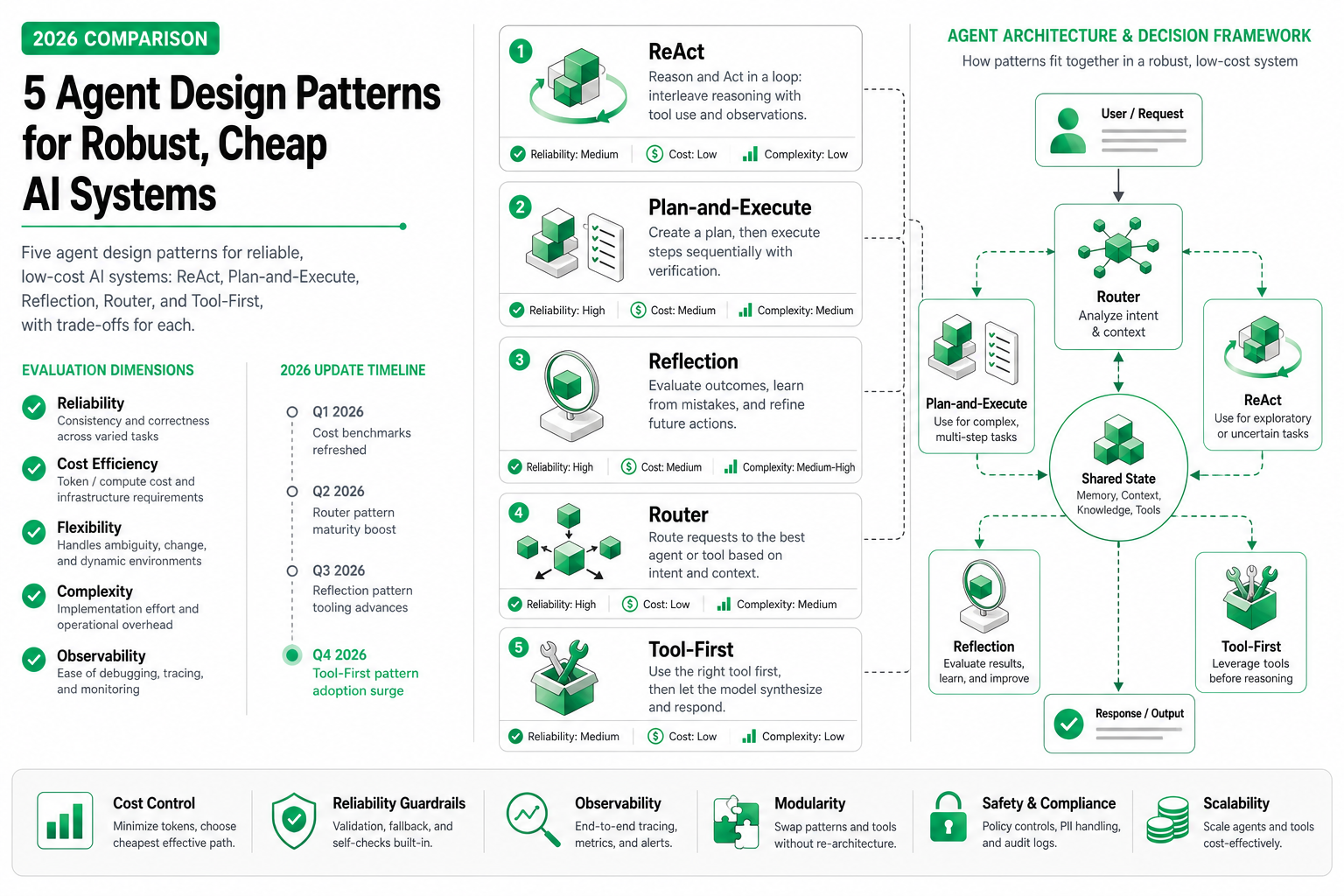
Five agent design patterns for reliable, low-cost AI systems: ReAct, Plan-and-Execute, Reflection, Router, and Tool-First, with trade-offs for each.
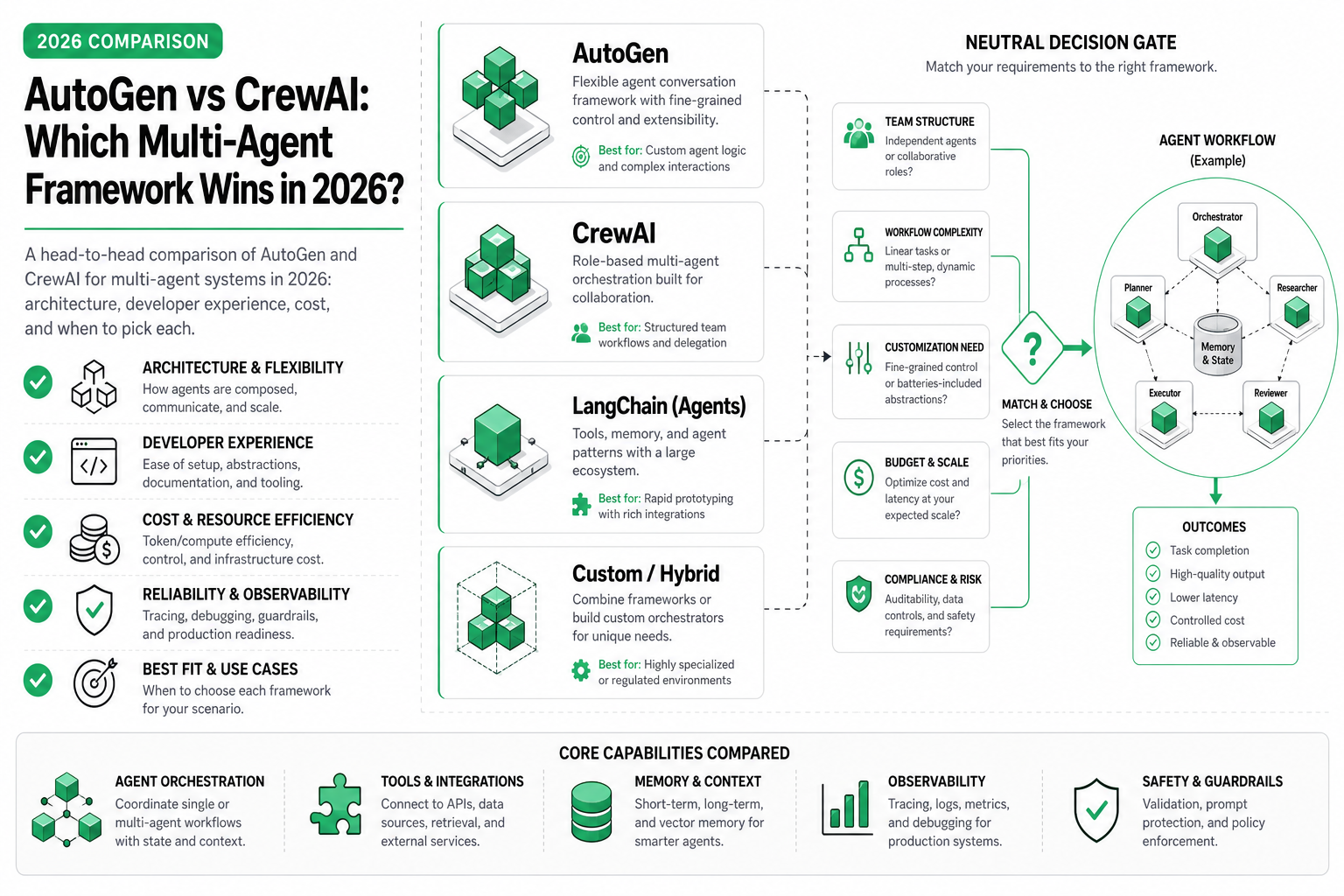
AutoGen vs CrewAI tested on real multi-agent tasks. AutoGen wins on flexibility; CrewAI wins on speed-to-ship. Full architecture and cost comparison inside.
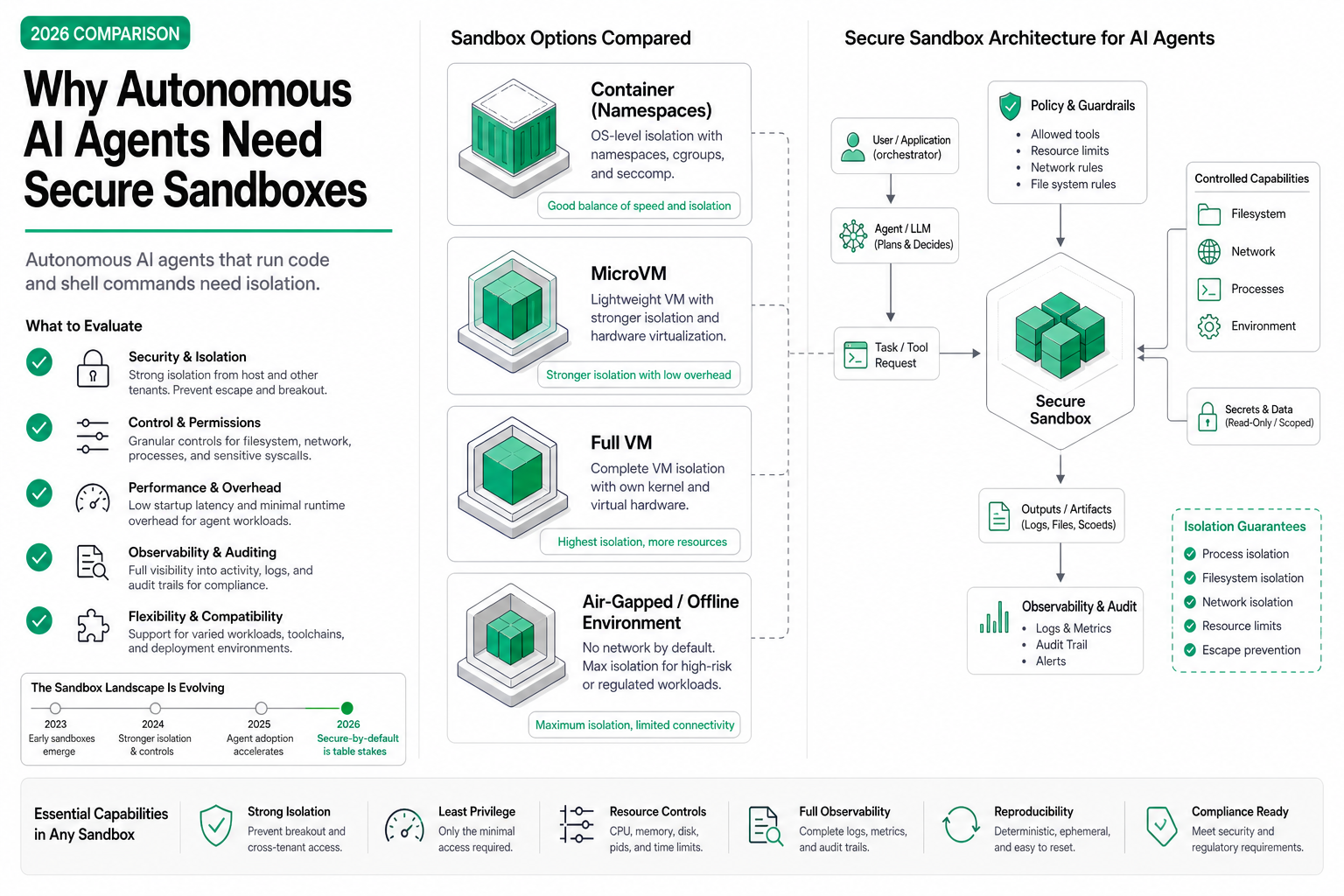
Autonomous AI agents that run code and shell commands need isolation. Why sandboxes are non-negotiable in production, the isolation levels, and how to choose.
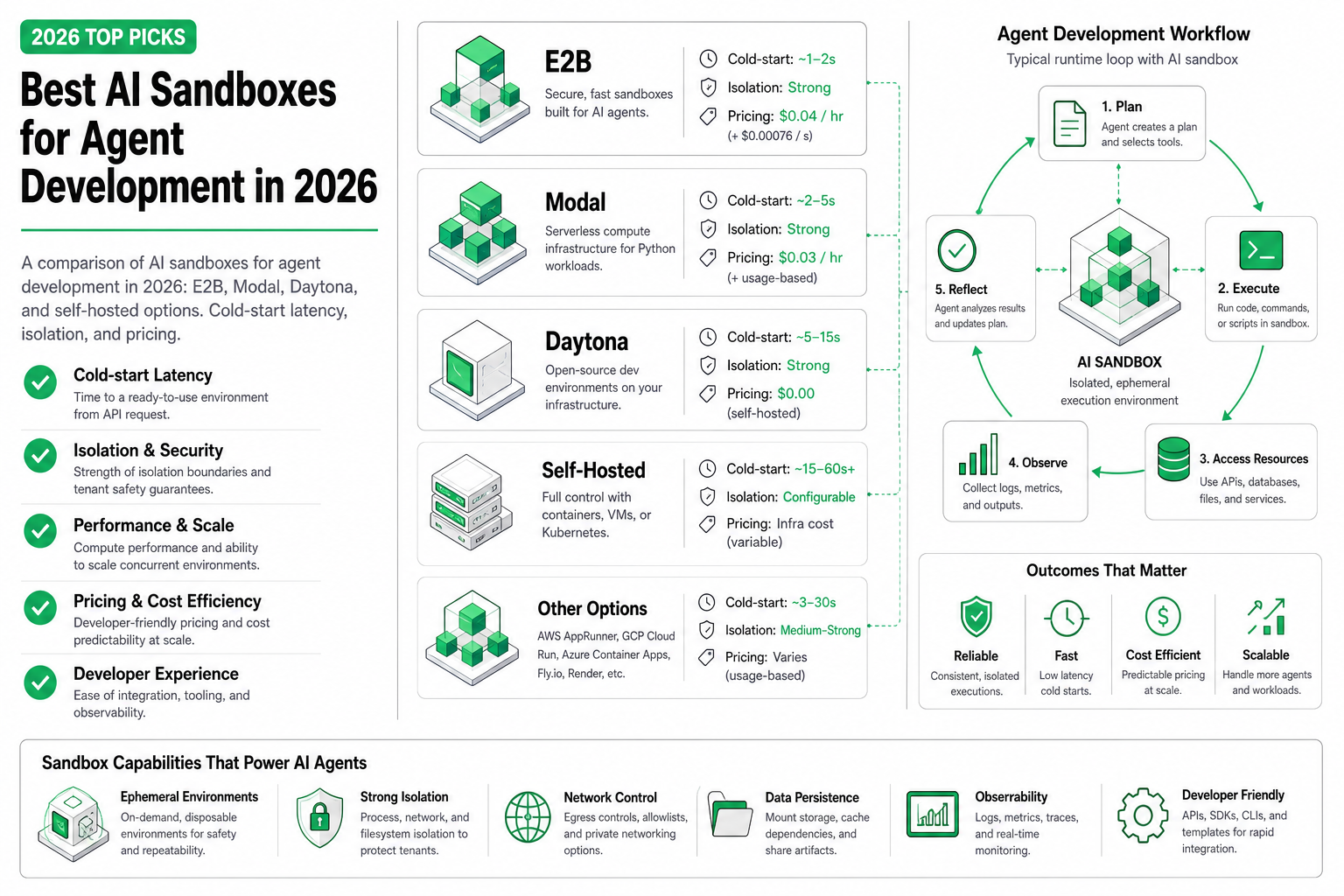
A comparison of AI sandboxes for agent development in 2026: E2B, Modal, Daytona, and self-hosted options. Cold-start latency, isolation, and pricing.
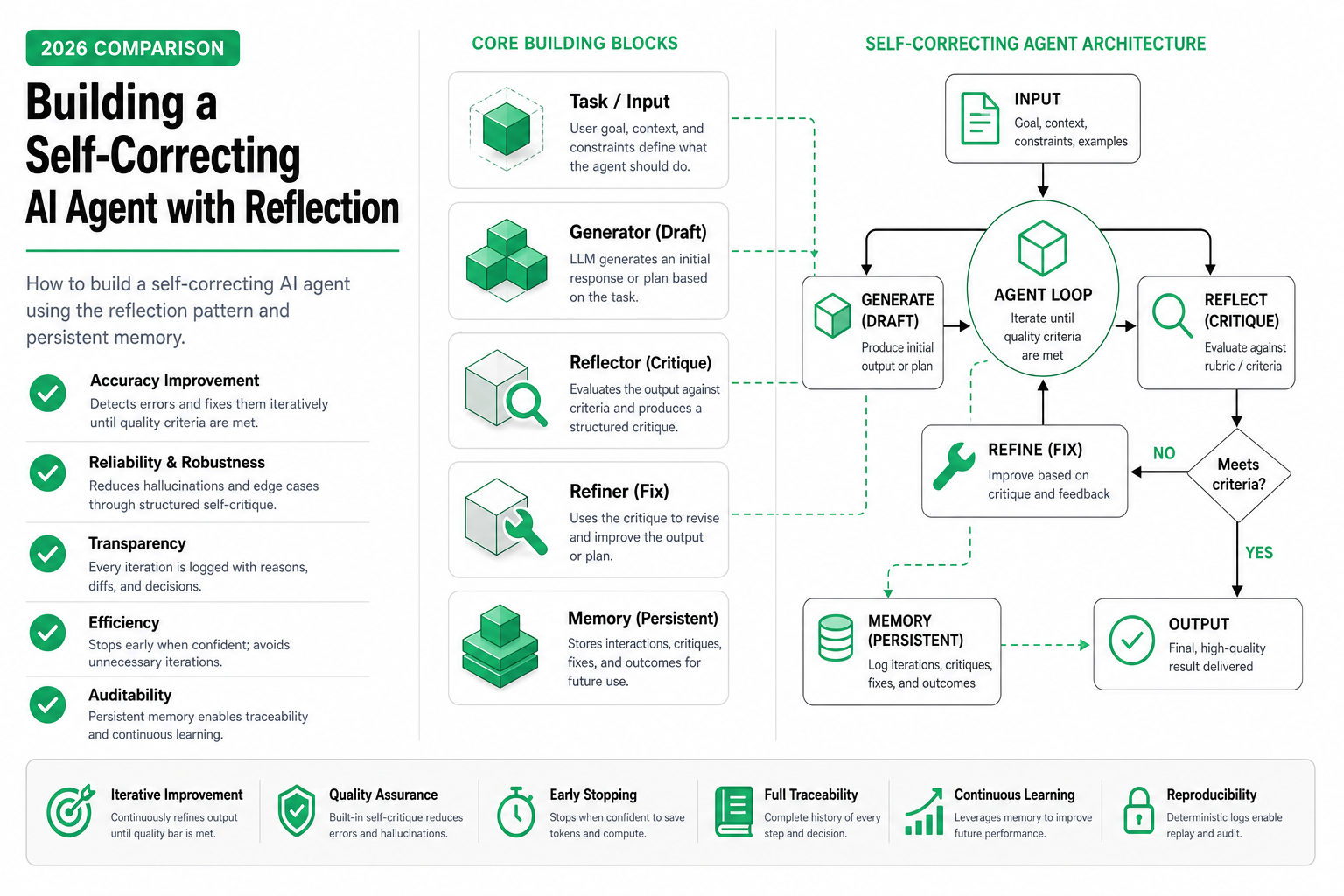
How to build a self-correcting AI agent using the reflection pattern and persistent memory. A runnable Python loop that critiques and fixes its own output.
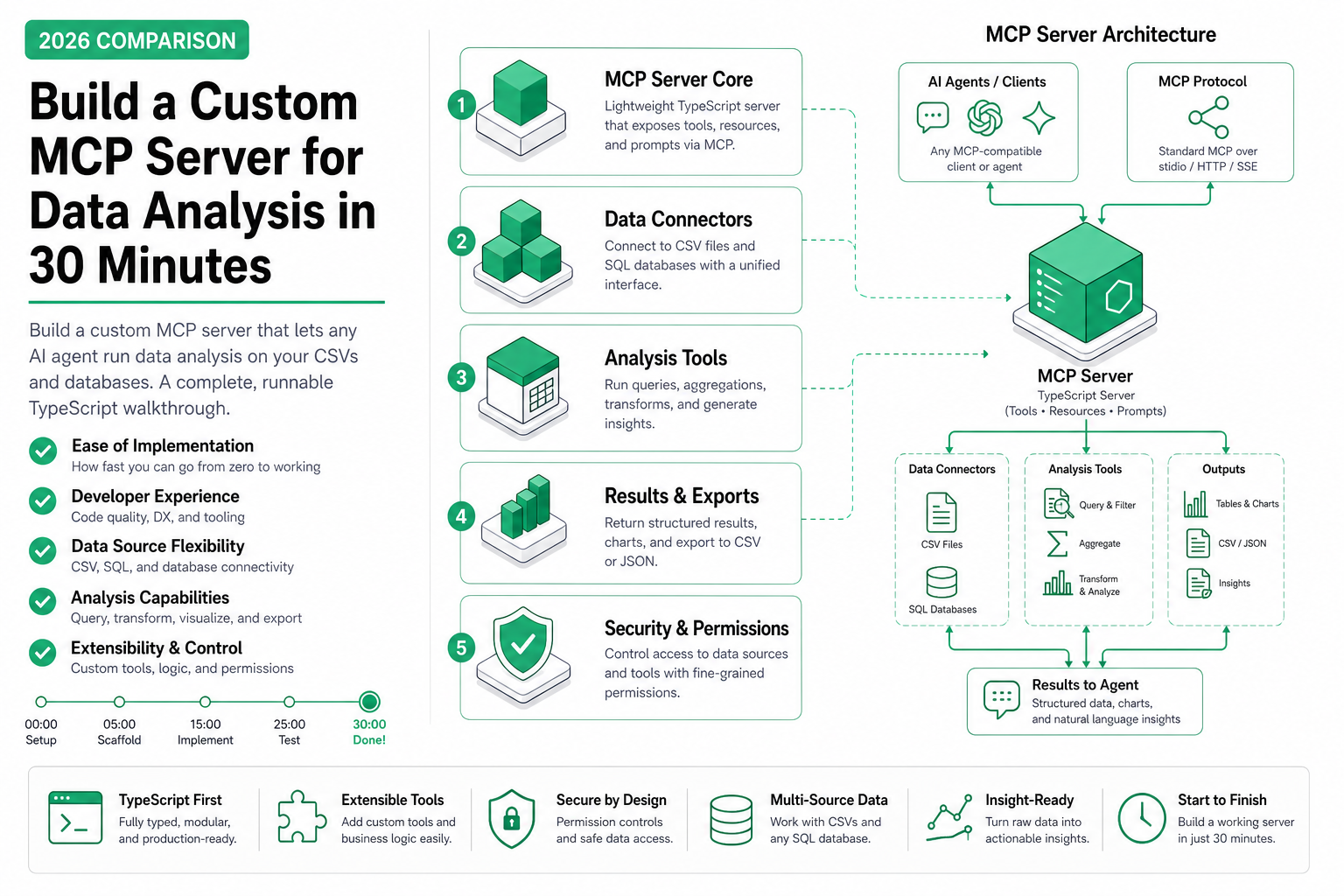
Build a custom MCP server that lets any AI agent run data analysis on your CSVs and databases. A complete, runnable TypeScript walkthrough.
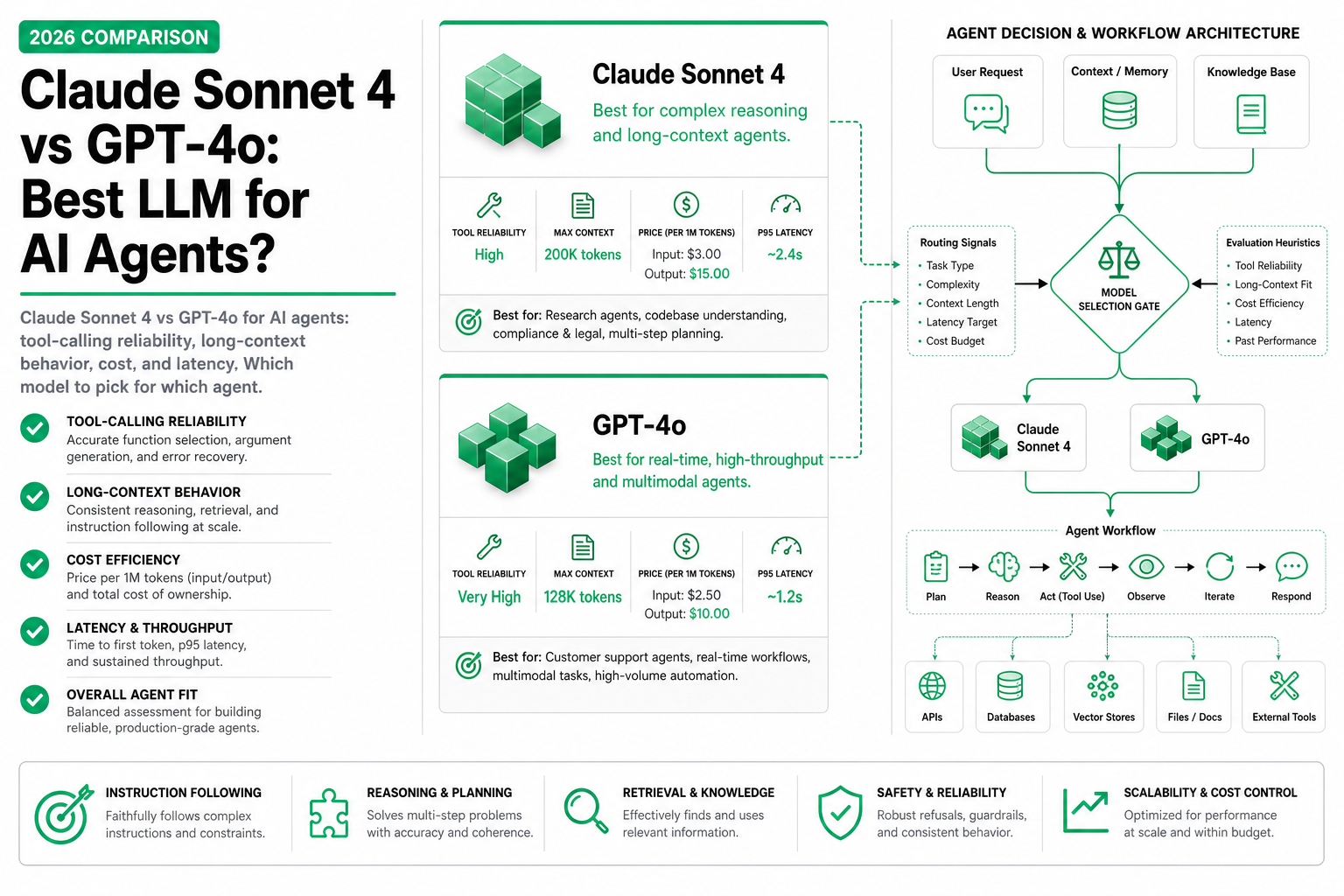
Claude Sonnet 4 vs GPT-4o for AI agents: tool-calling reliability, long-context behavior, cost, and latency. Which model to pick for which agent.
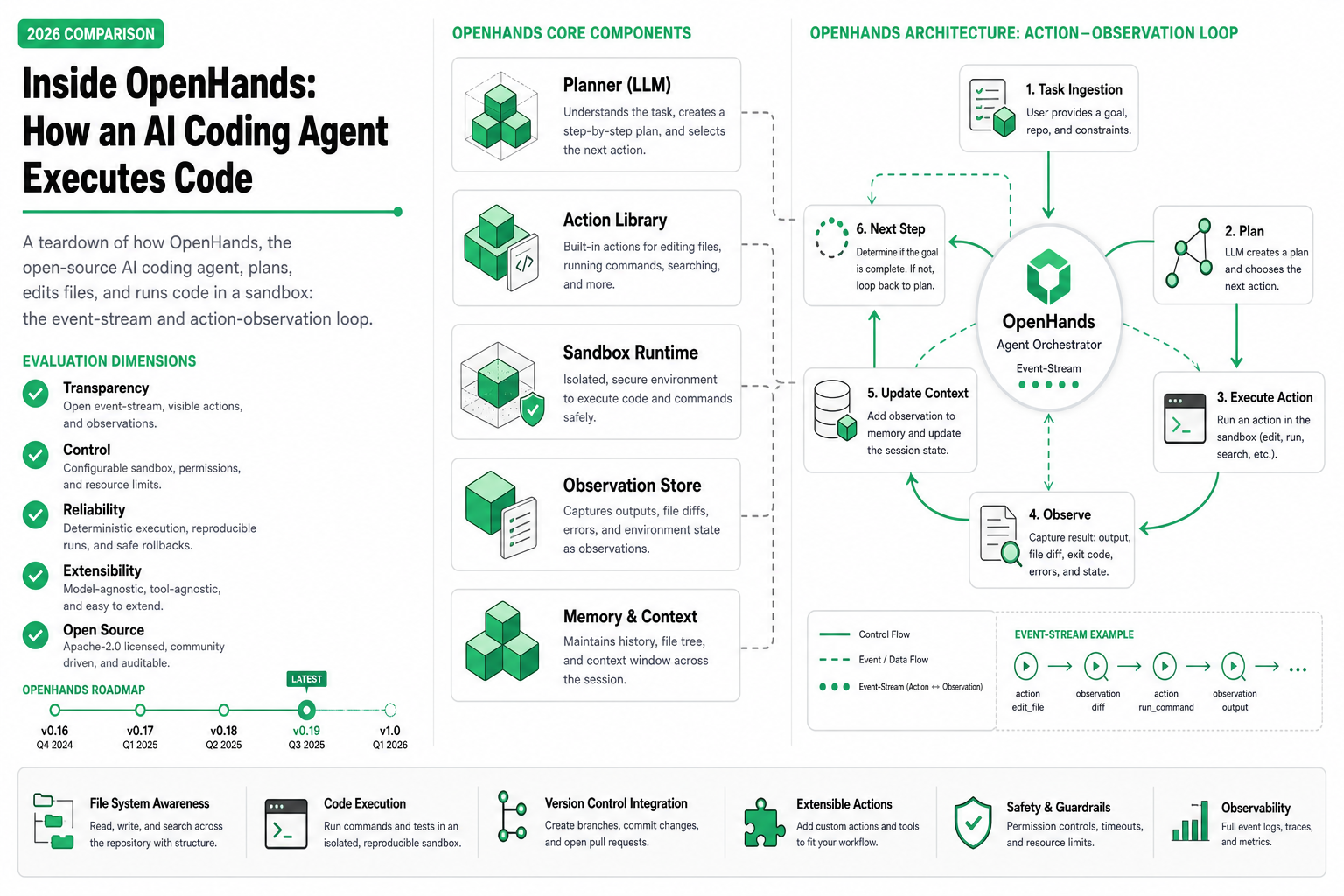
A teardown of how OpenHands, the open-source AI coding agent, plans, edits files, and runs code in a sandbox: the event-stream and action-observation loop.
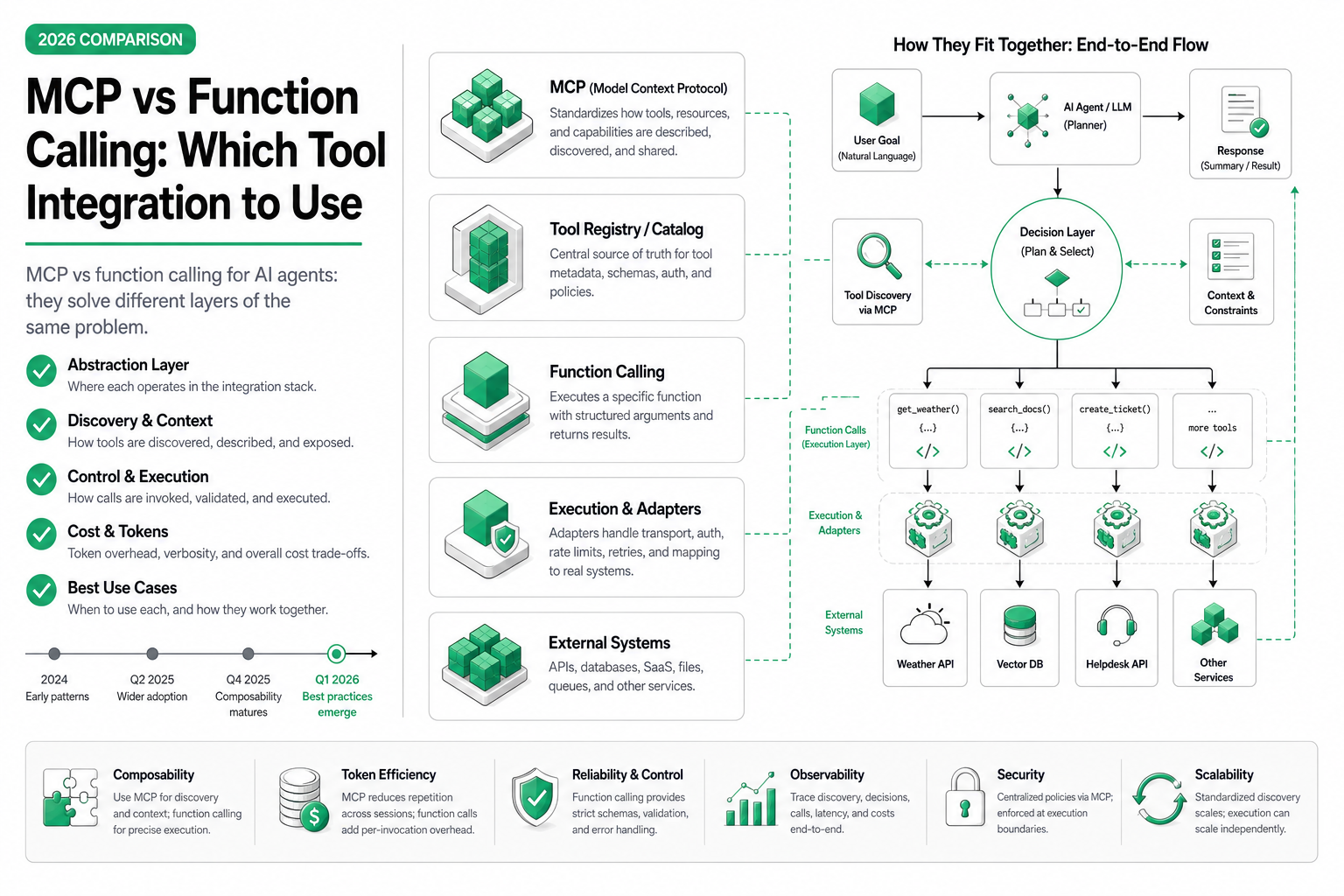
MCP vs function calling for AI agents: they solve different layers of the same problem. When to use each, how they compose, and the token-cost trade-off.
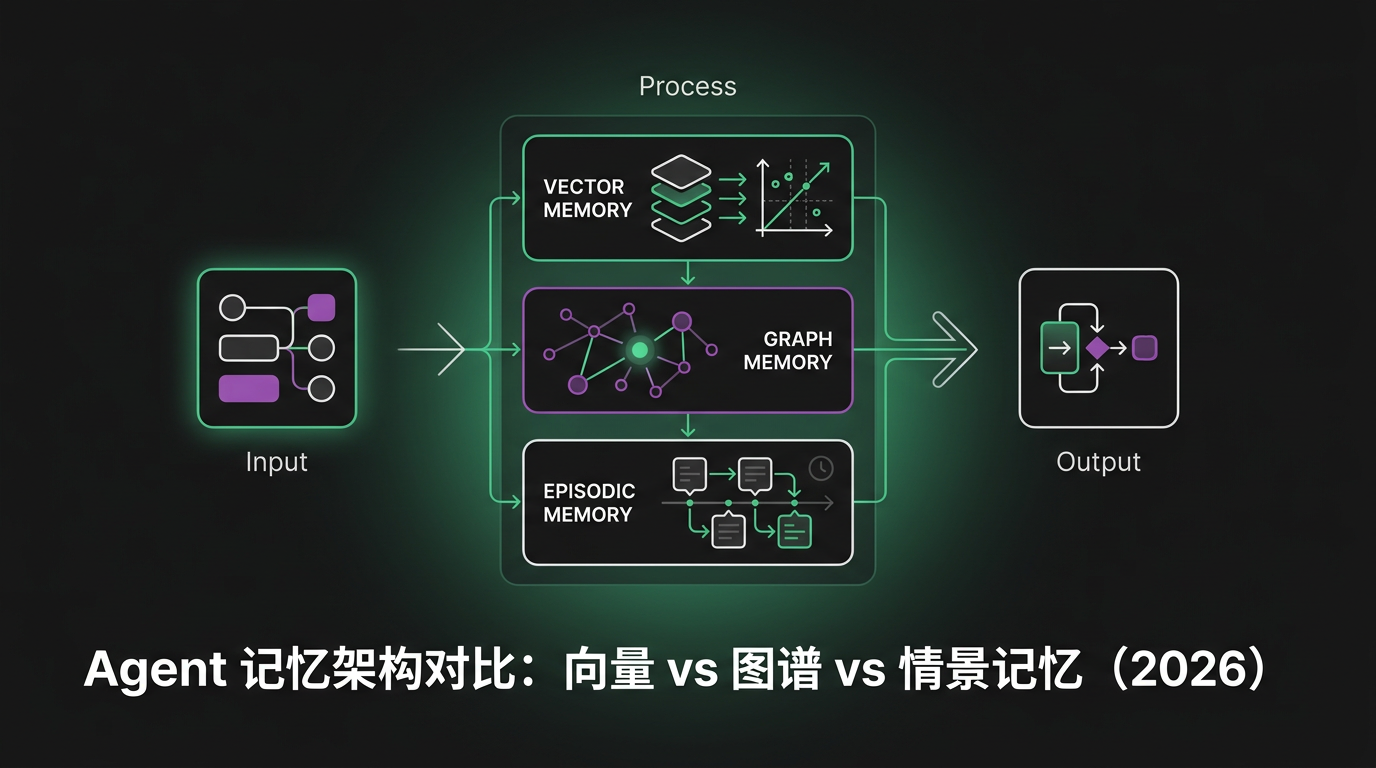
Compare the three agent memory architectures in 2026 — vector recall, knowledge graphs, and episodic buffers — with real latency numbers, failure modes, and a decision guide.
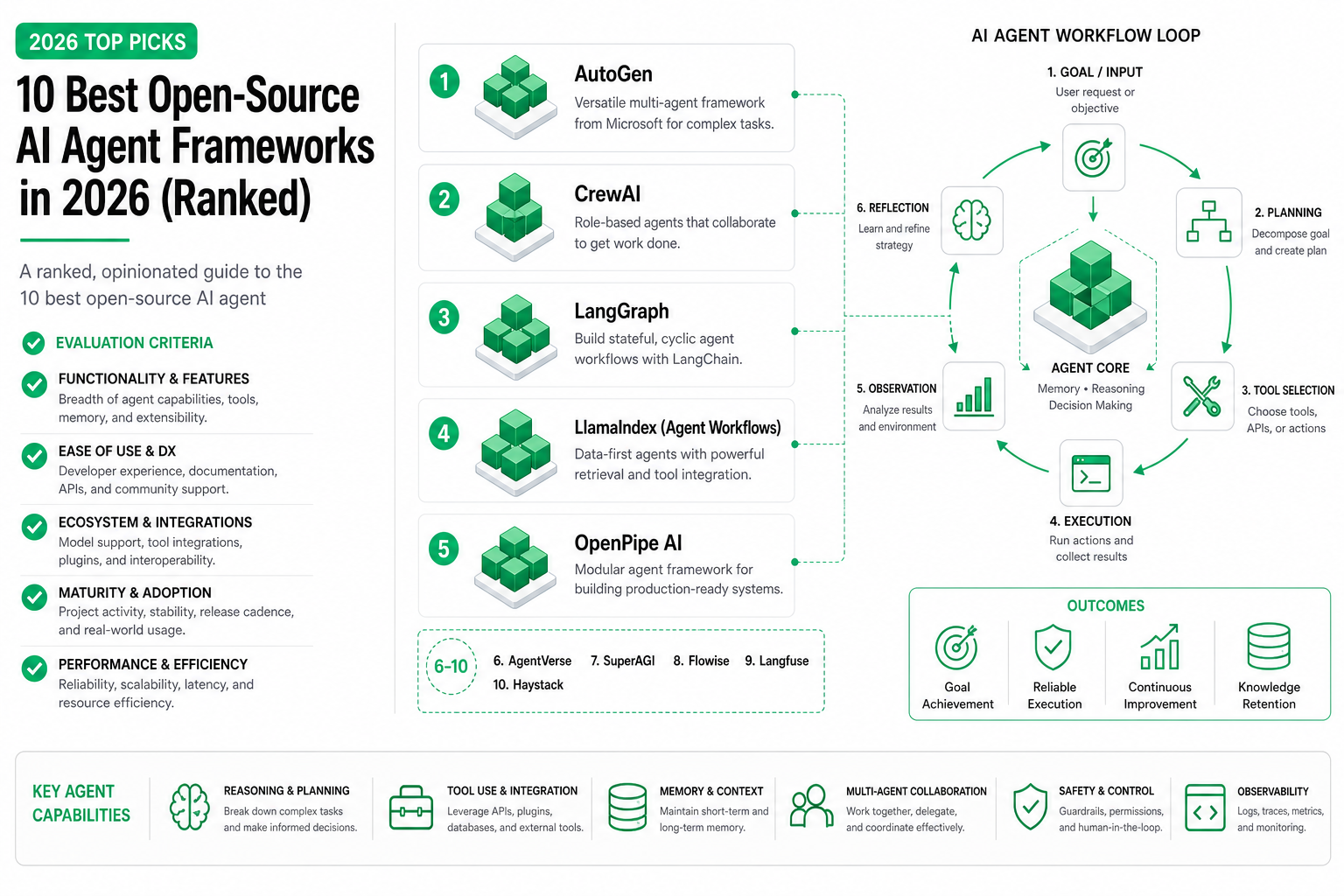
10 best open-source AI agent frameworks ranked for 2026. LangGraph, CrewAI, AutoGen, Mastra, and more — with pros, cons, and our pick for each use case.
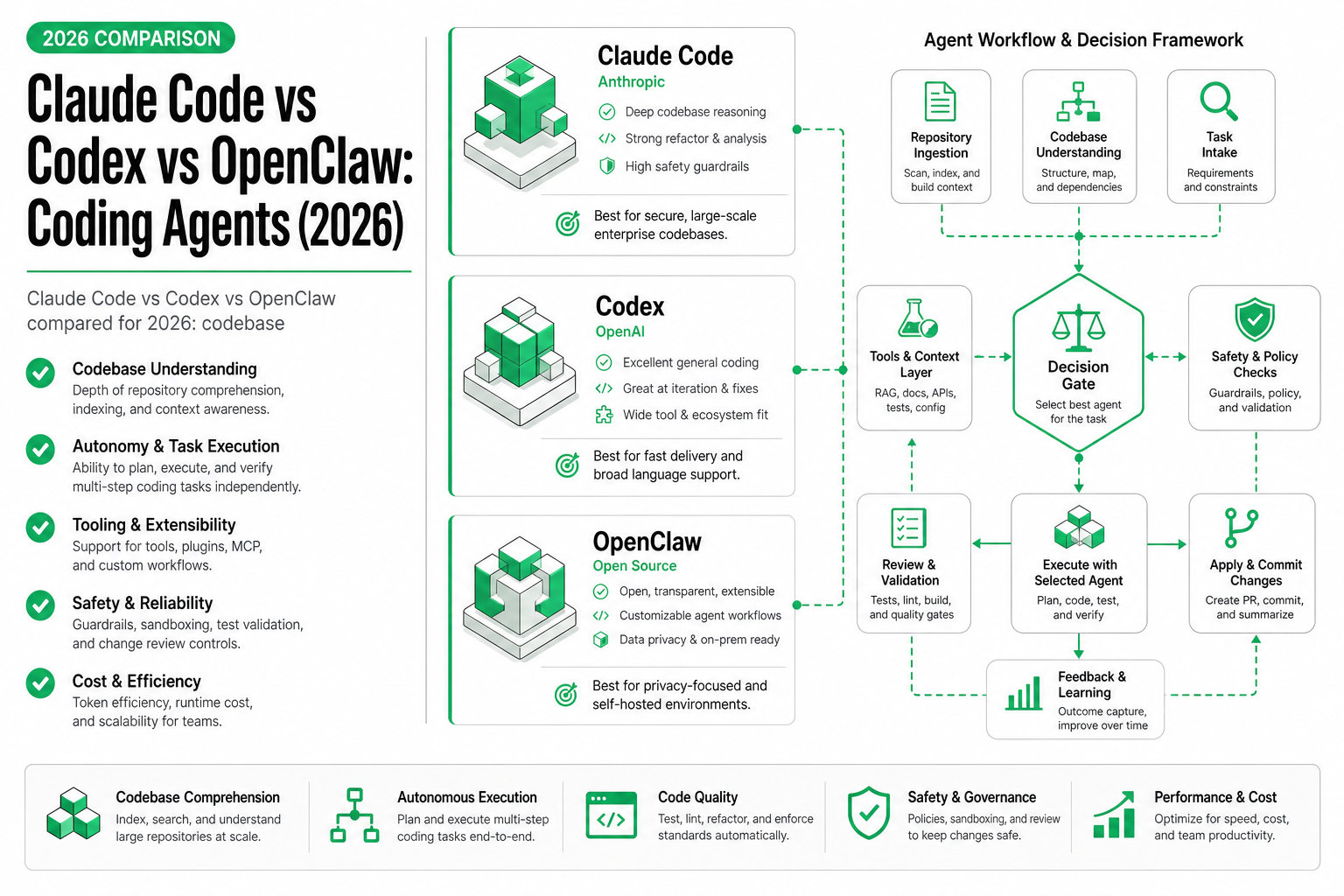
Claude Code vs Codex vs OpenClaw compared for coding agents in 2026. Benchmark results, pricing, context handling, and which to pick for your codebase size.
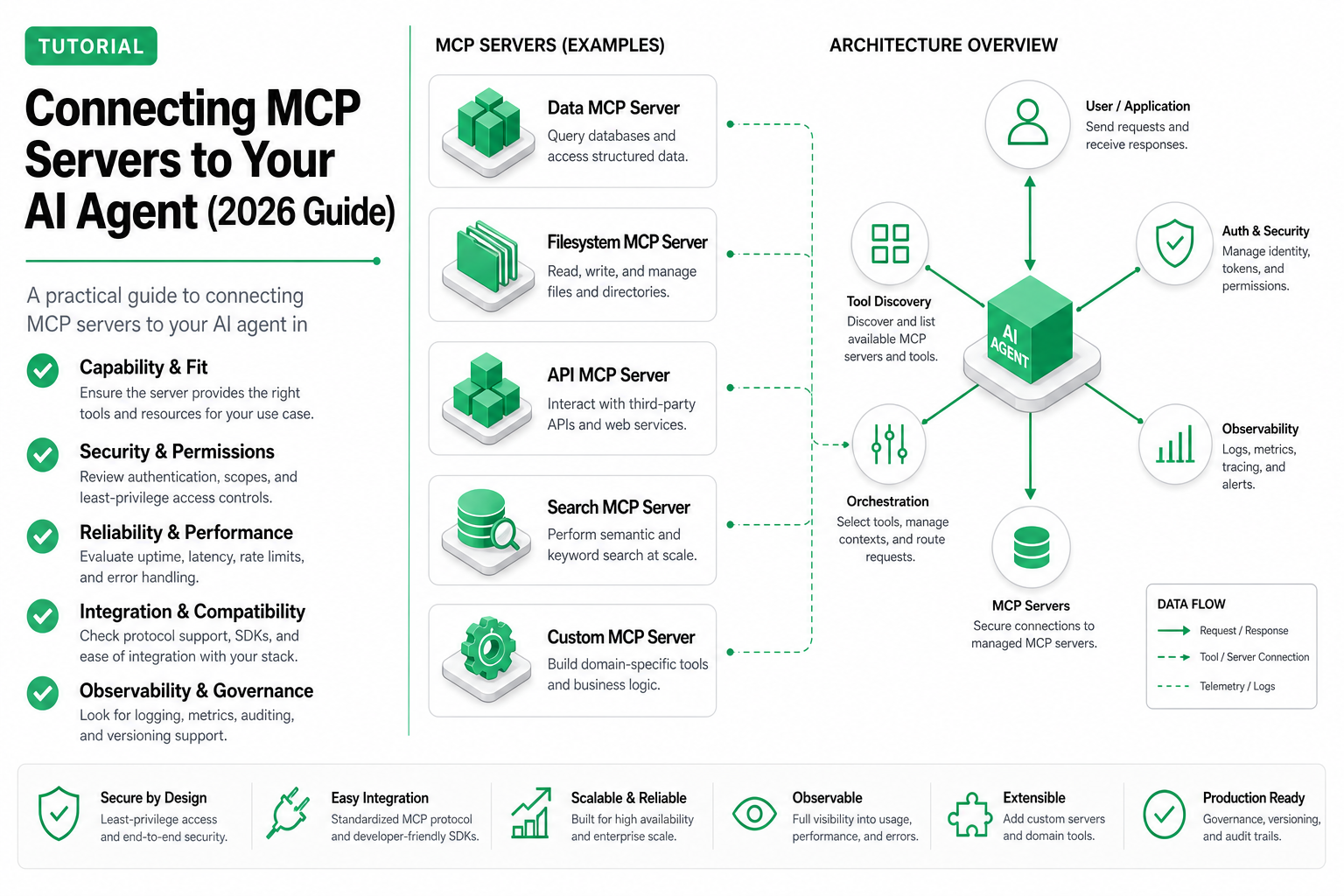
Step-by-step guide to connecting MCP servers to your AI agent. Setup, authentication, tool discovery, error handling, and production deployment patterns.
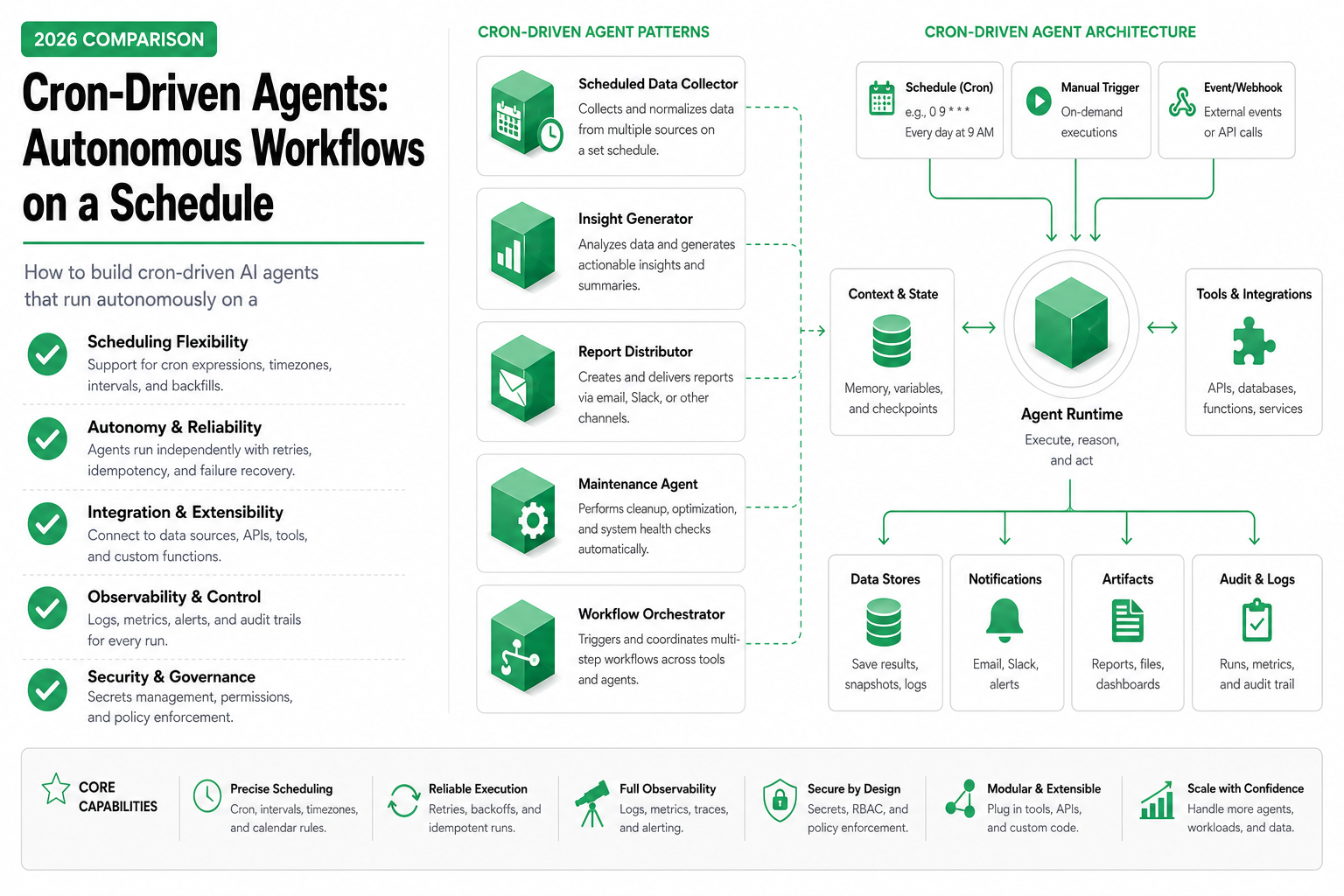
How to build cron-driven AI agents that run autonomously on a schedule. Full Python code, cost analysis, retry logic, and production monitoring patterns.
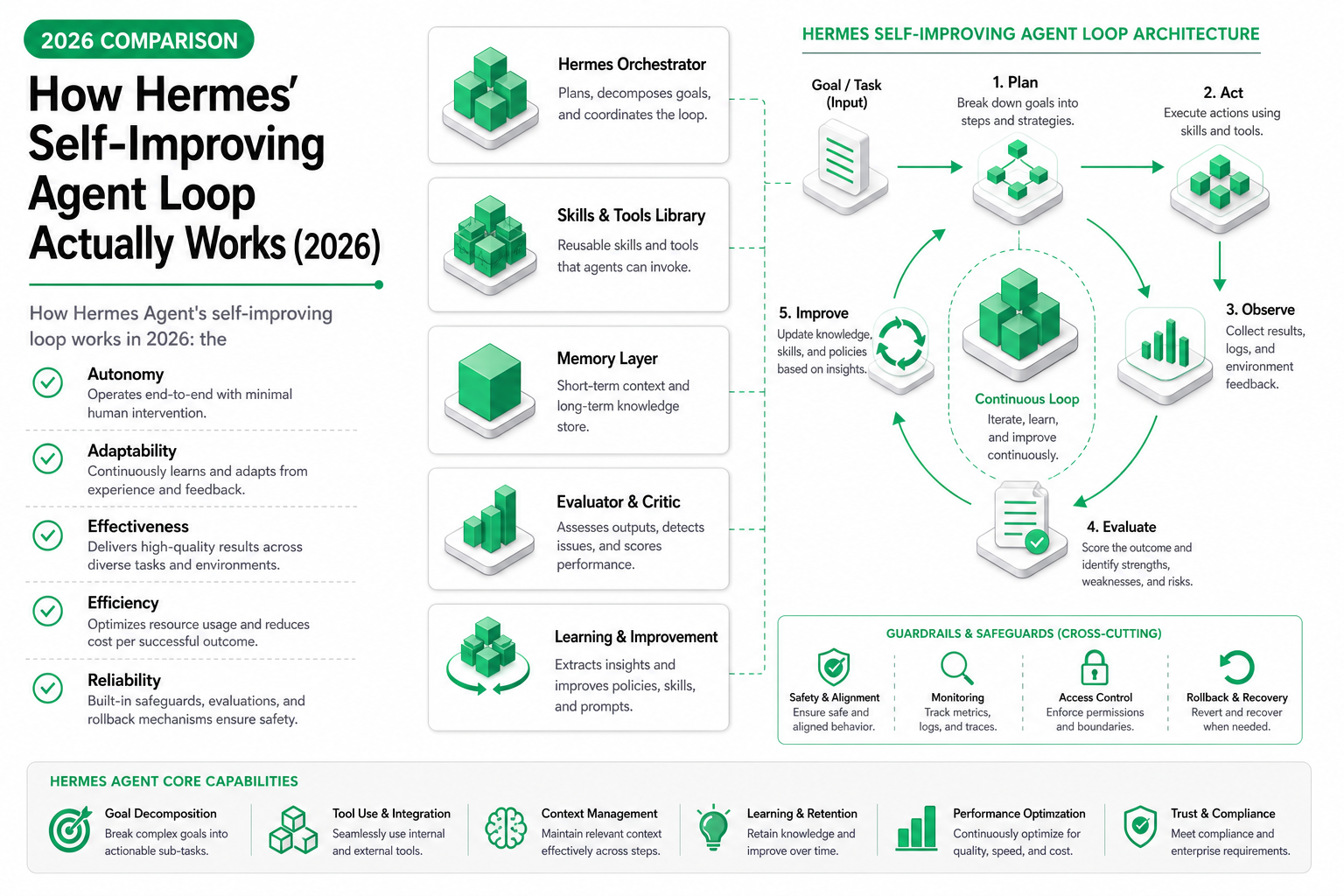
How Hermes Agent self-improving loop works: architecture teardown, memory systems, evaluation cycles, and real-world performance data from production.
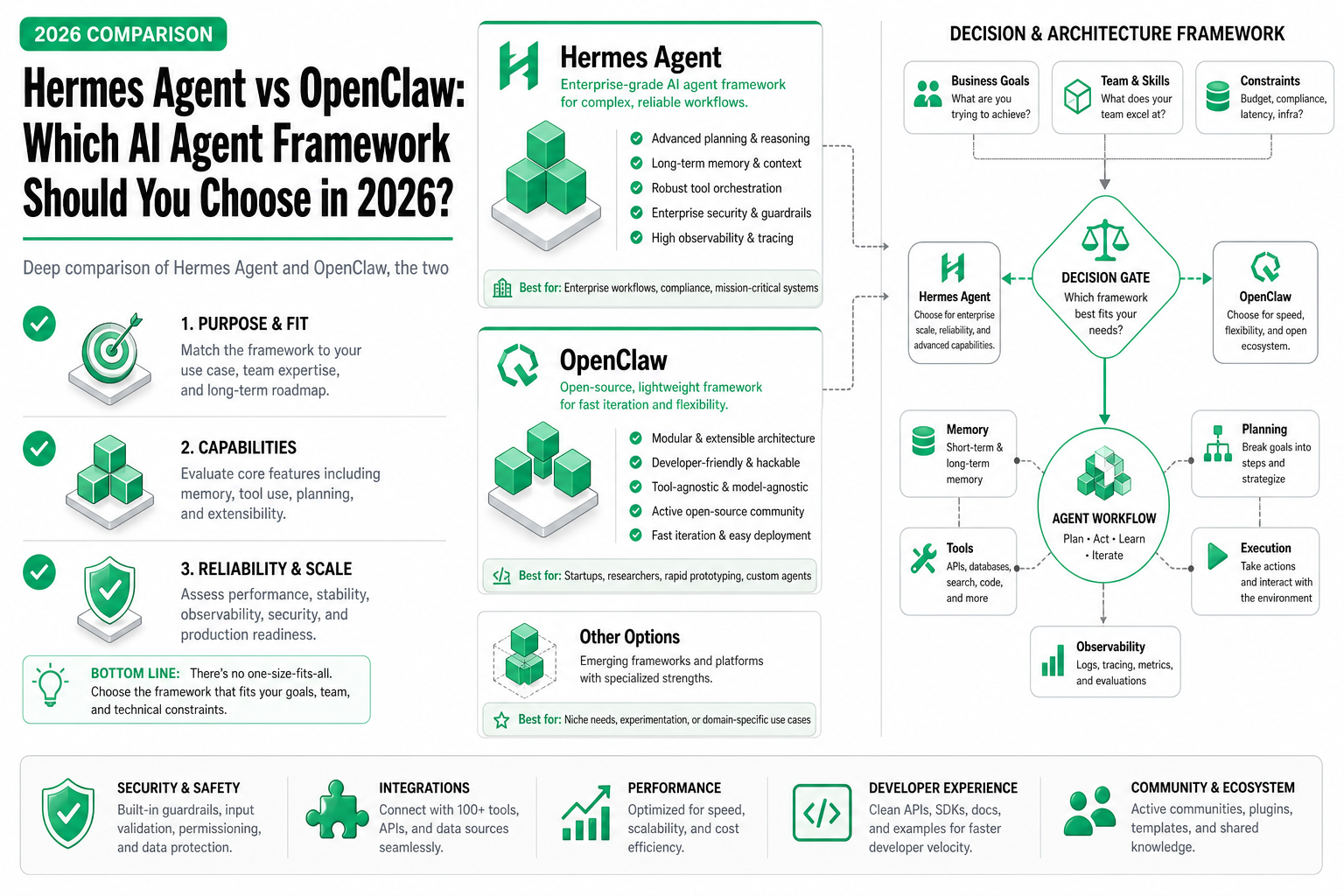
Deep comparison of Hermes Agent and OpenClaw for 2026. Architecture differences, self-improvement loops, deployment options, and when to choose each.
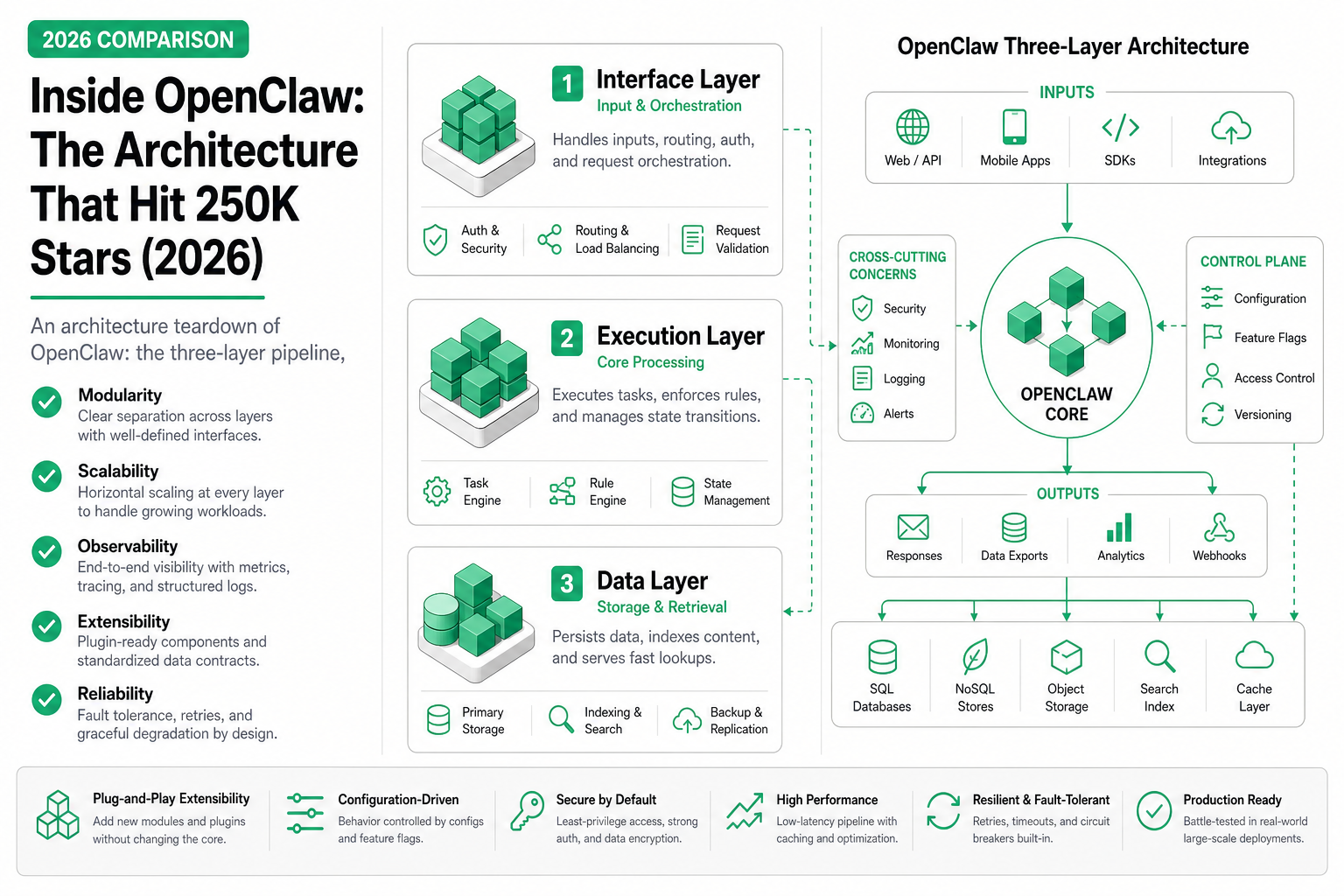
Architecture teardown of OpenClaw: three-layer pipeline, code execution sandbox, memory system, and how it achieves top SWE-bench scores with diagrams.
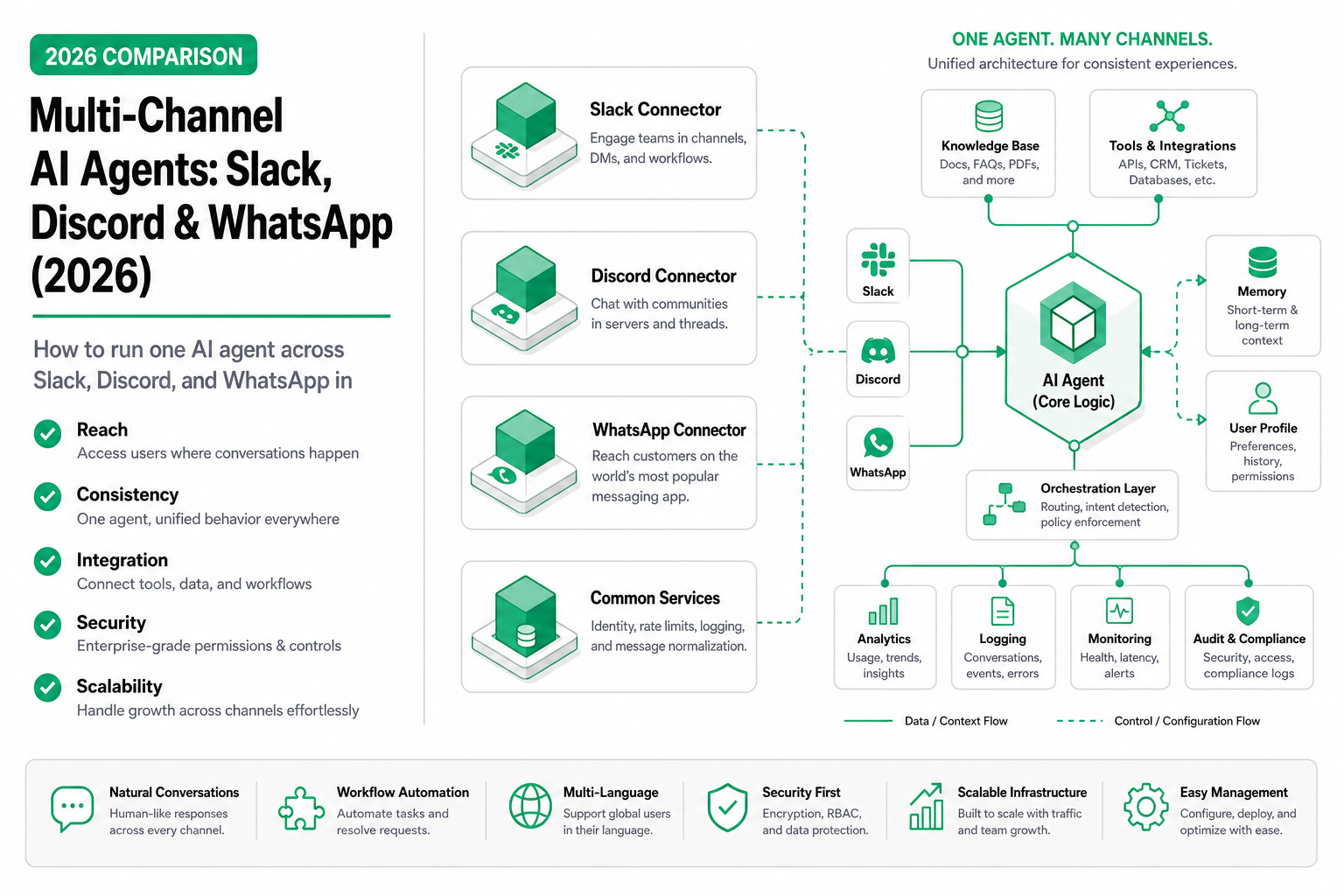
How to run one AI agent across Slack, Discord, and WhatsApp. Unified message handling, platform adapters, auth patterns, and deployment architecture.