ChatGPT Images 2.5: Editing, Sketch and API Pricing
SandBase explains ChatGPT Images 2.5 editing, Sketch and OpenAI API pricing, separating official demos from its version-unconfirmed ChatGPT web test.
SandBase explains ChatGPT Images 2.5 editing, Sketch and OpenAI API pricing, separating official demos from its version-unconfirmed ChatGPT web test.
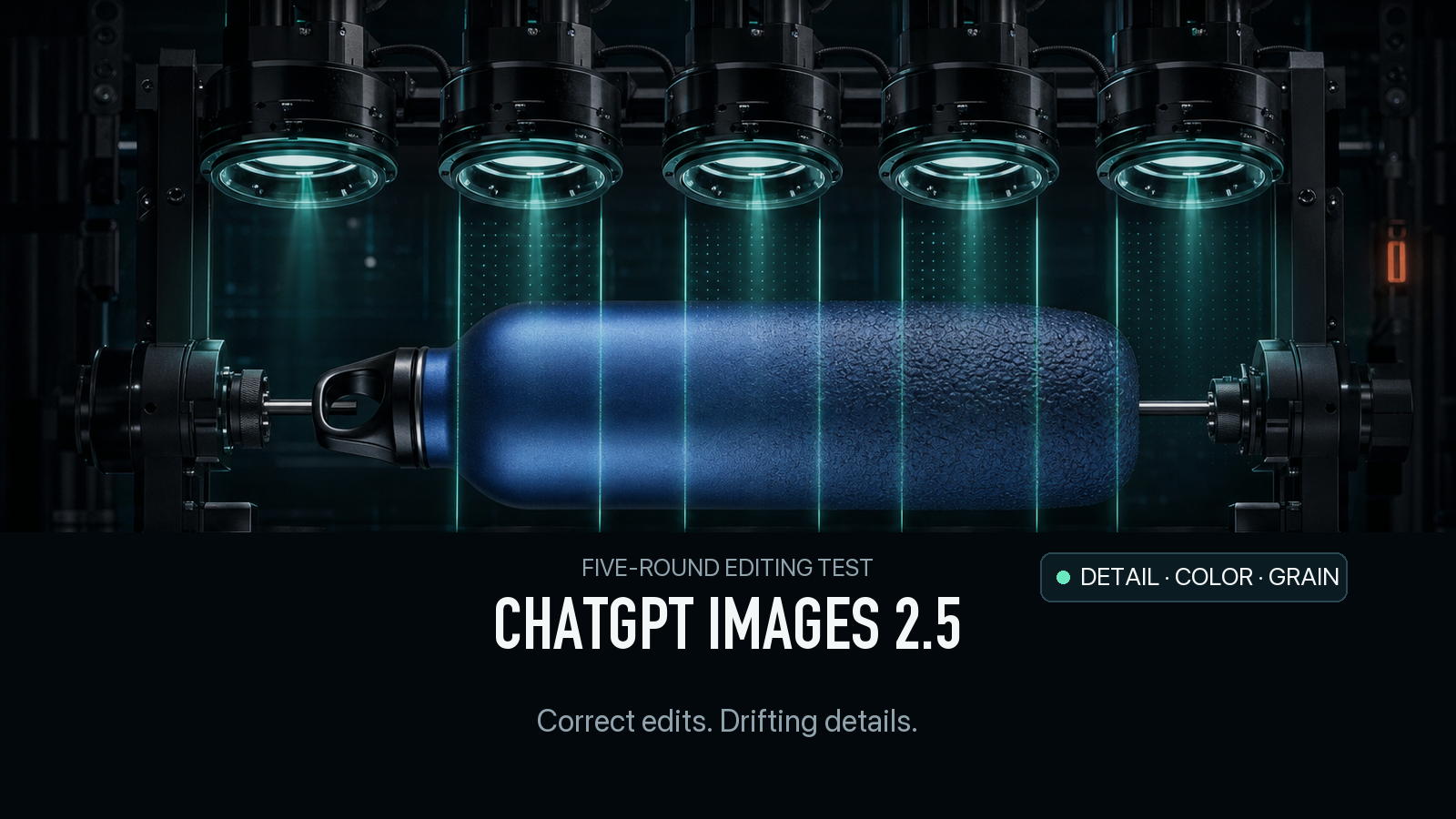
SandBase's ChatGPT Images 2.5 web-workflow test: five bottle edits, original PNGs and texture/color checks. The exact API backend was not exposed.
What the reported DeepSeek V4.1 Flash preview model ID means, how to configure an authorized test in Harness, and which API and multimodal details remain unverified.
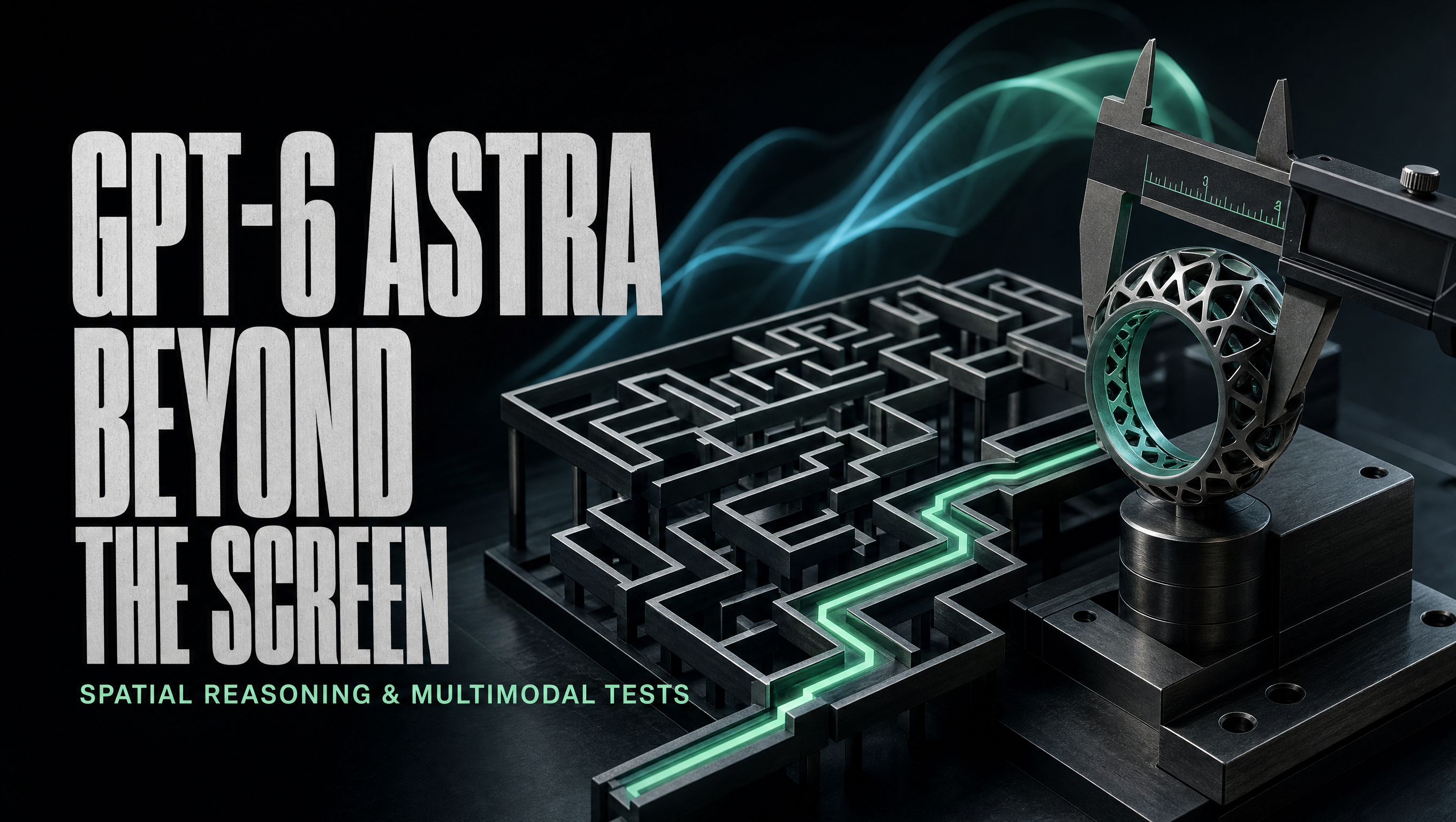
Astra scores 14% on MazeBench while developers demonstrate Fusion 360 parts, spectrogram interpretation and interactive molecules. What do these tests actually establish?
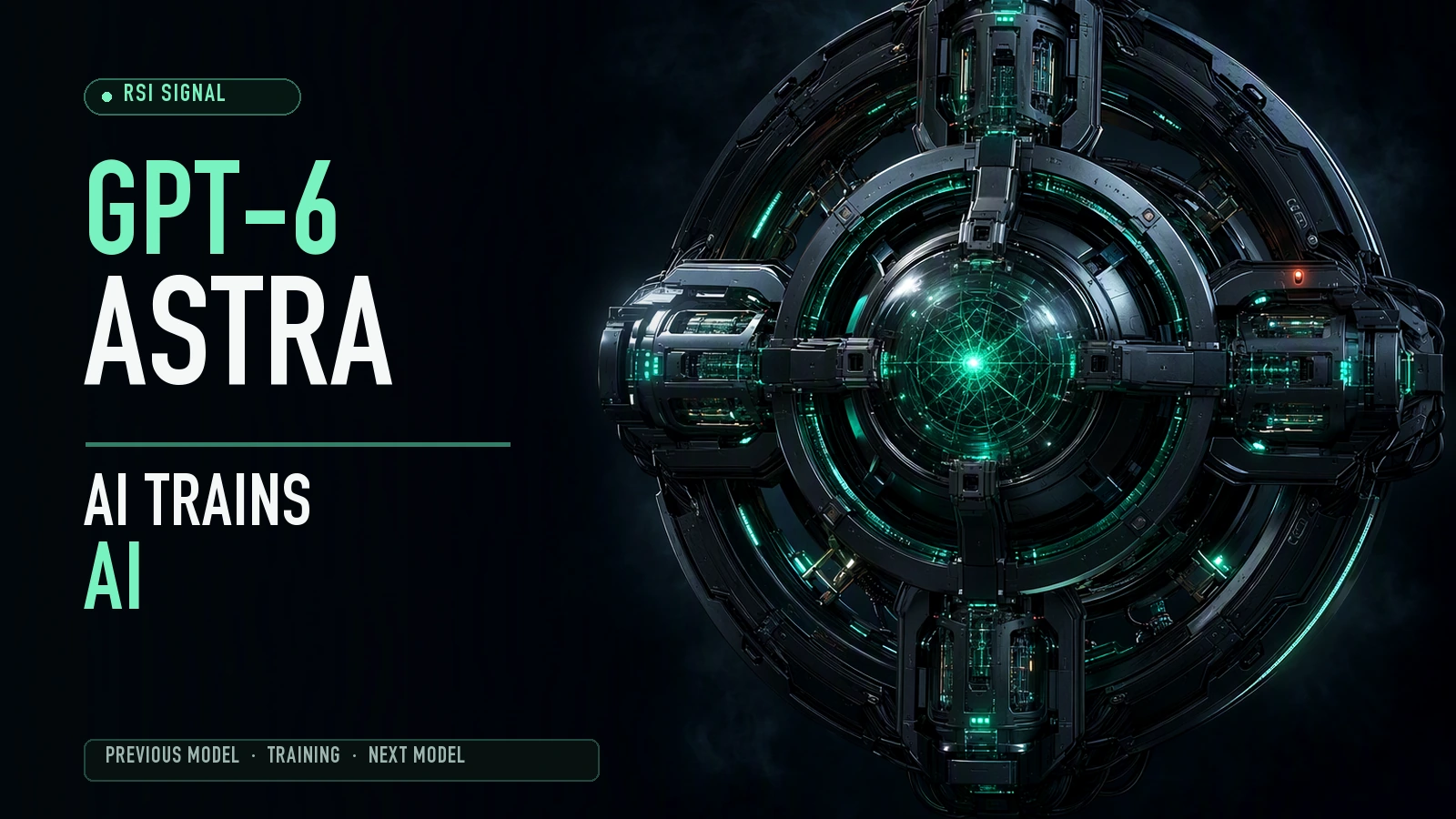
Does earlier AI helping train GPT-6 prove recursive self-improvement? Separate the disclosed evidence from inference and check what a repeatable improvement would require.
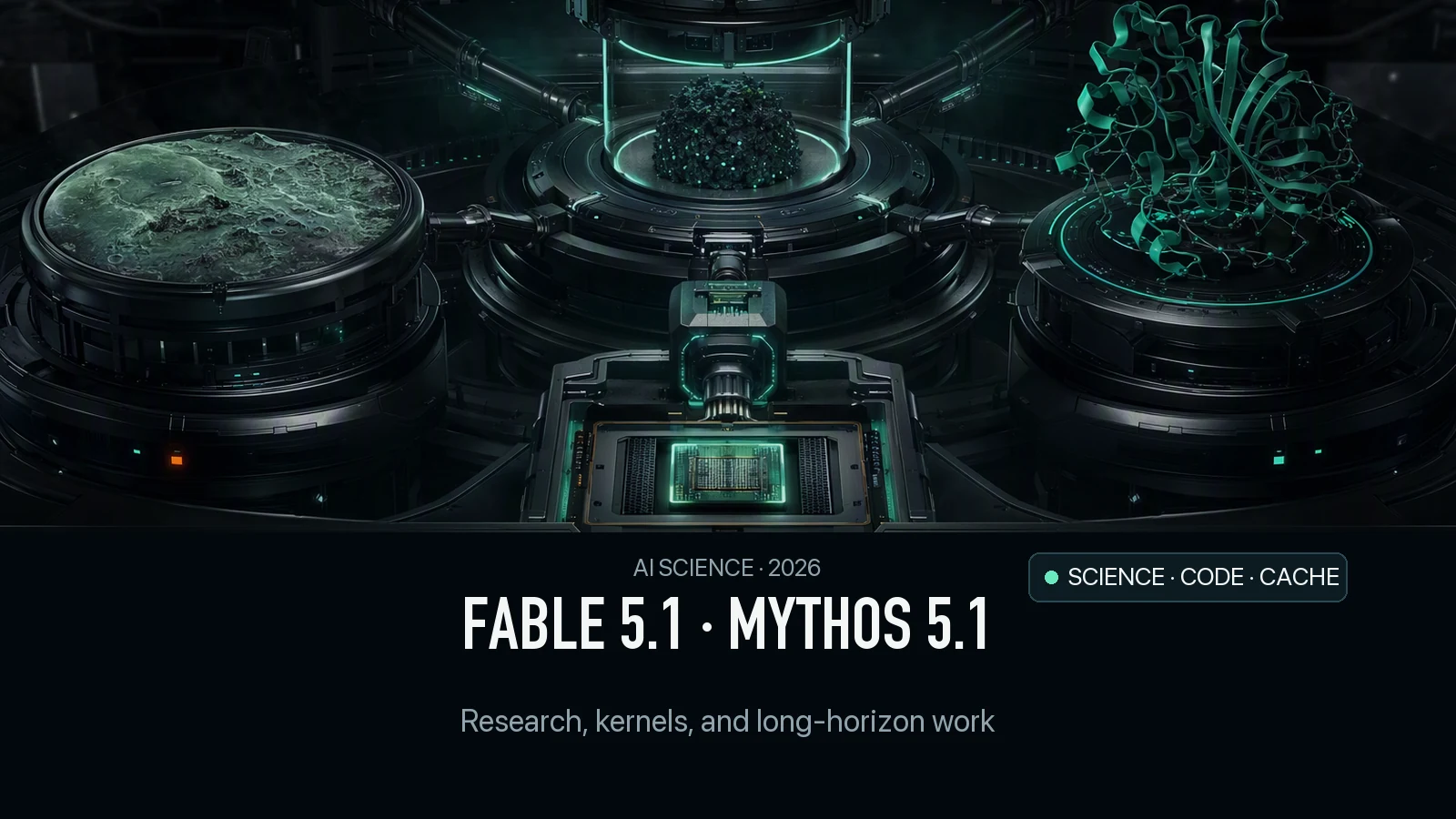
SandBase explains Claude Fable 5.1 coding results, API IDs and cache pricing, with a worked cost example and a separate Astra comparison using actual request bills.
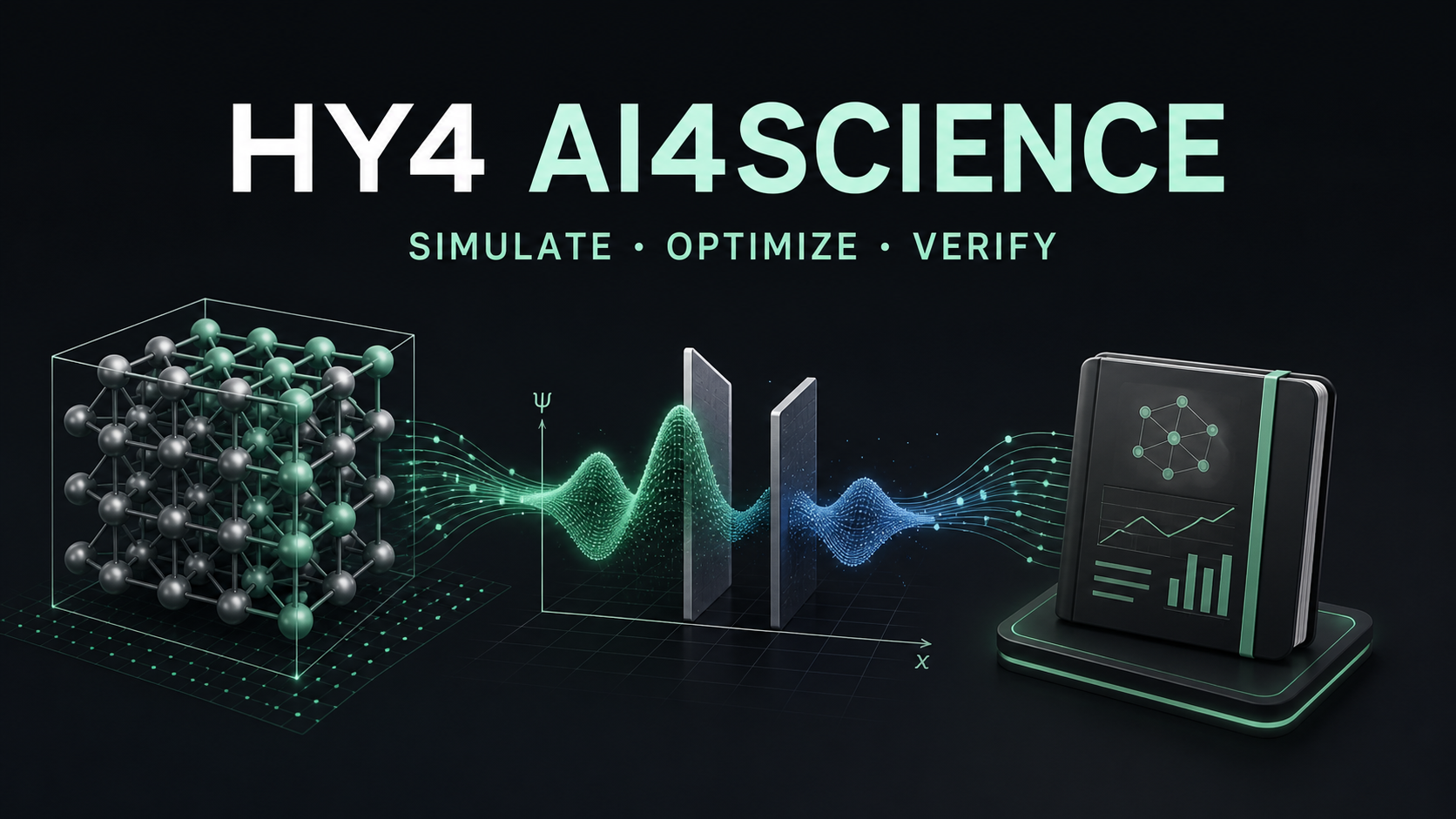
How to read Tencent's Hy4 preview science examples as reproducible research workflows rather than headline claims.
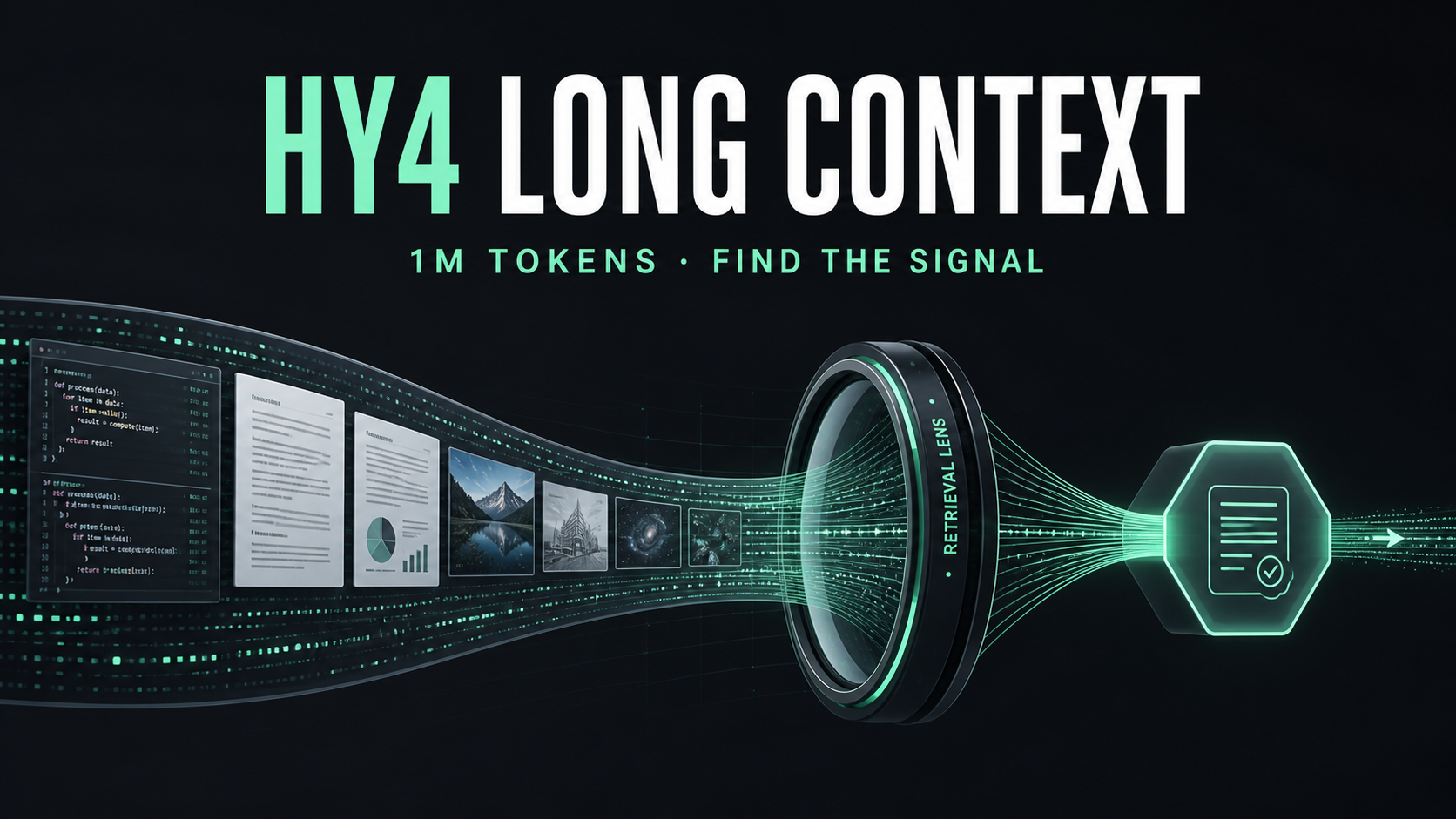
A practical test plan for Hy4 preview on long documents, code repositories, and multi-step agent work.
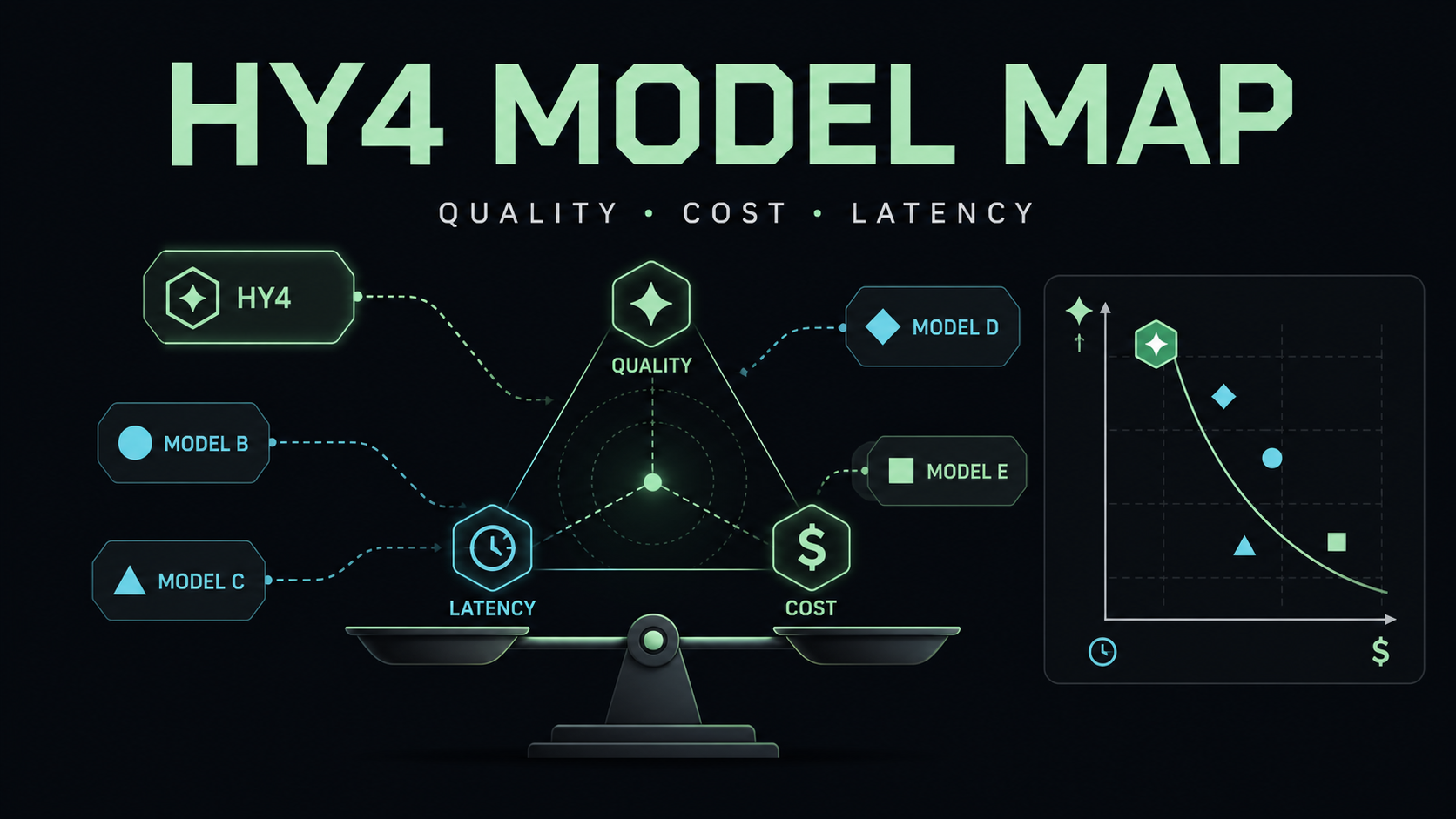
A reproducible comparison plan based on Tencent's internal Hy4 preview results, not a universal leaderboard claim.
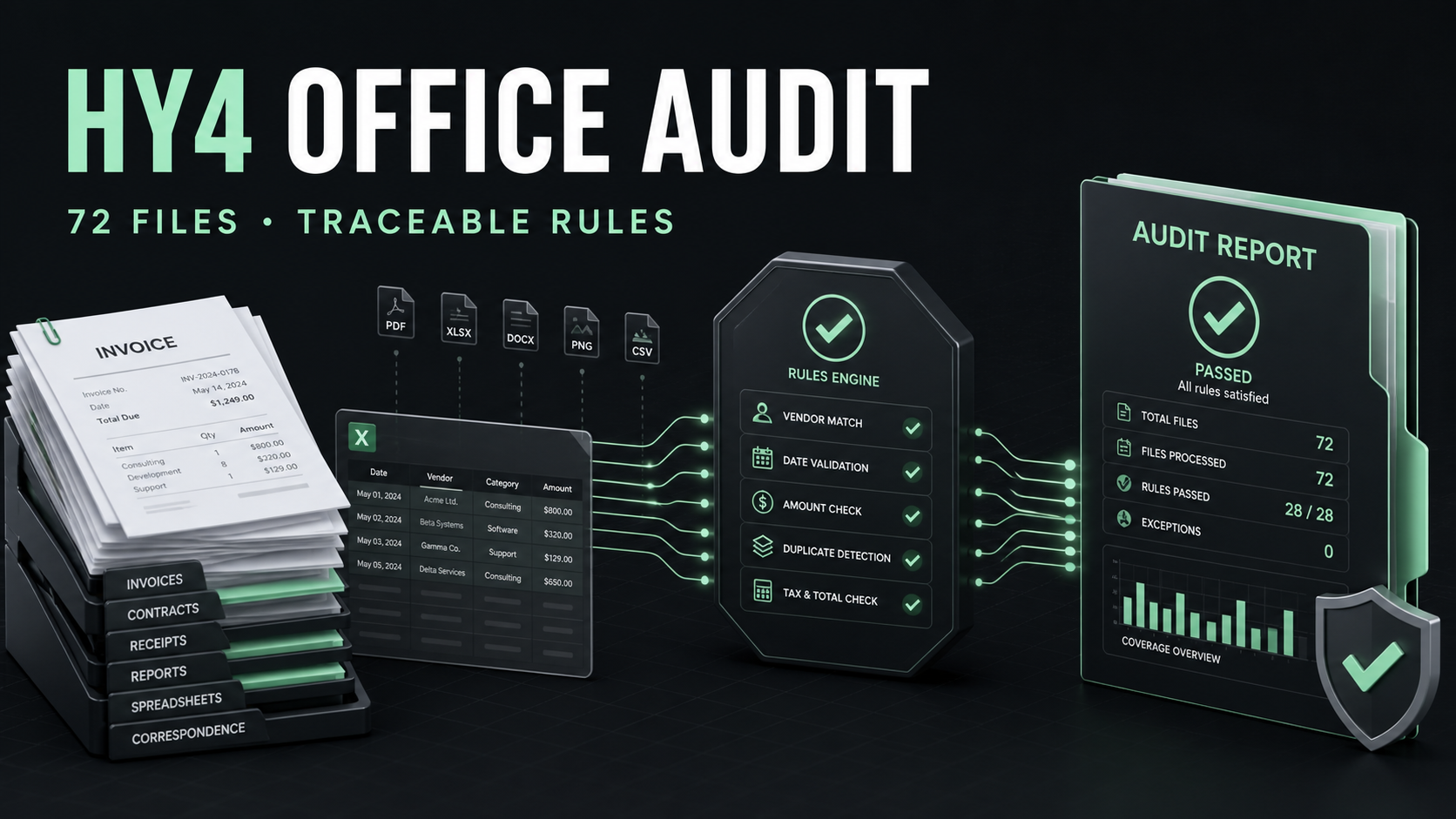
How to evaluate Hy4 preview on cross-file policy lookup, invoice checks, and auditable business workflows.
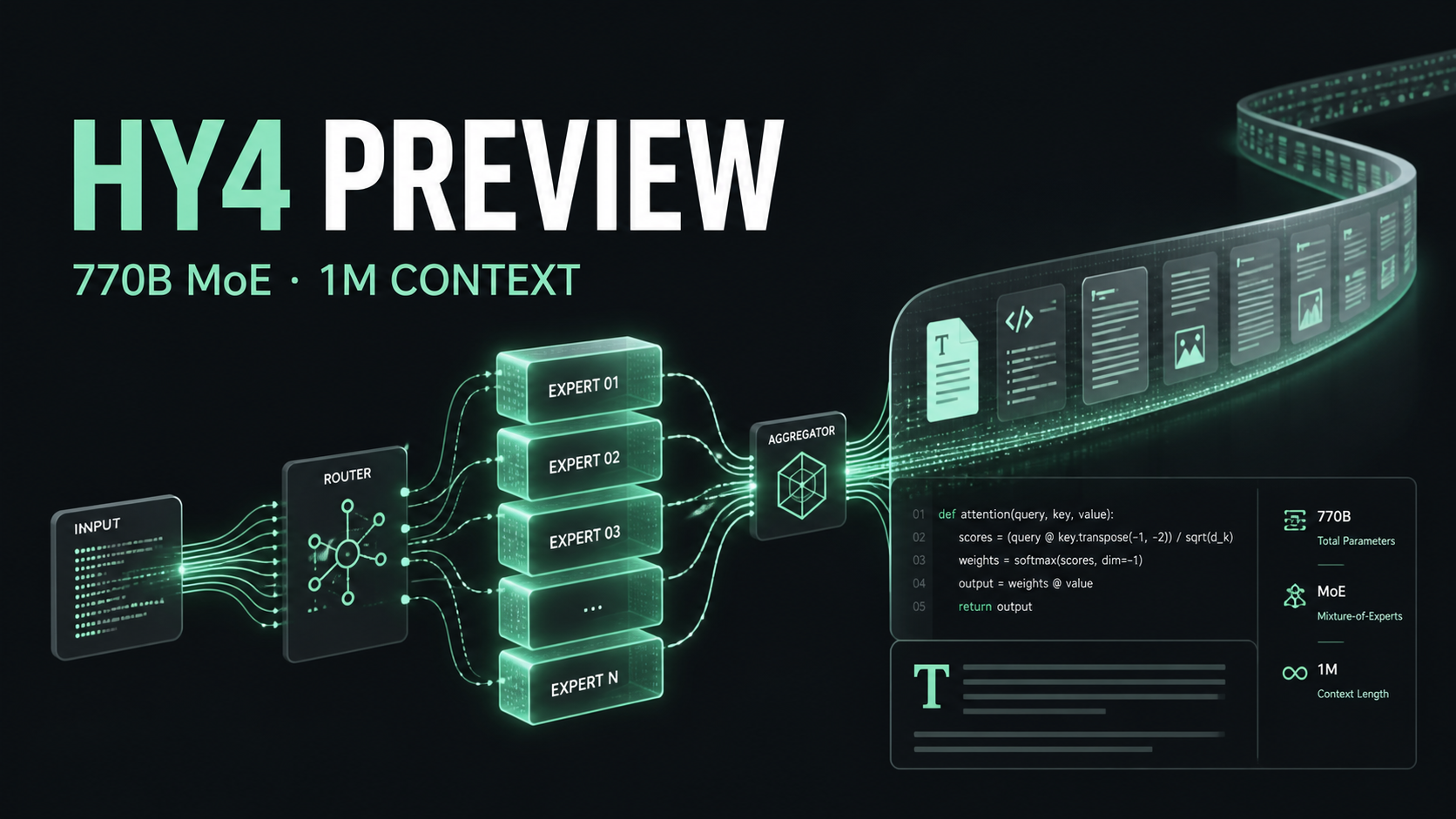
What Tencent's Hy4 preview announcement says about long-horizon coding, office analysis, game development, science workflows, and API access.
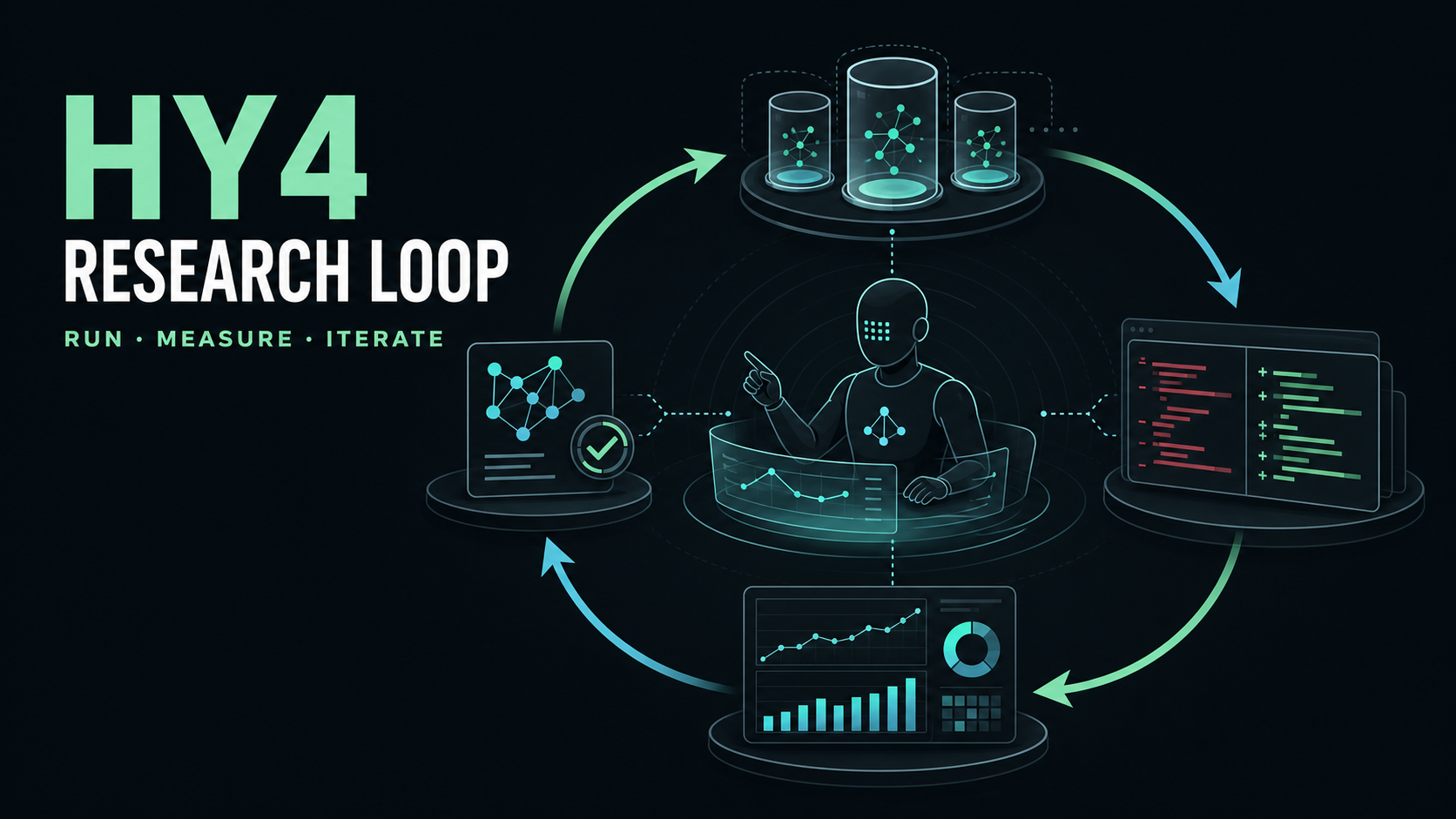
A careful reading of Tencent's claims about Hy4 preview, experiment orchestration, and inference optimization.
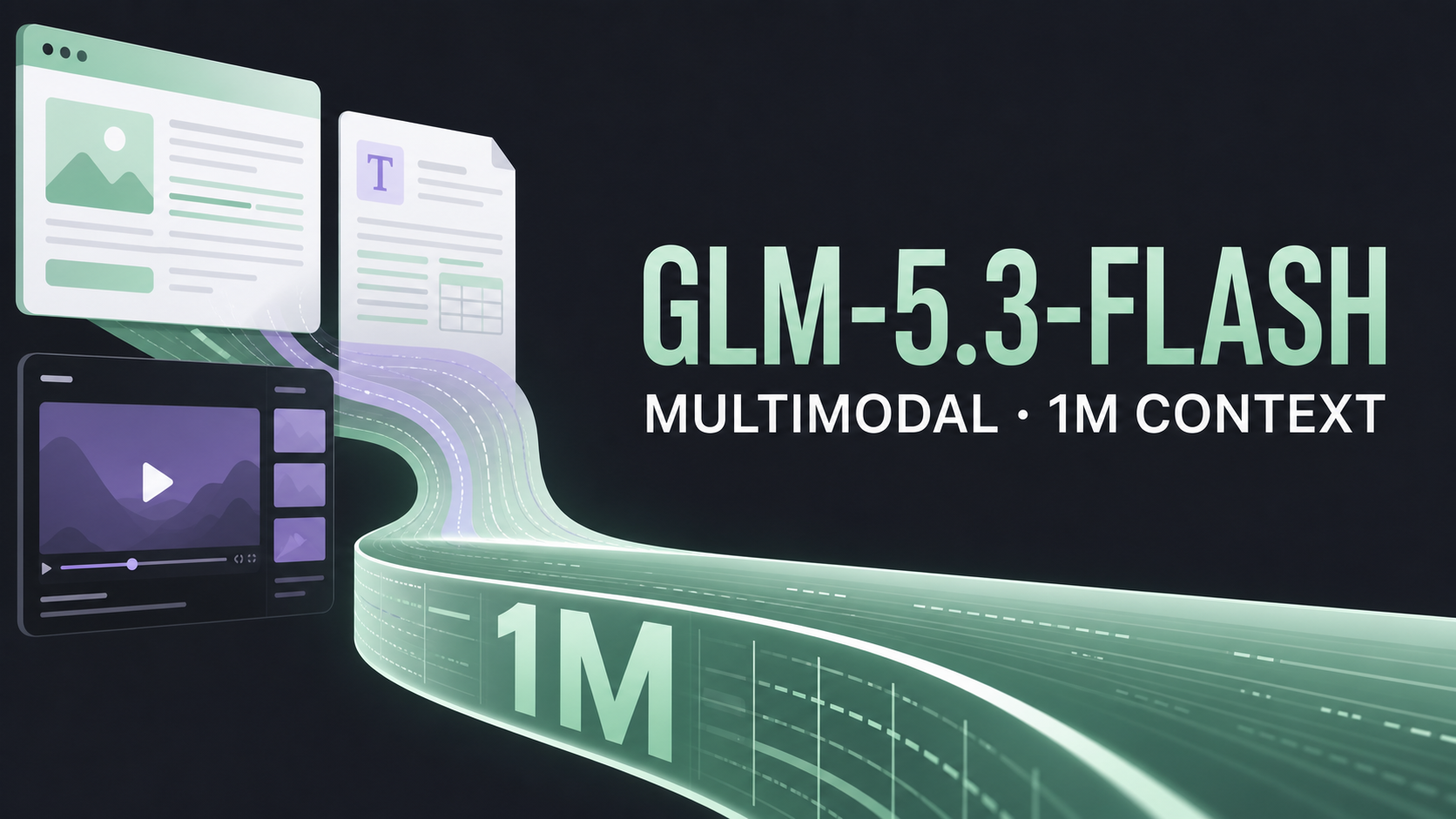
How GLM-5.3-Flash native multimodality and 1M-token context change browser, document, and visual agent workflows.
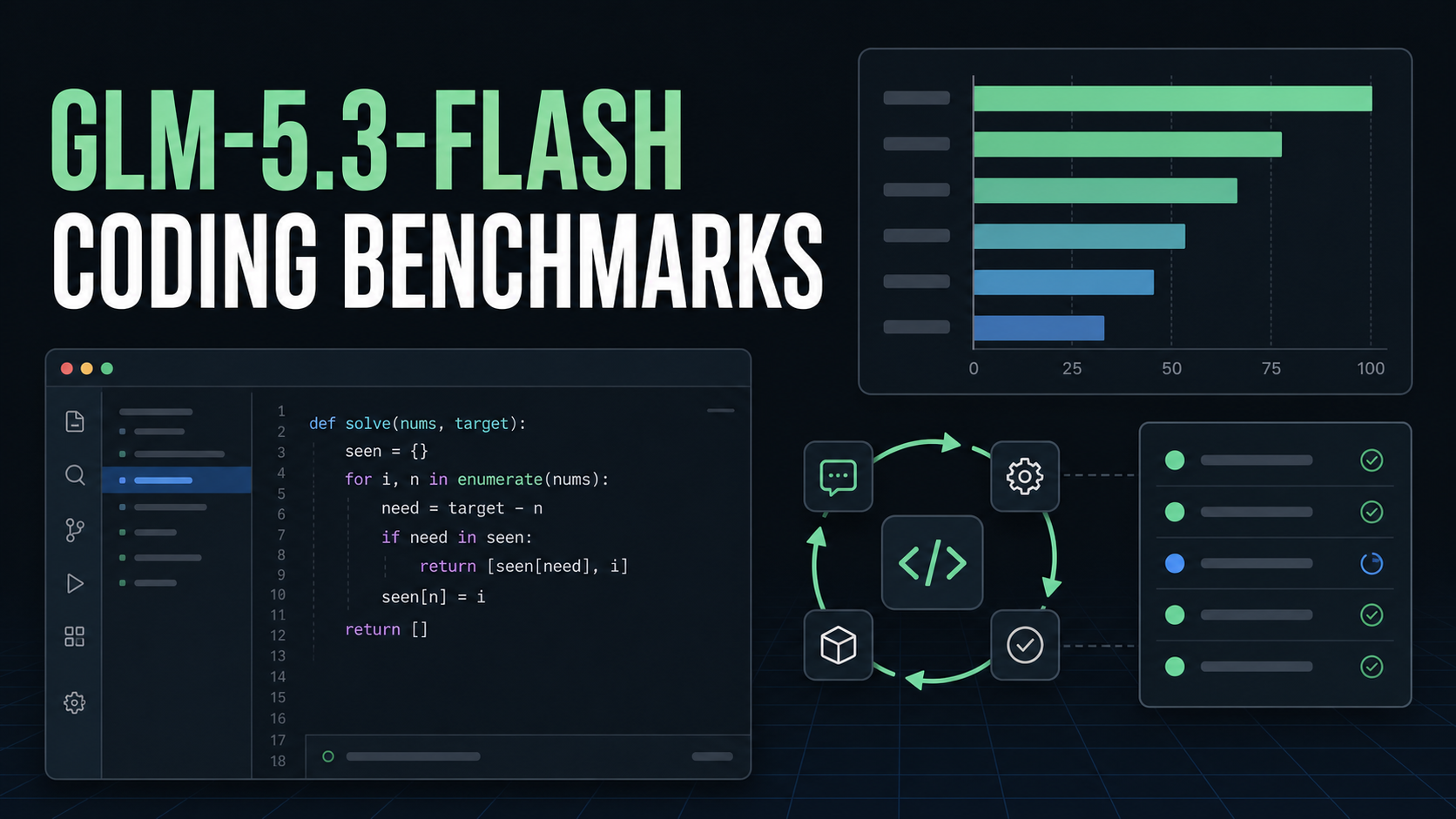
A careful reading of GLM-5.3-Flash coding and agent benchmarks, including vendor claims, token efficiency, and reproducible tests.
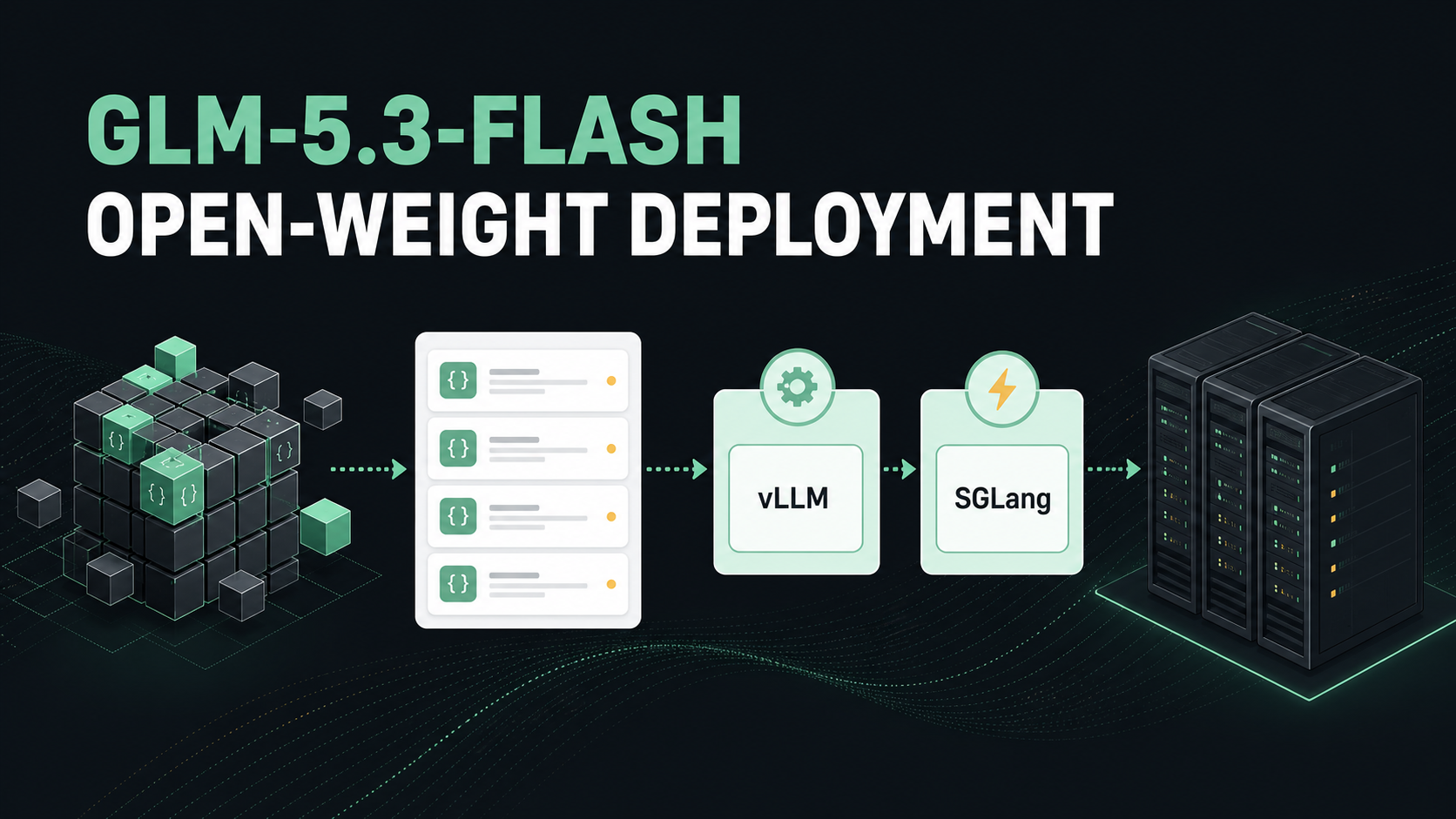
A hands-on guide to deploying GLM-5.3-Flash weights with Hugging Face, vLLM, SGLang, quantization, and production safeguards.
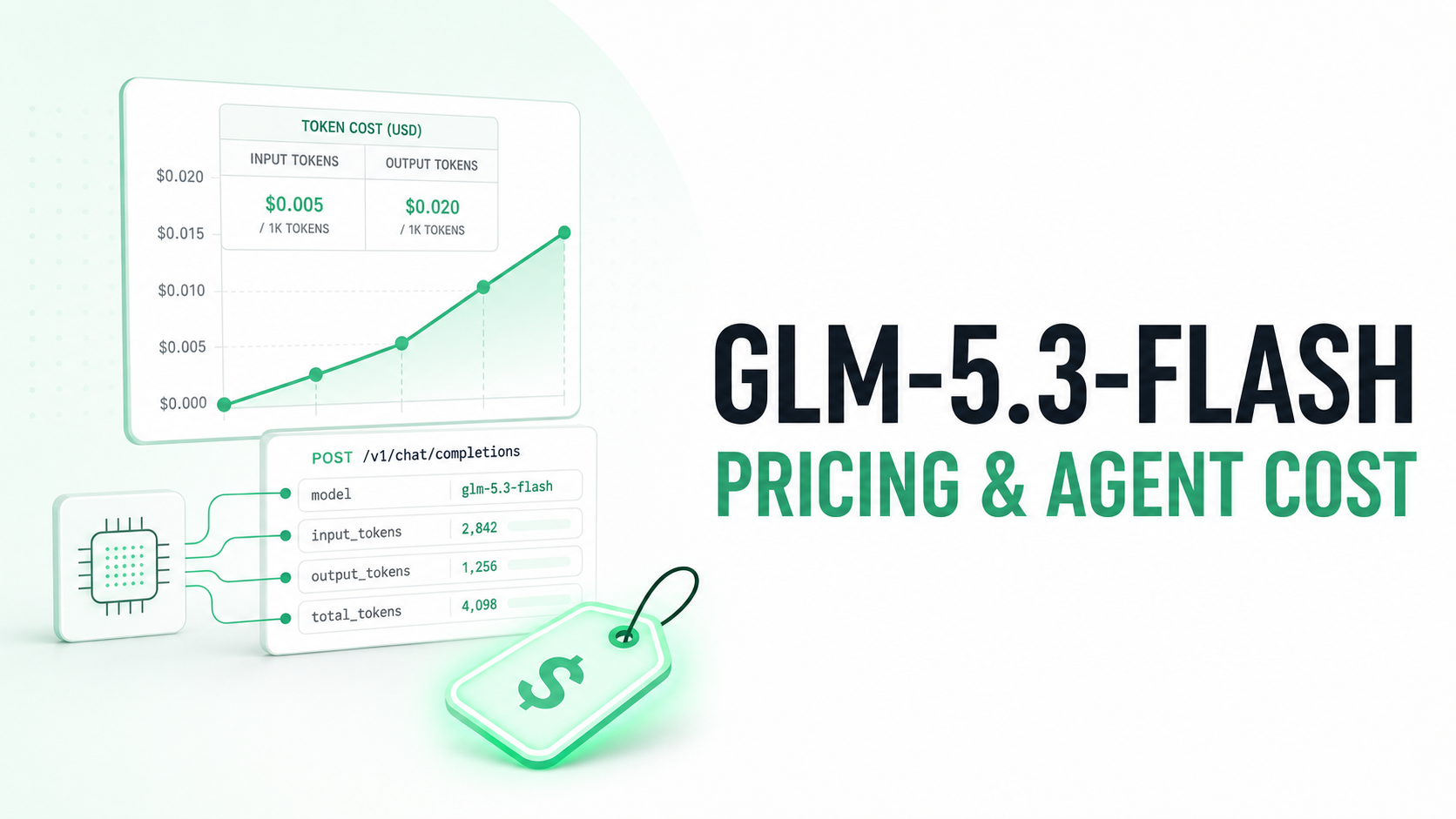
A cost guide to GLM-5.3-Flash token pricing, caching, routing, retries, and the real cost of successful agent workflows.
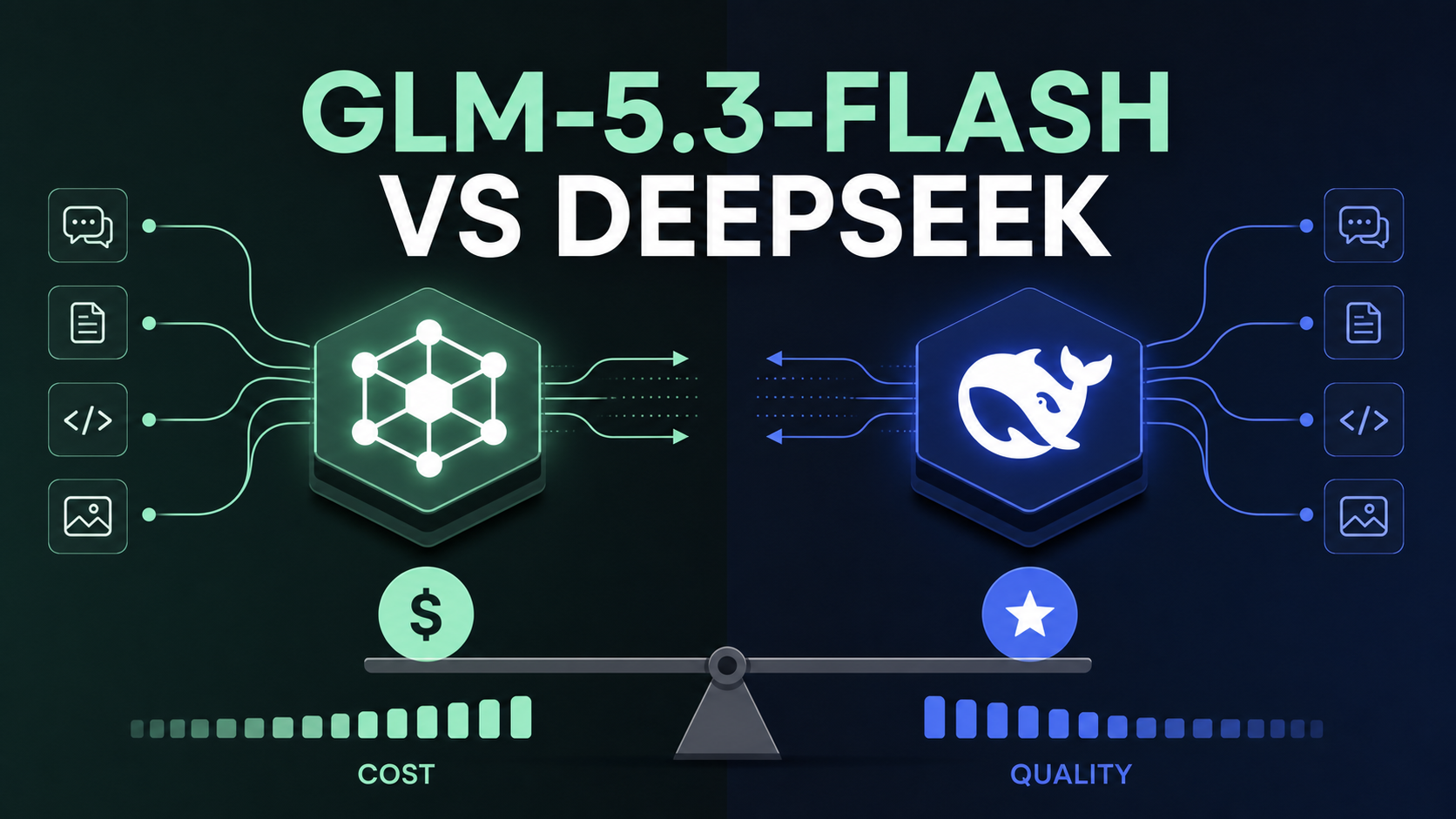
A practical GLM-5.3-Flash vs DeepSeek comparison covering agent quality, token pricing, latency, and successful-workflow cost.
A practical workflow for tracking AI model launches with X discovery, primary-source checks, and LLM-assisted evidence packets using SandBase.
A production checklist for moving an AI workflow to open-weight models: licensing, serving, evaluation, observability, fallback routing, and the limits of self-hosting.
Gemini 3.7 Flash launches at $0.75/$3.75 per million tokens, half the cost of 3.6 Flash. 1M context, multimodal, tunable thinking, strong tool use for agents.
Meta Muse Glimmer is a 30B dense multimodal model for local agentic workflows. Apache-2.0, runs on a single consumer GPU, calls tools and writes code locally.
GLM-5.3 release date and API pricing review: official coding and security benchmarks, API access, open-weight status, and changes from GLM-5.2.
DeepSeek V4 Pro 0813 exits preview quietly. 1.6T params MoE, 49B active, 1M context, priced at $0.87/M output — less than 2% of Claude Fable 5.
Meta announces Muse Glimmer, a 30B parameter open-weight model family designed to run on laptops and consumer devices—challenging cloud-only AI with on-device intelligence.
Huawei releases openPangu-2.0-Pro — a 505B parameter open-weight MoE model trained entirely on Ascend 910B NPUs. Architecture breakdown, hardware sovereignty implications, and honest assessment.
DeepSeek V4 Flash 0731 exits preview with 82.7 Terminal-Bench and 54.4 DeepSWE. 284B/13B MoE, 1M context, MIT license, at $0.14/$0.28 per million tokens. Agent benchmarks beat V4-Pro-Preview.
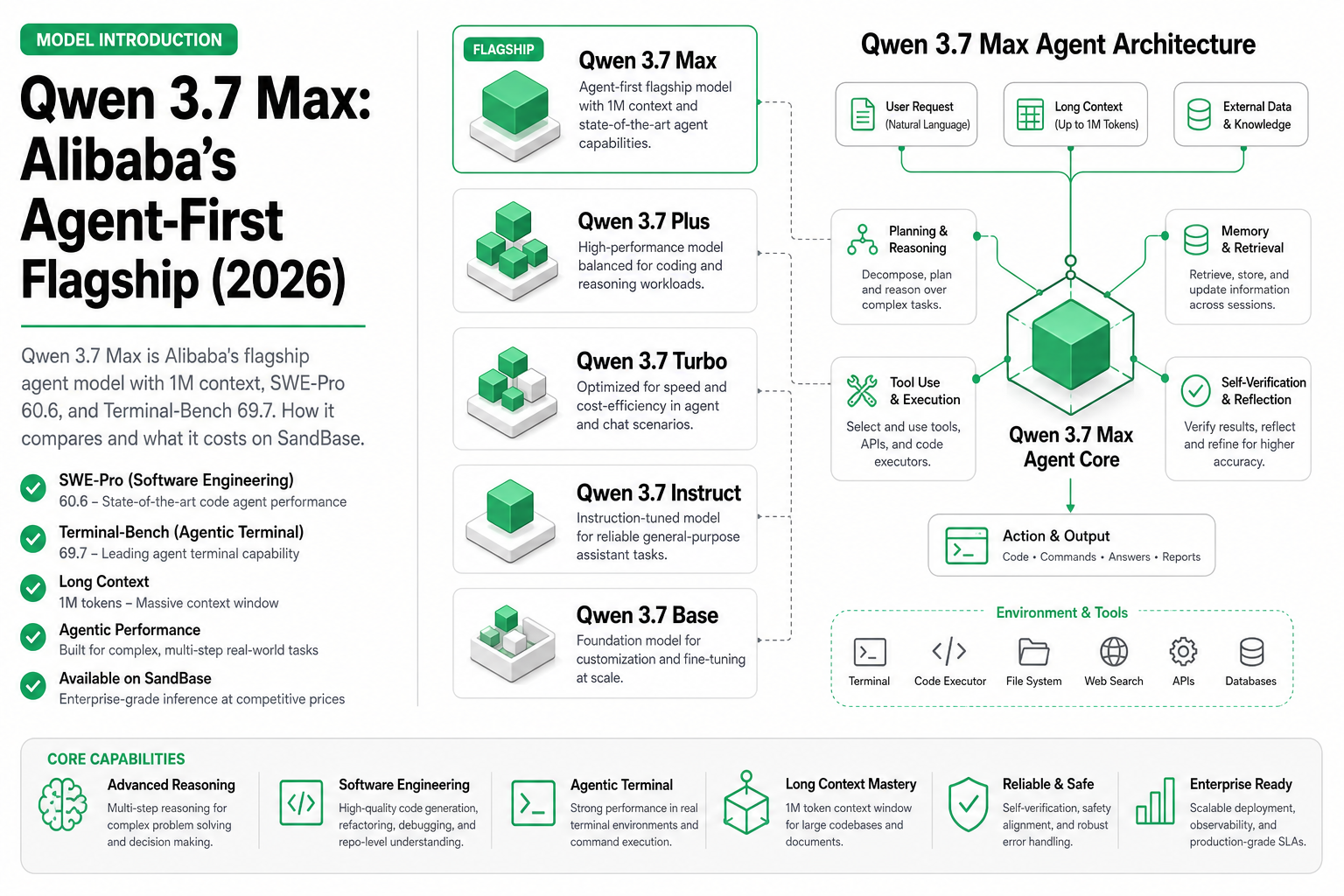
Qwen 3.7 Max is Alibaba's flagship agent model with 1M context, SWE-Pro 60.6, and Terminal-Bench 69.7. How it compares and what it costs on SandBase.
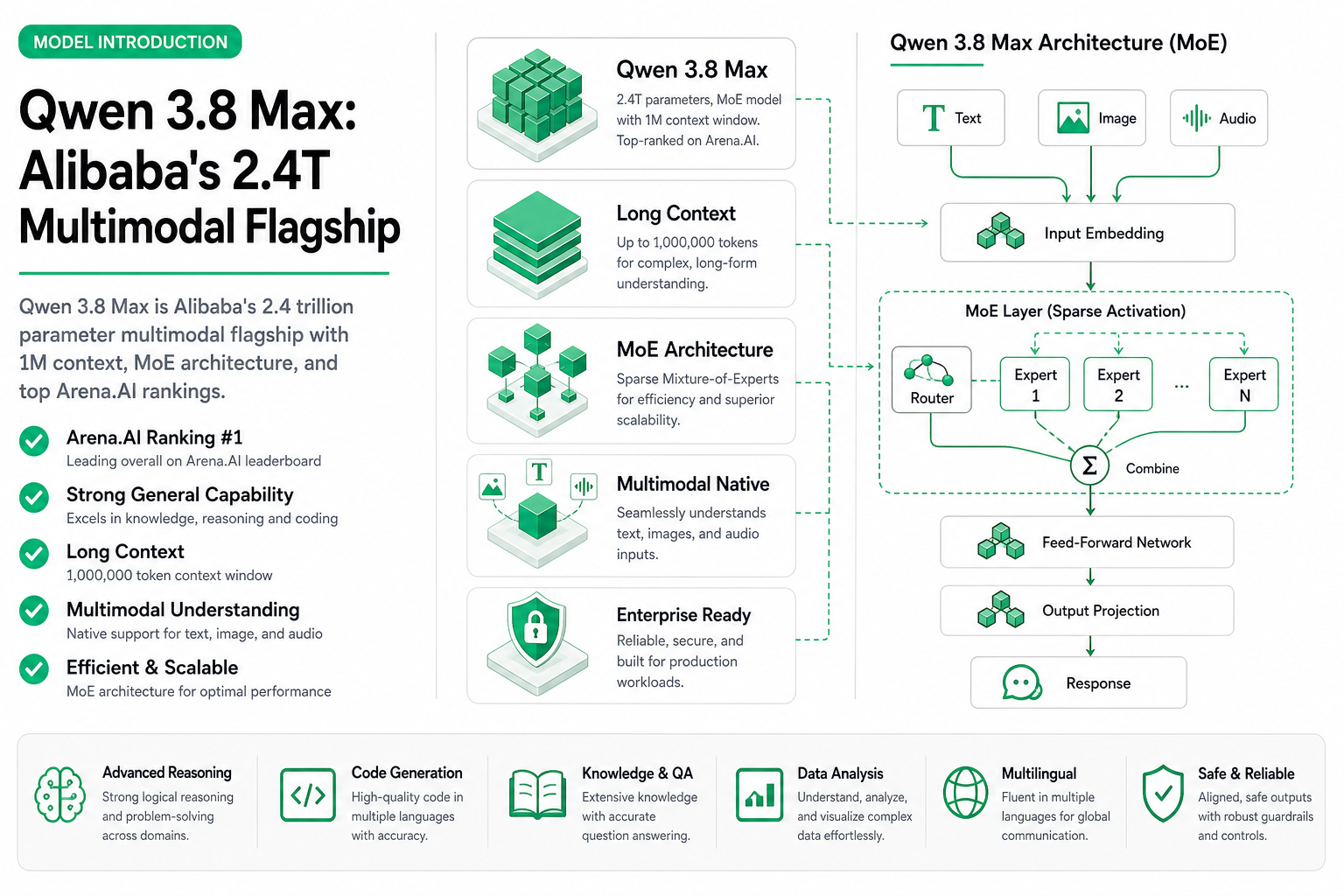
Qwen 3.8 Max is Alibaba's 2.4 trillion parameter multimodal flagship with 1M context, MoE architecture, and top Arena.AI rankings. Specs, pricing, and how to access it on SandBase.
Claude Opus 5 pricing and review for 2026: 1M context, $5/M input, $25/M output, API limits, adaptive thinking, effort controls, and Opus vs Sonnet trade-offs.
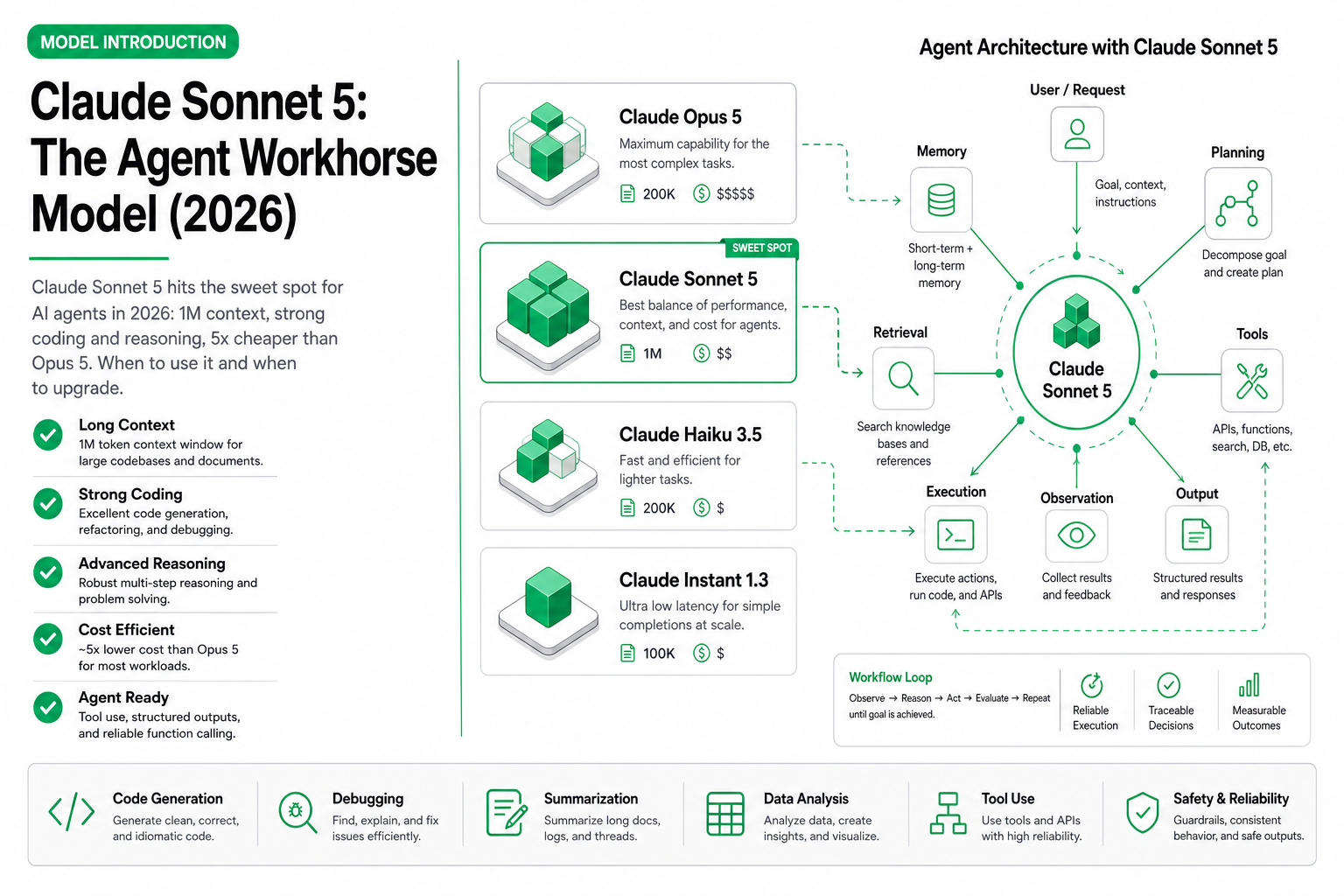
Claude Sonnet 5 is a practical 2026 starting point for many AI agents: 1M context, strong coding and reasoning, and a listed $2/$10 per MTok price. When to upgrade to Opus 5.
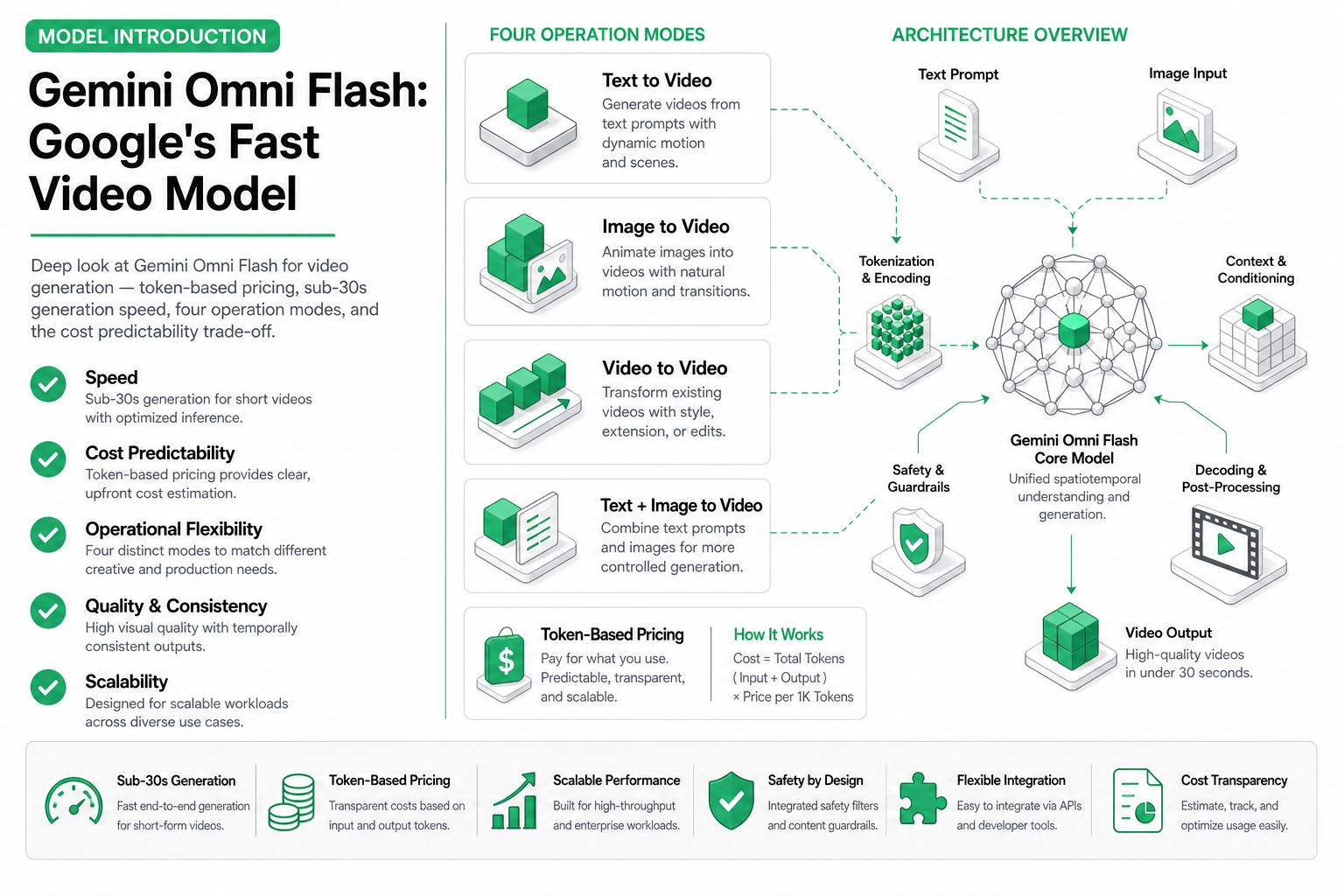
Deep look at Gemini Omni Flash for video generation — token-based pricing, sub-30s generation speed, four operation modes, and the cost predictability trade-off.
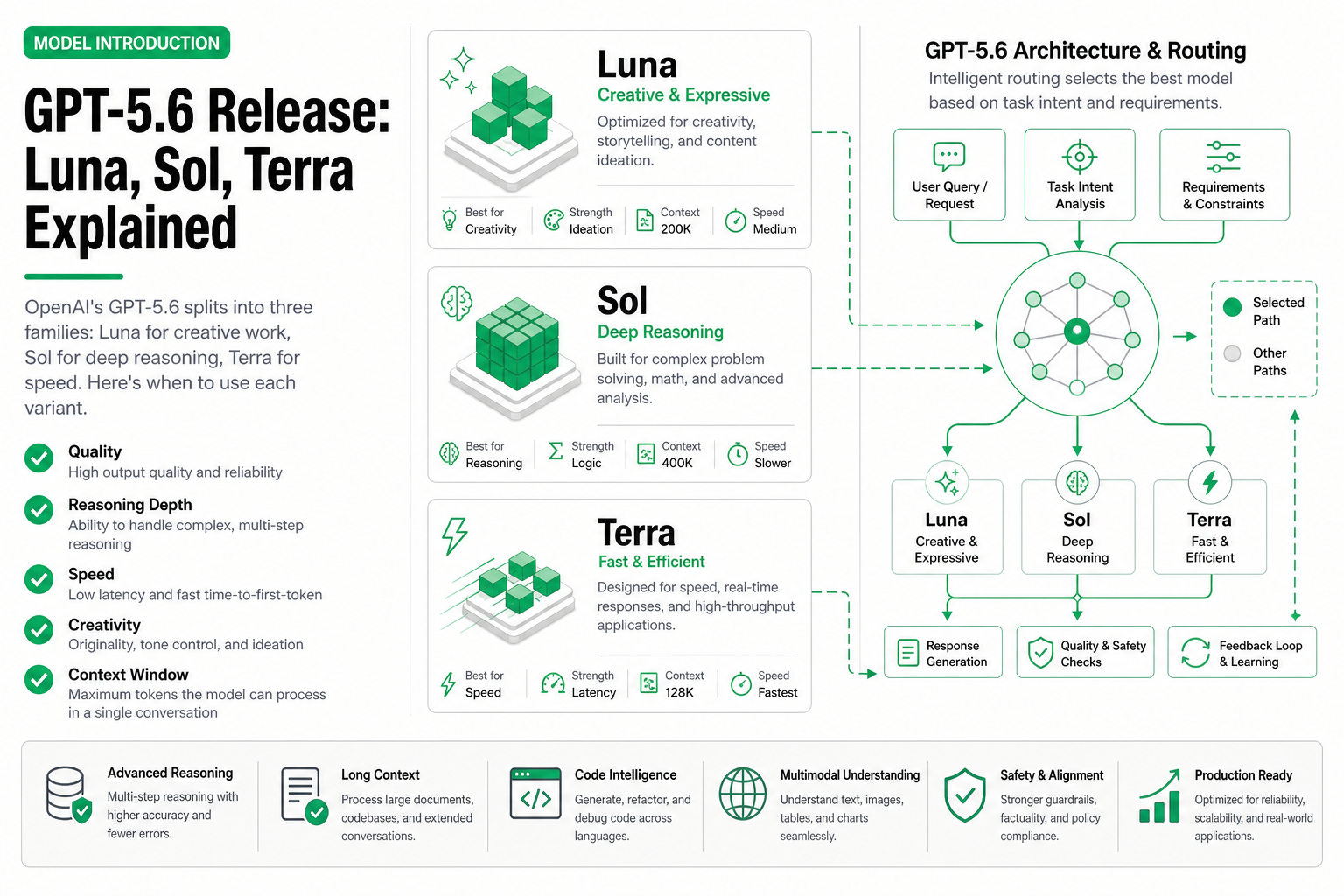
OpenAI's GPT-5.6 splits into three families: Luna for creative work, Sol for deep reasoning, Terra for speed. Here's when to use each variant.
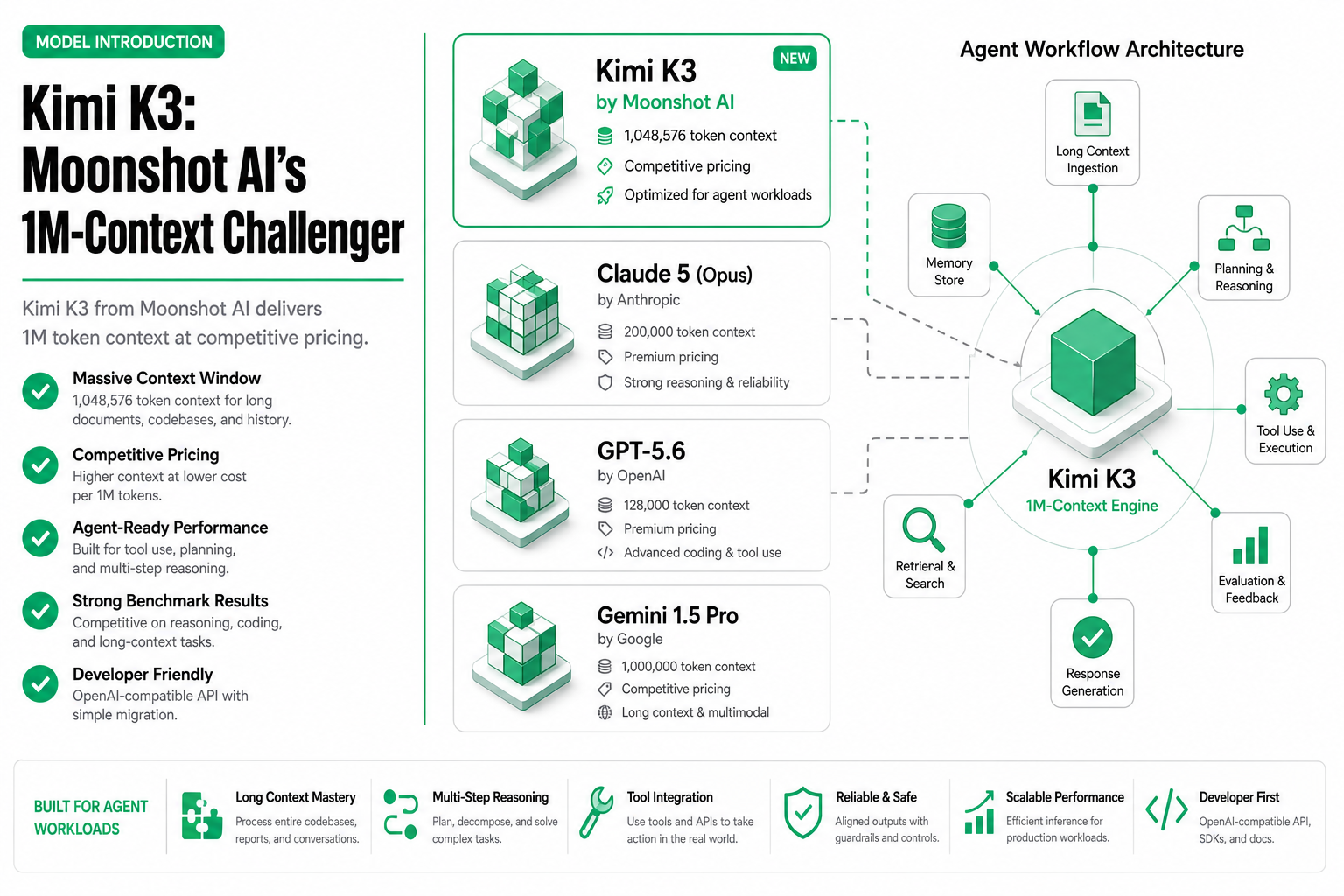
Kimi K3 from Moonshot AI delivers 1M token context at competitive pricing. How it stacks up against Claude 5 and GPT-5.6 for agent workloads.
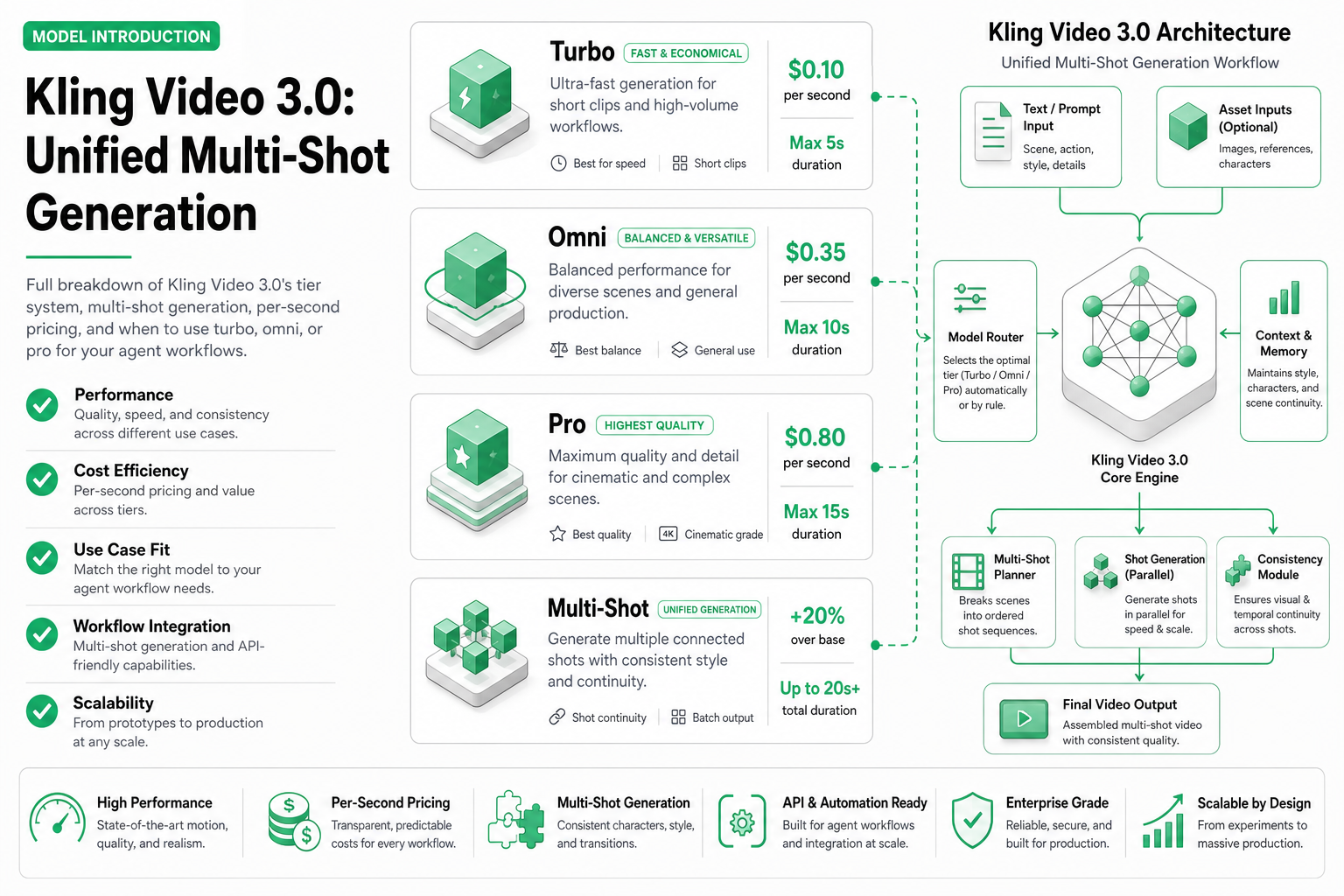
Full breakdown of Kling Video 3.0's tier system, multi-shot generation, per-second pricing, and when to use turbo, omni, or pro for your agent workflows.
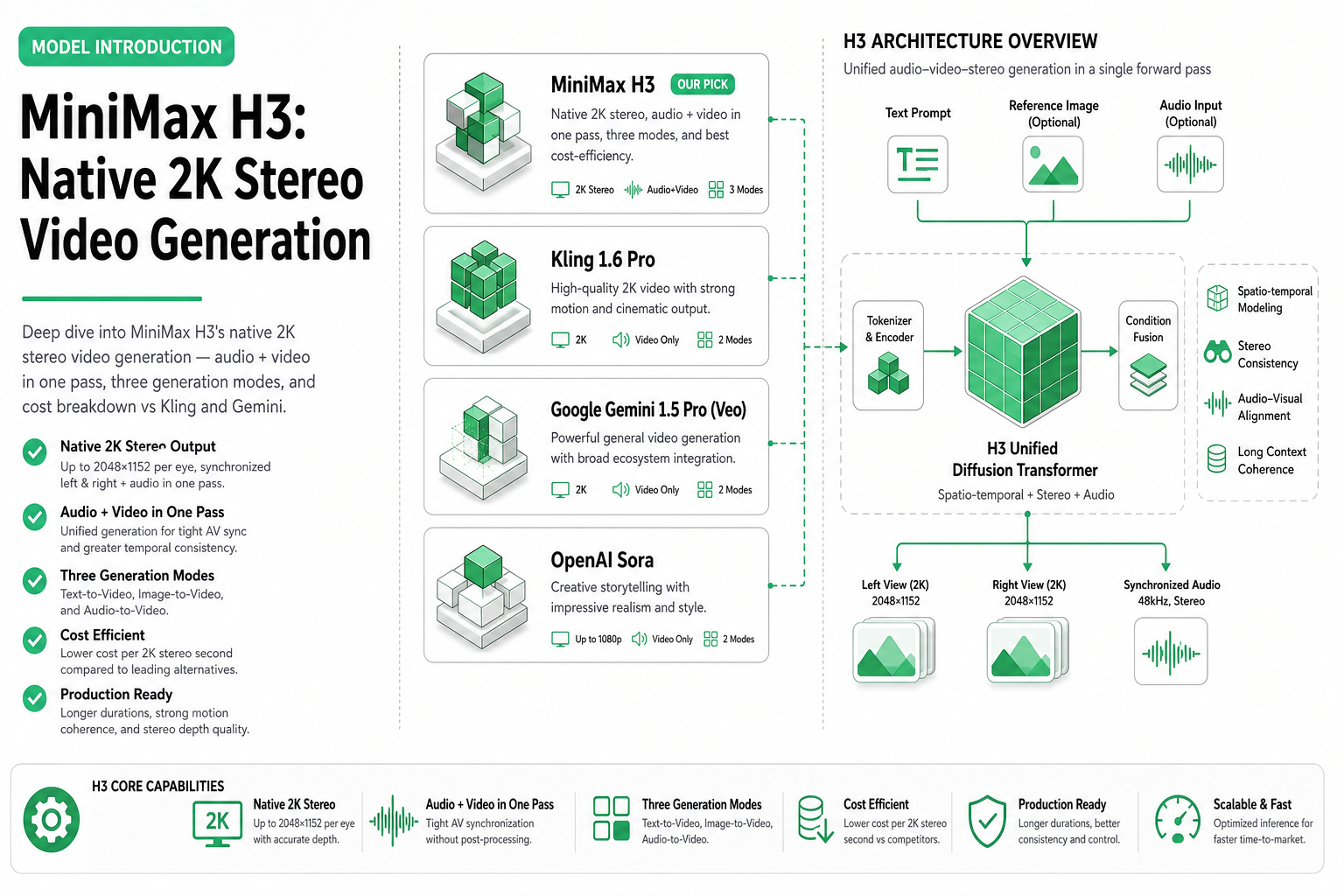
Deep dive into MiniMax H3's native 2K stereo video generation — audio + video in one pass, three generation modes, and cost breakdown vs Kling and Gemini.
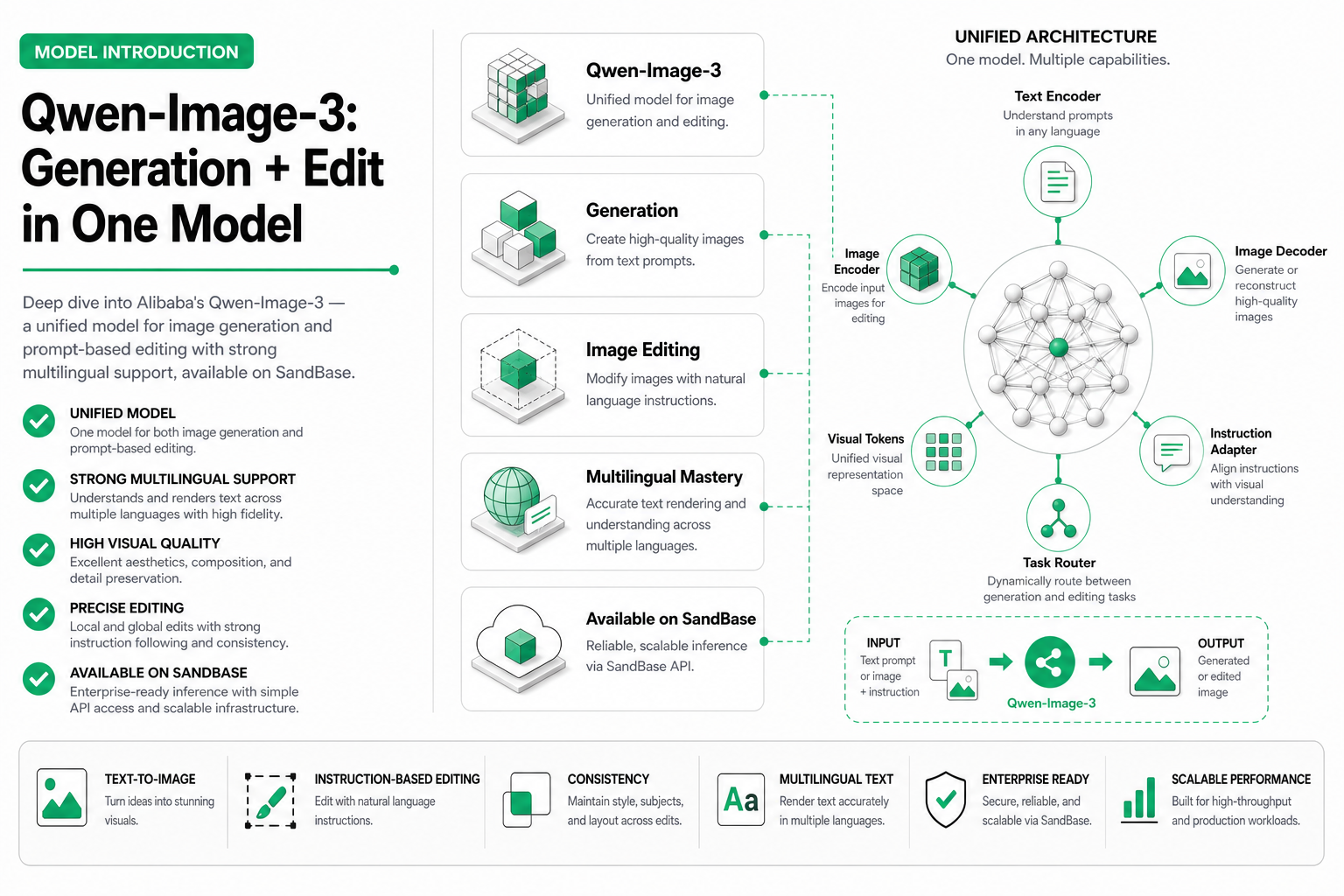
Deep dive into Alibaba's Qwen-Image-3 — a unified model for image generation and prompt-based editing with strong multilingual support, available on SandBase.
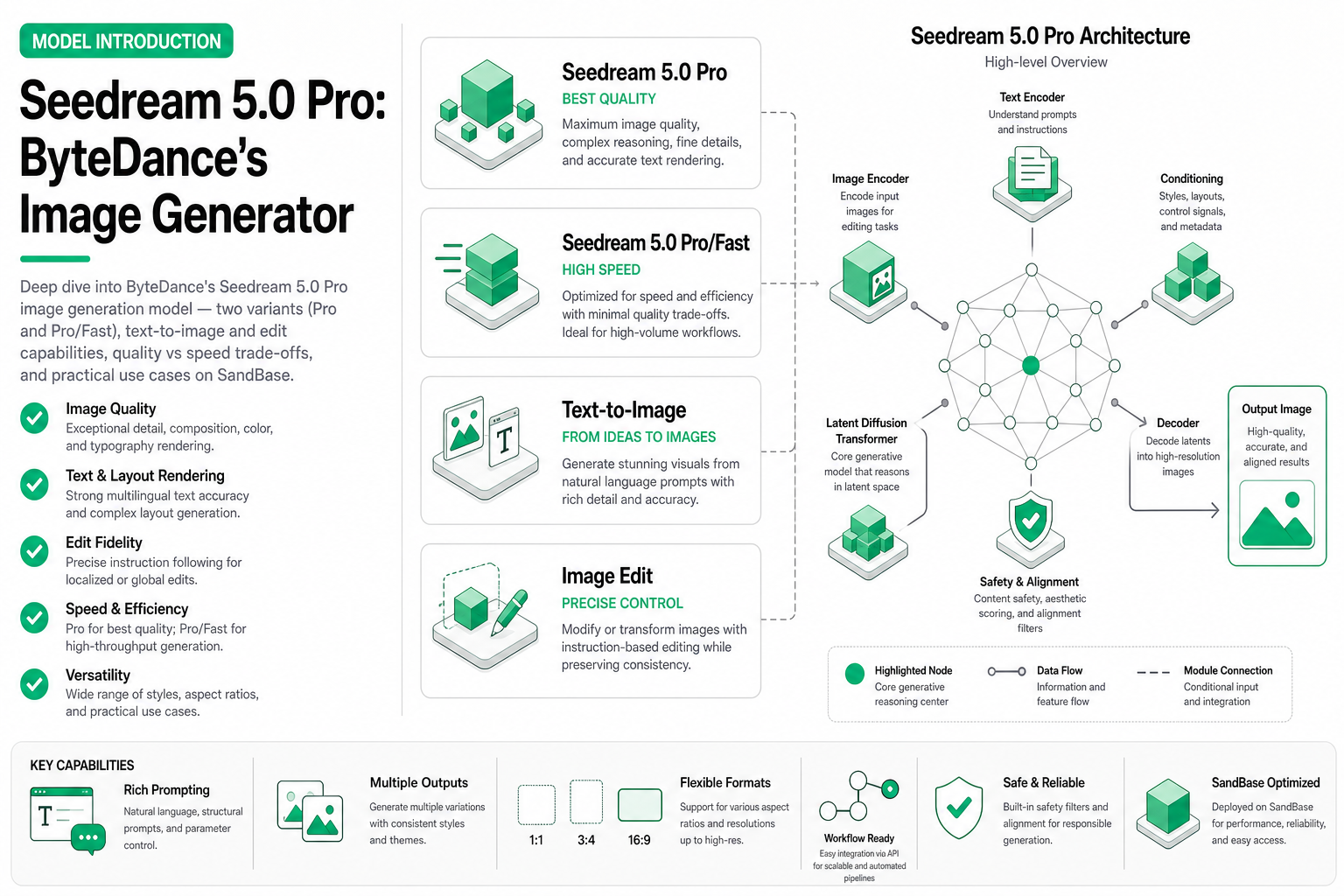
Deep dive into ByteDance's Seedream 5.0 Pro image generation model — two variants (Pro and Pro/Fast), text-to-image and edit capabilities, quality vs speed trade-offs, and practical use cases on SandBase.
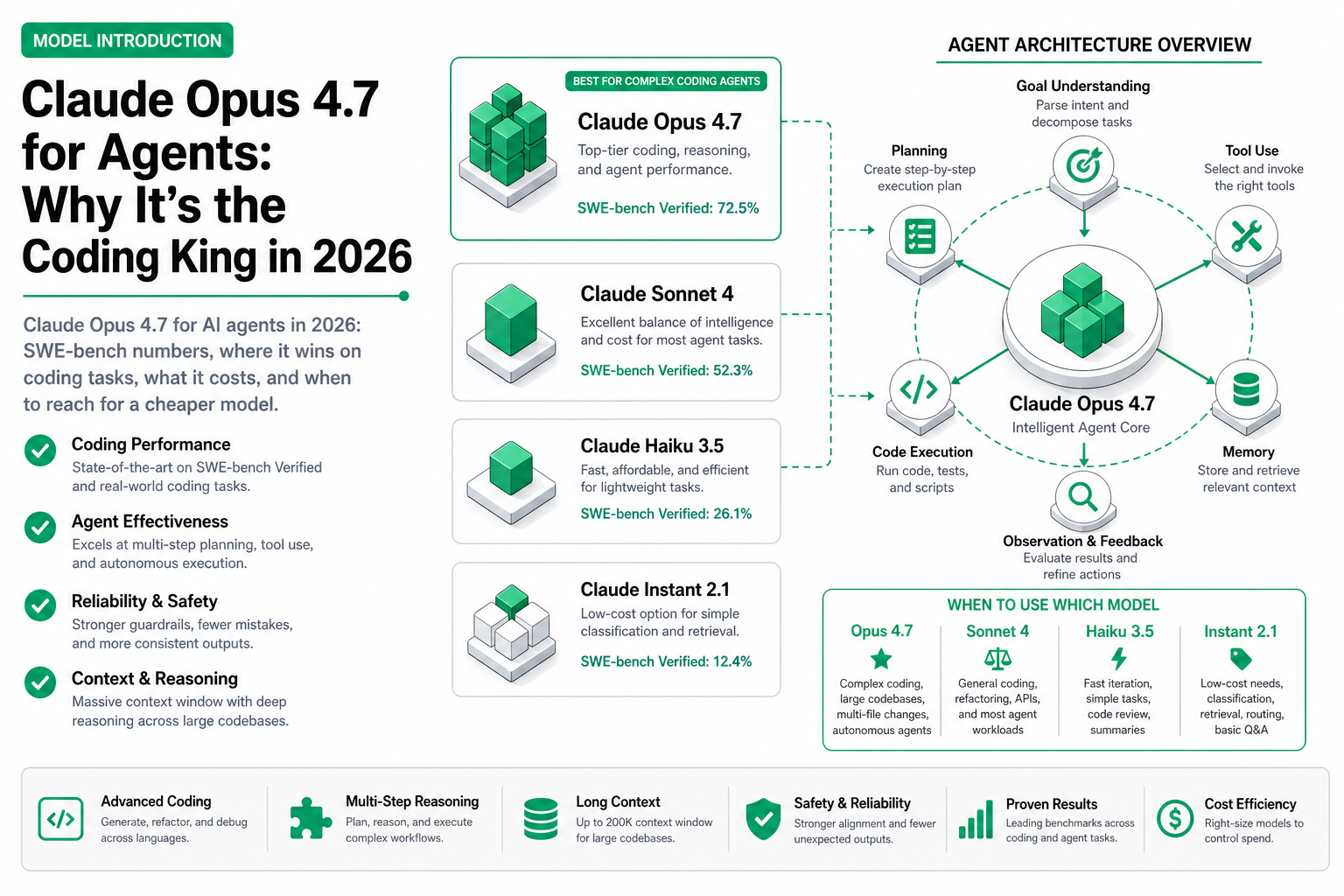
Claude Opus 4.7 for AI agents in 2026: SWE-bench numbers, where it wins on coding tasks, what it costs, and when to reach for a cheaper model.
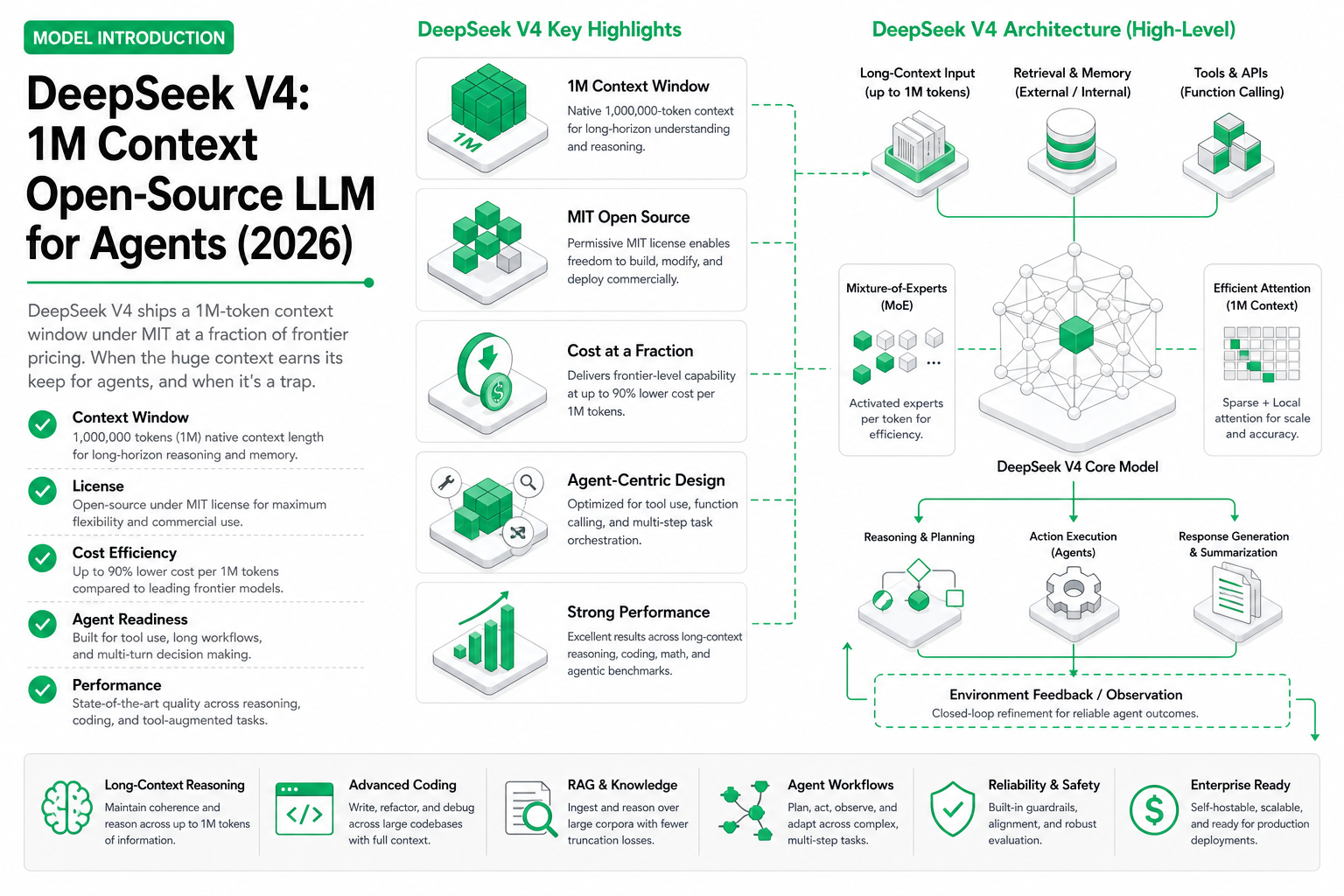
DeepSeek V4 ships a 1M-token context window under MIT at a fraction of frontier pricing. When the huge context earns its keep for agents, and when it's a trap.
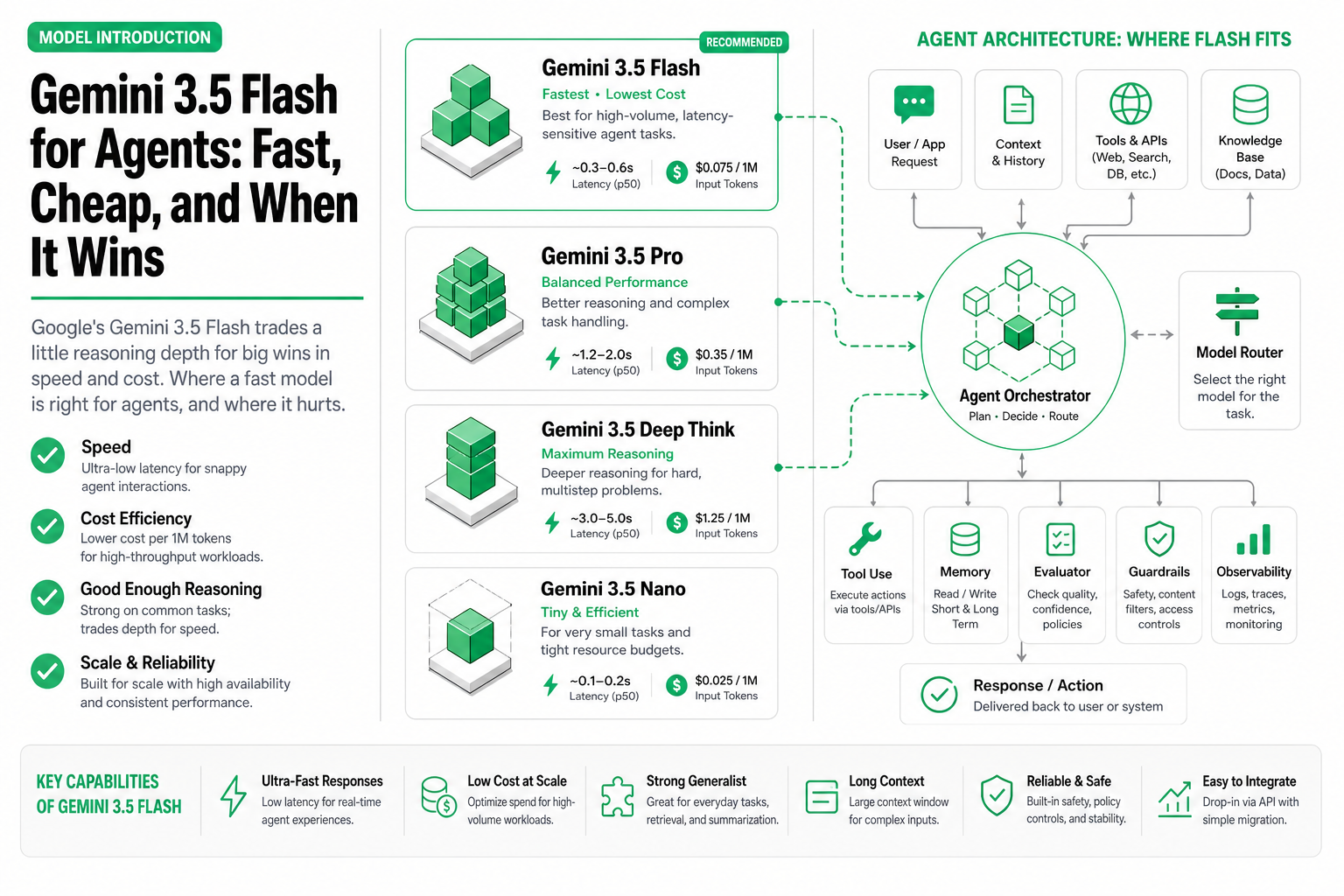
Google's Gemini 3.5 Flash trades a little reasoning depth for big wins in speed and cost. Where a fast model is right for agents, and where it hurts.
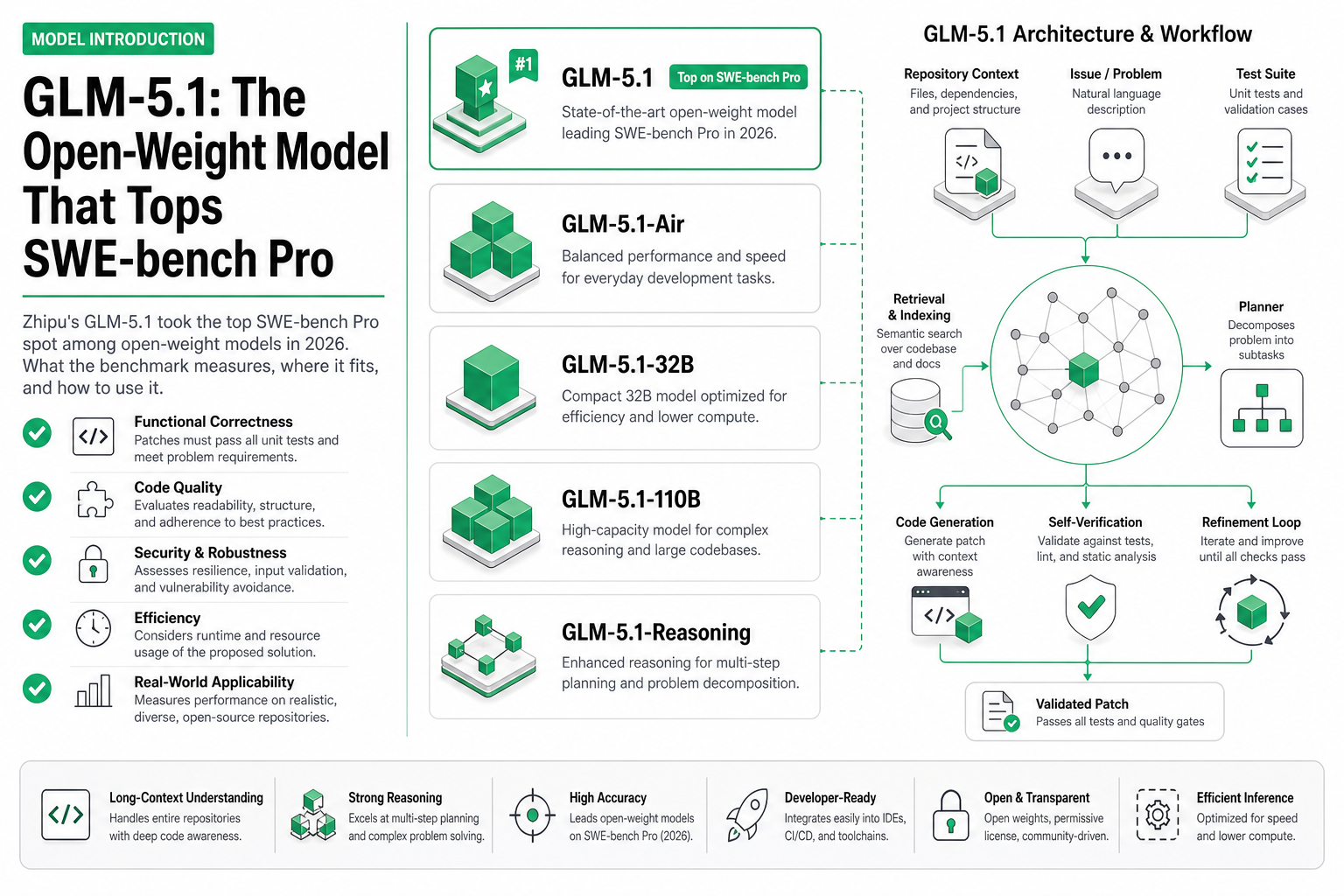
Zhipu's GLM-5.1 took the top SWE-bench Pro spot among open-weight models in 2026. What the benchmark measures, where it fits, and how to use it.
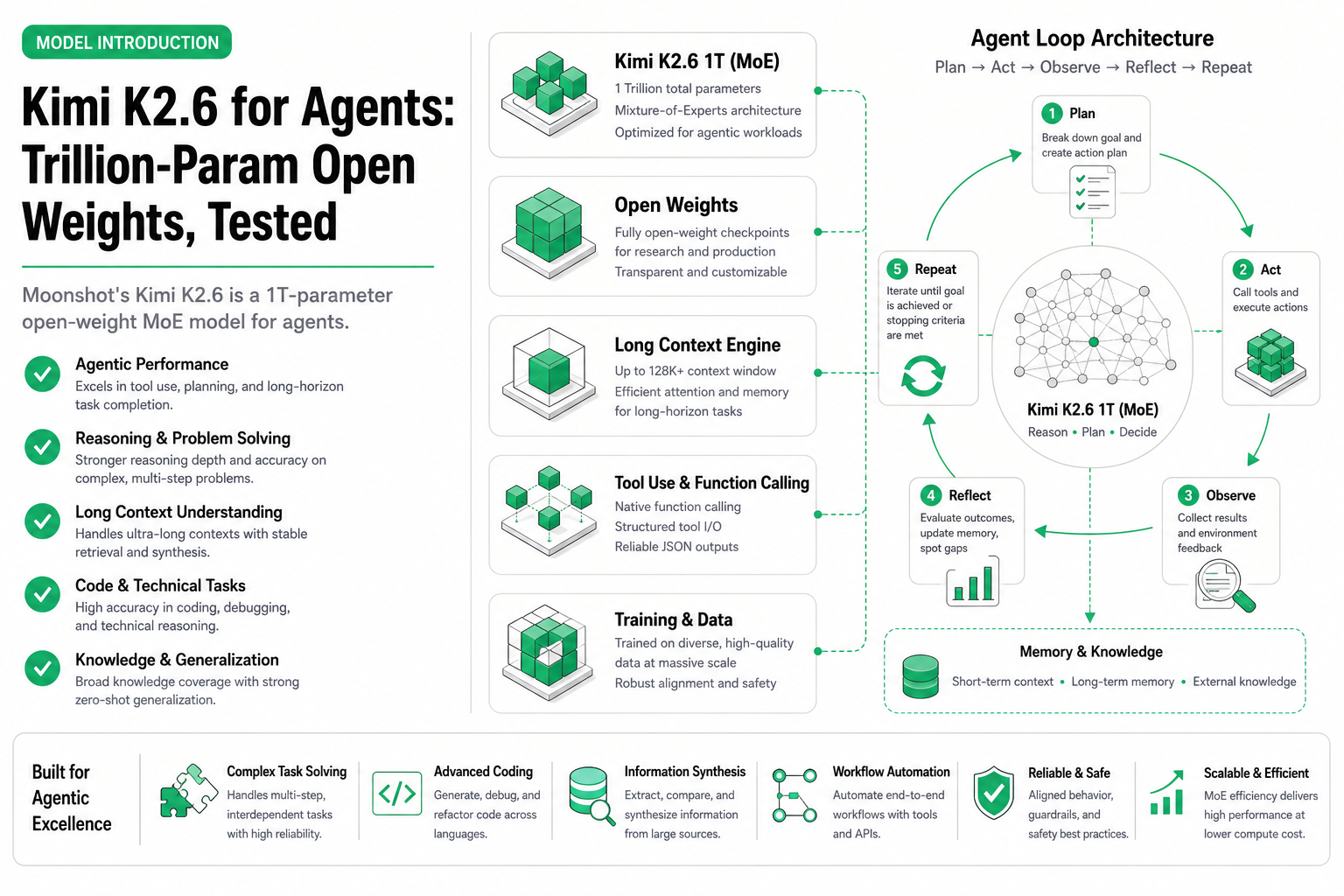
Moonshot's Kimi K2.6 is a 1T-parameter open-weight MoE model for agents. What it's good at, where the params help, and how to wire it into a loop.
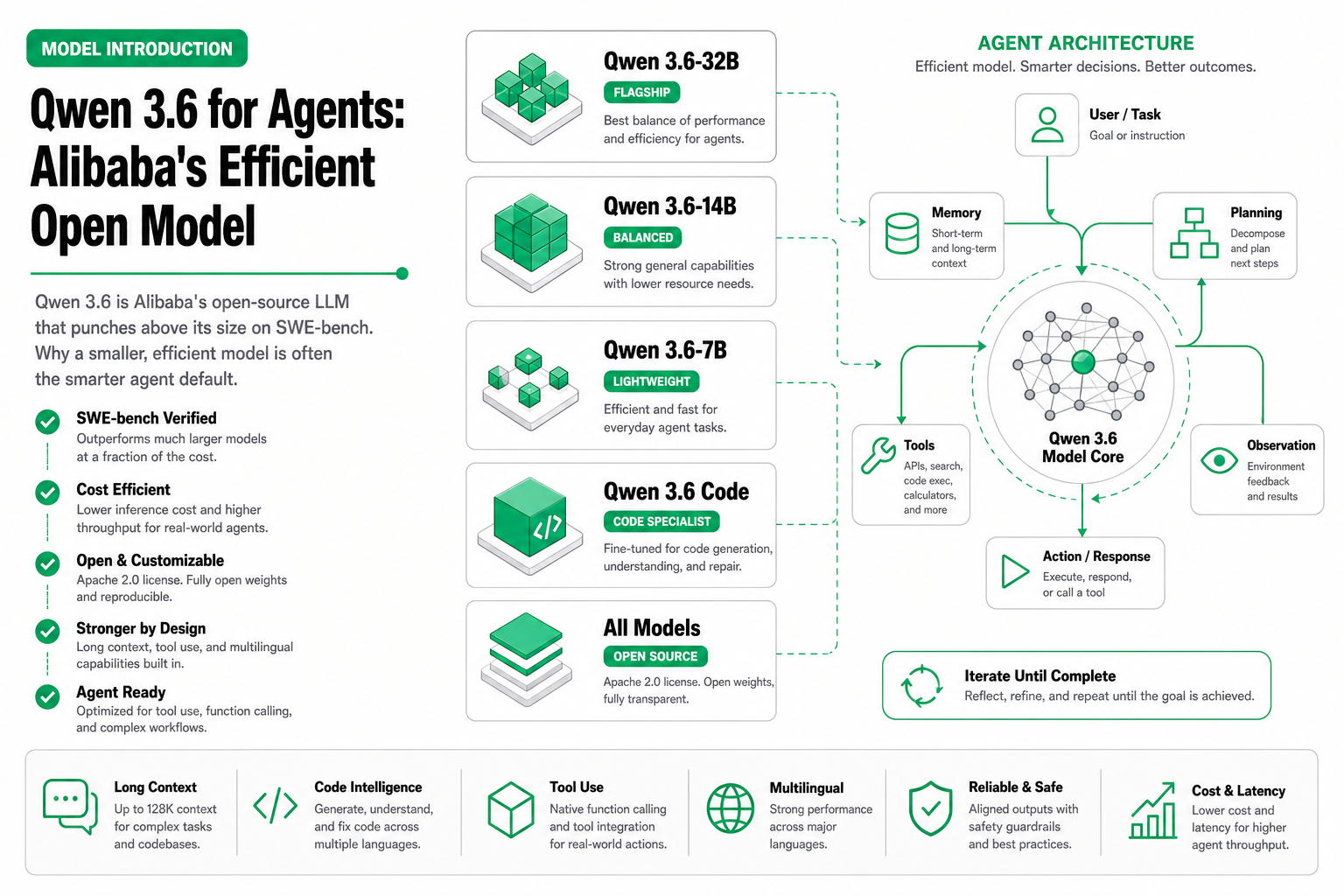
Qwen 3.6 is Alibaba's open-source LLM that punches above its size on SWE-bench. Why a smaller, efficient model is often the smarter agent default.