Hy4 preview's recursive improvement loop: is the model training itself?
A careful reading of Tencent's claims about Hy4 preview, experiment orchestration, and inference optimization.
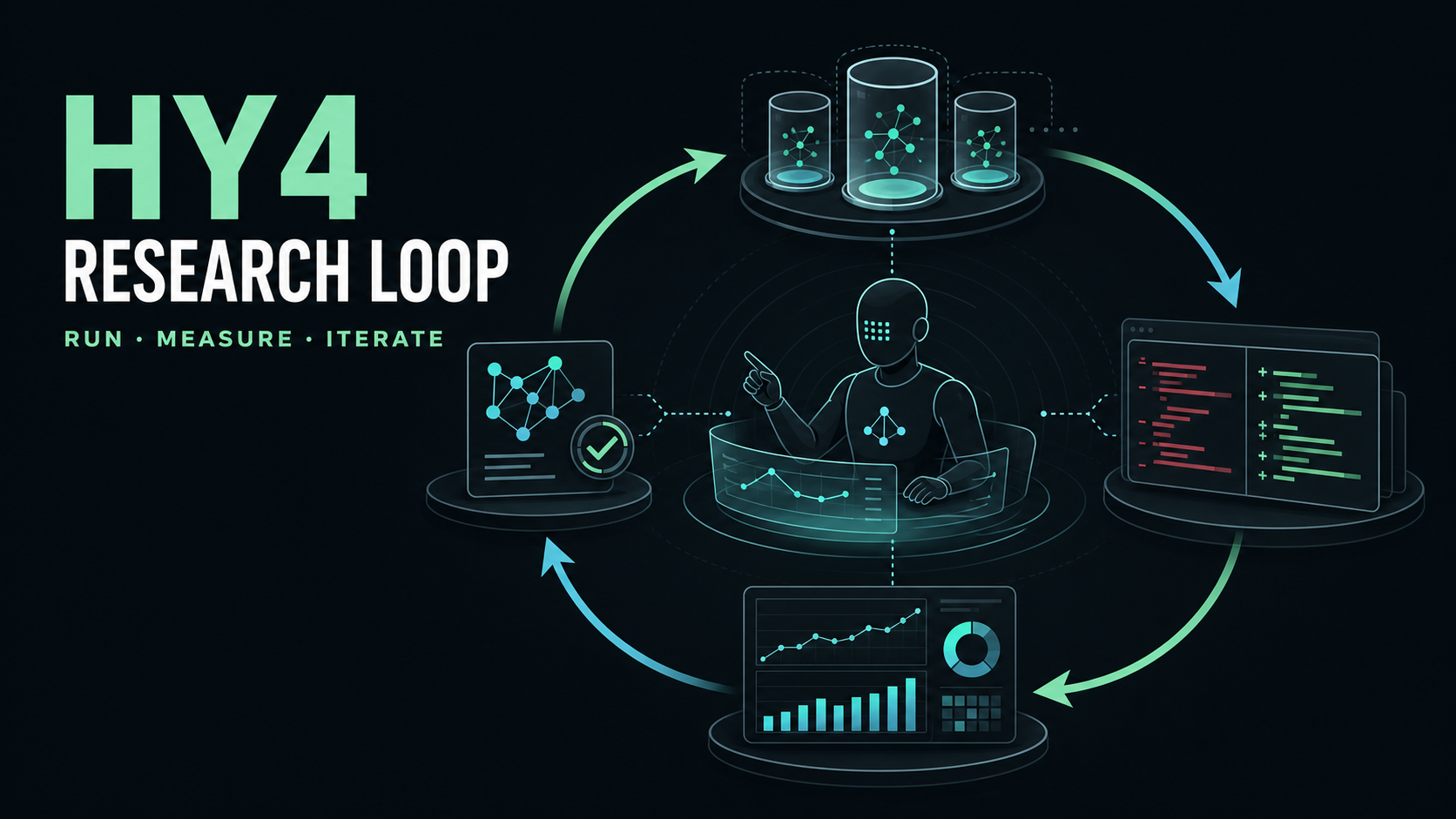
Tencent’s Hy4 preview announcement says the model participated in optimizing training methods, data strategy, evaluation, and low-level operators, forming an early recursive improvement loop. That should not be read as a model upgrading itself without people or infrastructure. It is better understood as an experiment pipeline in which a model proposes hypotheses, runs tools, reads feedback, and chooses the next experiment.
Key takeaway
- “Recursive improvement” here means a model-assisted experiment pipeline, not unsupervised self-upgrade.
- Freeze an independent evaluation set so the model cannot improve by changing the test.
- Report throughput with accuracy, memory, tail latency, seeds, and baseline configuration.
- Immutable logs and least-privilege access are part of the result, not optional operations work.
Tencent also says Hy4 preview managed multiple Codex sessions for small-model post-training and beat independent Codex exploration on eight evaluations. To interpret that claim, a reviewer needs the baseline configuration, random seeds, budget, stopping conditions, and per-objective scores.
The announcement reports a 31.8% end-to-end throughput improvement after Hy4 preview analyzed inference bottlenecks and iterated on operator fusion and communication optimization. That is a meaningful systems result for the stated baseline, not proof that the model can optimize any inference stack without supervision. A reproduction should lock hardware, compiler, batch size, context length, and measurement window, and report accuracy, memory, and tail latency alongside throughput.
Every experiment should preserve its hypothesis, changed files, dependency versions, inputs, seed, hardware, command, metrics, and failure reason. Model-generated logs still need immutable storage and human review. Cluster, dataset, and network permissions should be separated and granted minimally.
The risk of overclaiming rises when the model can change the objective or evaluation itself. Freeze an independent test set and evaluation script, compare versions on hidden tasks, and publish failure cases. A model that searches more efficiently has improved search efficiency; that is different from proving autonomous research ability.
Bottom line: Hy4 preview demonstrates an early model-assisted R&D loop. Its next proof point is reproducibility: clear baselines, independent evaluation, and complete experiment logs.
Where the loop can fail
A coordinator can optimize the wrong objective, overfit to a visible benchmark, or spend its budget repeating a plausible but unproductive direction. Put a human-owned stop condition around every run and keep a held-out evaluation set that the model cannot edit. Compare the proposed experiment with a simple baseline search so that orchestration overhead is visible rather than hidden in a headline percentage.
For infrastructure experiments, separate the model’s recommendation from the code that actually changes the system. Review the diff, run a canary workload, and compare quality and tail latency before promoting the optimization. The safest interpretation of a recursive loop is “faster, better organized search under constraints,” not an independent research lab.
A useful audit trail
Store a run manifest with the parent run ID, objective, candidate change, evaluator version, resource budget, approvals, and outcome. Link every generated artifact to the exact model and prompt that produced it. This makes it possible to reproduce a good result and explain a regression months later.
The loop should also have a clear ownership boundary. The model may rank hypotheses or draft a patch, but a named engineer should approve changes to training code, evaluation scripts, or cluster settings. Use canary runs and automatic rollback when a change worsens quality, memory use, or tail latency. The more powerful the coordinator becomes, the more important it is that the evaluator remains independent of the search process.
A minimal reproducible loop
Freeze one objective, one evaluator, and one resource budget. Ask the coordinator to propose three changes, run each in an isolated workspace, and return a ranked result with the evidence used for the ranking. A second process should rerun the winner from the recorded manifest. If the rerun cannot recover the result, the loop has produced an anecdote rather than an improvement.
Report more than the best score. Include the number of trials, wall time, tokens, failed runs, rollback events, memory use, and the score on a held-out set. This makes search efficiency visible and prevents a large budget from masquerading as a smarter strategy. For training experiments, retain checkpoints and data fingerprints so a later run can tell whether it changed the method or simply changed the inputs.
What to publish
An honest release note should separate model-reported actions, machine-measured outcomes, and human interpretation. Link the code, configuration, logs, and evaluator version where possible. State which parts remain vendor-reported and which parts have been independently reproduced. That level of detail is what turns a compelling recursive-improvement demo into a useful engineering result.
Evidence screenshots
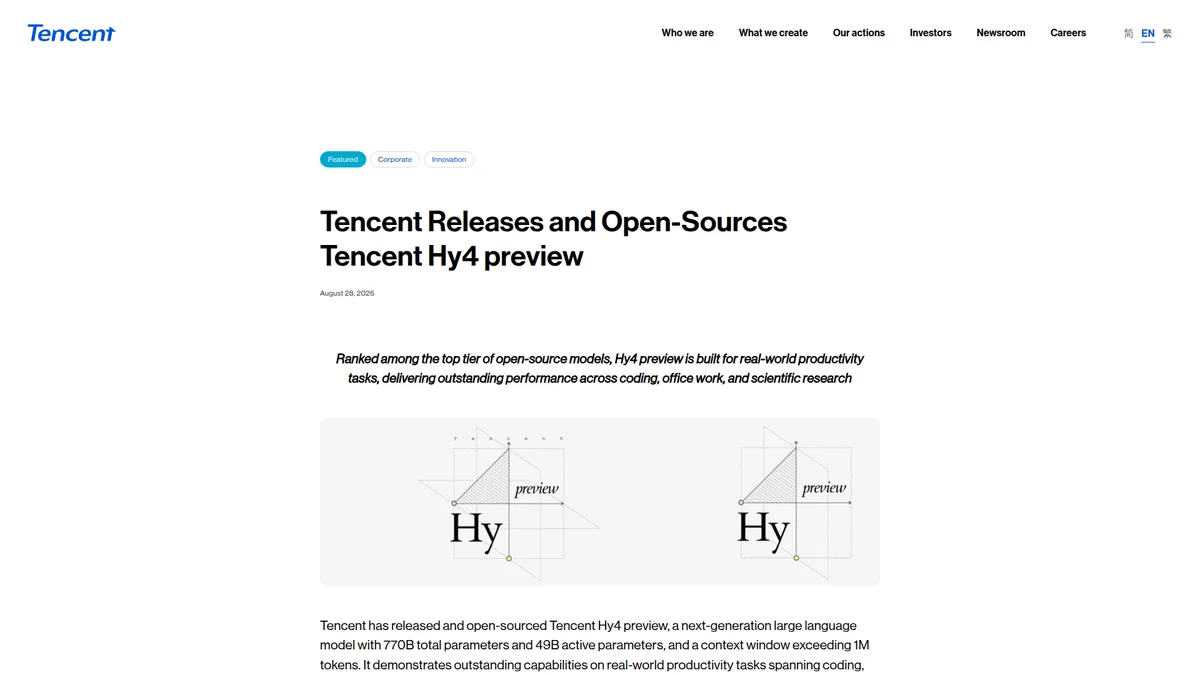
Figure 1. Tencent’s announcement describes the reported recursive improvement loop.
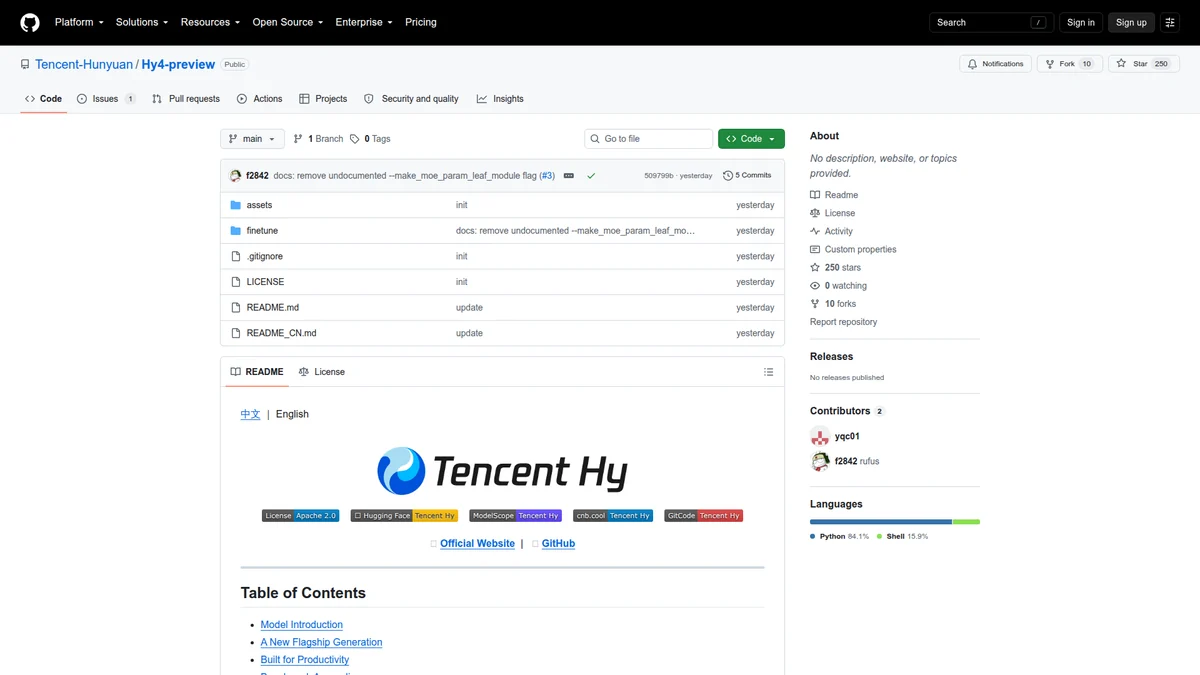
Figure 2. The repository is the place to look for released code and experiment artifacts.
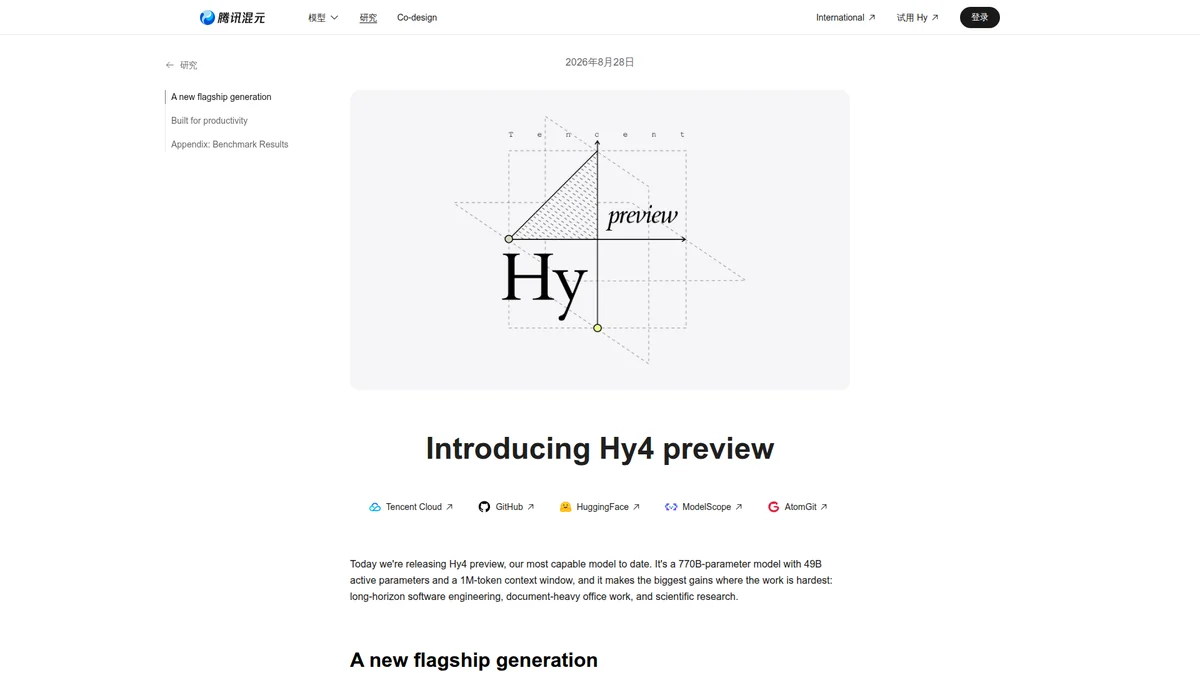
Figure 3. The research page provides context for the provider’s claims and limitations.