Model Launch Tracking with X APIs and LLM Agents: A Verifiable Workflow
A practical workflow for tracking AI model launches with X discovery, primary-source checks, and LLM-assisted evidence packets using SandBase.
Model Launch Tracking with X APIs and LLM Agents: A Verifiable Workflow
The dangerous moment in model-release research is usually the first five minutes. A post says “now available,” a screenshot shows a benchmark, and an internal Slack thread starts planning an integration before anyone has found the release note. The result is a launch brief that is fast, polished, and wrong in one important field.
I would design the tracker around that failure, not around a clever summarizer. X is the alert layer. Official changelogs, model cards, and API documentation are the authority layer. An LLM is useful in the middle, where it can compare evidence and surface missing fields without pretending that a post is proof.
Key takeaway
- Use X search and trends to find candidate launches, not to confirm them.
- Preserve the post URL and retrieval time before any summarization.
- Require a named primary source for availability, pricing, context, and licensing claims.
- Let the LLM produce an evidence packet with unknowns, not a confident launch announcement.
The workflow in one sentence
Collect a small set of posts, normalize each into an evidence record, follow the strongest lead to a primary source, then ask an LLM to compare the two and mark every unresolved field.
That ordering matters. If the model sees a loose bundle of posts first, it tends to flatten disagreement into a single narrative. If it receives typed records and source URLs, the missing information stays visible.
X is a lead generator, not a release database
SandBase exposes separate Twitter routes for search, trends, tweet detail, and profiles. The search-timeline model page documents keyword, search_type, and cursor; the trending model scopes discovery by country.
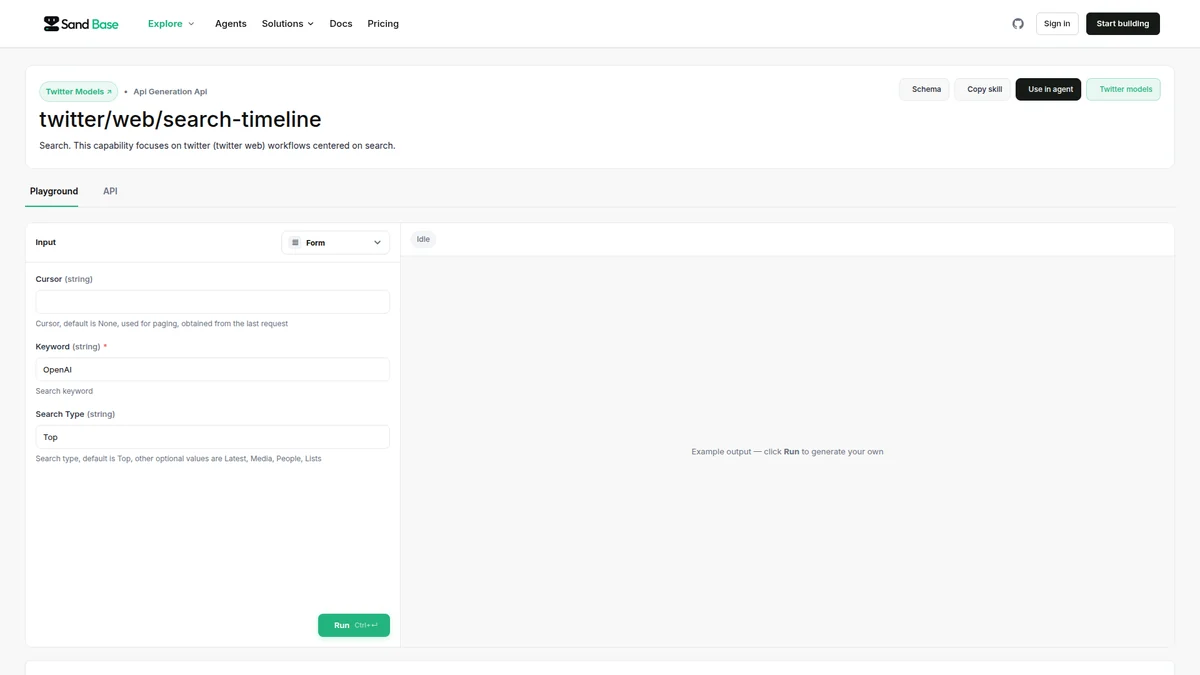
Figure 1. Search is a bounded API call with an explicit input contract, not a magical “read X” capability.
Start with a vocabulary that names the task: a provider, a model family, “API available,” “model card,” “weights,” or “pricing.” Avoid one giant query. Smaller queries make it possible to explain why a candidate entered the queue.
Trends can widen the net, especially when a launch has not acquired a stable model name yet. They also introduce more irrelevant content. Keep the country and retrieval timestamp in the record, and never use a trend label as evidence of availability.
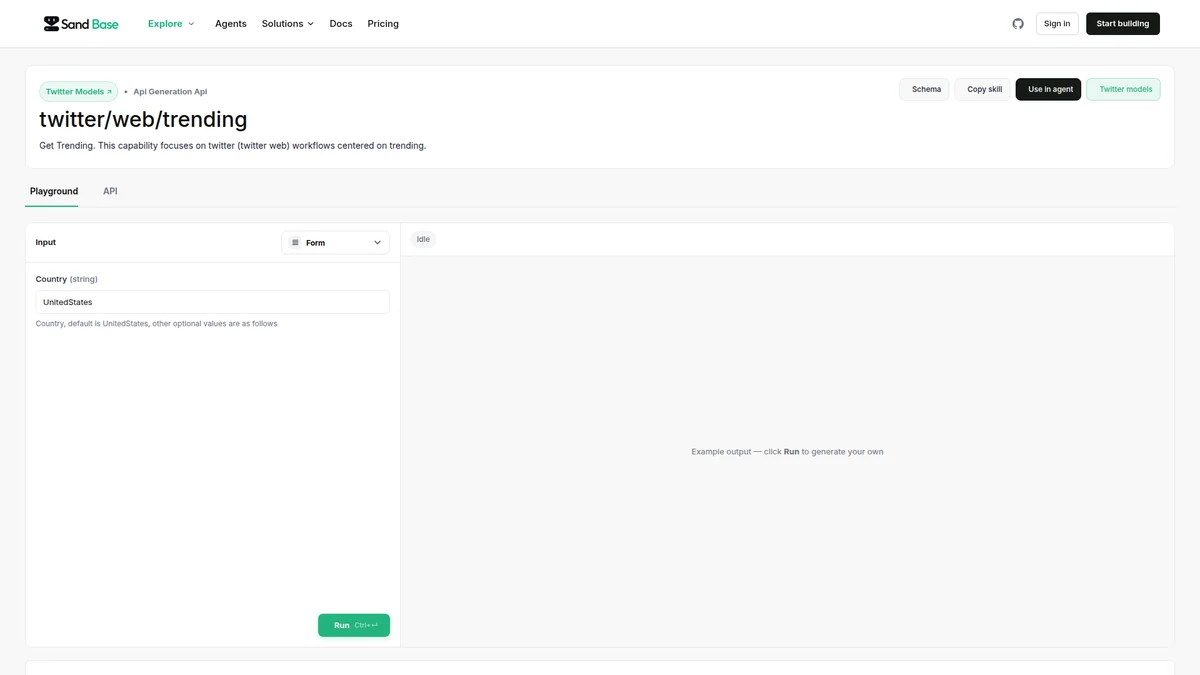
Figure 2. A trend is useful context only when its scope is recorded alongside the observation.
The evidence record should be boring
The most useful schema is intentionally unglamorous:
{
  "candidate": "provider/model-name",
  "signal": {
    "source": "x",
    "url": "https://x.com/example/status/123",
    "author": "@example",
    "text": "...",
    "retrieved_at": "2026-08-25T09:30:00Z"
  },
  "primary_sources": [],
  "claims": {
    "availability": {"value": null, "source": null},
    "pricing": {"value": null, "source": null},
    "context_window": {"value": null, "source": null},
    "license": {"value": null, "source": null}
  },
  "status": "needs_verification"
}
Do not discard the original text after extraction. It is useful for debugging a bad classification and for showing a reviewer exactly what triggered the candidate. Store a hash or immutable snapshot if your retention policy permits it; X content can change or disappear.
Primary-source verification is a separate stage
For an OpenAI-related candidate, the platform changelog is a more appropriate authority for API changes than a repost. Anthropic release notes, Google model documentation, a provider model card, or a versioned repository release serve the same role for other vendors. The source must support the exact claim you plan to publish.
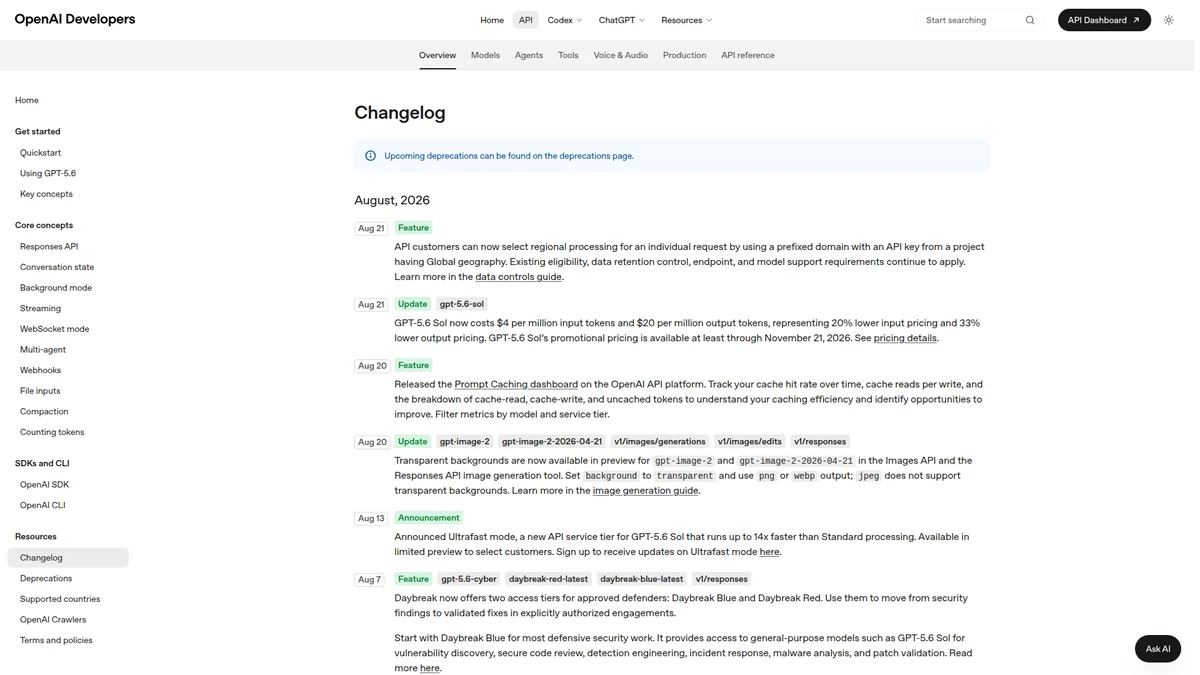
Figure 3. A primary source should be linked to the field it proves; a general homepage is not enough.
This is where most launch trackers overreach. A primary page might confirm that a model exists while saying nothing about public API access. A model card might describe evaluation conditions without confirming production pricing. Keep those fields independent.
Let the LLM compare, not decide
Give the LLM a compact packet with the candidate record, the post, and excerpts or URLs from primary sources. Ask for four outputs:
- Which claims are directly supported?
- Which claims conflict across sources?
- Which fields are still unknown?
- What is the smallest next verification action?
The final output should look like a review queue, not marketing copy:
Status: needs_verification
Supported: provider announced the model on the linked release page.
Unresolved: public API endpoint, price, and license.
Conflict: X post says “open weights”; model card does not specify a license.
Next action: check the provider repository and API catalog.
I would keep posting, purchasing, or changing production routing outside this agent. Reading is reversible; those actions are not. If a later workflow drafts a public update, require a human to approve the evidence packet first.
SandBase’s boundary in this pattern
SandBase supplies the API surface for the X discovery calls and can sit beside model or search APIs in the same workflow. It does not turn an X post into an official provider statement, and it does not remove the need to inspect current documentation. That boundary is the feature: collection, reasoning, and publication remain separable.
Start with the Twitter API catalog, then connect the resulting evidence packet to the model or search capability your research task needs. For a broader agent architecture, see AI Agent Stack 2026.
A small acceptance checklist
- Every candidate has a canonical post URL and retrieval timestamp.
- Every published metric, price, date, or availability claim points to a primary source.
- “Announced,” “preview,” “API available,” and “open weights” are separate statuses.
- The LLM output preserves conflicts and unknowns.
- A human approves any external side effect.
The scope of this workflow is deliberate: it tracks public evidence, not private launch plans or guaranteed ranking outcomes. Beyond the sources you can inspect, the correct status is unknown.