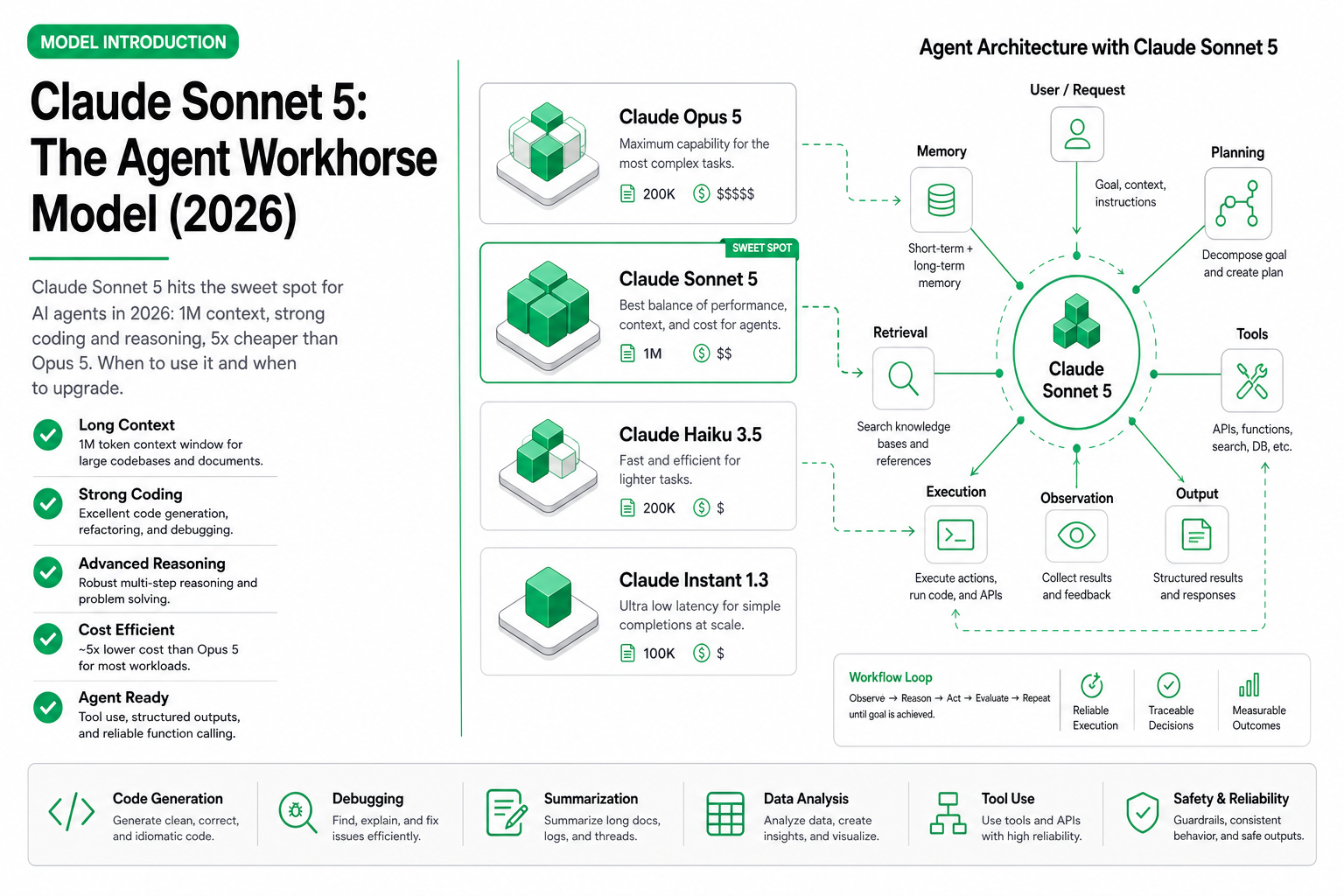
Claude Sonnet 5: The Agent Workhorse Model (2026)
Claude Sonnet 5 is a practical 2026 starting point for many AI agents: 1M context, strong coding and reasoning, and a listed $2/$10 per MTok price. When to upgrade to Opus 5.
ReadInsights on AI agents, model routing, and building production-ready AI systems.
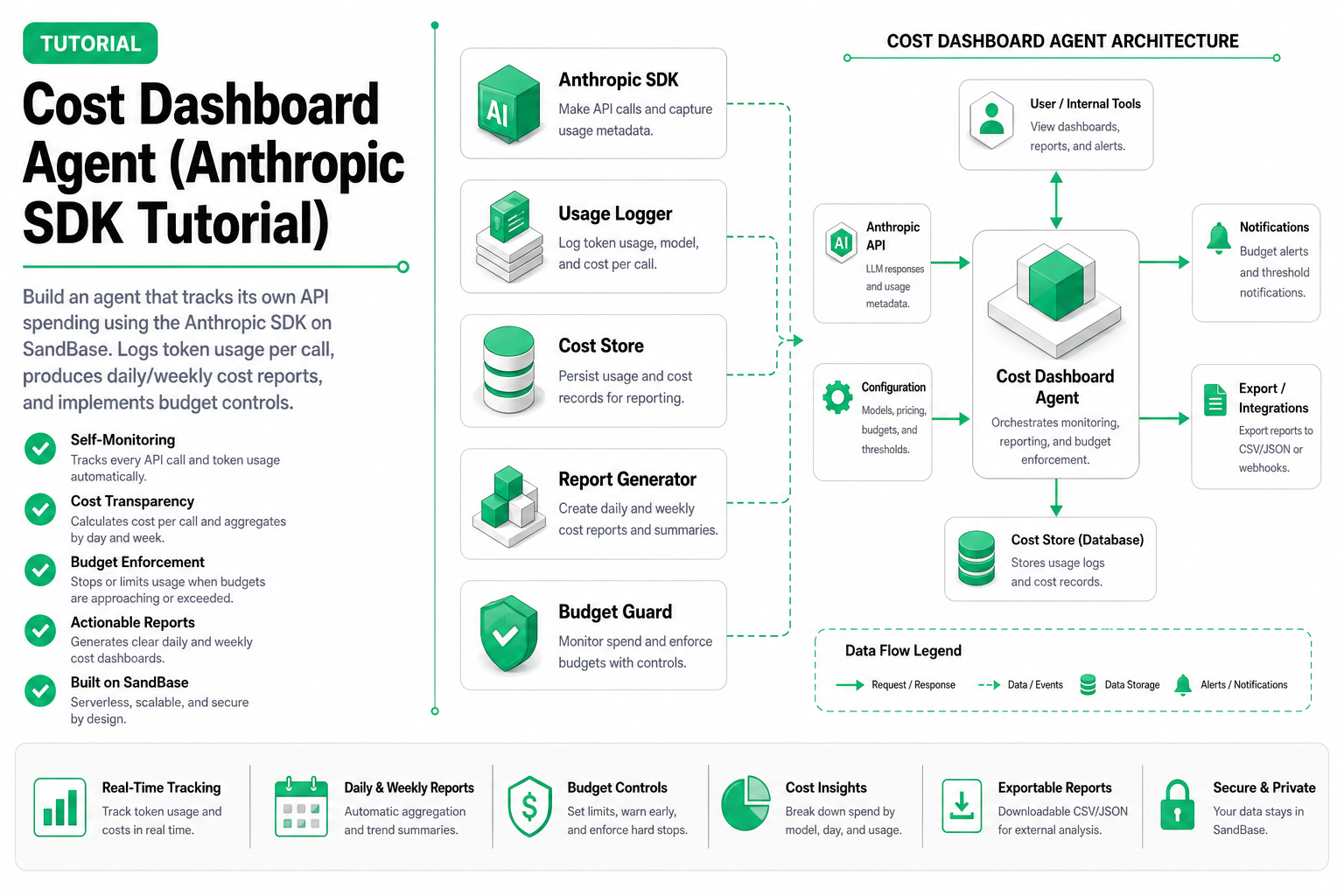
Claude Sonnet 5 is a practical 2026 starting point for many AI agents: 1M context, strong coding and reasoning, and a listed $2/$10 per MTok price. When to upgrade to Opus 5.
ReadBuild an agent that tracks its own API spending using the Anthropic SDK on SandBase. Logs token usage per call, produces daily/weekly cost reports, and implements budget controls.
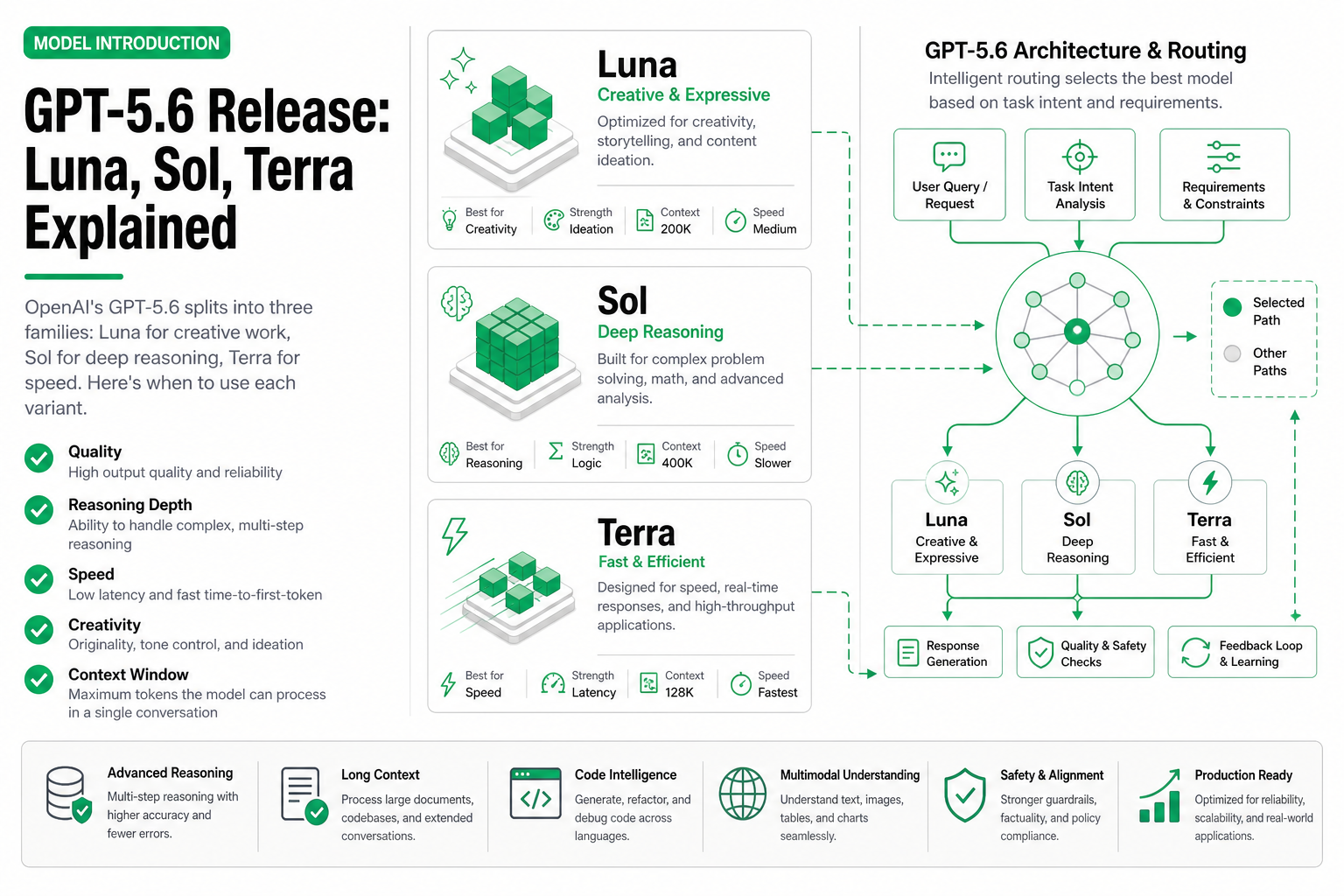
ReadOpenAI's GPT-5.6 splits into three families: Luna for creative work, Sol for deep reasoning, Terra for speed. Here's when to use each variant.
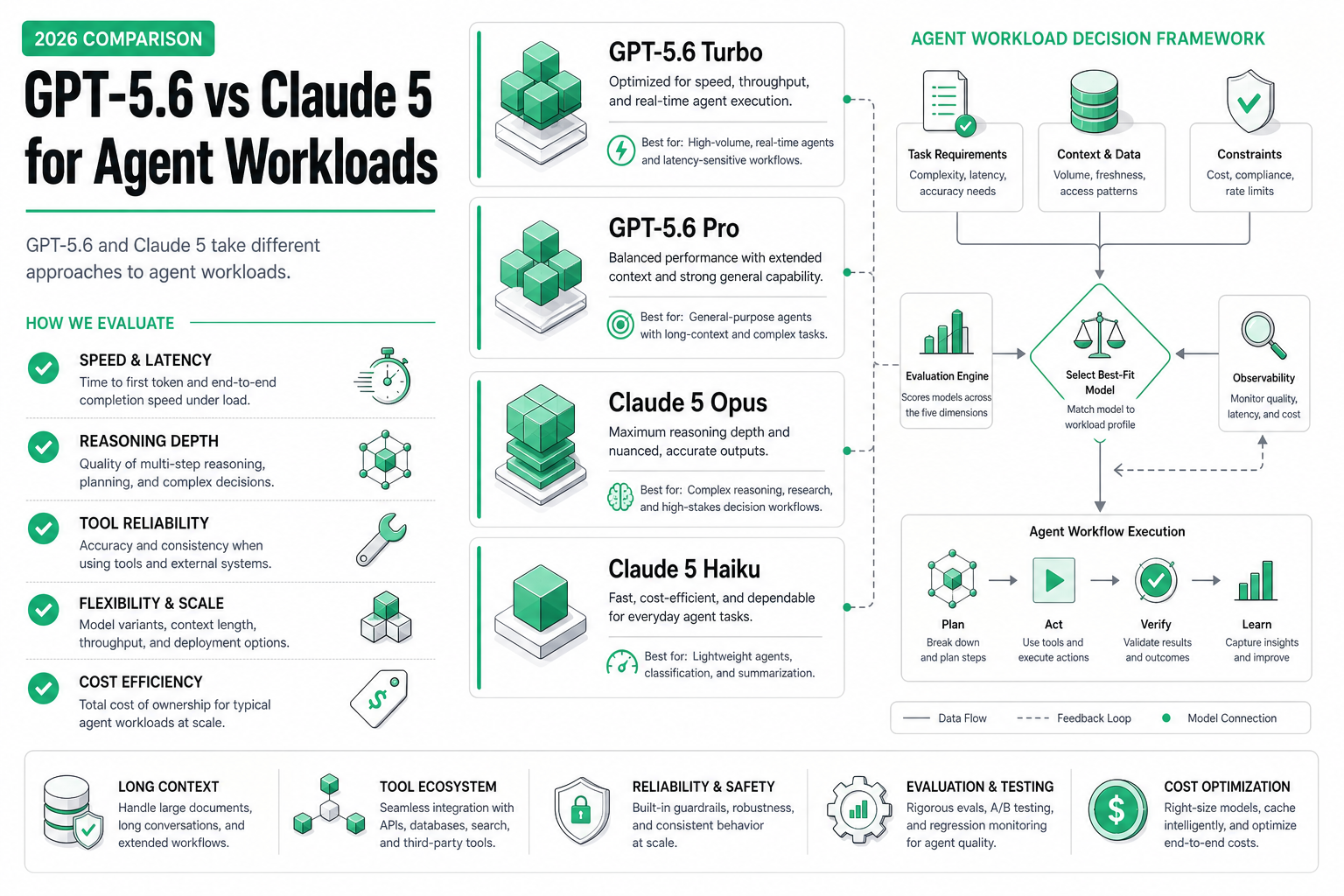
ReadGPT-5.6 and Claude 5 take different approaches to agent workloads. Speed and variants vs reasoning depth and tool reliability. Scenario-based comparison.
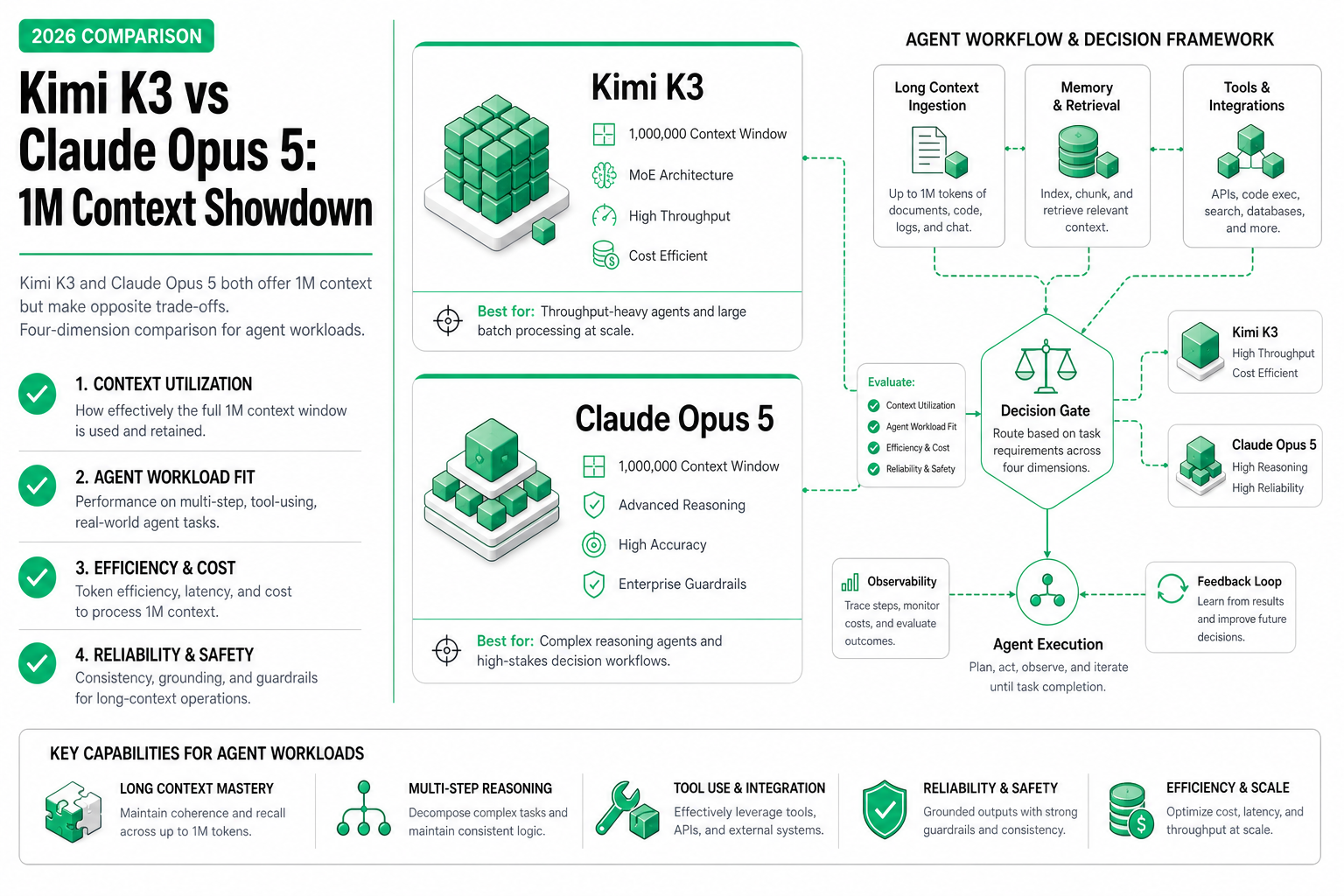
ReadKimi K3 and Claude Opus 5 both offer 1M context but make opposite trade-offs. Four-dimension comparison for agent workloads.
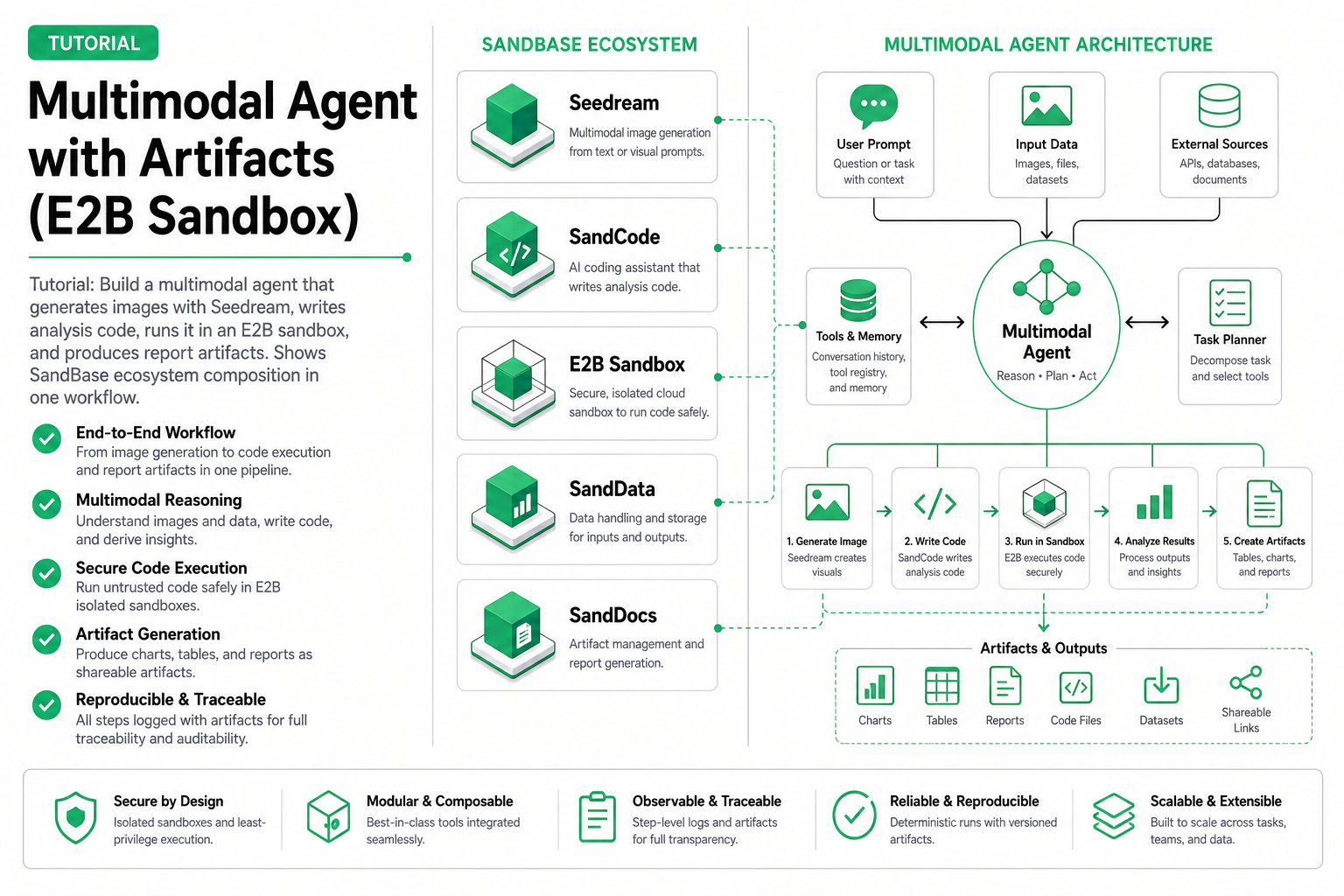
ReadTutorial: Build a multimodal agent that generates images with Seedream, writes analysis code, runs it in an E2B sandbox, and produces report artifacts. Shows SandBase ecosystem composition in one workflow.
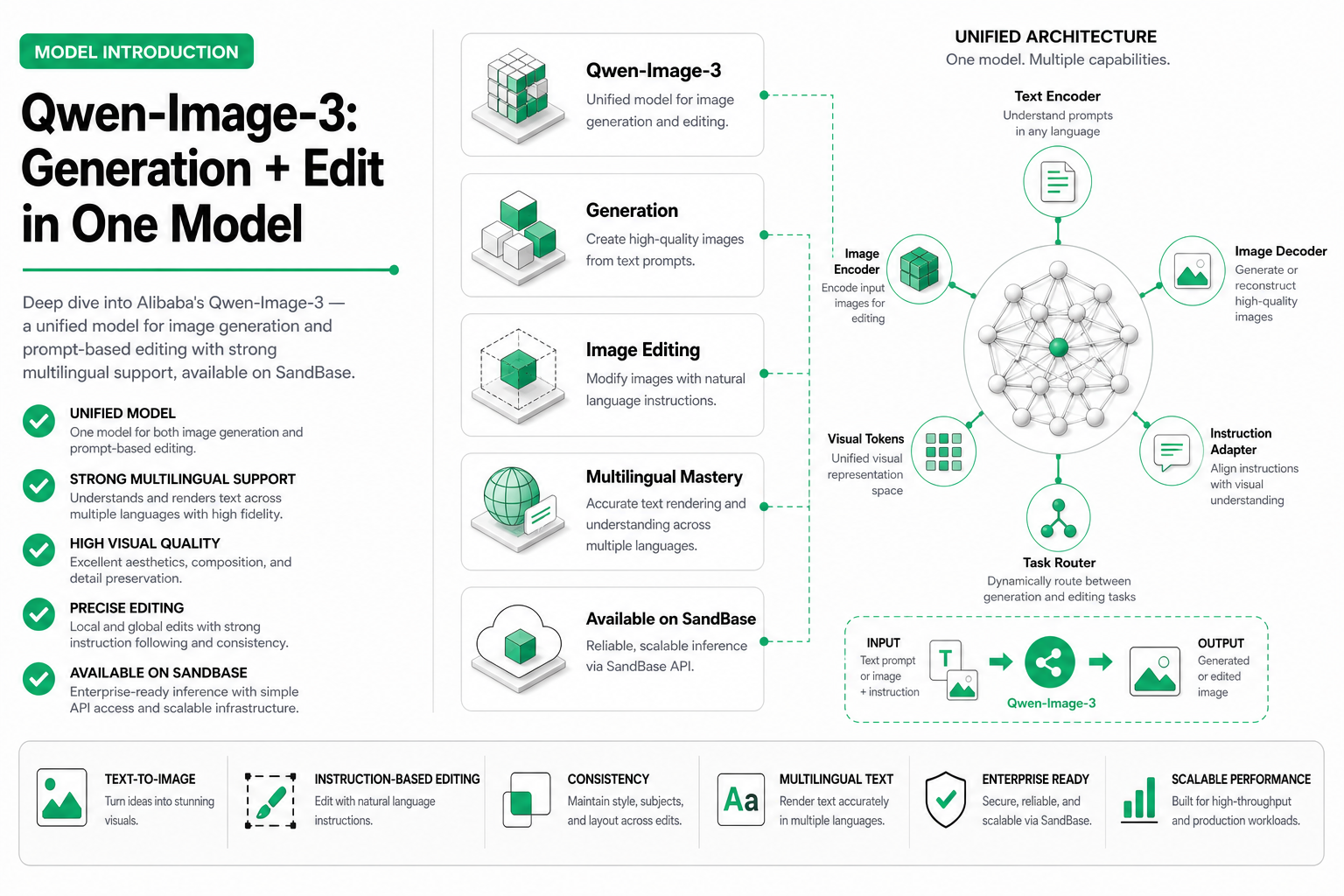
ReadDeep dive into Alibaba's Qwen-Image-3 — a unified model for image generation and prompt-based editing with strong multilingual support, available on SandBase.
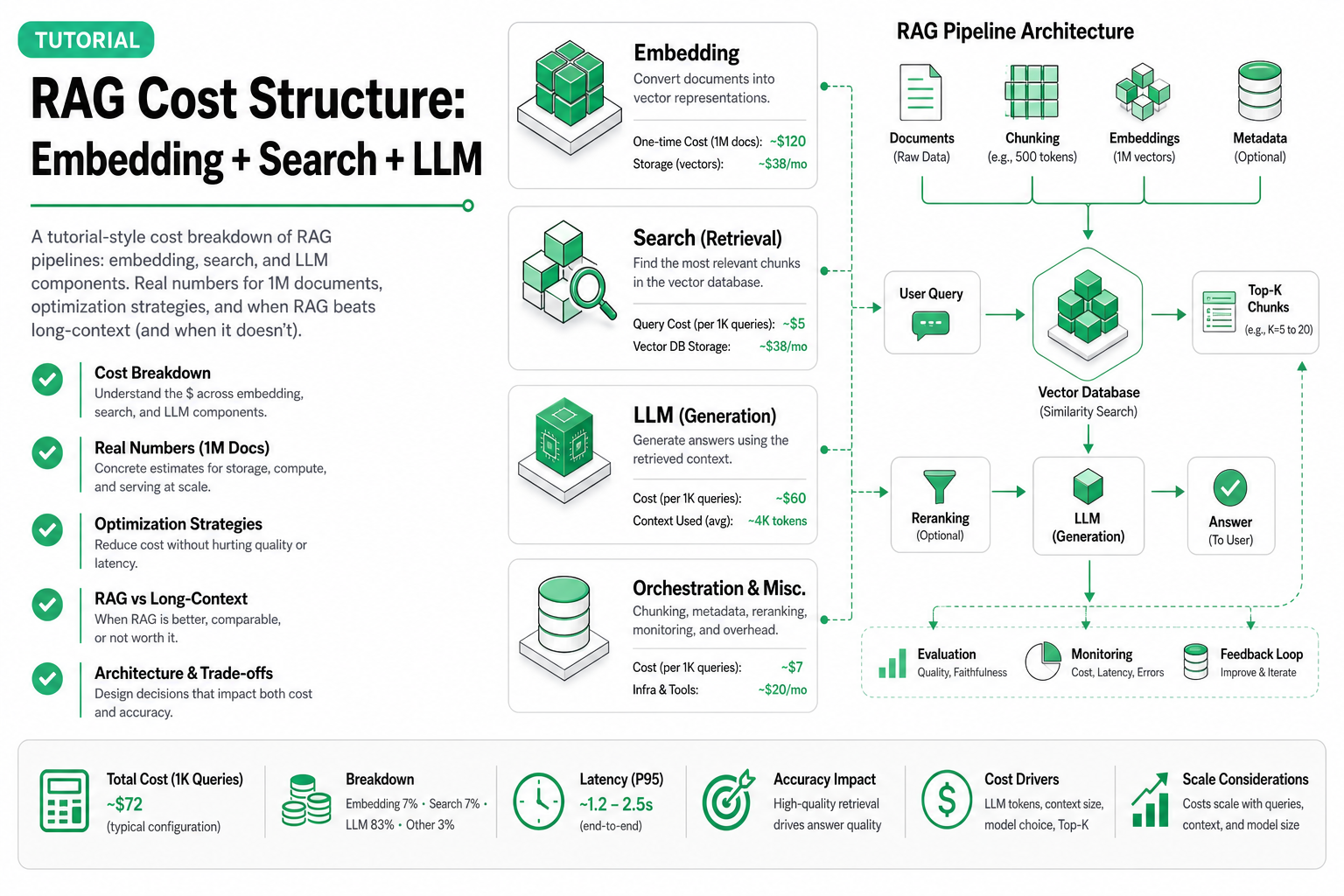
ReadA tutorial-style cost breakdown of RAG pipelines: embedding, search, and LLM components. Real numbers for 1M documents, optimization strategies, and when RAG beats long-context (and when it doesn't).
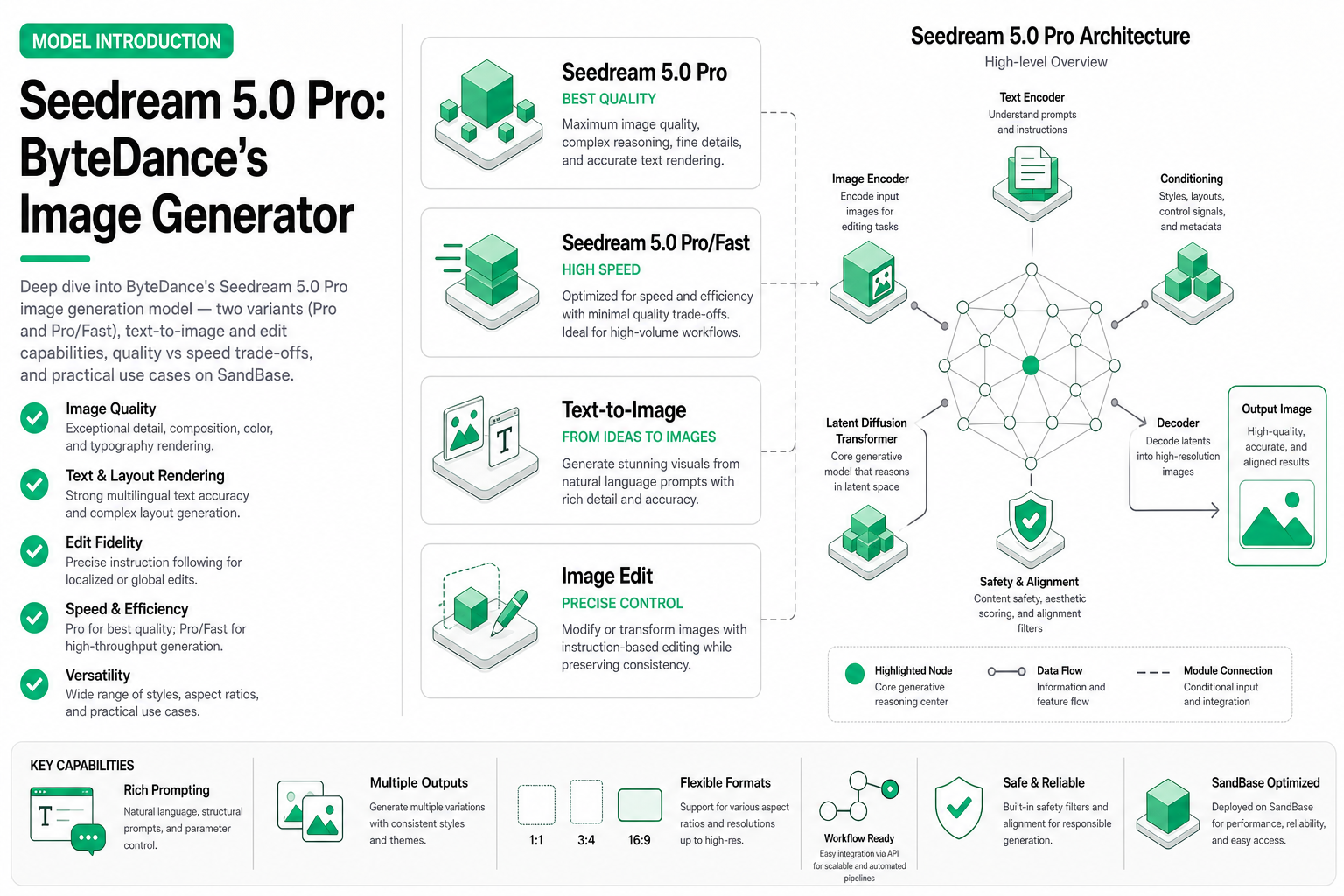
ReadDeep dive into ByteDance's Seedream 5.0 Pro image generation model — two variants (Pro and Pro/Fast), text-to-image and edit capabilities, quality vs speed trade-offs, and practical use cases on SandBase.
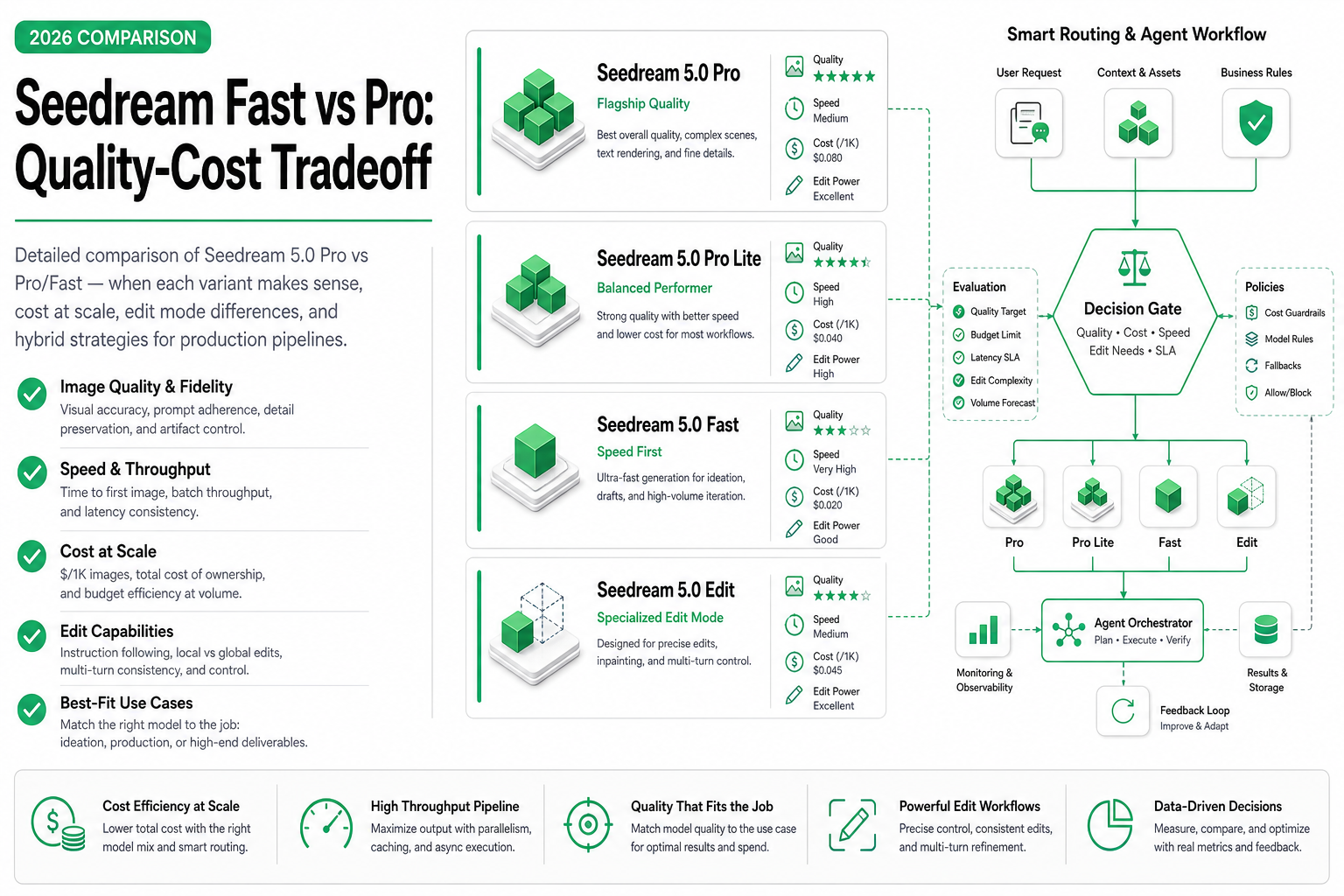
ReadDetailed comparison of Seedream 5.0 Pro vs Pro/Fast — when each variant makes sense, cost at scale, edit mode differences, and hybrid strategies for production pipelines.
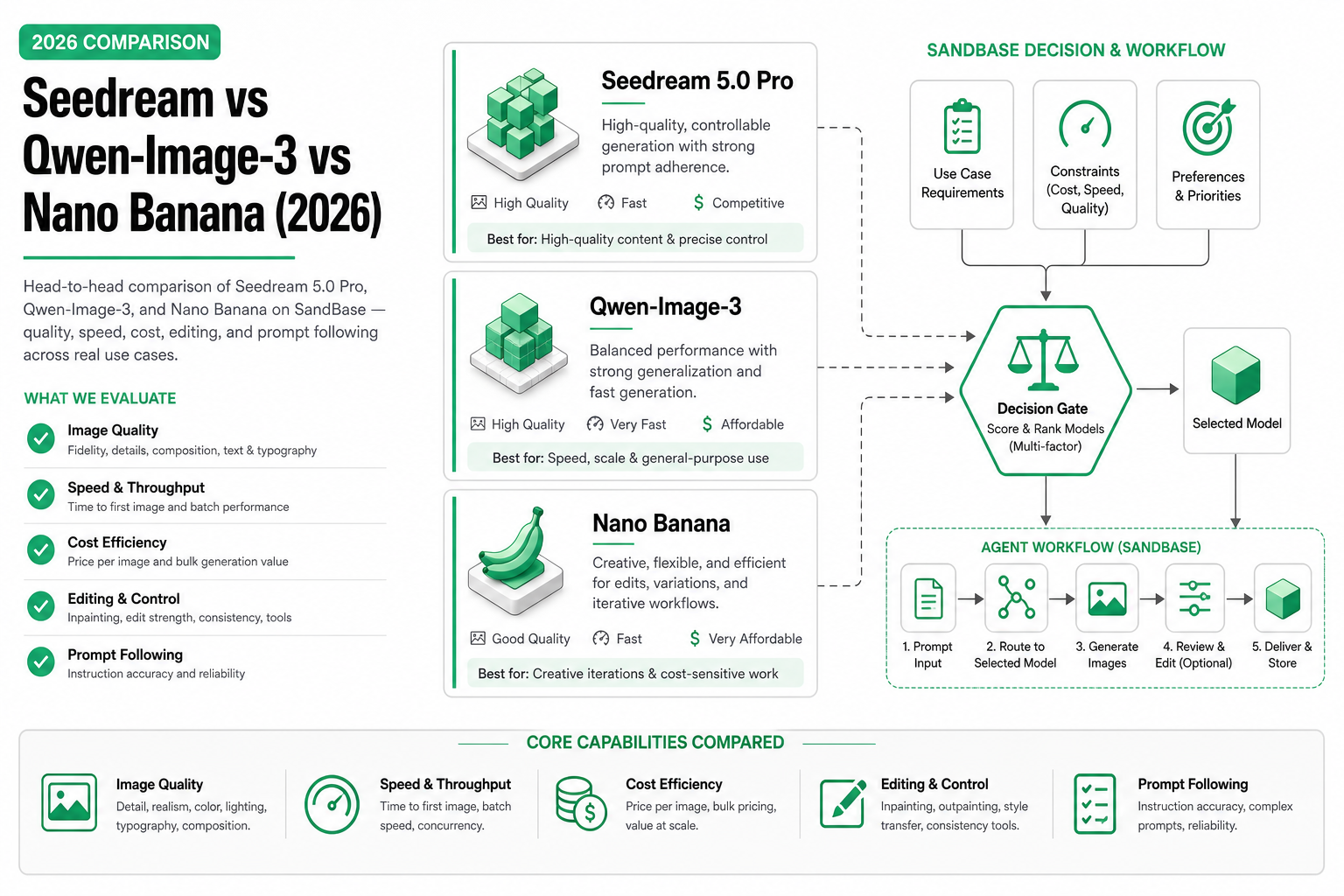
ReadHead-to-head comparison of Seedream 5.0 Pro, Qwen-Image-3, and Nano Banana on SandBase — quality, speed, cost, editing, and prompt following across real use cases.
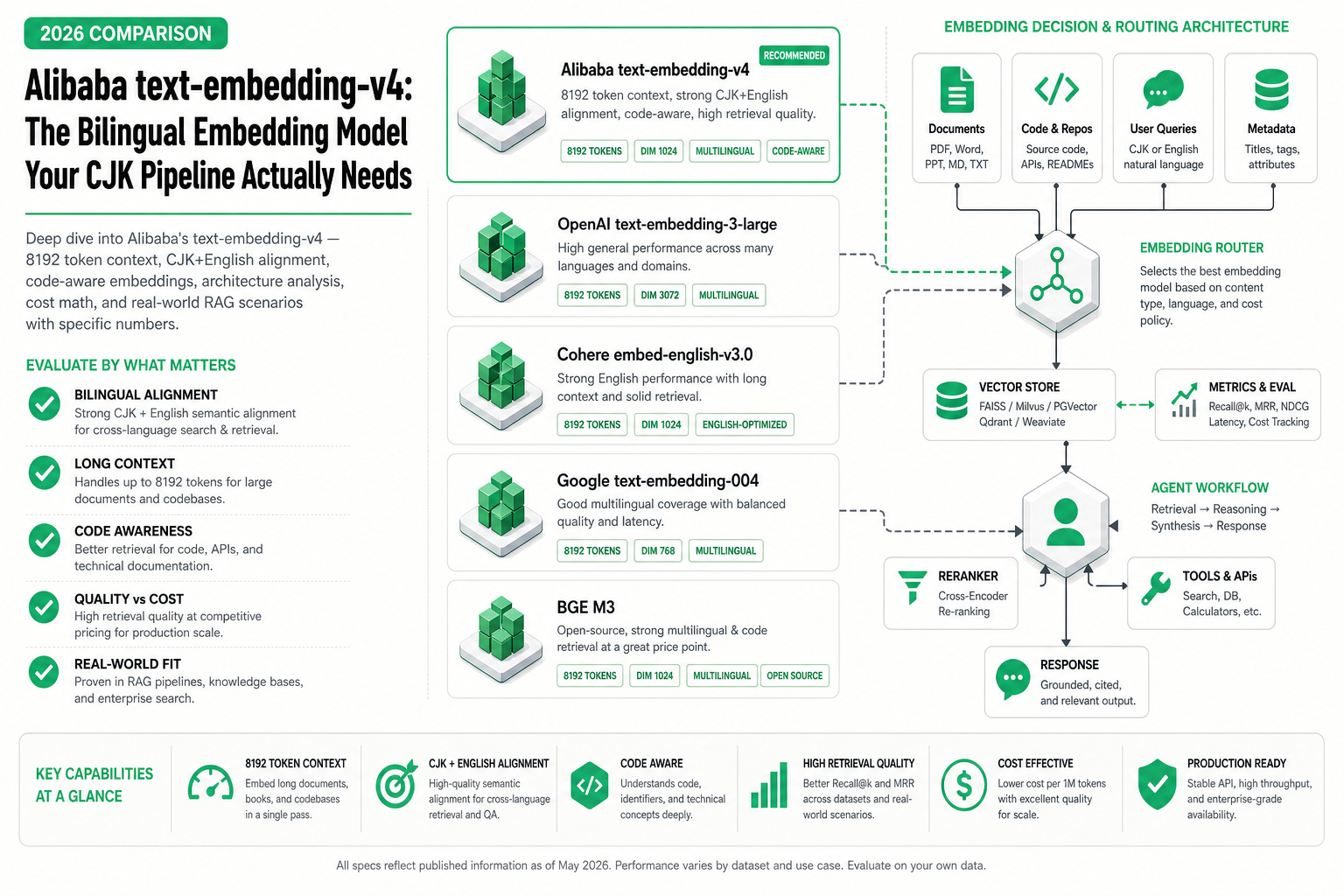
ReadDeep dive into Alibaba's text-embedding-v4 — 8192 token context, CJK+English alignment, code-aware embeddings, architecture analysis, cost math, and real-world RAG scenarios with specific numbers.
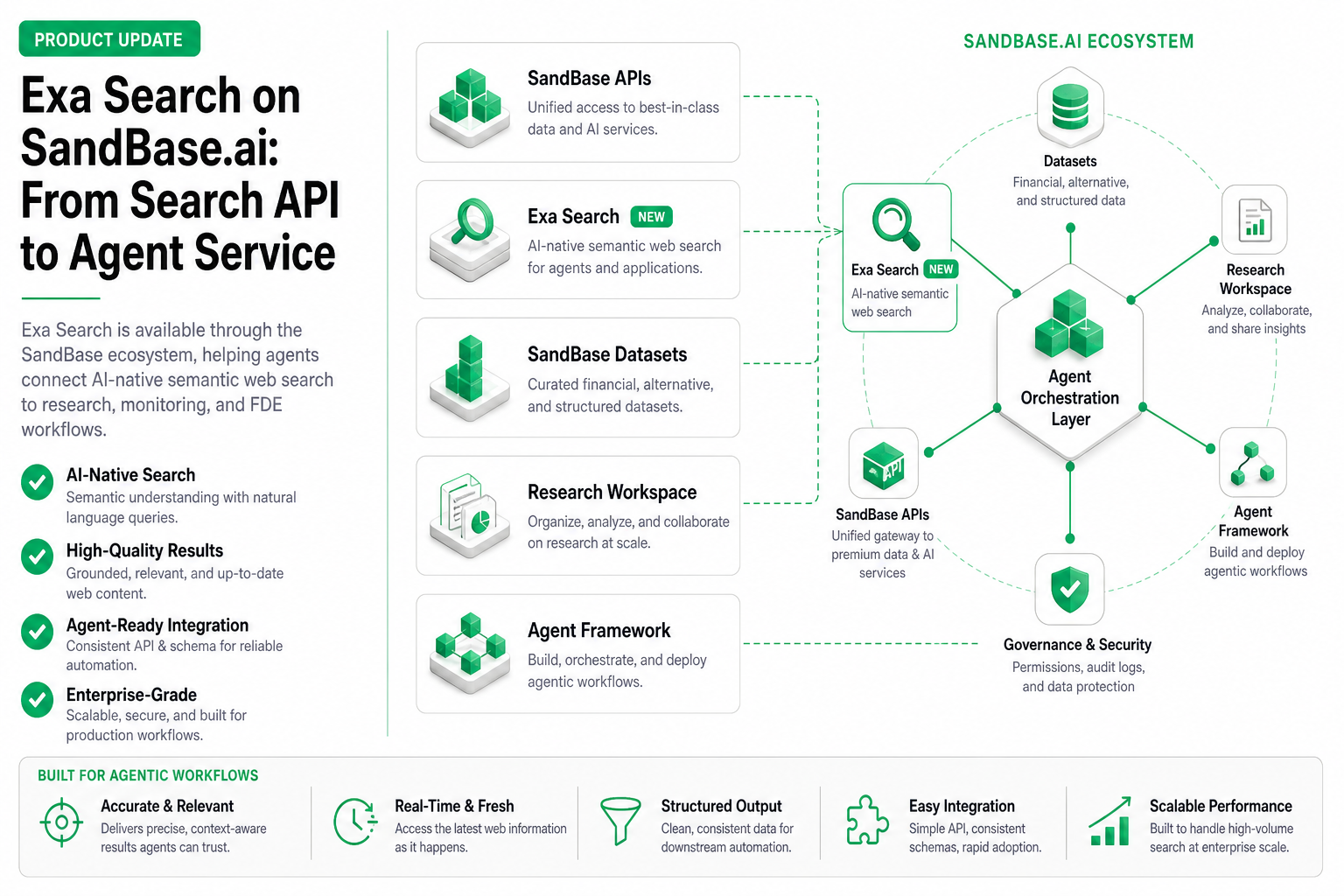
ReadExa Search is available through the SandBase ecosystem, helping agents connect AI-native semantic web search to research, monitoring, and FDE workflows.
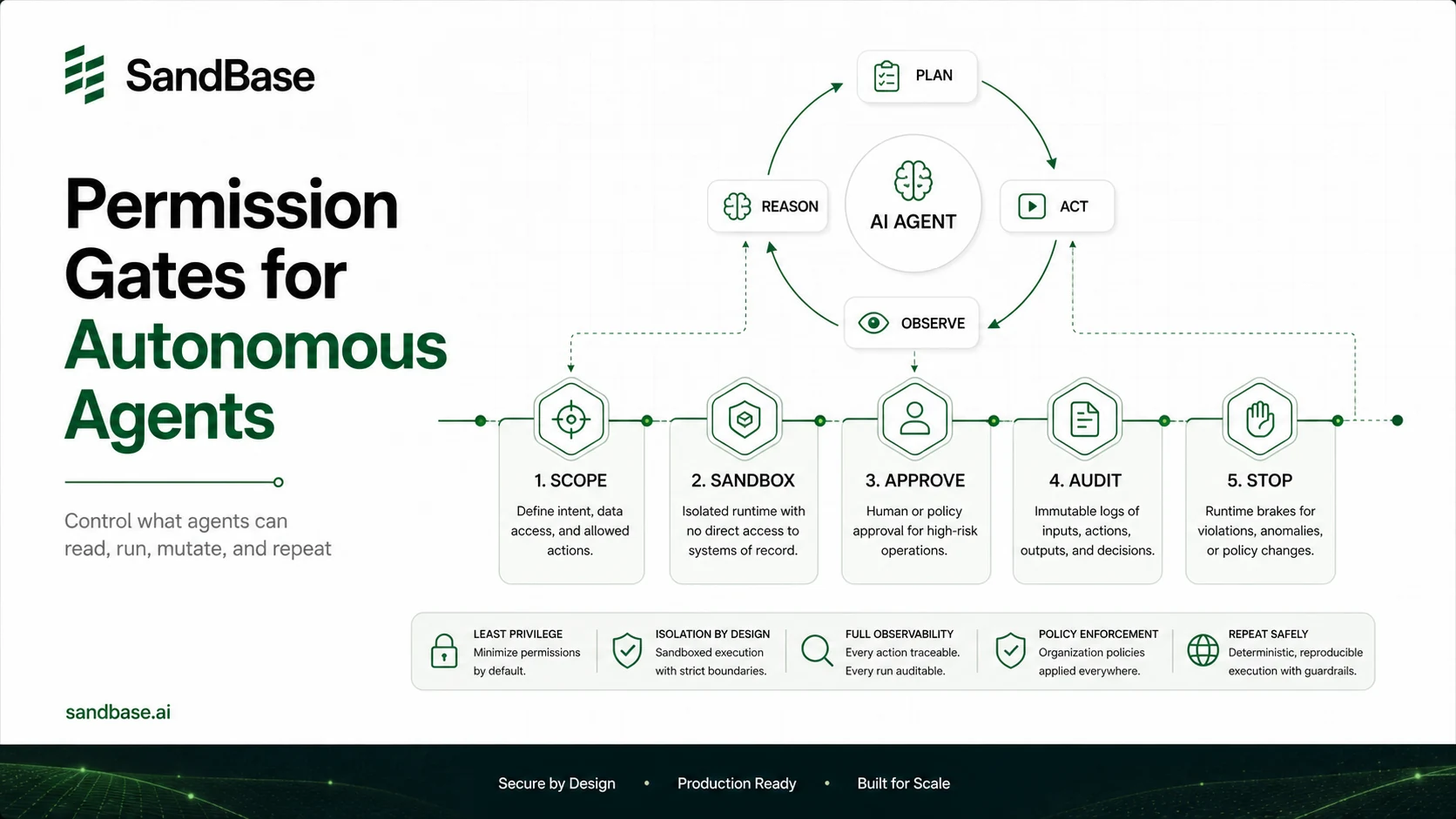
ReadPre-action authorization checks every AI agent tool call before it runs. Learn how to gate reads, writes, code execution, and loops.
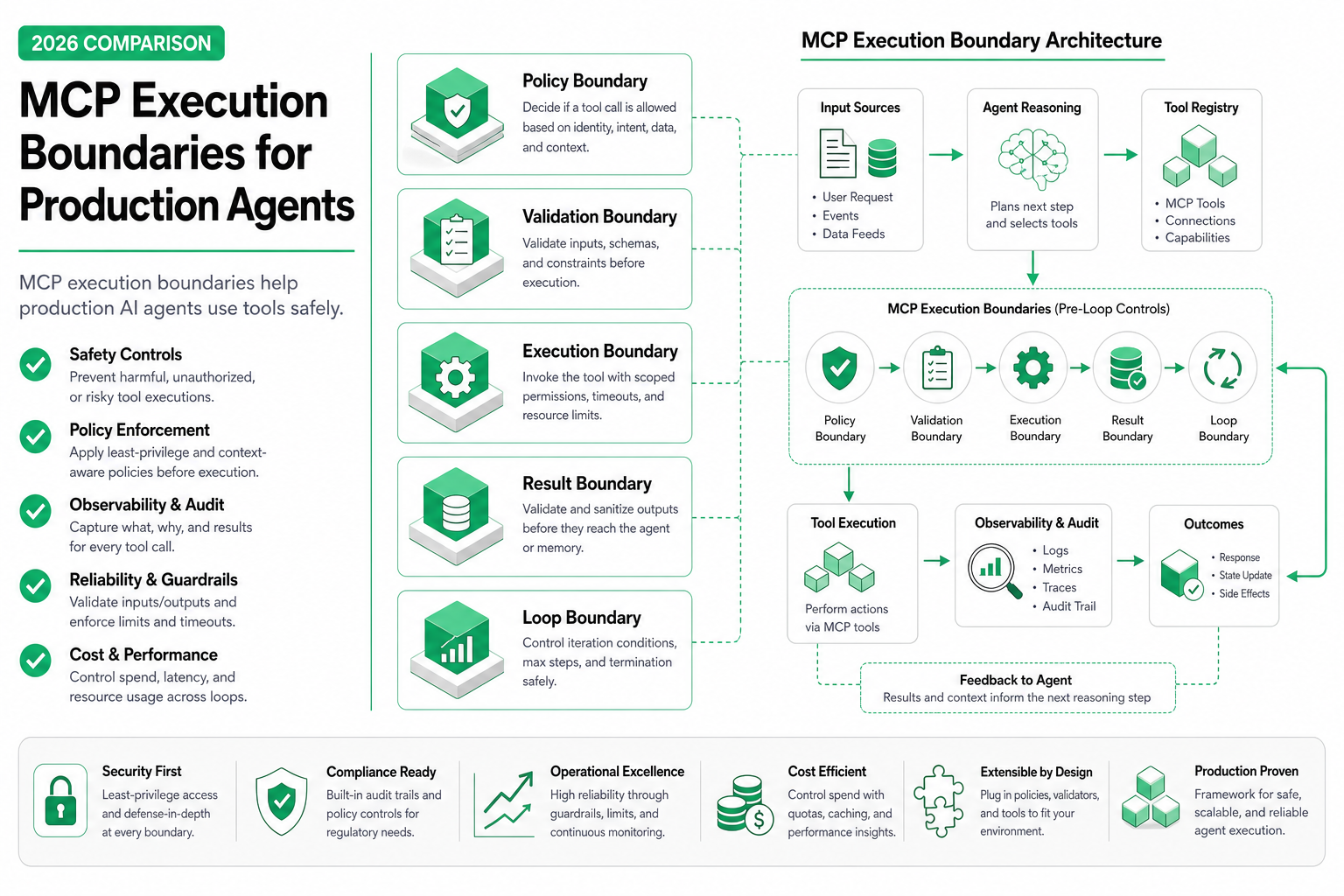
ReadMCP execution boundaries help production AI agents use tools safely. Learn what to control after tools are connected and before loops run.
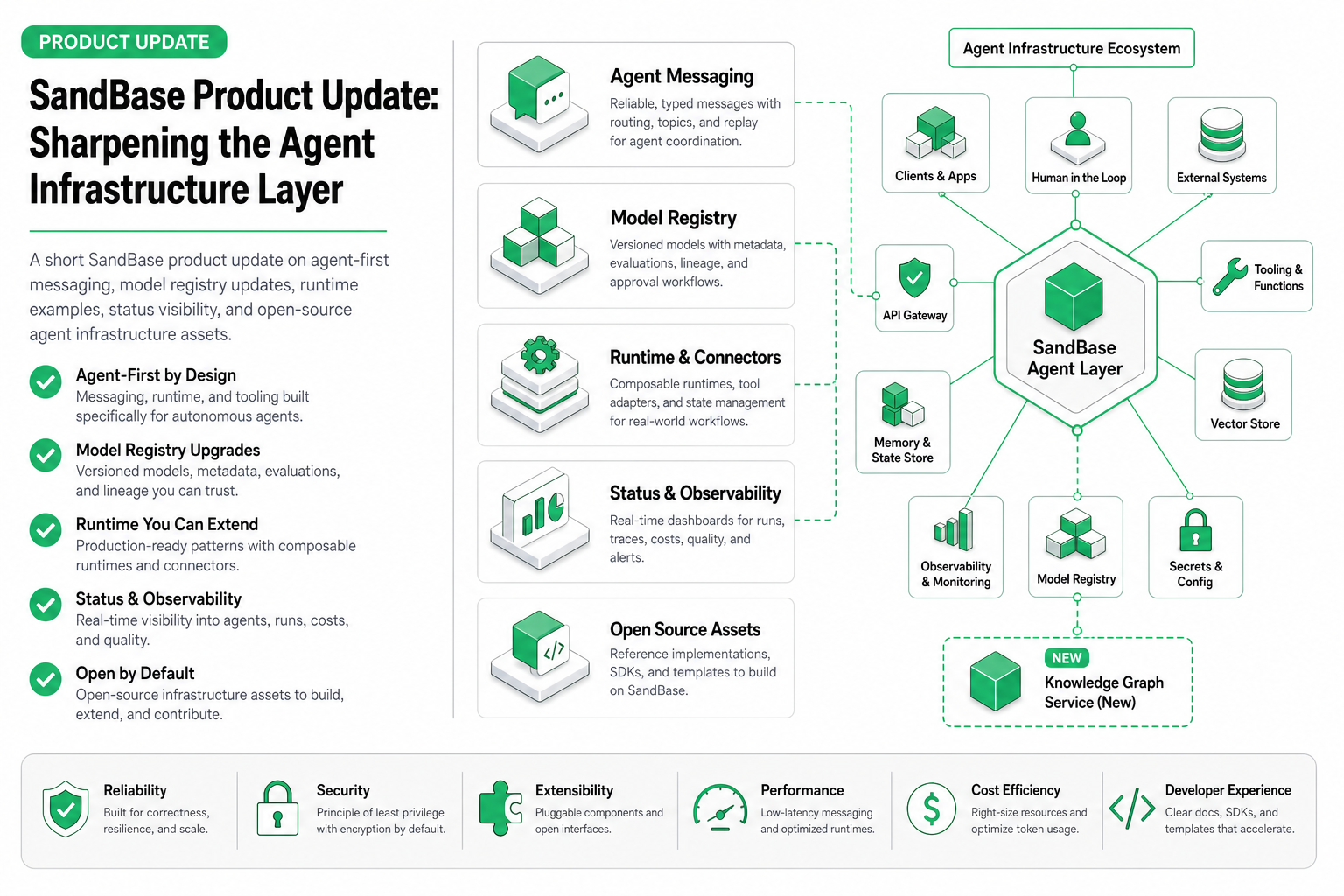
ReadA short SandBase product update on agent-first messaging, model registry updates, runtime examples, status visibility, and open-source agent infrastructure assets.
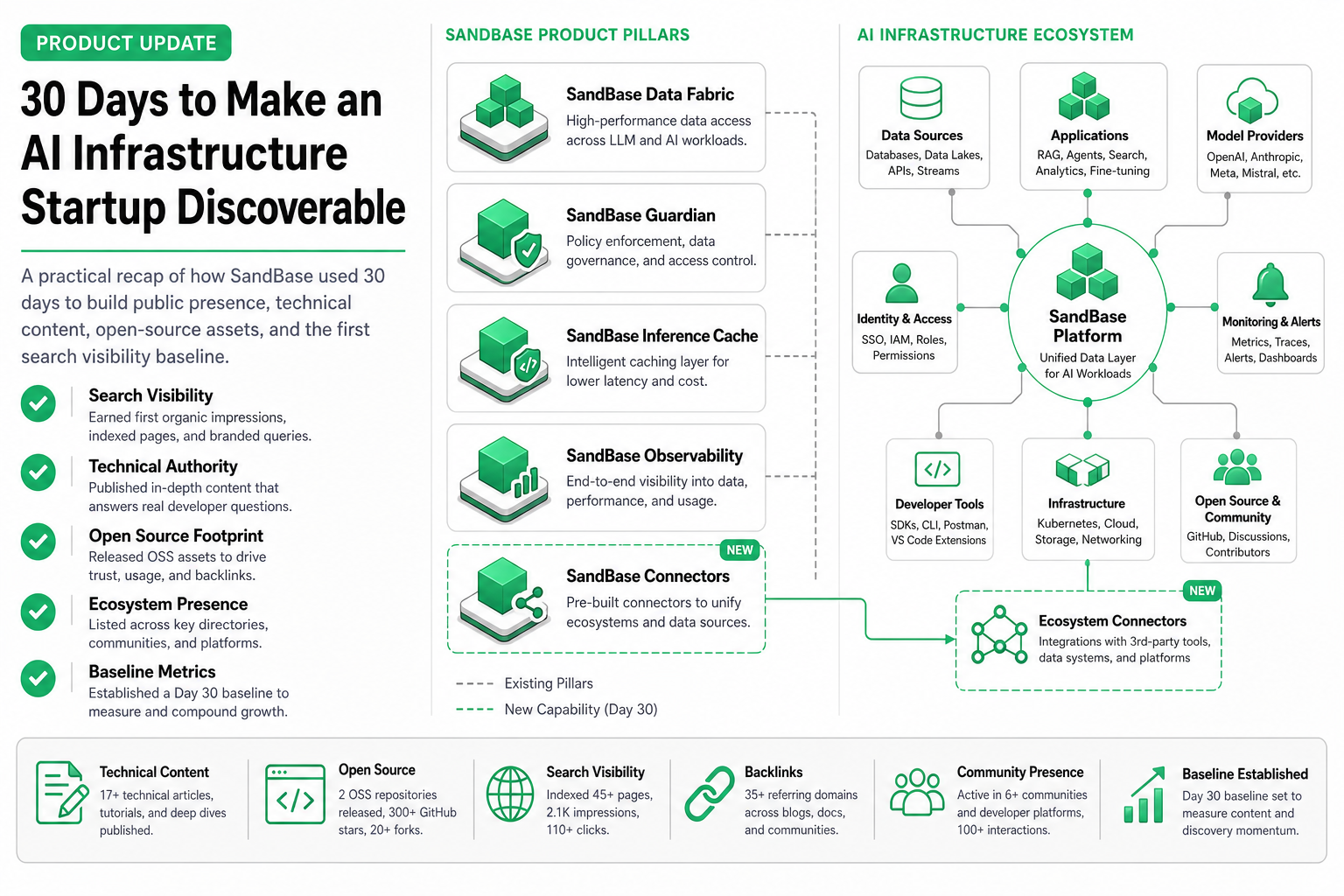
ReadA practical recap of how SandBase used 30 days to build public presence, technical content, open-source assets, and the first search visibility baseline.
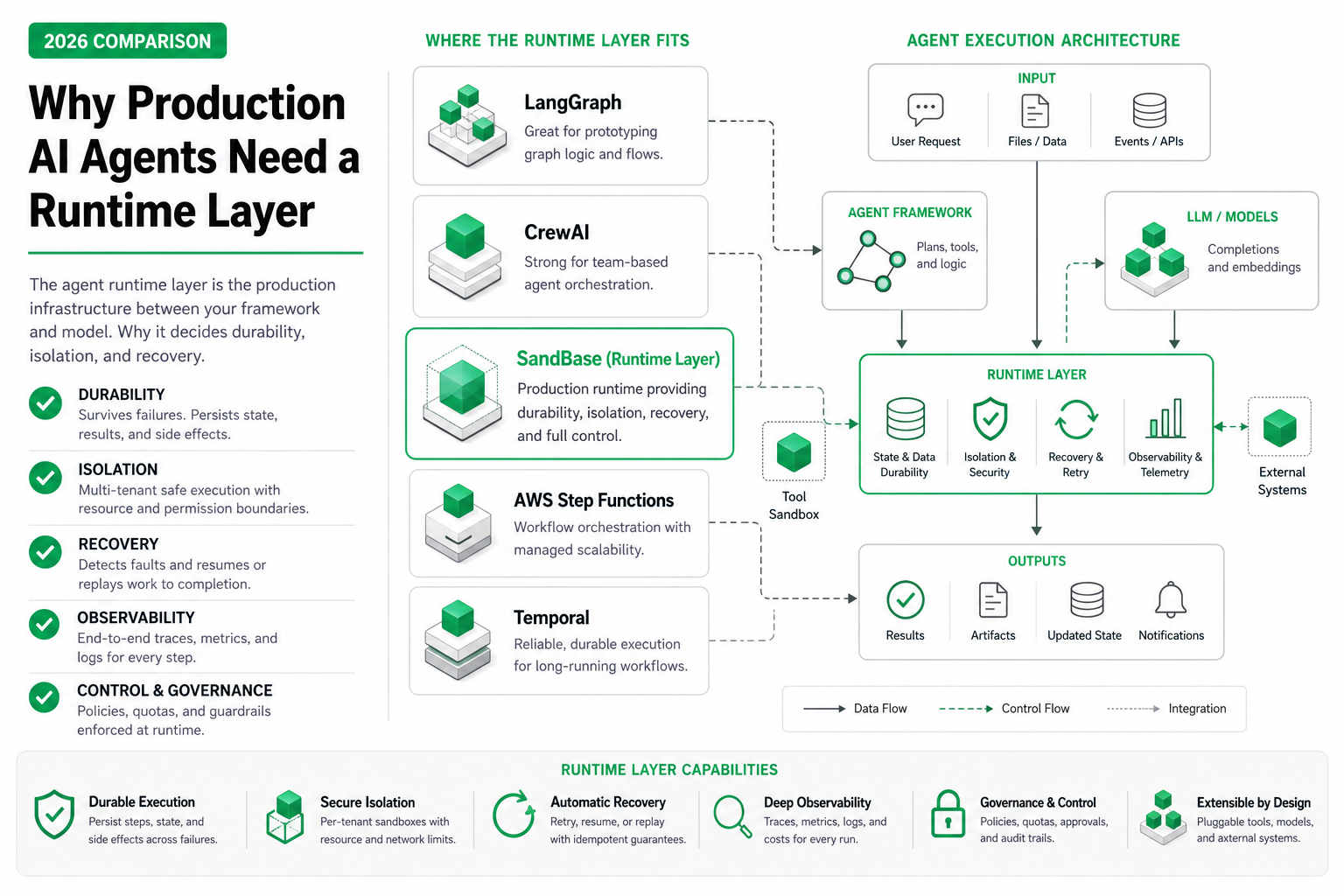
ReadThe agent runtime layer is the production infrastructure between your framework and model. Why it decides durability, isolation, and recovery.
Read