Agent Daily News
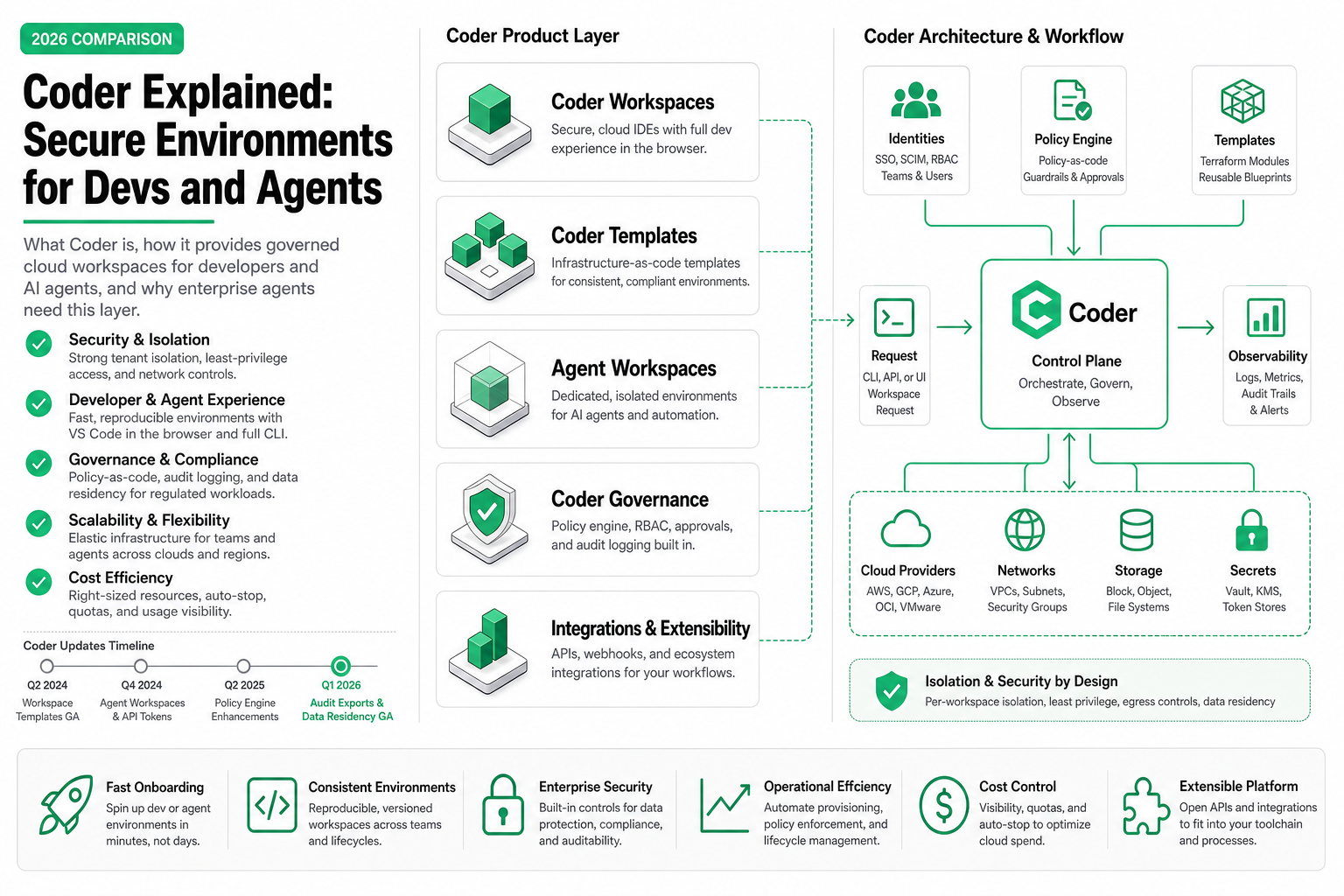
Coder Explained: Secure Environments for Devs and Agents
What Coder is, how it provides governed cloud workspaces for developers and AI agents, and why enterprise agents need this layer.
ReadInsights on AI agents, model routing, and building production-ready AI systems.
What Coder is, how it provides governed cloud workspaces for developers and AI agents, and why enterprise agents need this layer.
Read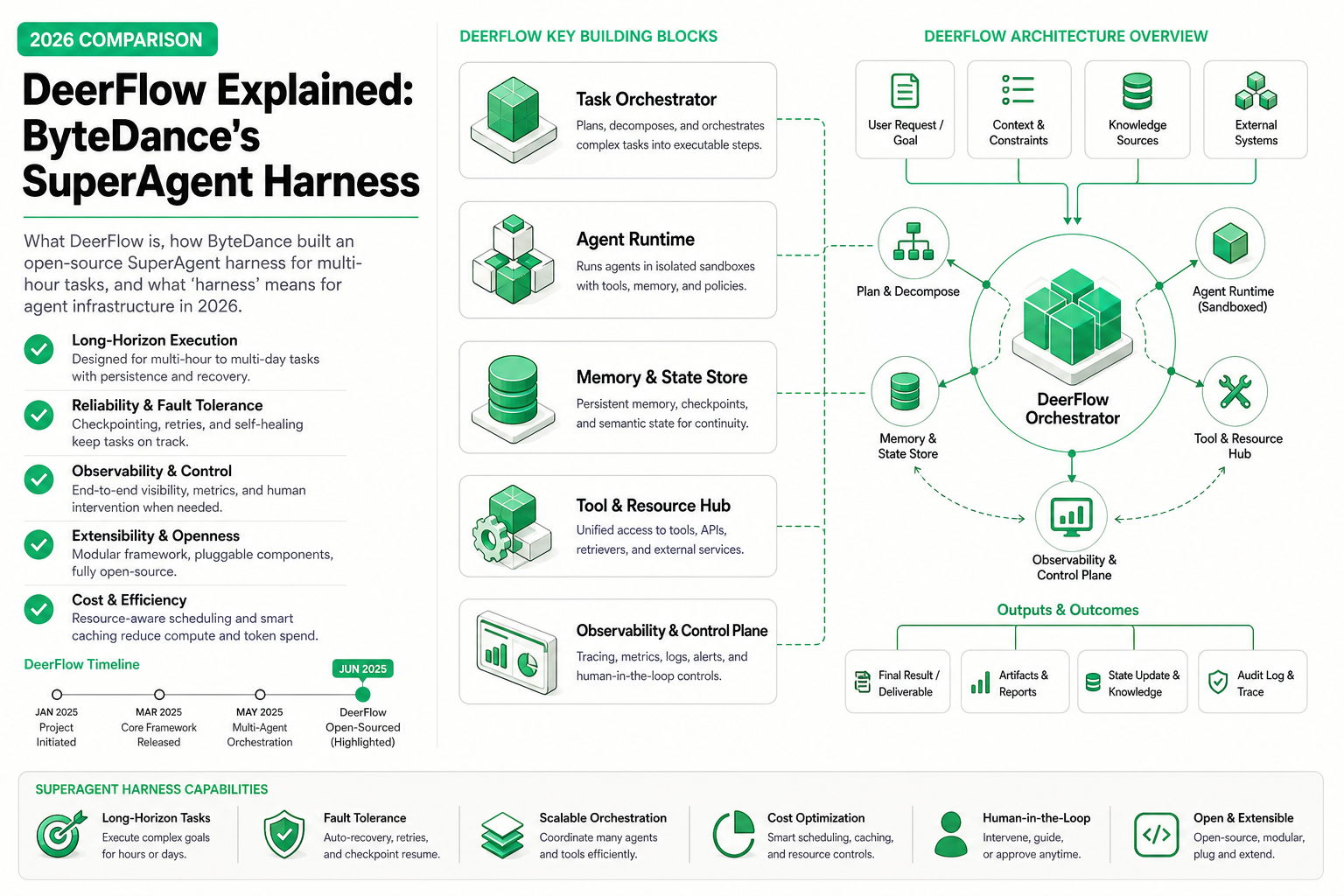
What DeerFlow is, how ByteDance built an open-source SuperAgent harness for multi-hour tasks, and what 'harness' means for agent infrastructure in 2026.
Read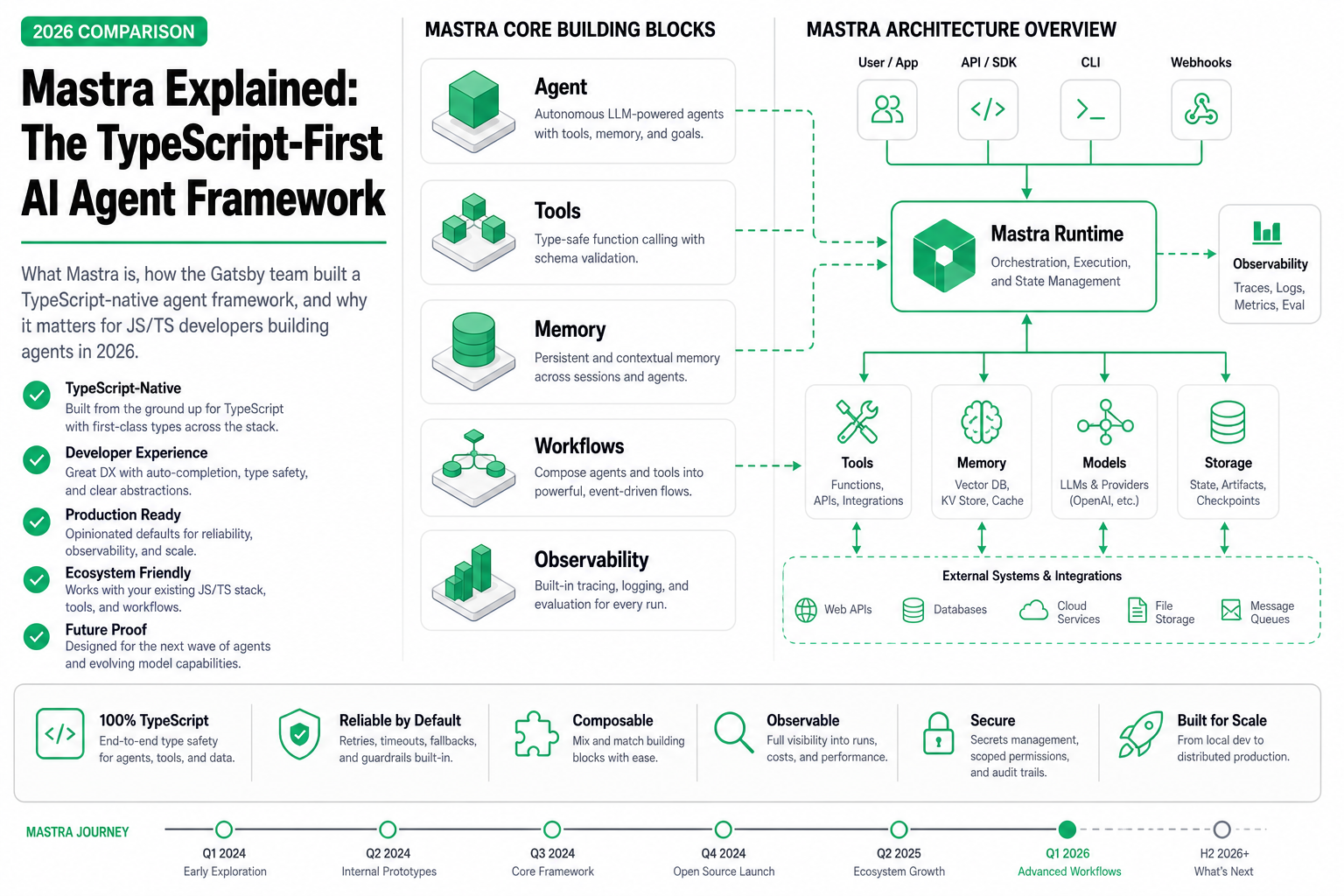
What Mastra is, how the Gatsby team built a TypeScript-native agent framework, and why it matters for JS/TS developers building agents in 2026.
Read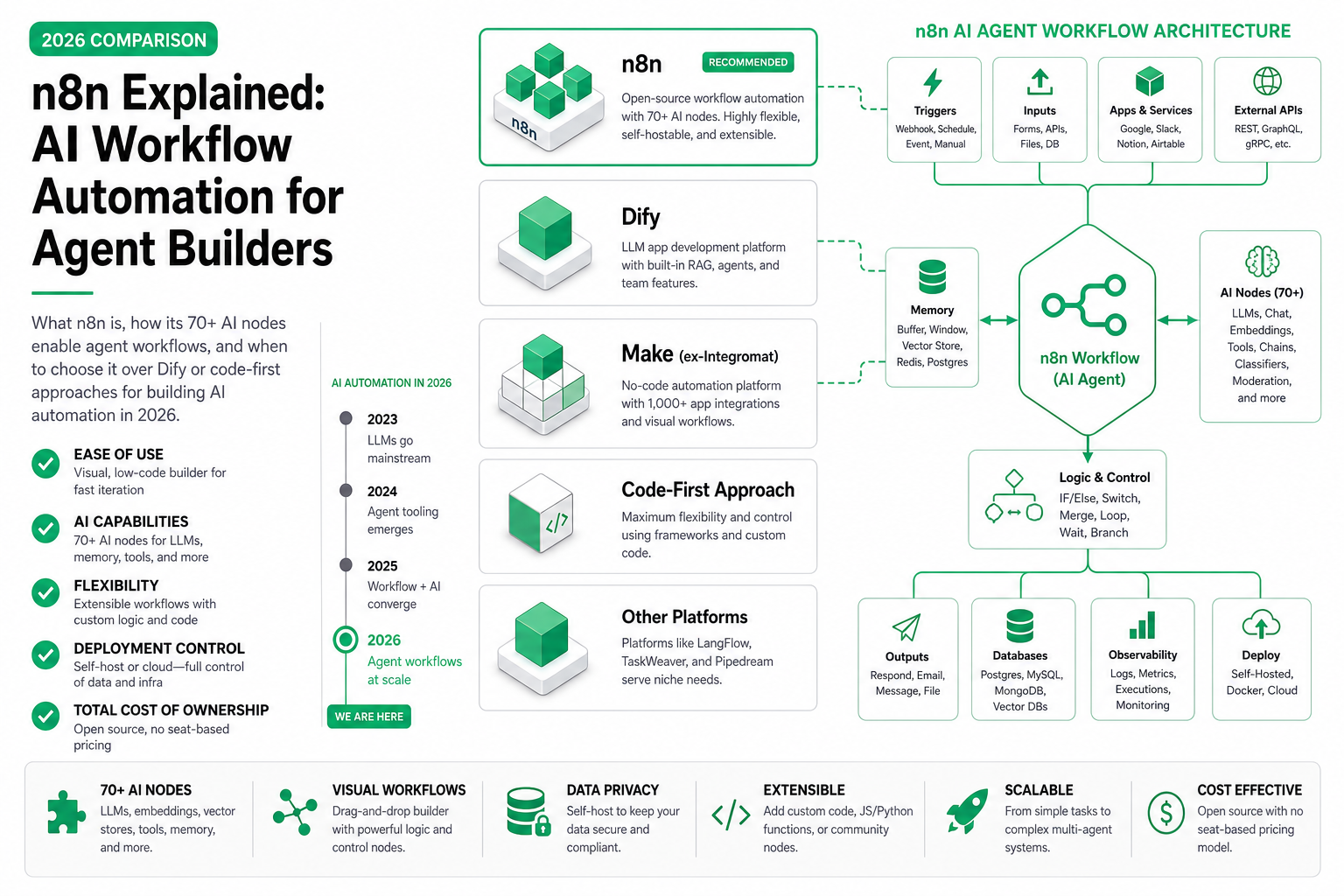
What n8n is, how its 70+ AI nodes enable agent workflows, and when to choose it over Dify or code-first approaches for building AI automation in 2026.
Read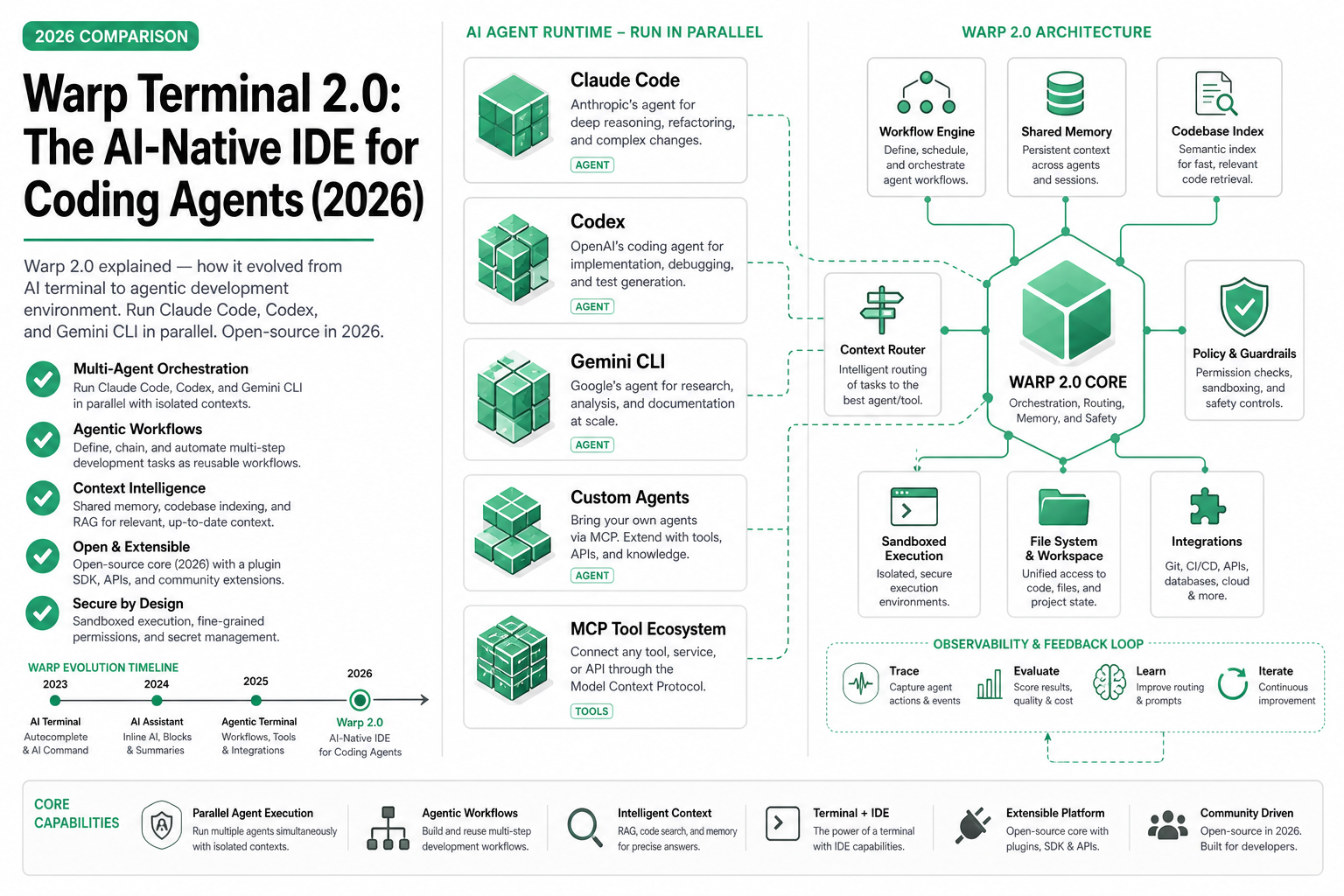
Warp 2.0 explained - how it evolved from AI terminal to agentic development environment. Run Claude Code, Codex, and Gemini CLI in parallel. Open-source in 2026.
Read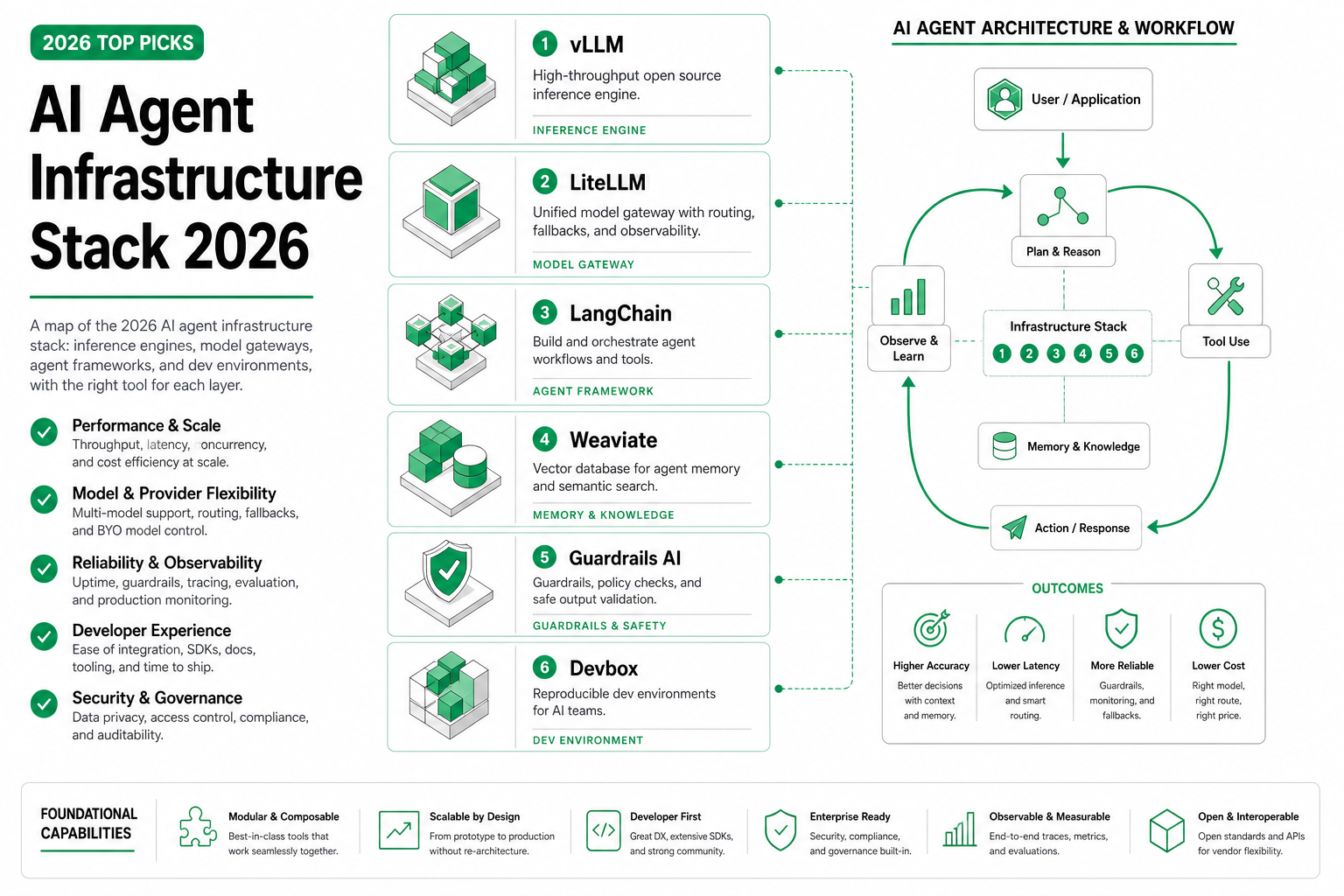
A map of the 2026 AI agent infrastructure stack: inference engines, model gateways, agent frameworks, and dev environments, with the right tool for each layer.
Read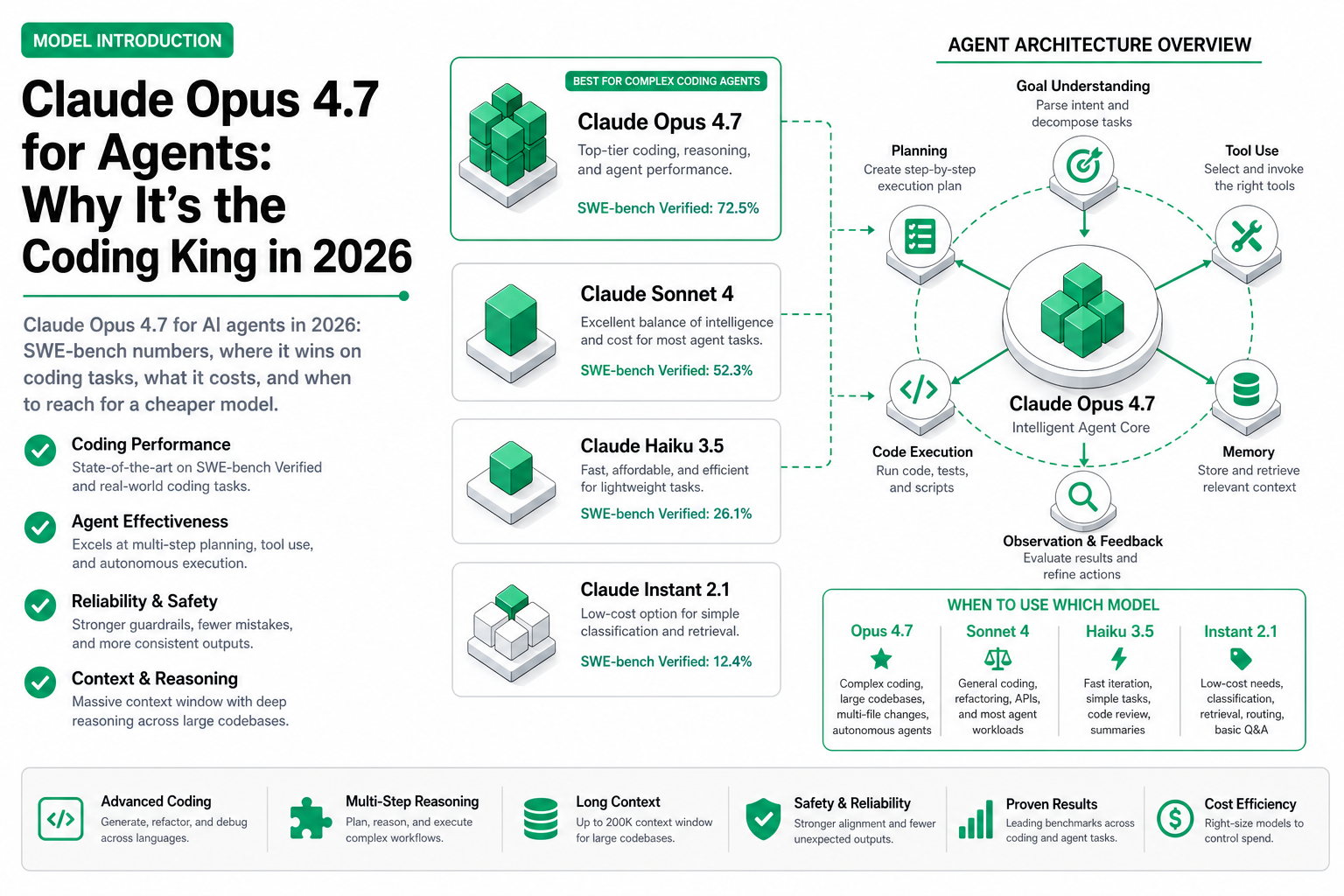
Claude Opus 4.7 for AI agents in 2026: SWE-bench numbers, where it wins on coding tasks, what it costs, and when to reach for a cheaper model.
Read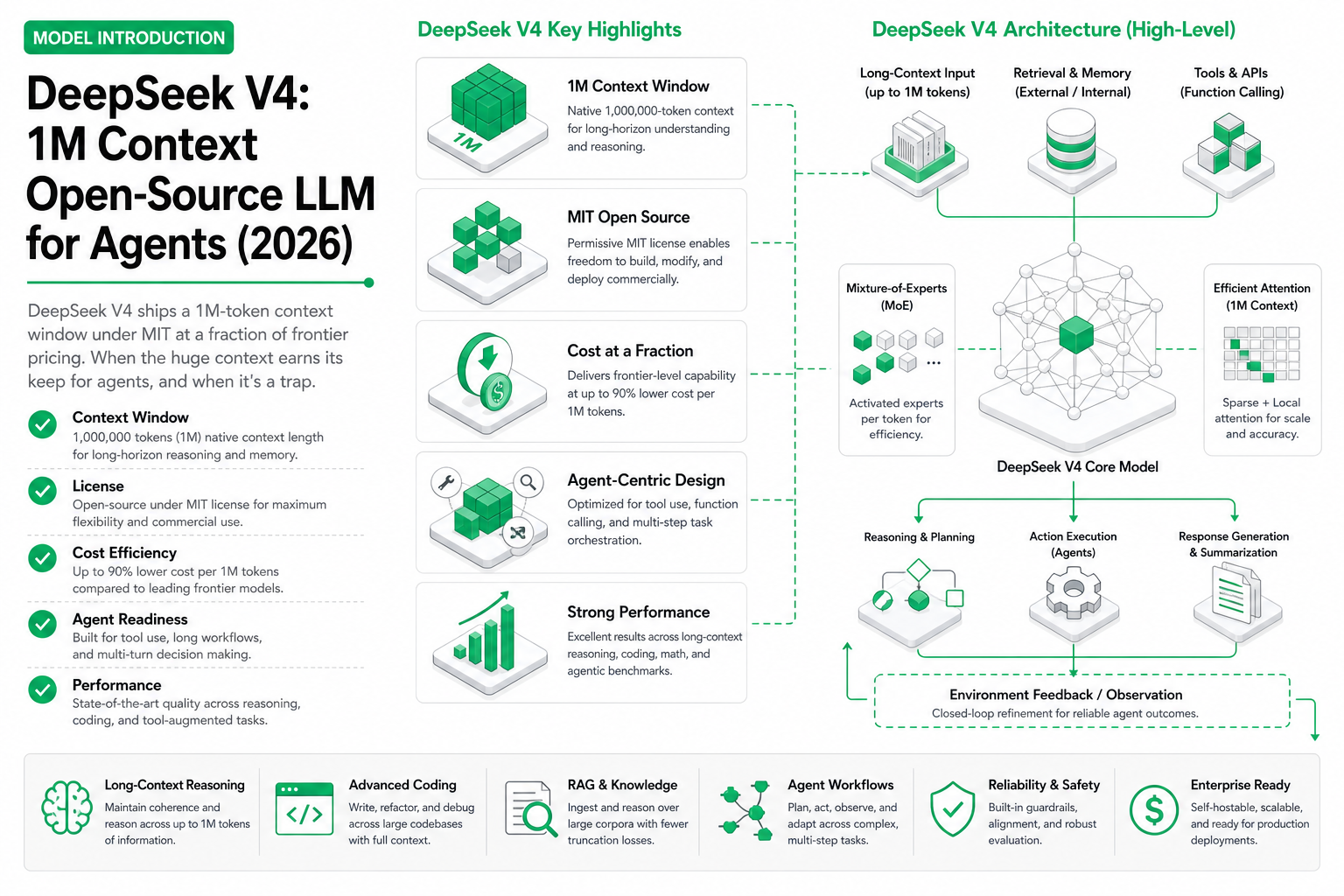
DeepSeek V4 ships a 1M-token context window under MIT at a fraction of frontier pricing. When the huge context earns its keep for agents, and when it's a trap.
Read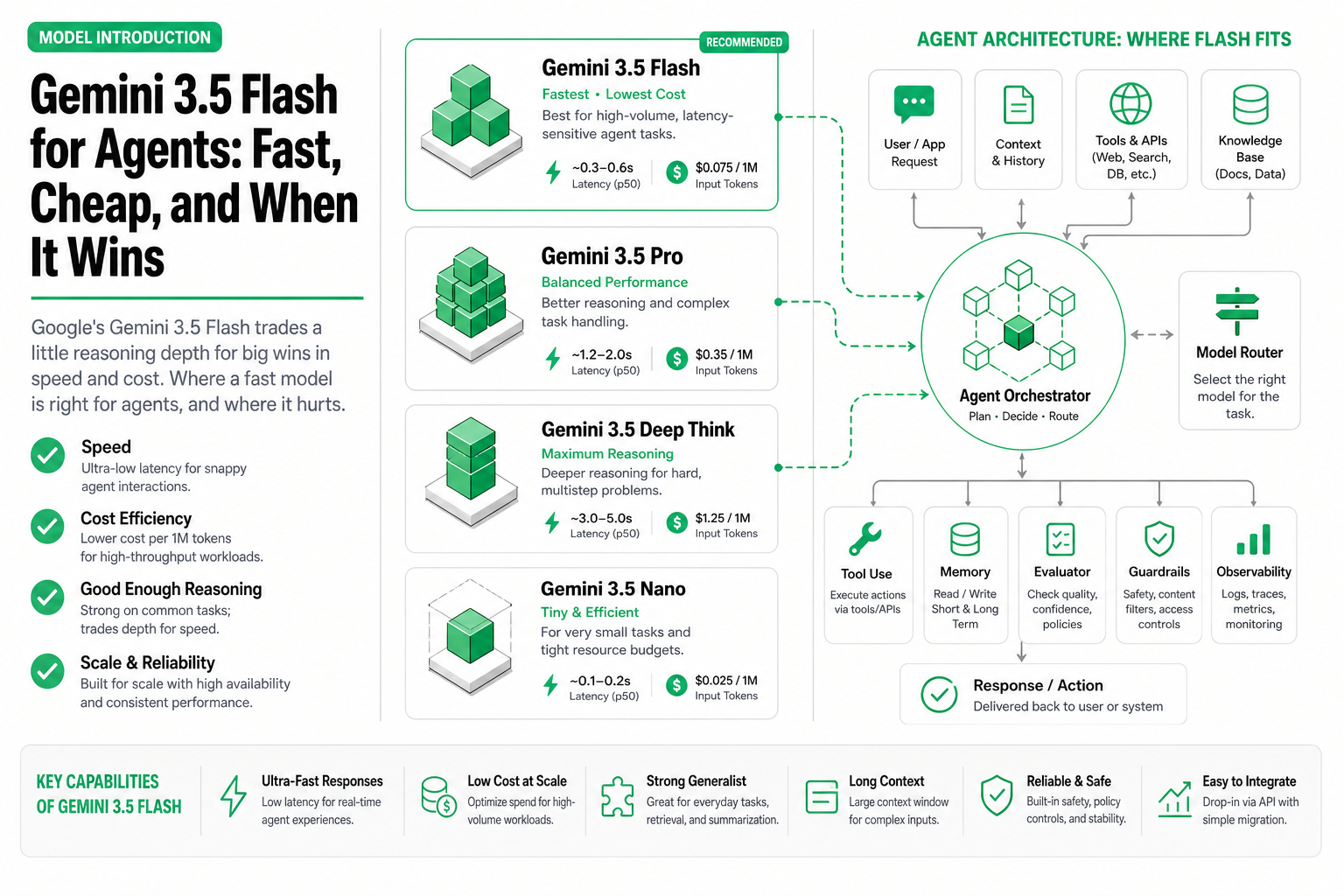
Google's Gemini 3.5 Flash trades a little reasoning depth for big wins in speed and cost. Where a fast model is right for agents, and where it hurts.
Read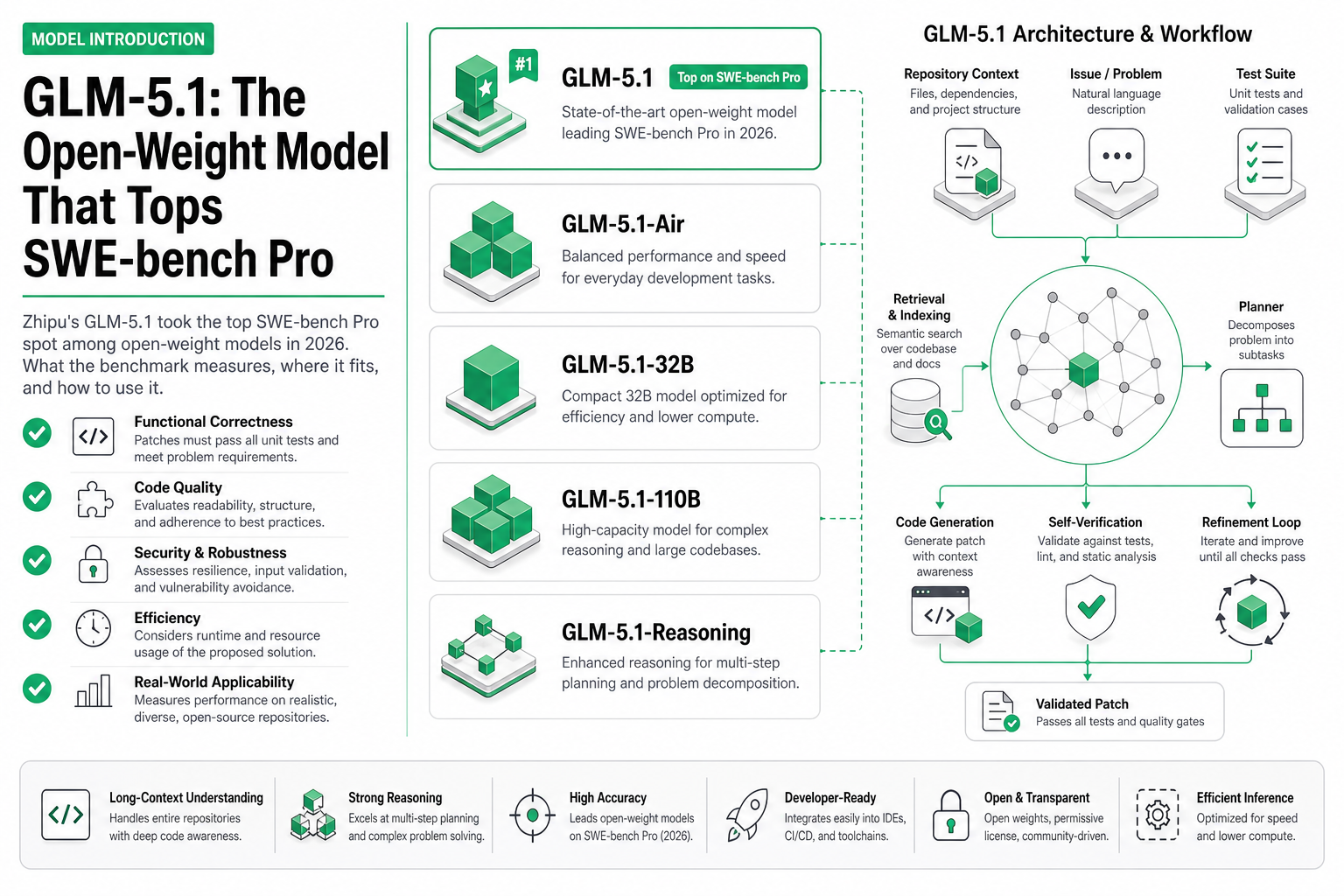
Zhipu's GLM-5.1 took the top SWE-bench Pro spot among open-weight models in 2026. What the benchmark measures, where it fits, and how to use it.
Read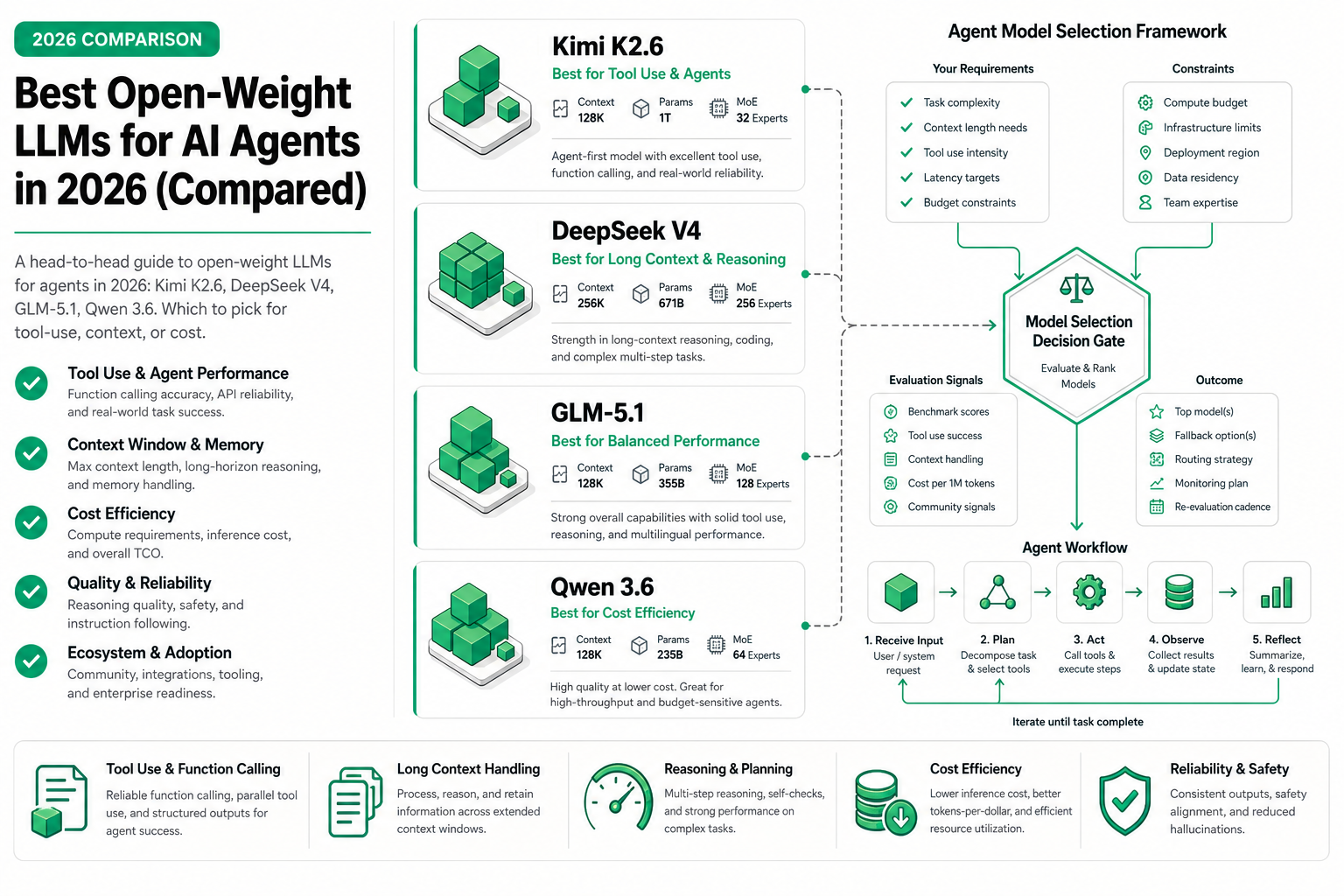
A head-to-head guide to open-weight LLMs for agents in 2026: Kimi K2.6, DeepSeek V4, GLM-5.1, Qwen 3.6. Which to pick for tool-use, context, or cost.
Read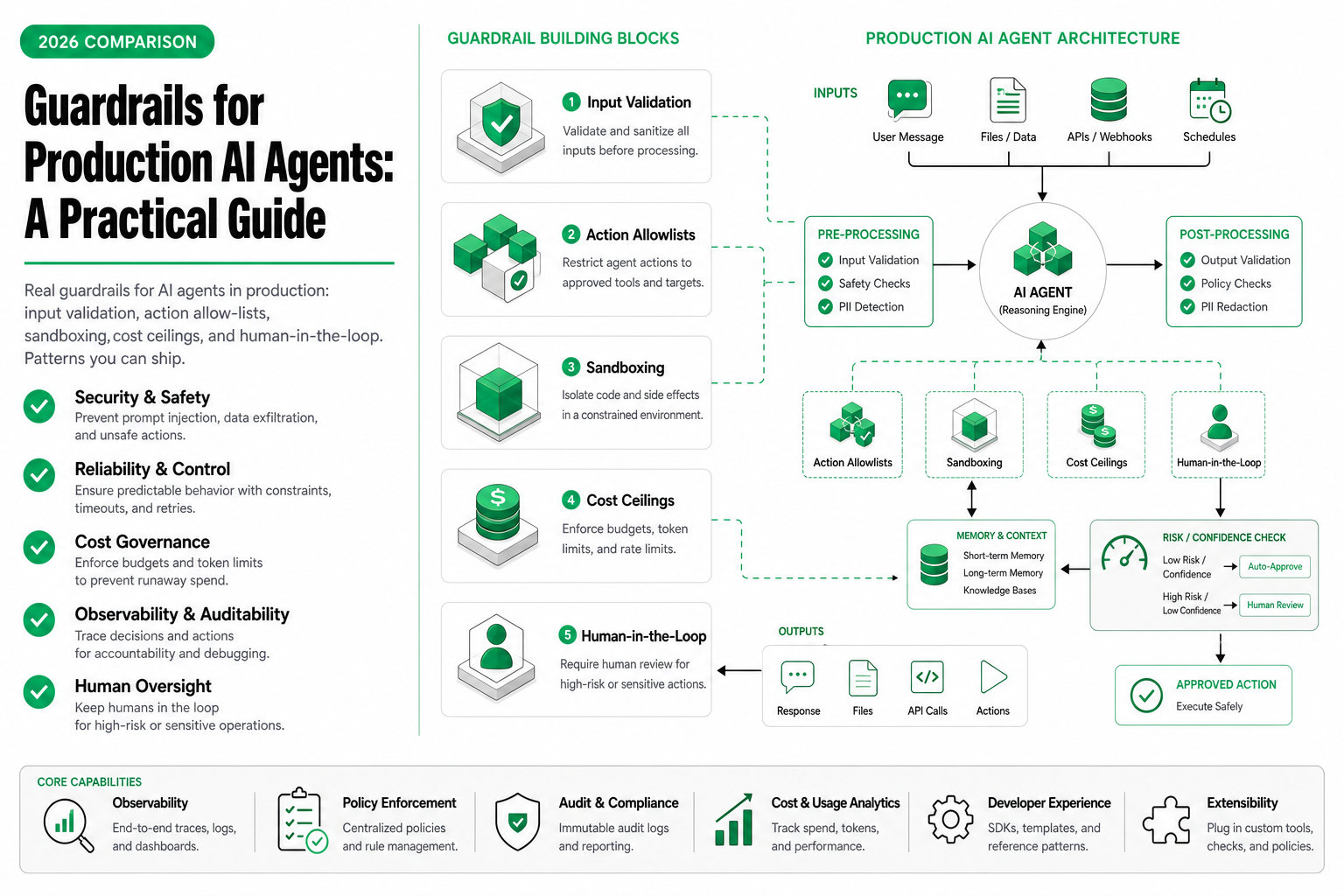
Real guardrails for AI agents in production: input validation, action allow-lists, sandboxing, cost ceilings, and human-in-the-loop. Patterns you can ship.
Read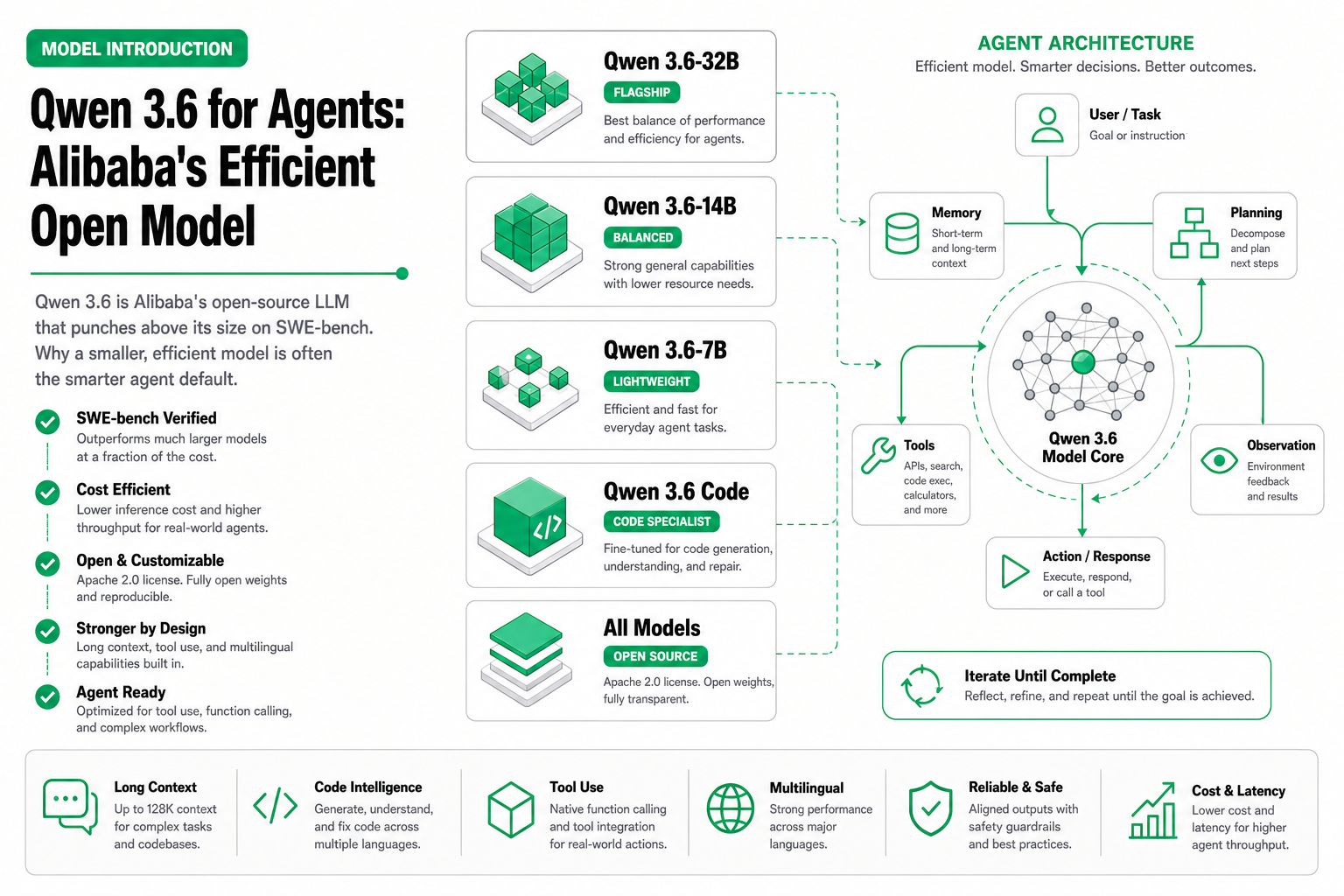
Qwen 3.6 is Alibaba's open-source LLM that punches above its size on SWE-bench. Why a smaller, efficient model is often the smarter agent default.
Read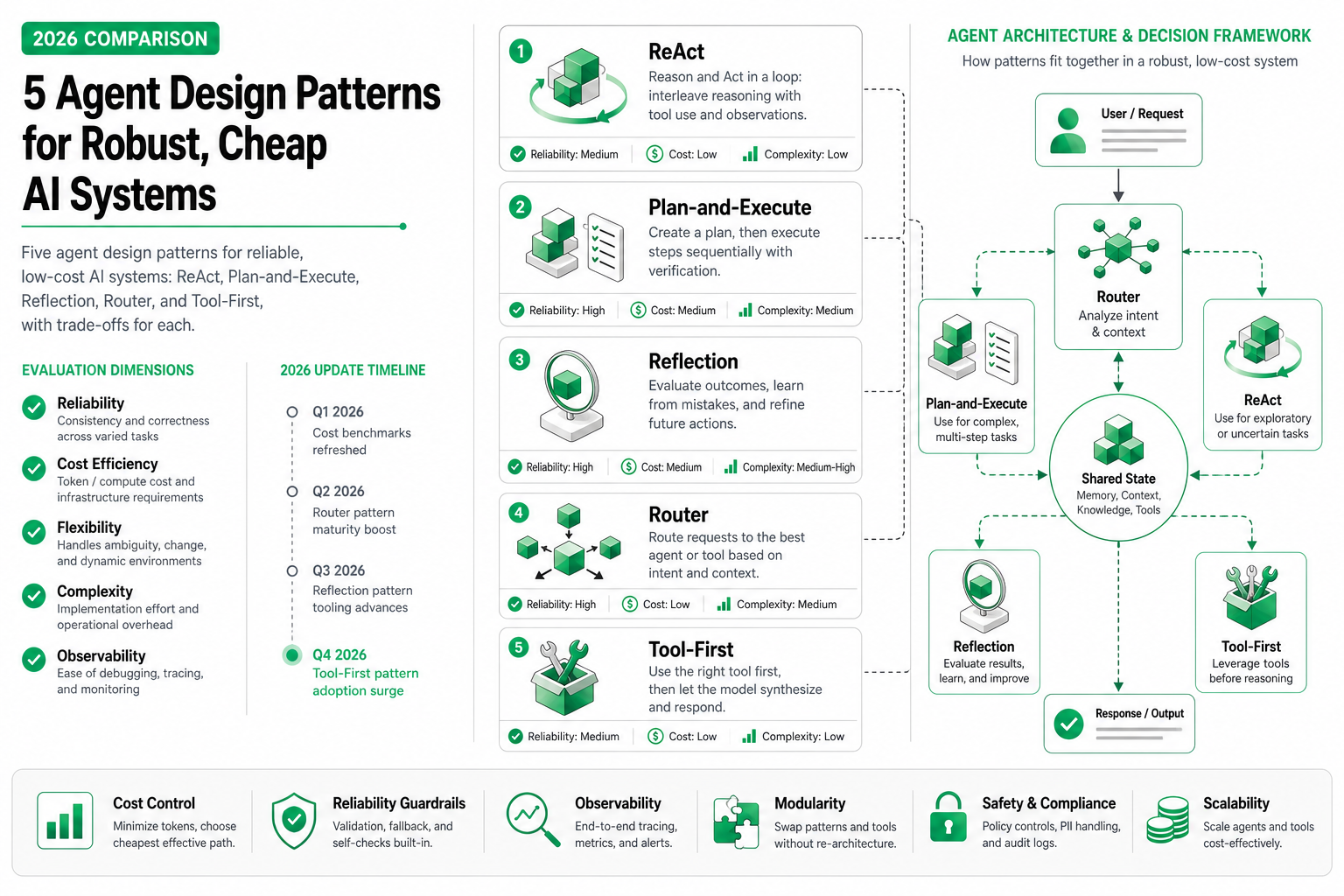
Five agent design patterns for reliable, low-cost AI systems: ReAct, Plan-and-Execute, Reflection, Router, and Tool-First, with trade-offs for each.
Read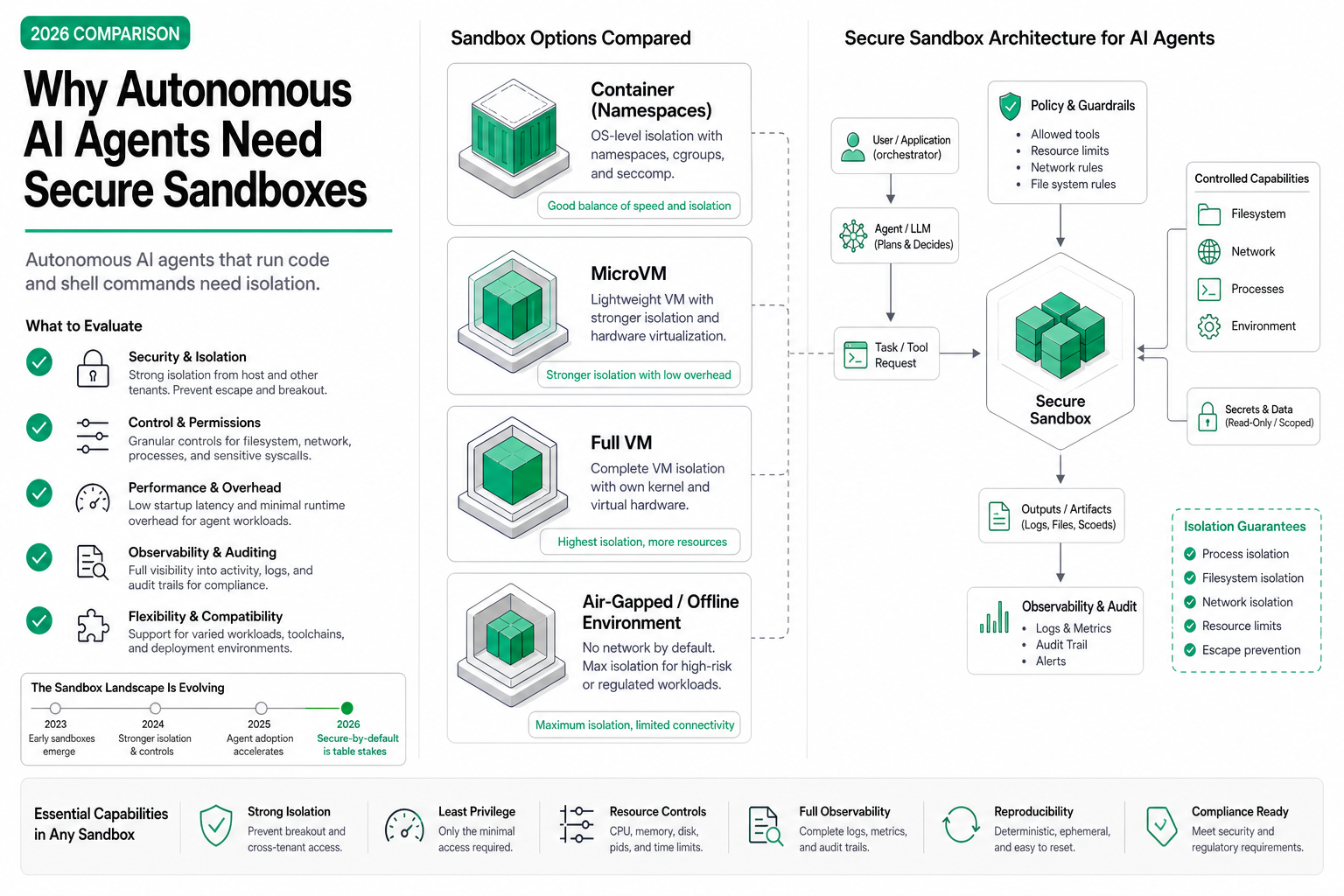
Autonomous AI agents that run code and shell commands need isolation. Why sandboxes are non-negotiable in production, the isolation levels, and how to choose.
Read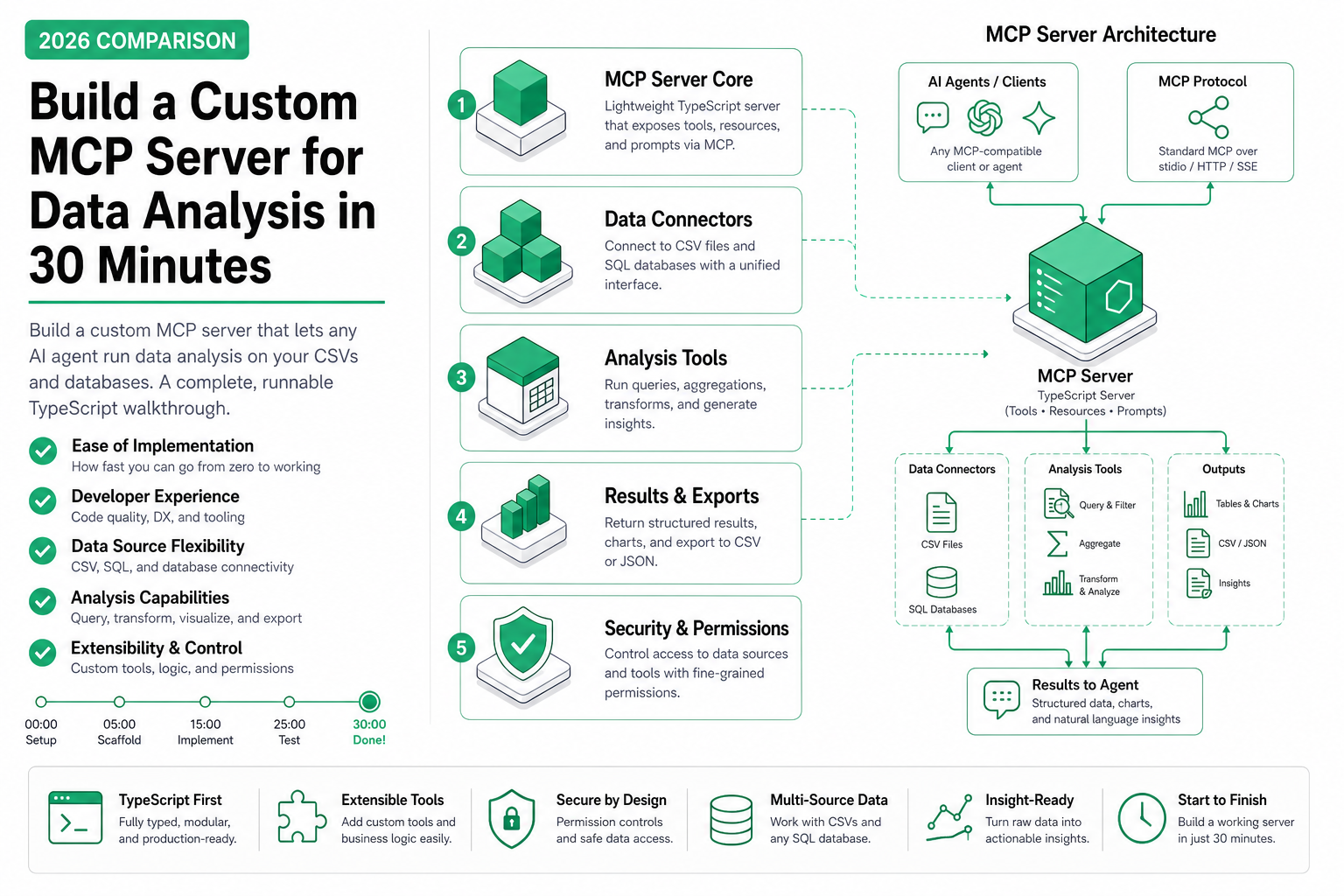
Build a custom MCP server that lets any AI agent run data analysis on your CSVs and databases. A complete, runnable TypeScript walkthrough.
Read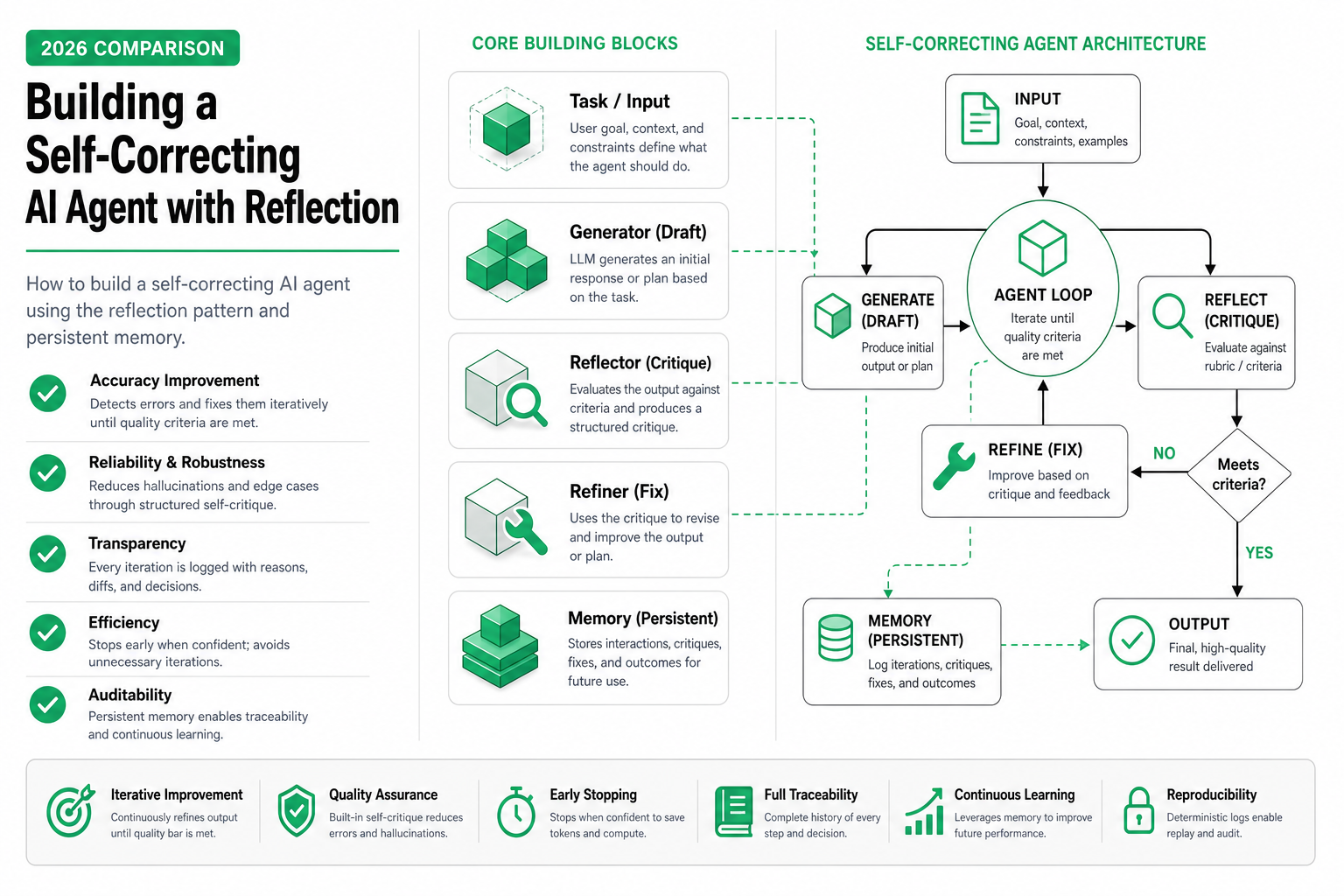
How to build a self-correcting AI agent using the reflection pattern and persistent memory. A runnable Python loop that critiques and fixes its own output.
Read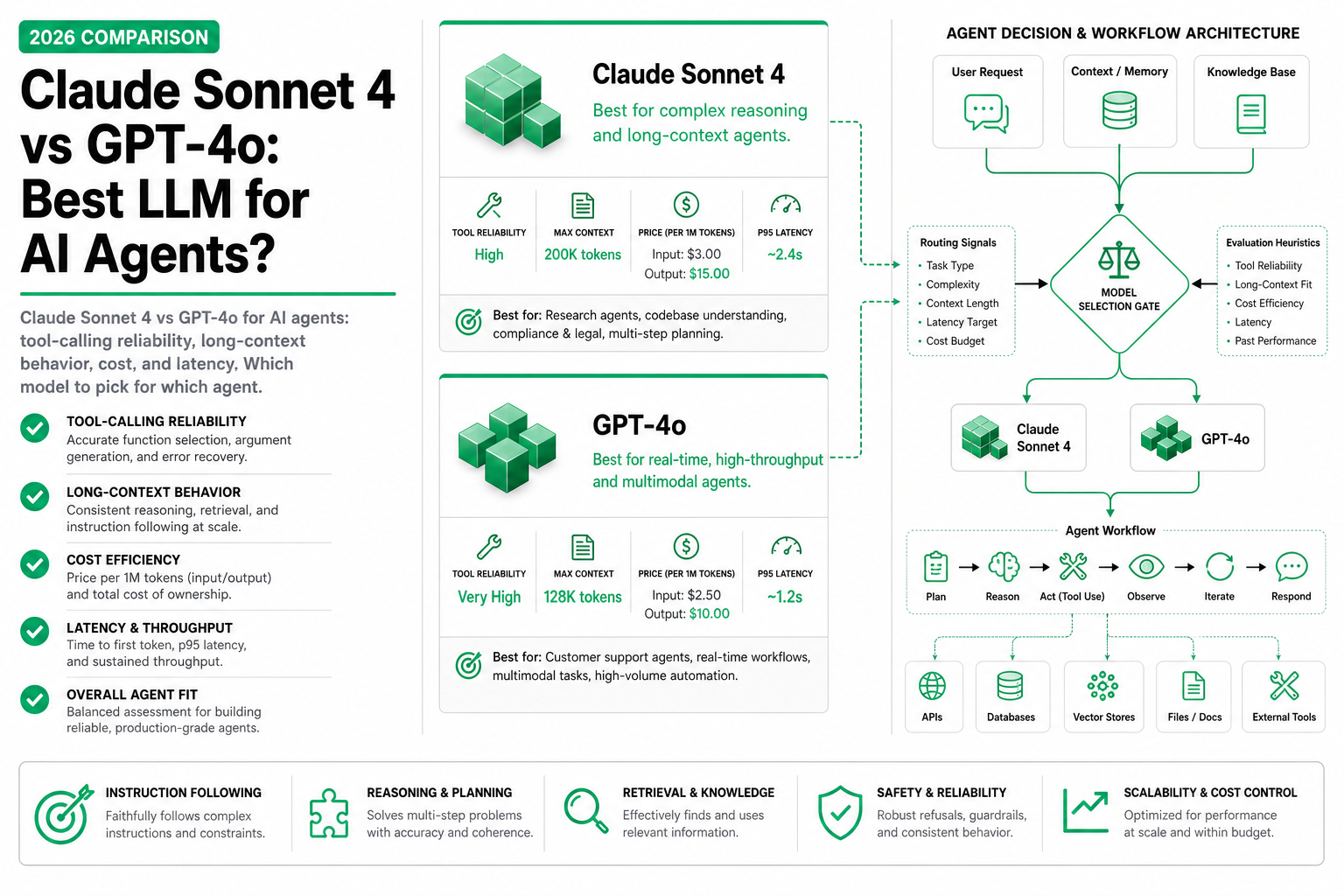
Claude Sonnet 4 vs GPT-4o for AI agents: tool-calling reliability, long-context behavior, cost, and latency. Which model to pick for which agent.
Read