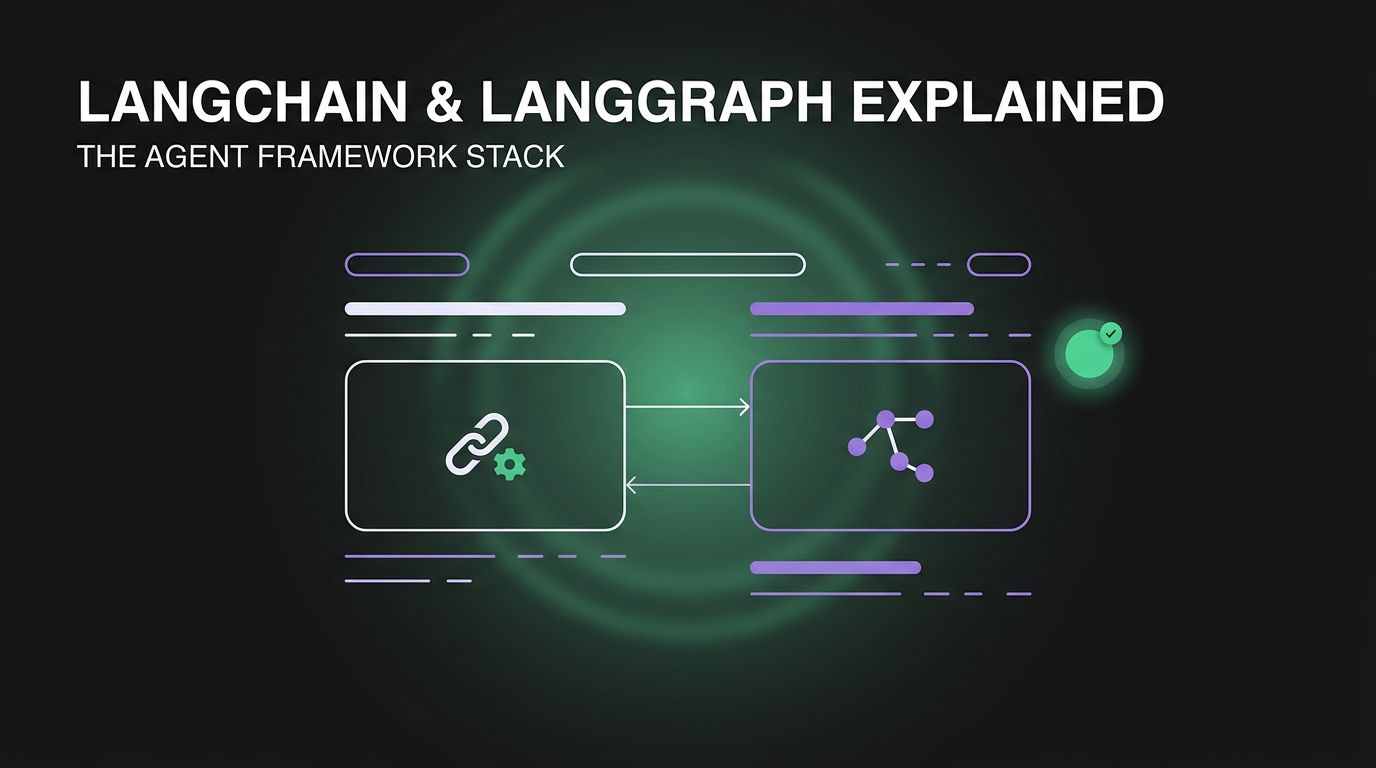
LangChain and LangGraph Explained: The Agent Framework Stack
What LangChain and LangGraph are in 2026, how LangGraph's graph-based agent orchestration works, and when to use them vs newer alternatives.
SandBase Notes
Insights on AI agents, model routing, and building production-ready AI systems.
What LangChain and LangGraph are in 2026, how LangGraph's graph-based agent orchestration works, and when to use them vs newer alternatives.
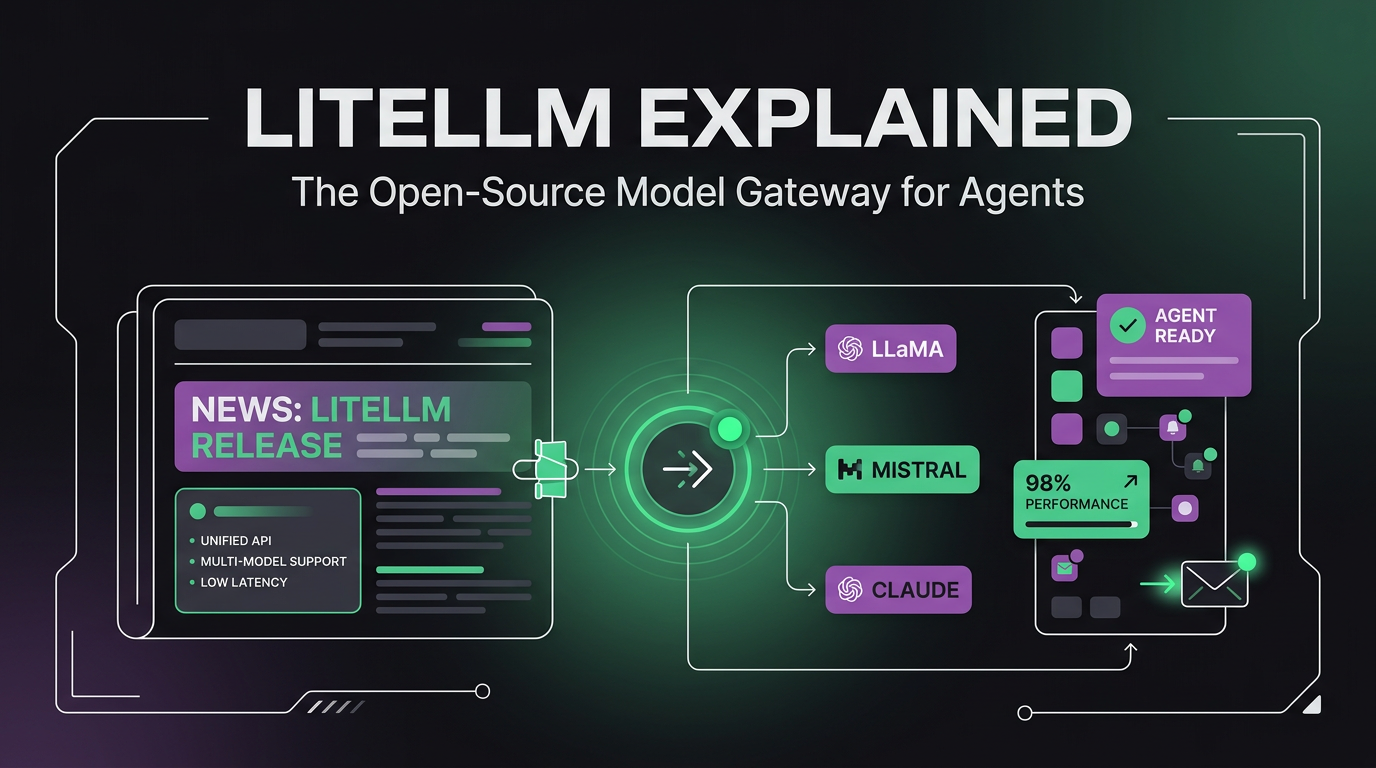
How LiteLLM works as an open-source proxy for 100+ LLM providers, with routing, cost tracking, and failover for agent stacks in 2026.
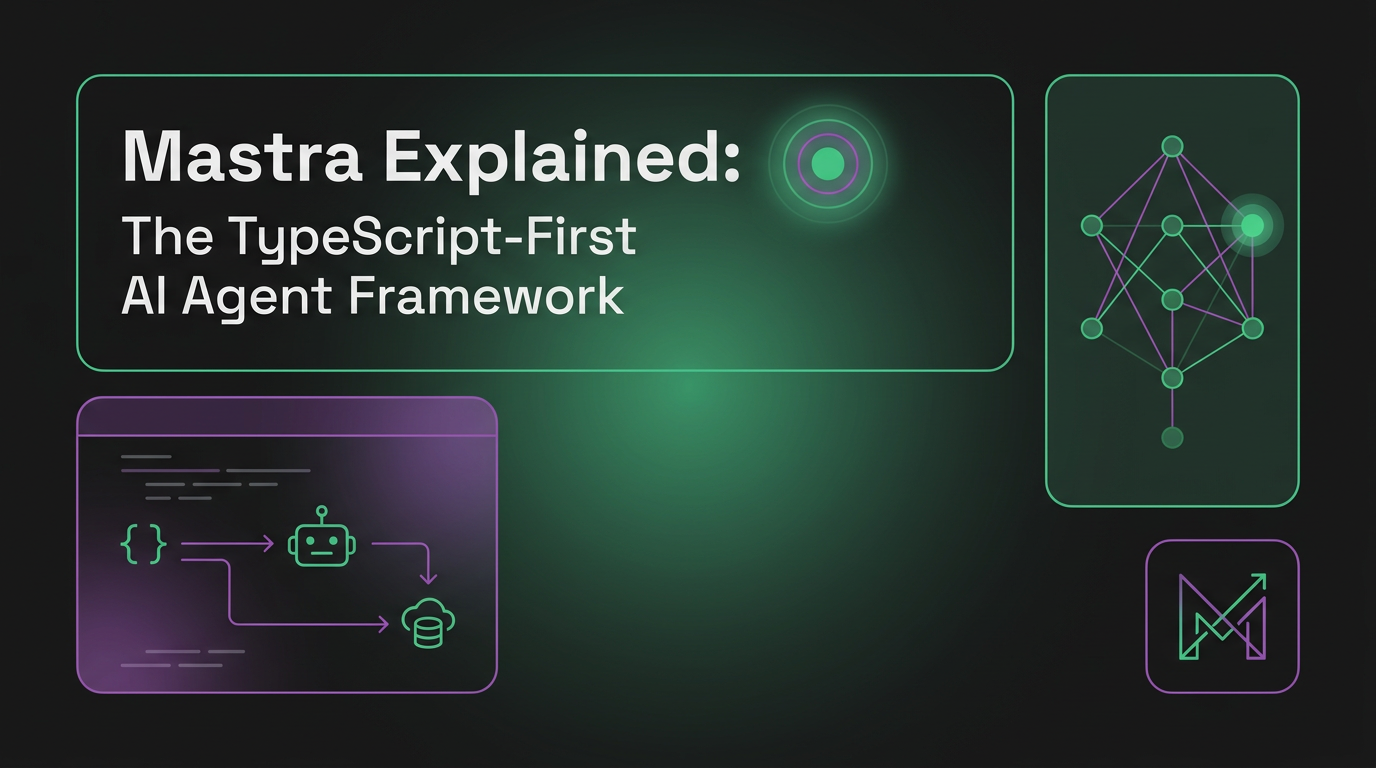
What Mastra is, how the Gatsby team built a TypeScript-native agent framework, and why it matters for JS/TS developers building agents in 2026.
What n8n is, how its 70+ AI nodes enable agent workflows, and when to choose it over Dify or code-first approaches for building AI automation in 2026.
How SGLang works, why RadixAttention gives agents faster prefix reuse, and when to choose it over vLLM for production inference in 2026.
What Warp 2.0 is, how it evolved from AI terminal to agentic development environment, and why it matters for developers working with coding agents in 2026.
How vLLM works under the hood, why PagedAttention matters for agent workloads, and where it fits in a production agent infrastructure stack in 2026.
Claude Opus 4.7 for AI agents in 2026: SWE-bench numbers, where it wins on coding tasks, what it costs, and when to reach for a cheaper model.
DeepSeek V4 ships a 1M-token context window under MIT at a fraction of frontier pricing. When the huge context earns its keep for agents, and when it's a trap.