Which Frontier AI Models Are Worth Paying For?
A practical guide for engineering teams to evaluate AI model spend — not just which model is best, but how to measure value on your workload.
A practical guide for engineering teams to evaluate AI model spend — not just which model is best, but how to measure value on your workload.
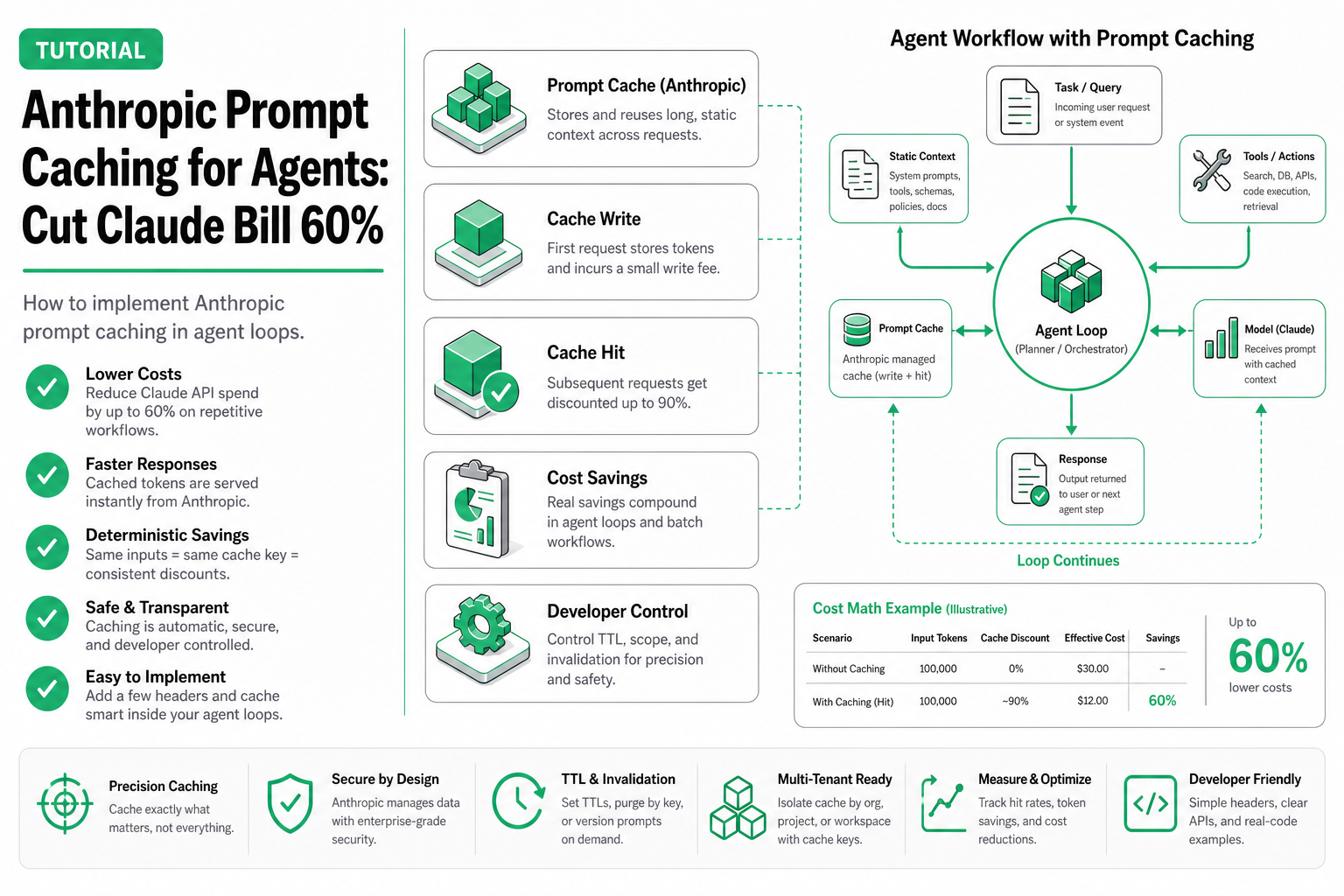
How to implement Anthropic prompt caching in agent loops. Real code, cost math, and advanced patterns that cut Claude API bills by 60% for repetitive workflows.
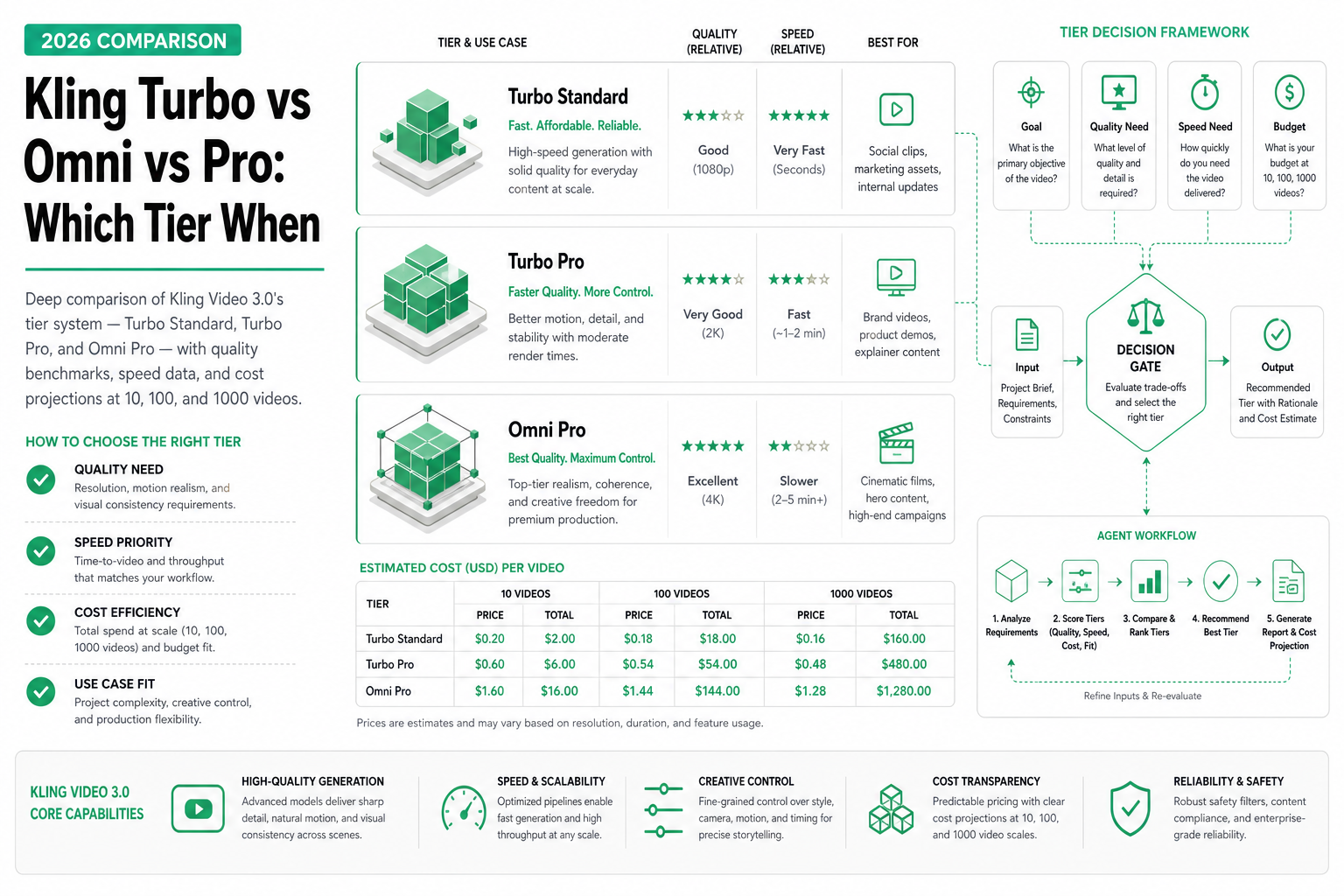
Deep comparison of Kling Video 3.0's tier system — Turbo Standard, Turbo Pro, and Omni Pro — with quality benchmarks, speed data, and cost projections at 10, 100, and 1000 videos.
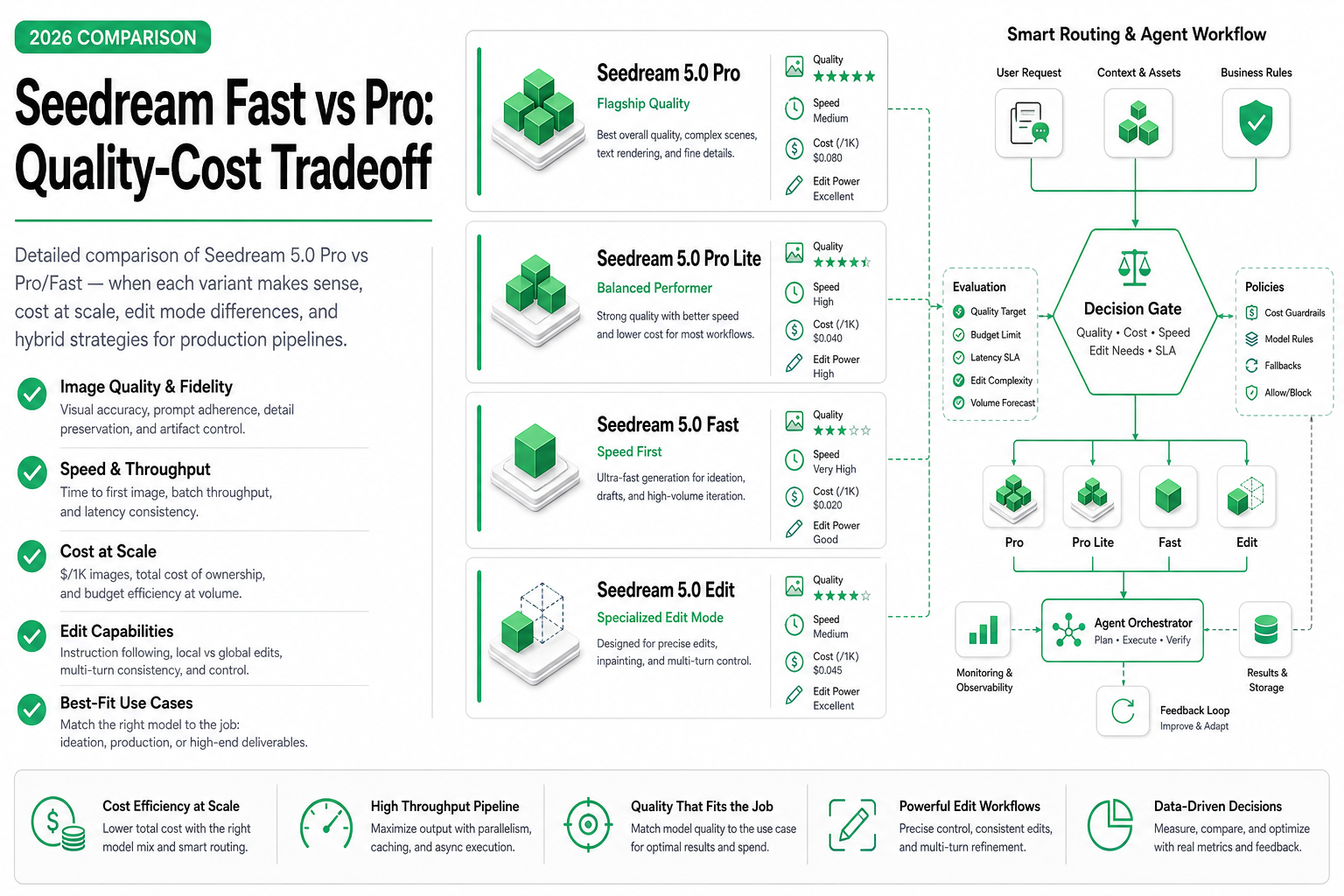
Detailed comparison of Seedream 5.0 Pro vs Pro/Fast — when each variant makes sense, cost at scale, edit mode differences, and hybrid strategies for production pipelines.
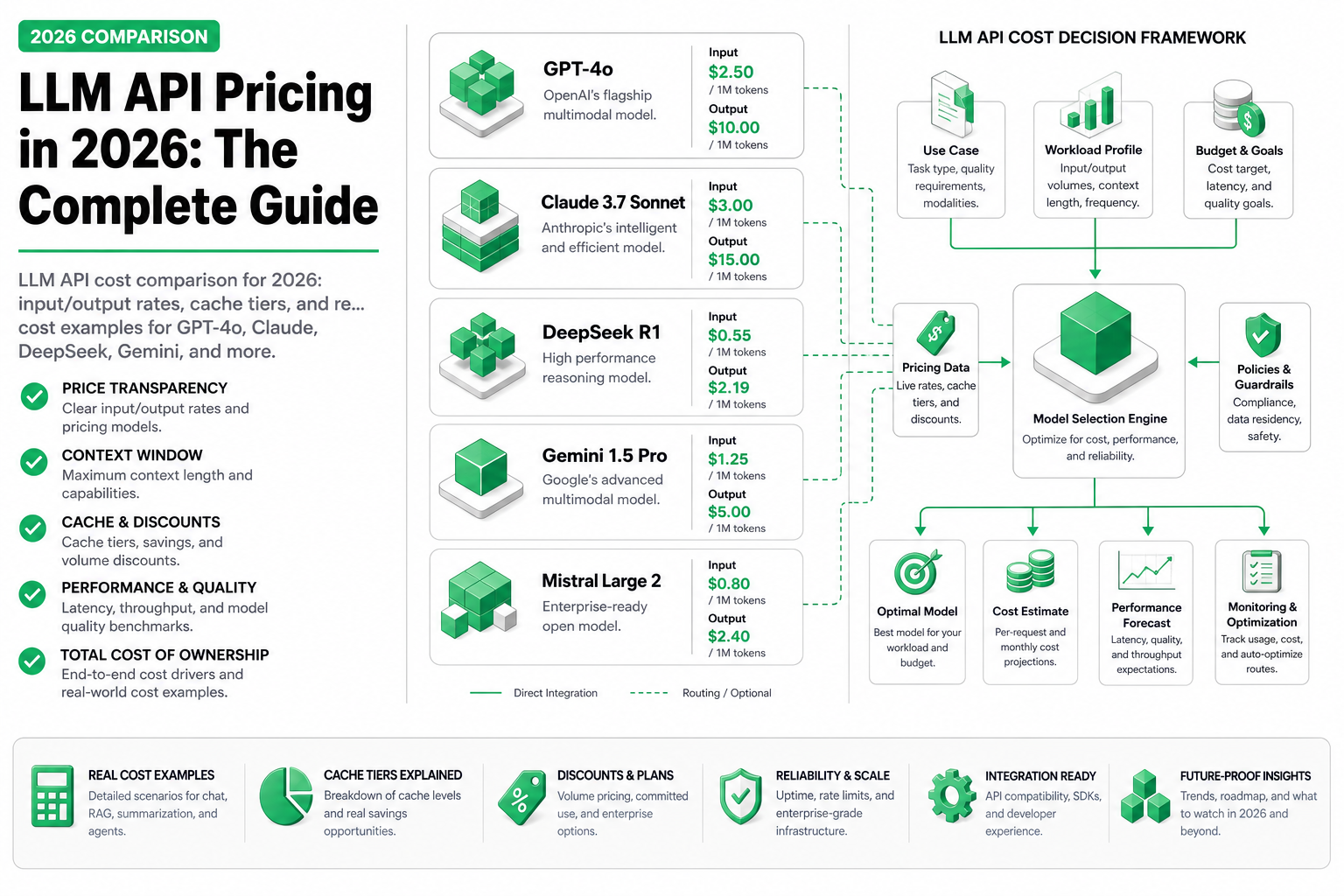
LLM API cost comparison for 2026: input/output rates, cache tiers, and real cost examples for GPT-4o, Claude, DeepSeek, Gemini, and more.
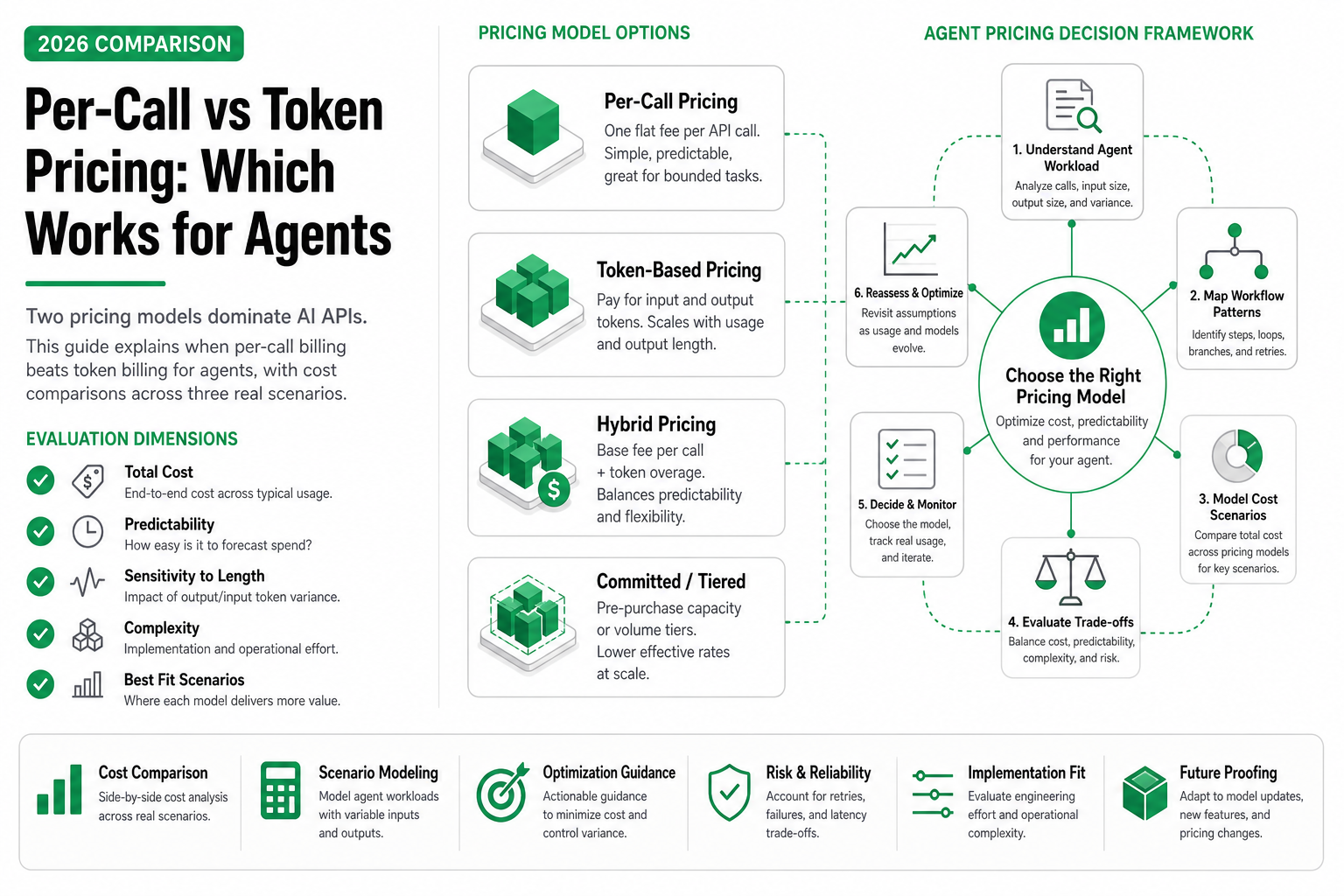
Two pricing models dominate AI APIs. This guide explains when per-call billing beats token billing for agents, with cost comparisons across three real scenarios.
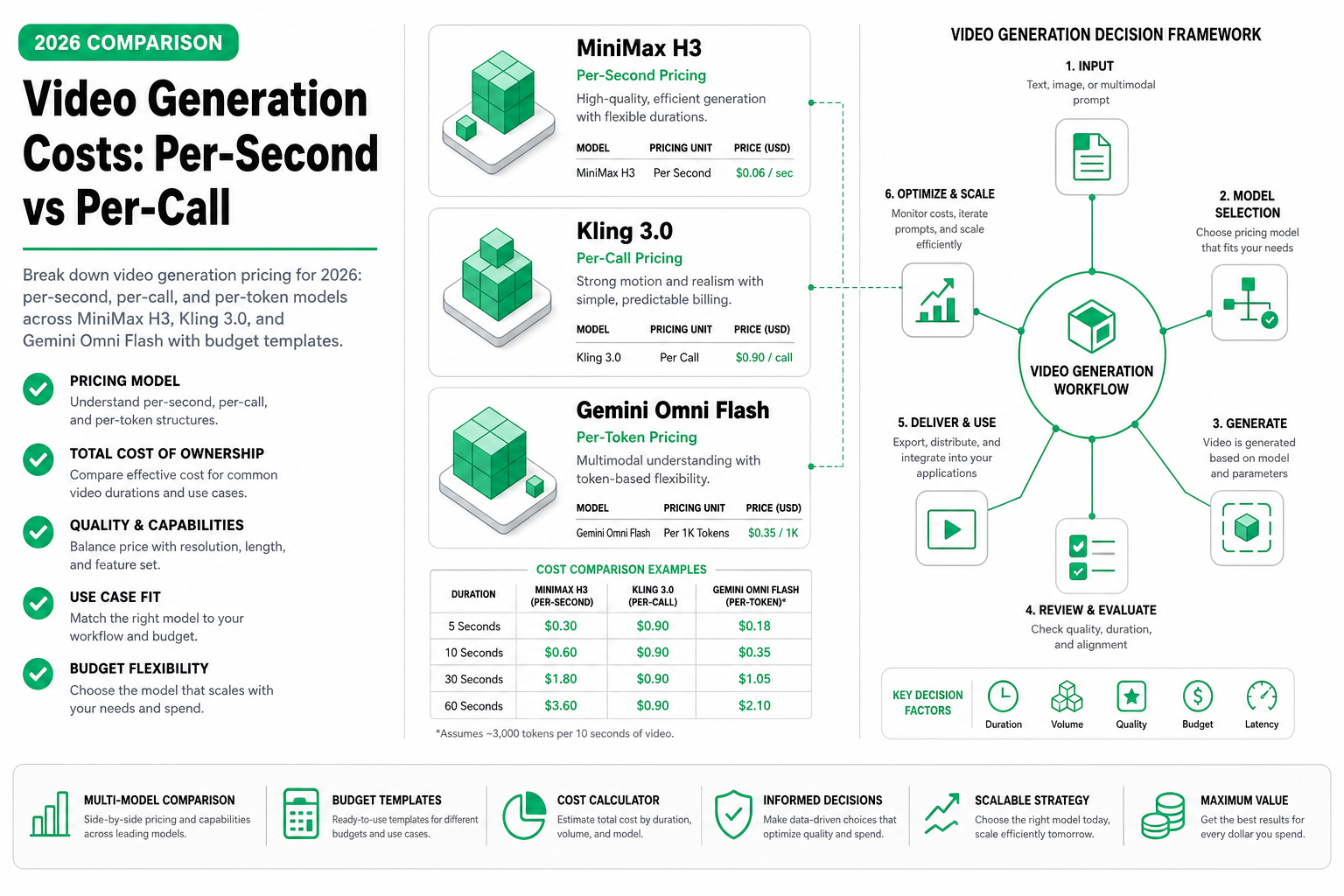
AI video generation API pricing guide: compare per-second, per-call, and per-token costs across MiniMax H3, Kling 3.0, and Gemini with monthly budget templates.
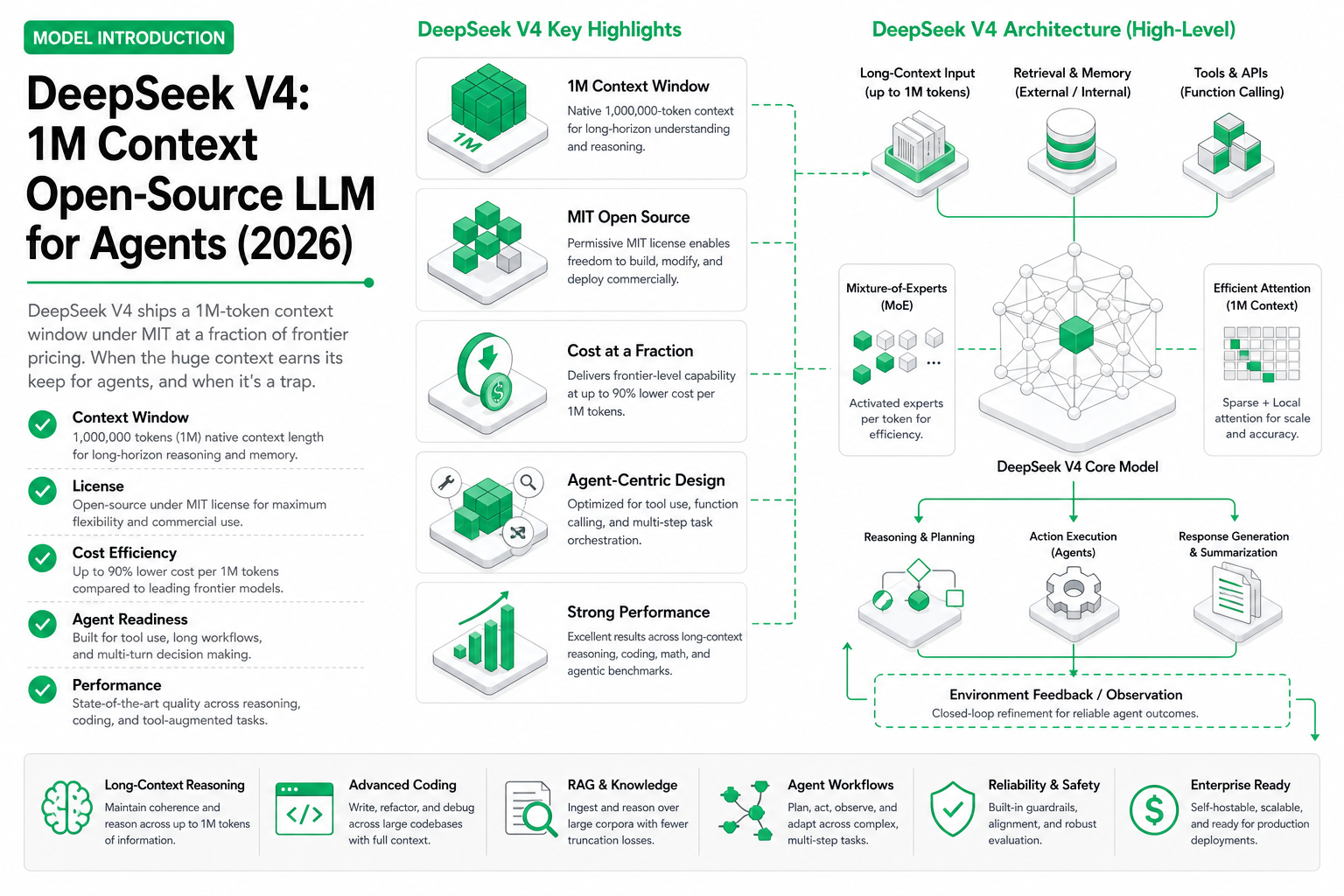
DeepSeek V4 ships a 1M-token context window under MIT at a fraction of frontier pricing. When the huge context earns its keep for agents, and when it's a trap.
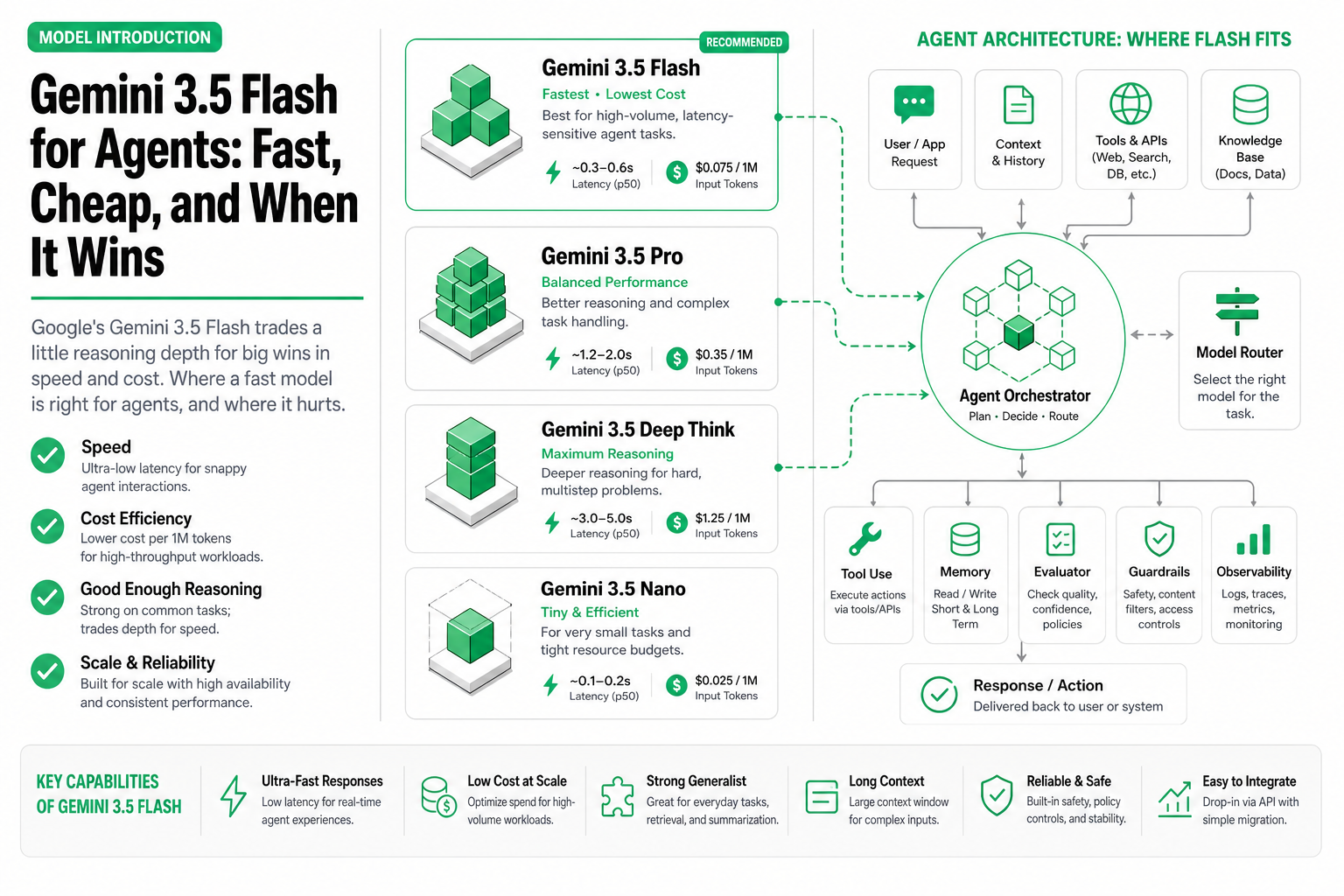
Google's Gemini 3.5 Flash trades a little reasoning depth for big wins in speed and cost. Where a fast model is right for agents, and where it hurts.
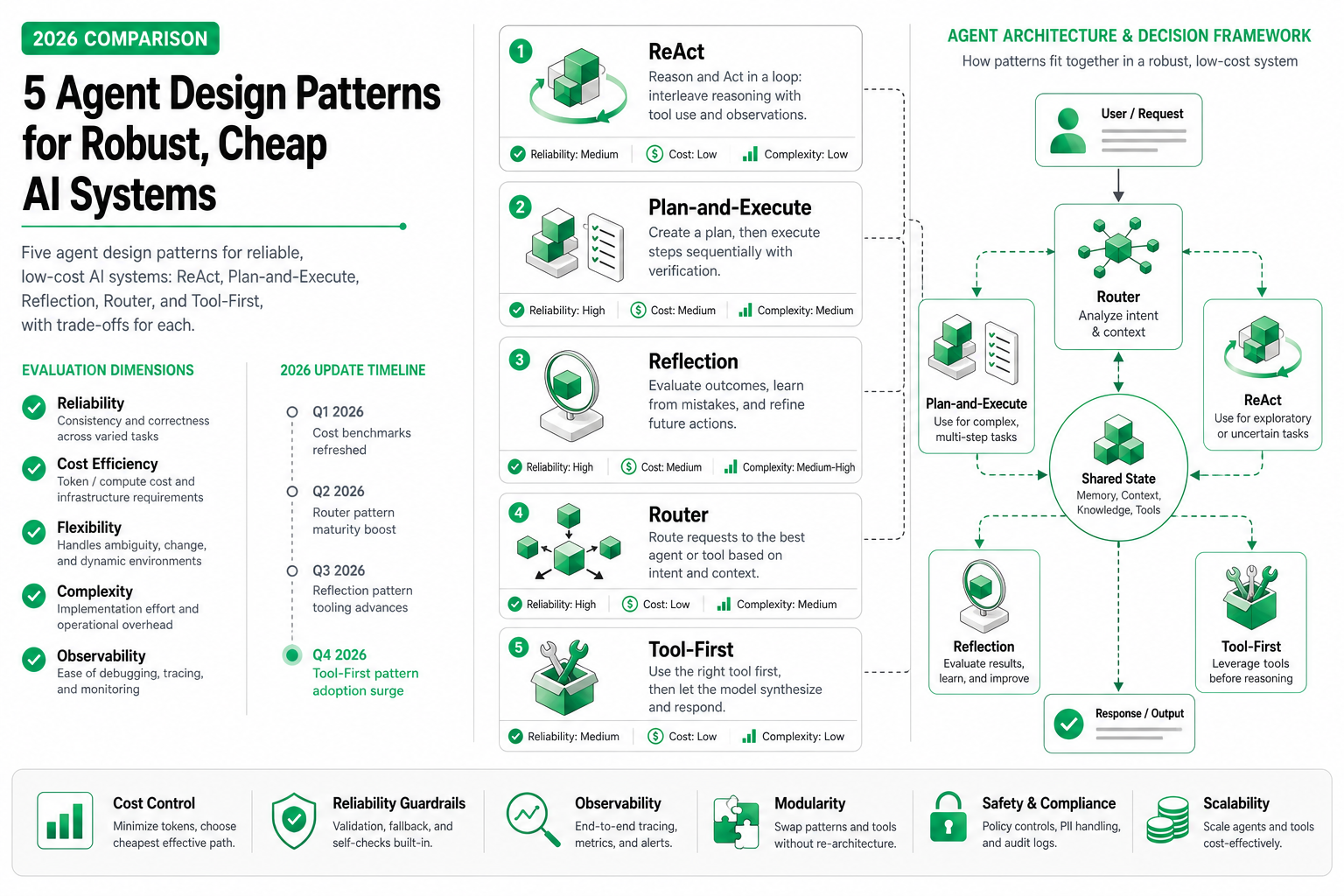
Five agent design patterns for reliable, low-cost AI systems: ReAct, Plan-and-Execute, Reflection, Router, and Tool-First, with trade-offs for each.