Orloj: Agent Infrastructure as Code
Review Orloj's infrastructure-as-code approach to multi-agent systems: declarative resources, governance, workers, retries, isolation, and trade-offs.
Review Orloj's infrastructure-as-code approach to multi-agent systems: declarative resources, governance, workers, retries, isolation, and trade-offs.
How Cloudflare's serverless platform became the perfect deployment target for stateless MCP servers, with updated SDKs and zero-config scaling.
How Duolingo built a shared agent platform using Temporal workflows, declarative definitions, and multi-runtime support to stop teams from rebuilding infrastructure for every agent project.
Google led the biggest MCP spec change since launch—removing stateful sessions entirely. Here's how the 2026-07-28 spec makes MCP cloud-native.
AWS Bedrock AgentCore Runtime Instances guide: understand persistent EC2-backed agents, 14-day sessions, GPU support, pricing, deployment, and use cases.
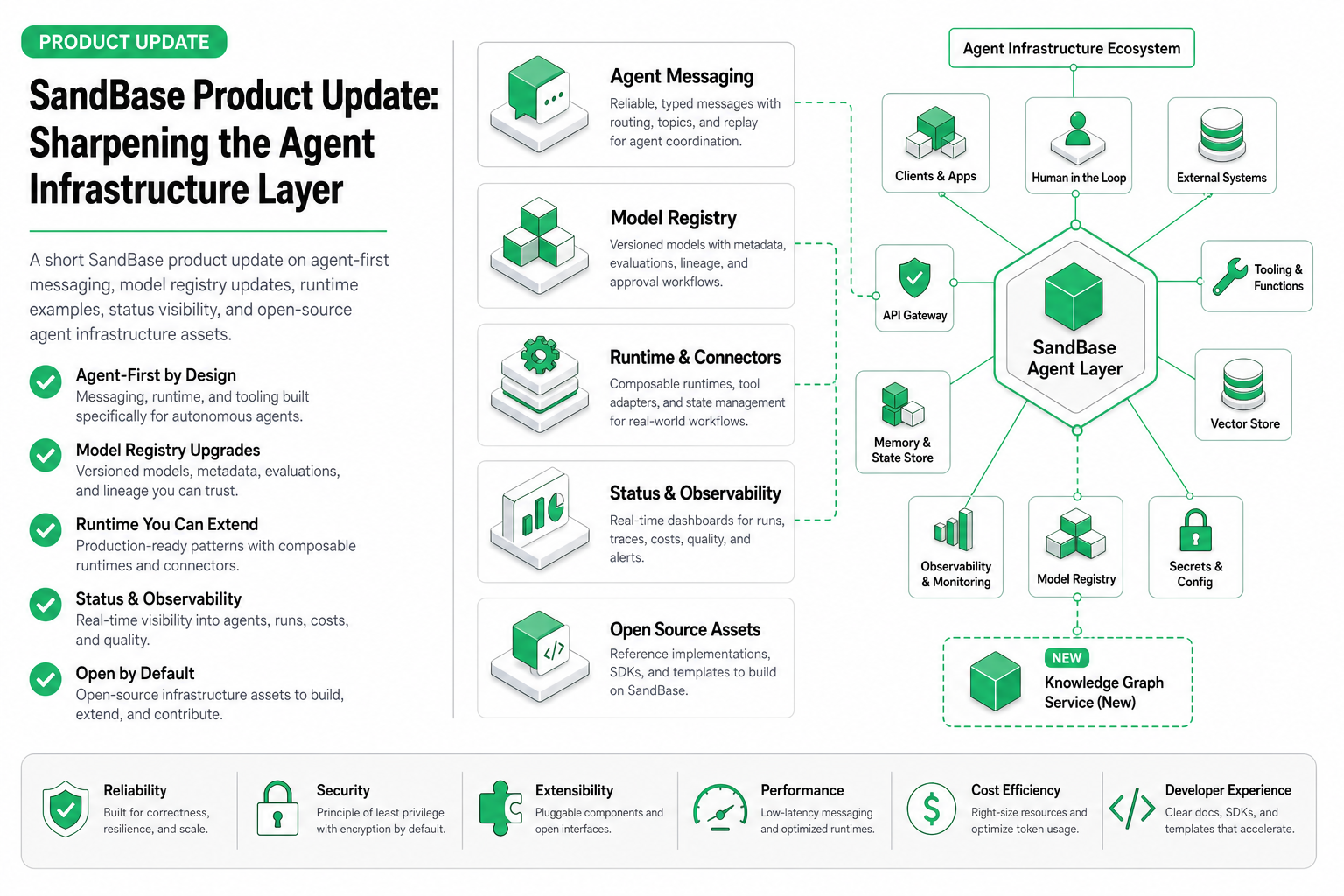
A short SandBase product update on agent-first messaging, model registry updates, runtime examples, status visibility, and open-source agent infrastructure assets.
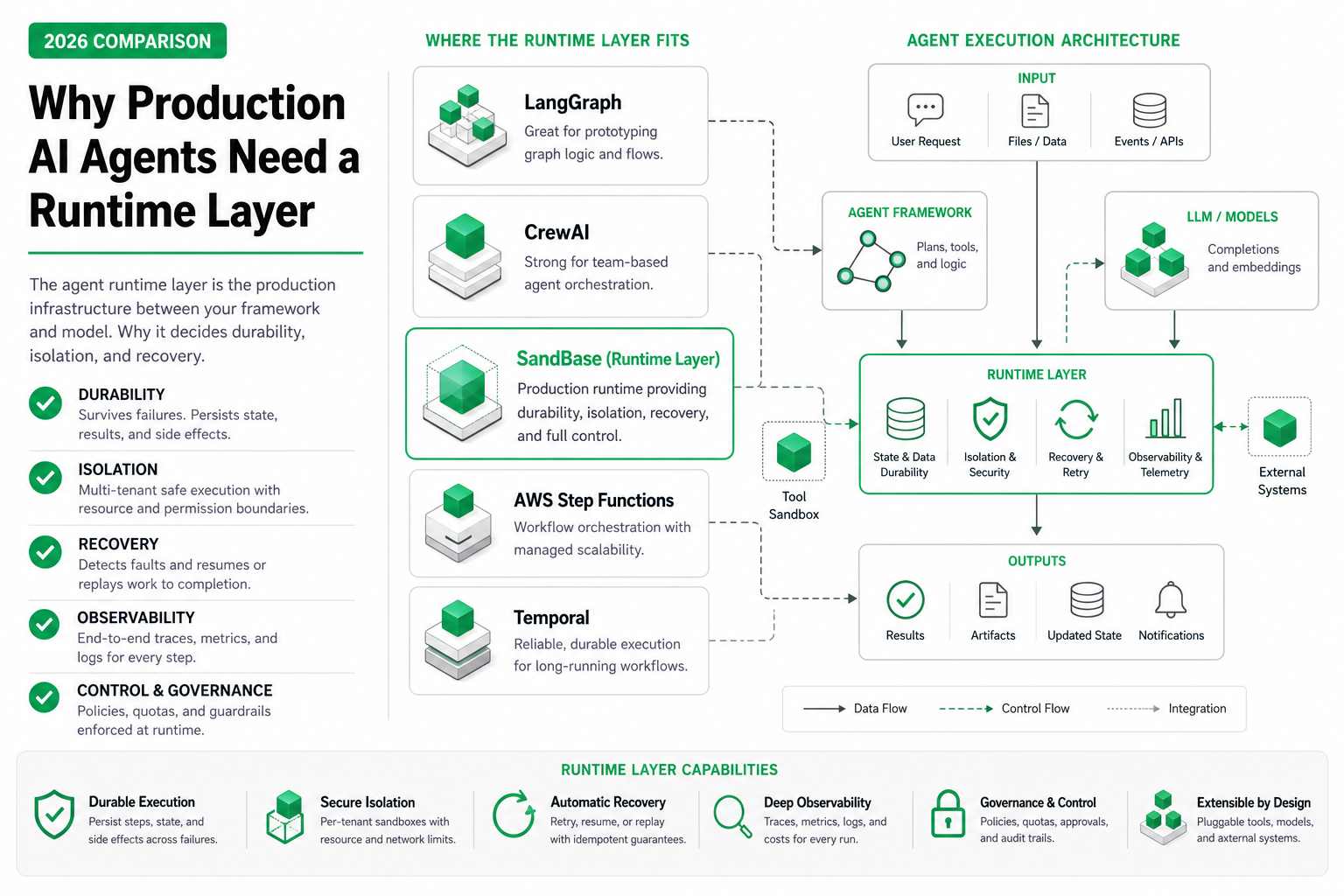
The agent runtime layer is the production infrastructure between your framework and model. Why it decides durability, isolation, and recovery.
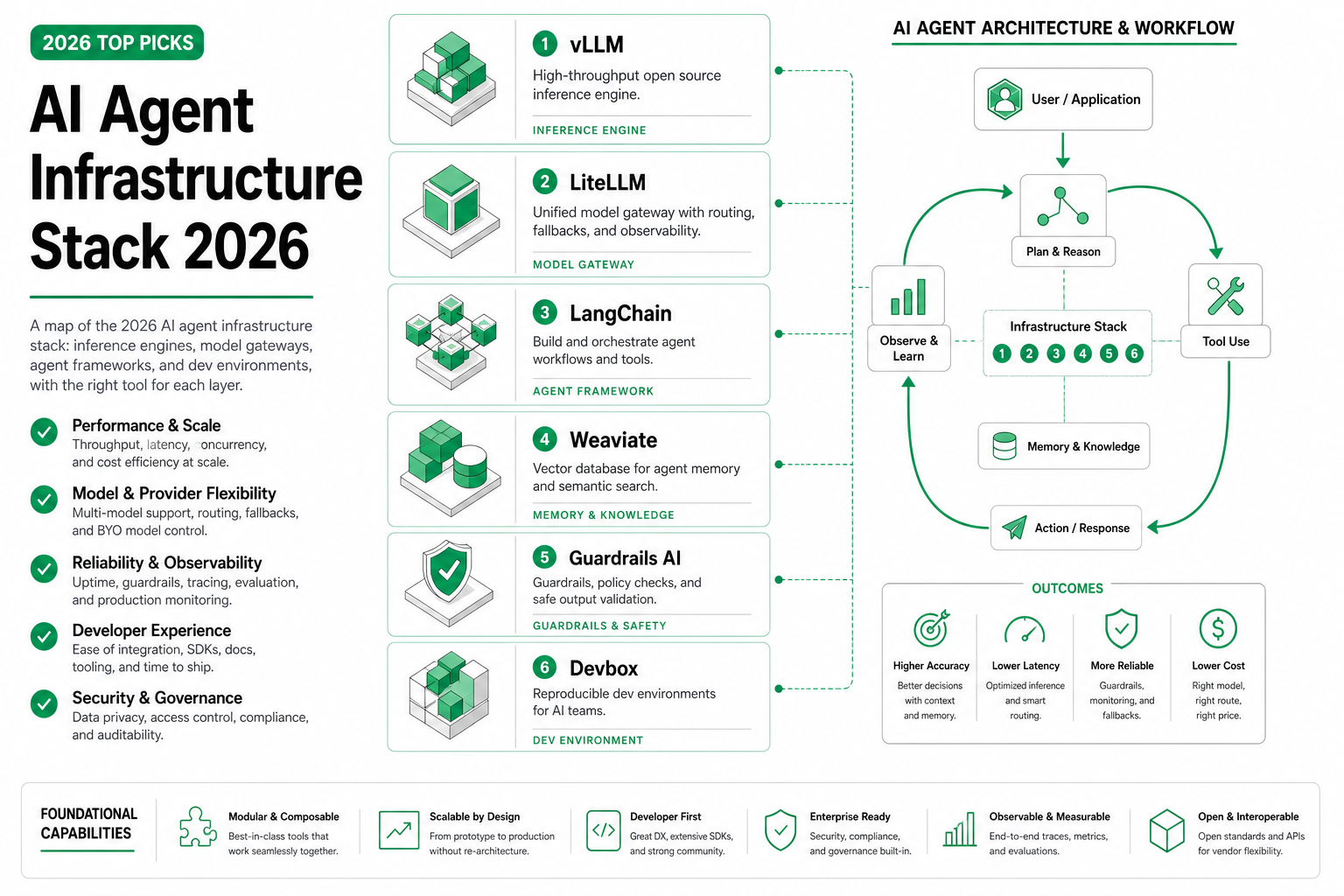
A map of the 2026 AI agent infrastructure stack: inference engines, model gateways, agent frameworks, and dev environments, with the right tool for each layer.
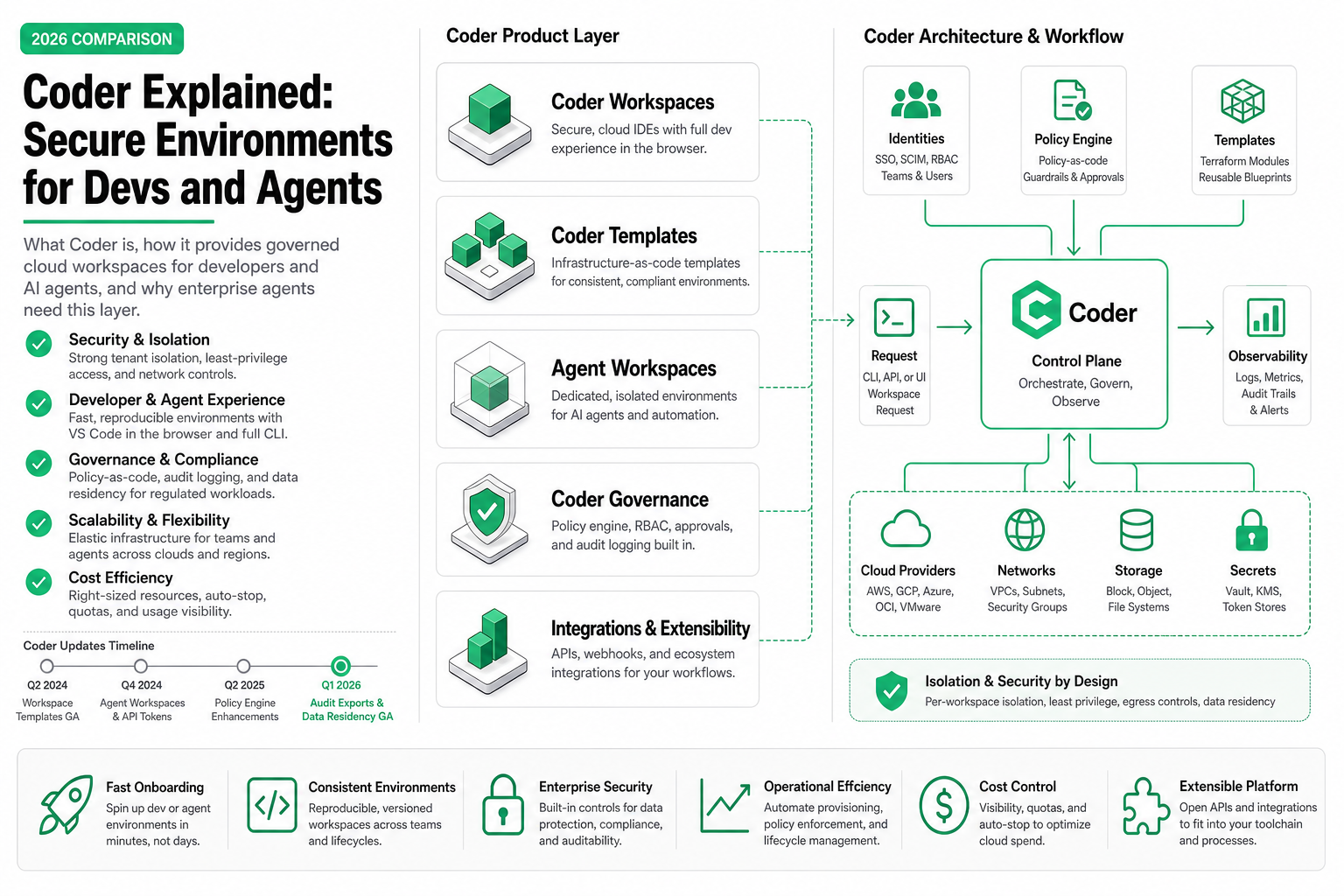
What Coder is, how it provides governed cloud workspaces for developers and AI agents, and why enterprise agents need this layer.
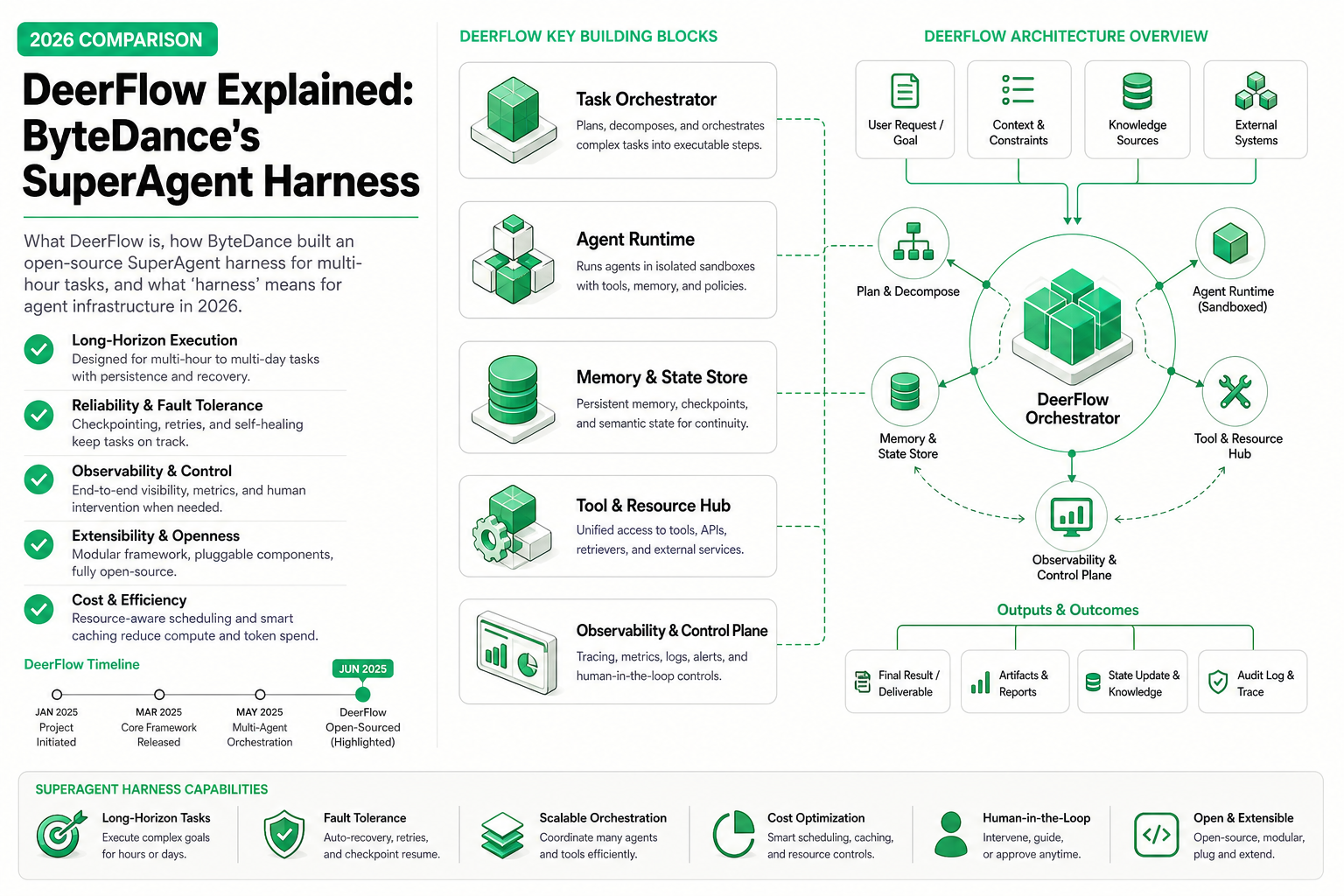
What DeerFlow is, how ByteDance built an open-source SuperAgent harness for multi-hour tasks, and what 'harness' means for agent infrastructure in 2026.
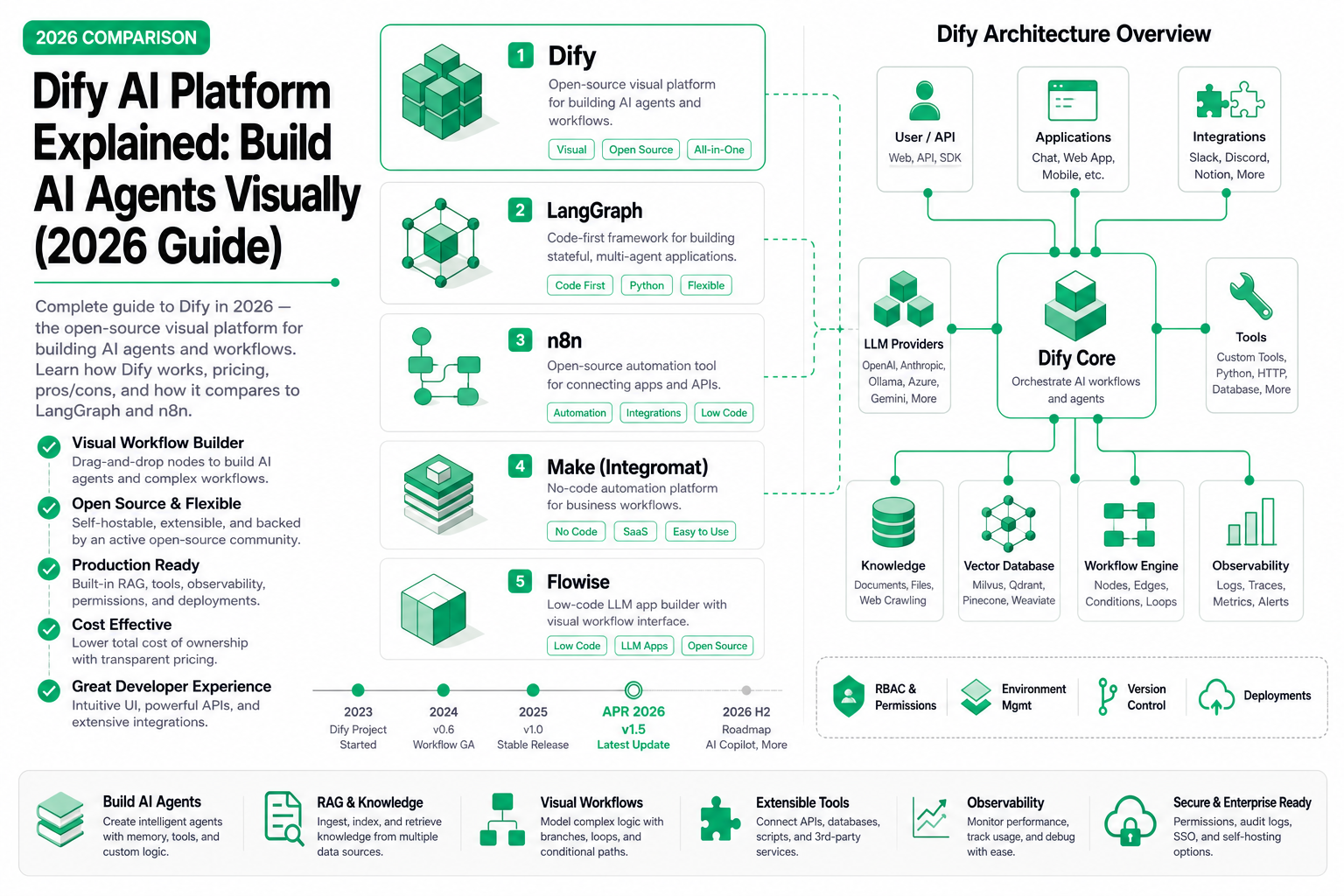
Dify AI explained: pricing, self-hosting, architecture, limits, and comparisons with LangGraph and n8n - plus when to use it in production.
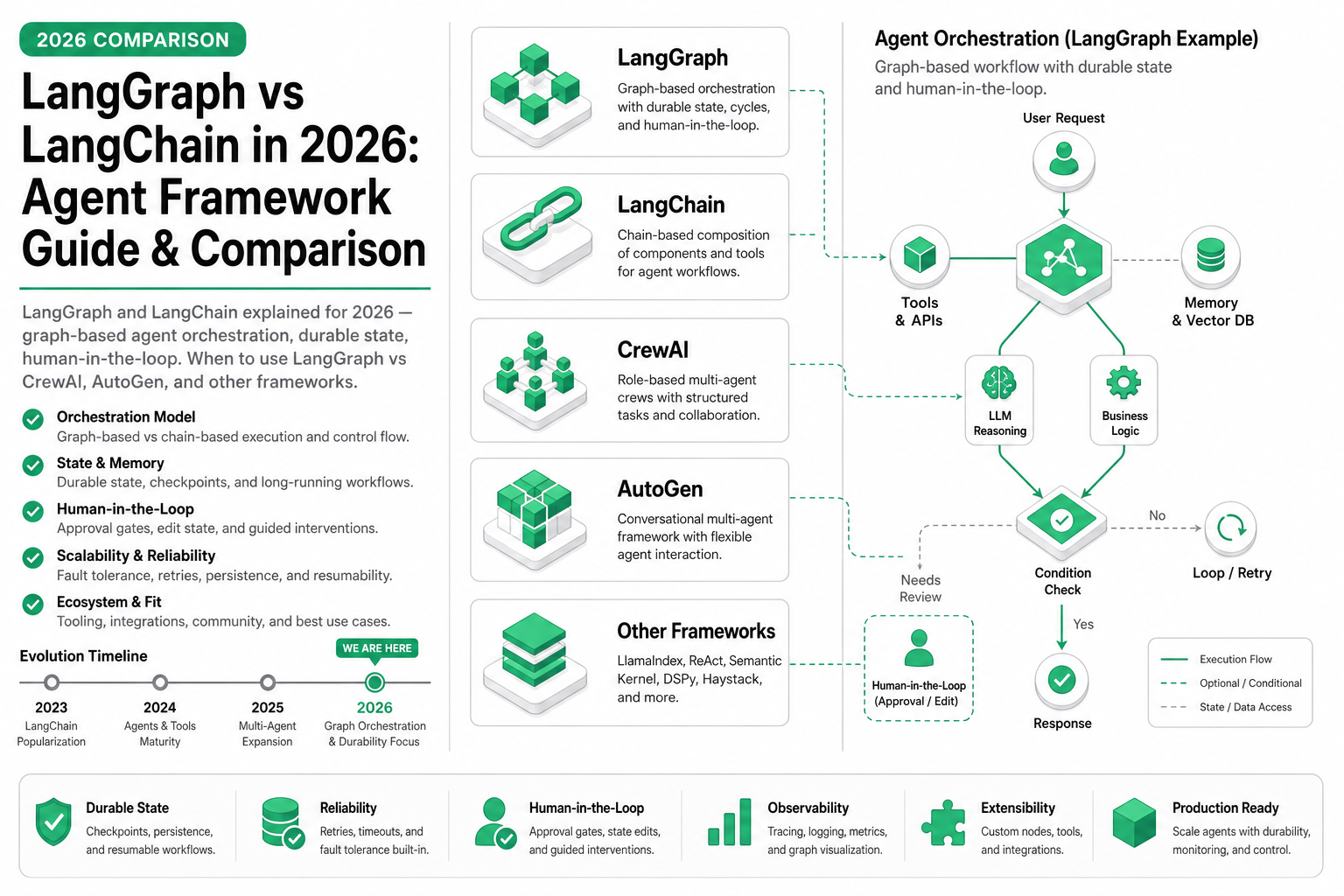
LangChain vs LangGraph compared for agent development in 2026. When to use chains vs graphs, state management, human-in-the-loop, and migration paths.
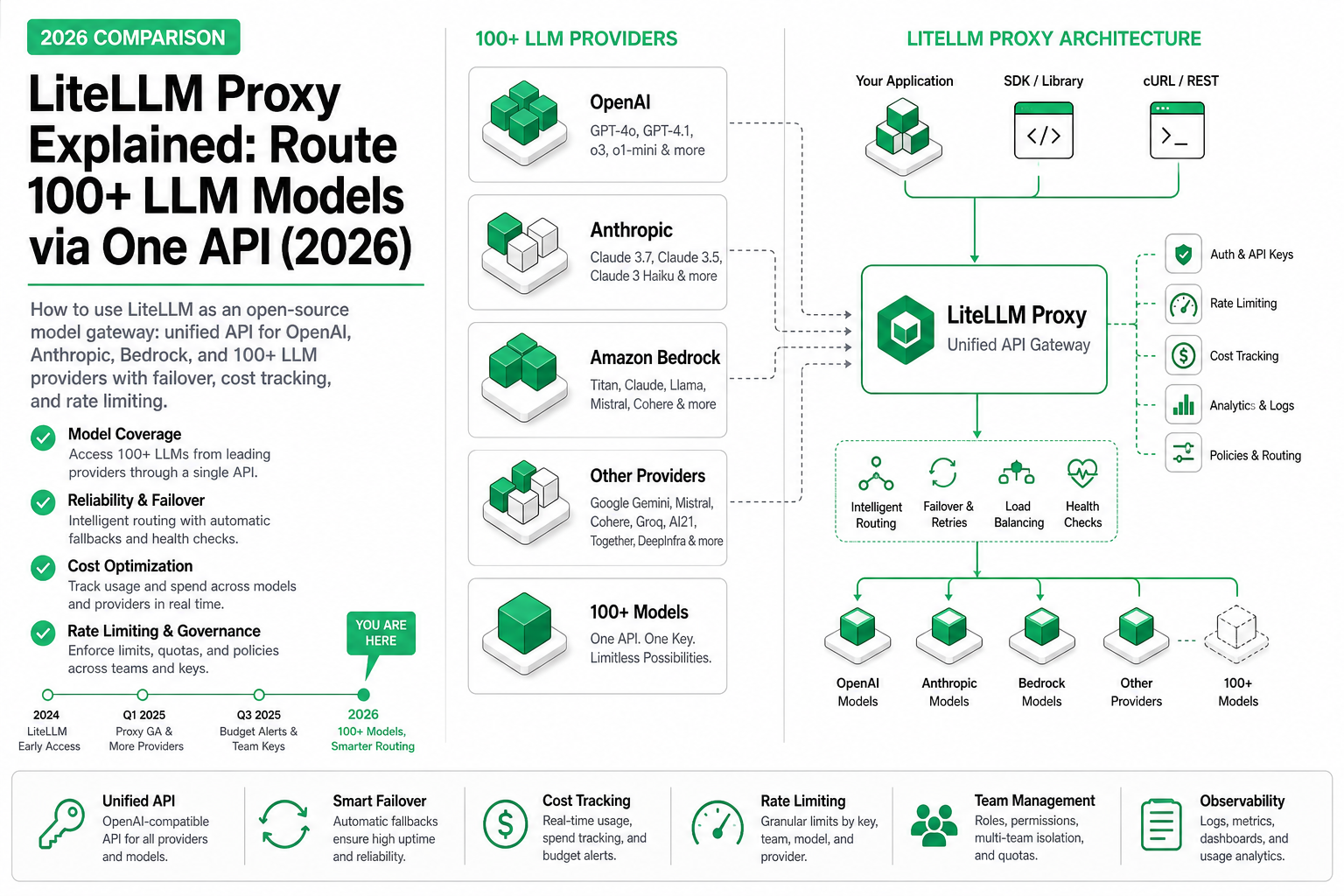
LiteLLM is an open-source LLM proxy that unifies 100+ providers behind one API. Setup guide, failover, cost tracking, and when LiteLLM beats managed alternatives.
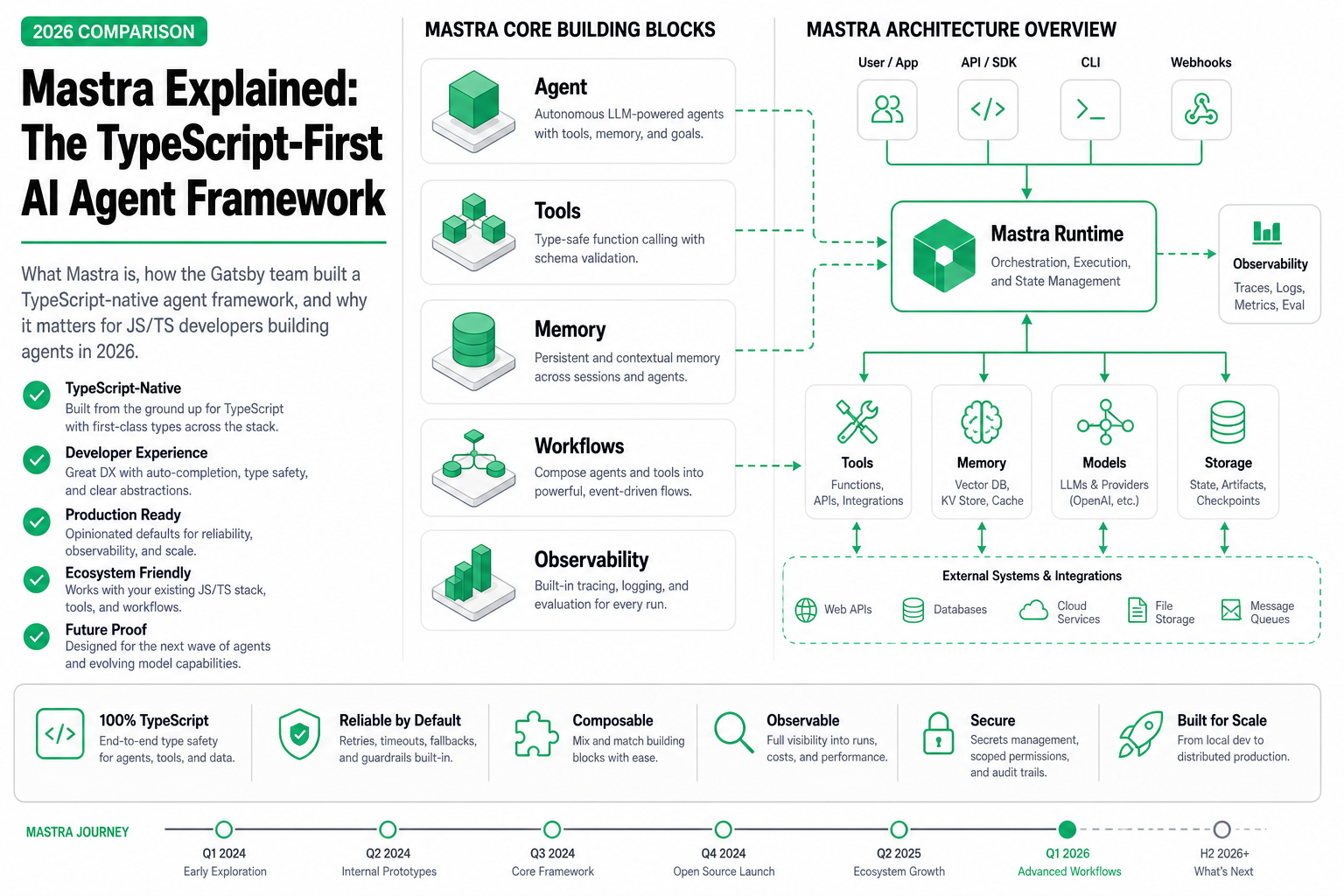
What Mastra is, how the Gatsby team built a TypeScript-native agent framework, and why it matters for JS/TS developers building agents in 2026.
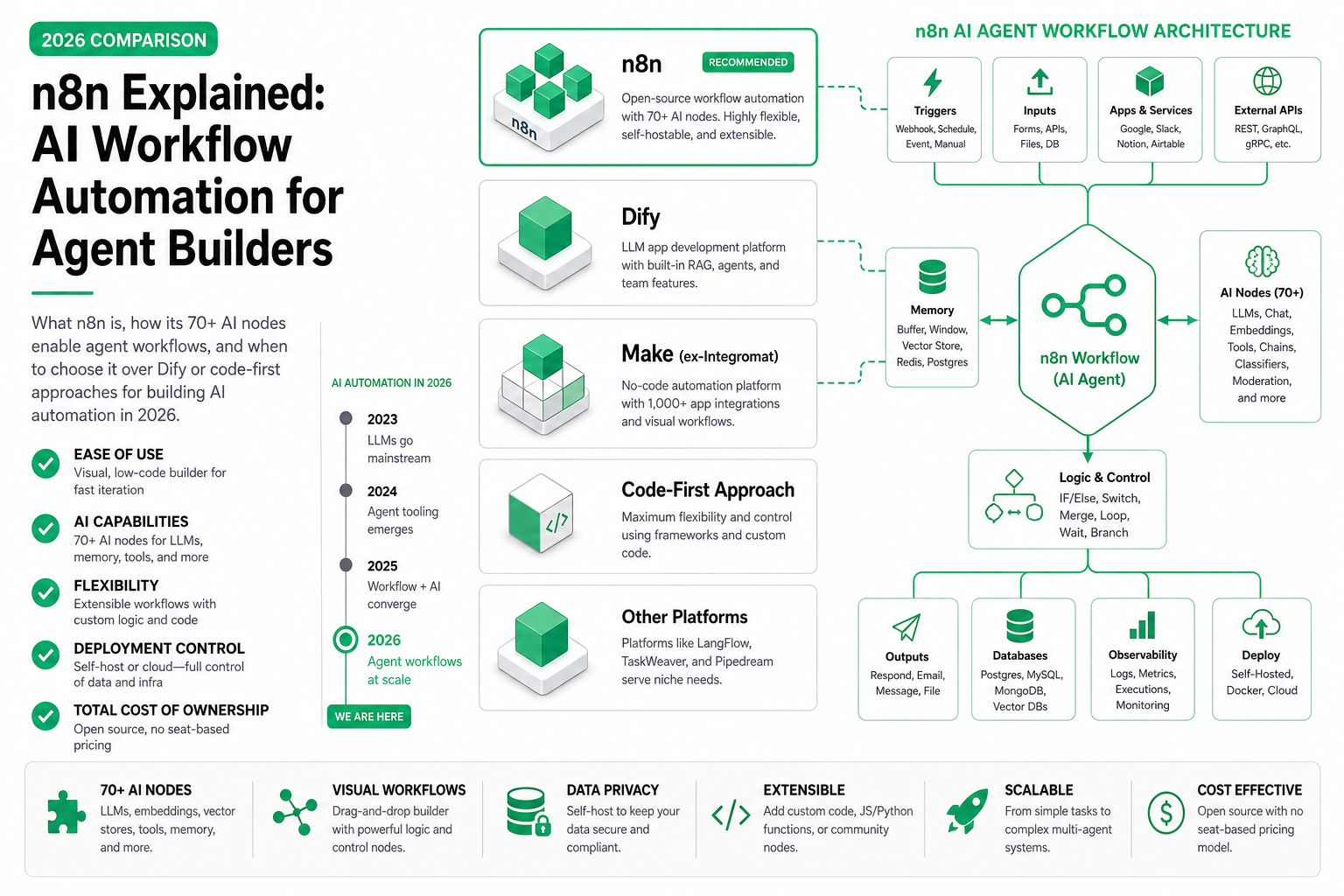
What n8n is, how its 70+ AI nodes enable agent workflows, and when to choose it over Dify or code-first approaches for building AI automation in 2026.
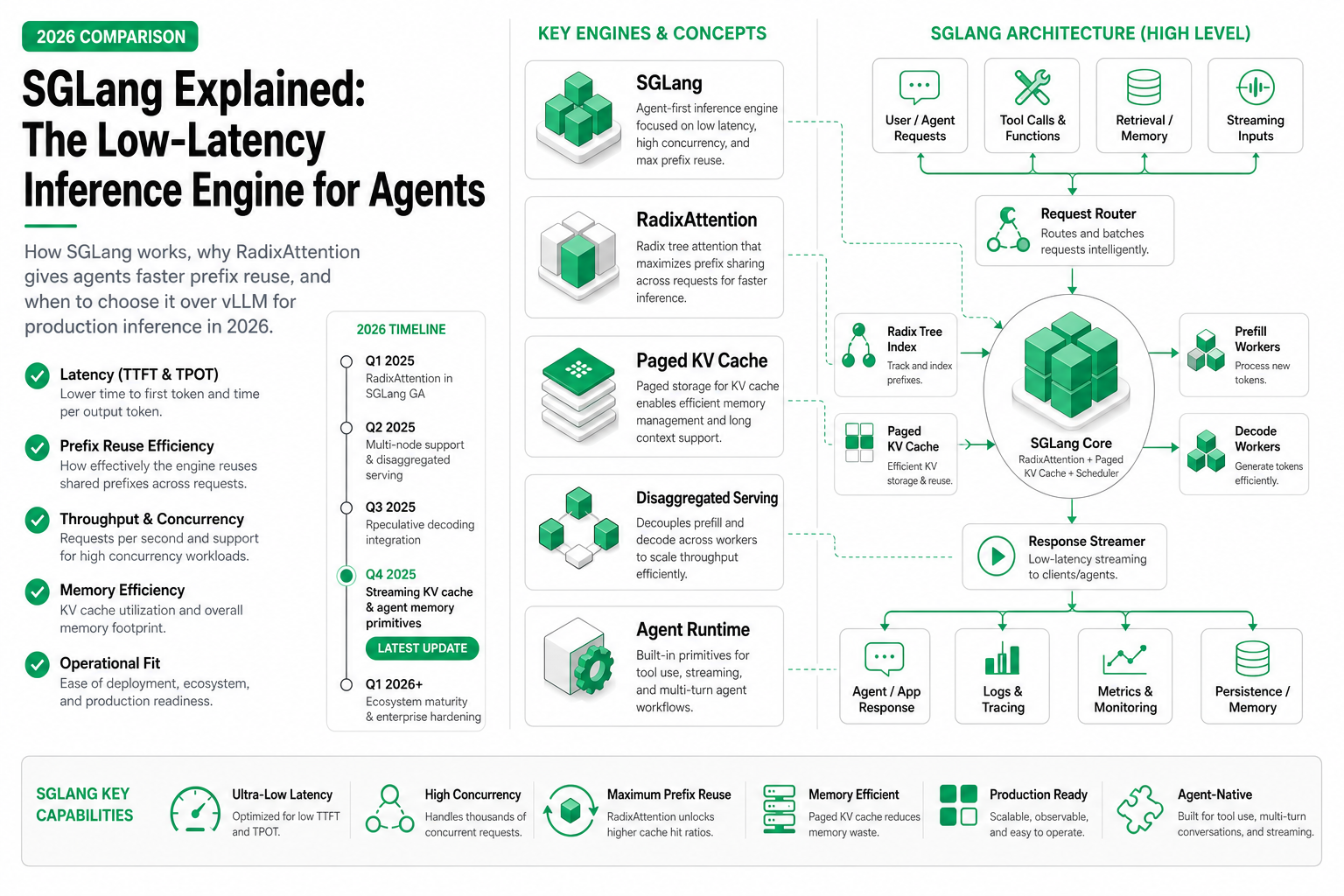
How SGLang works, why RadixAttention gives agents faster prefix reuse, and when to choose it over vLLM for production inference in 2026.
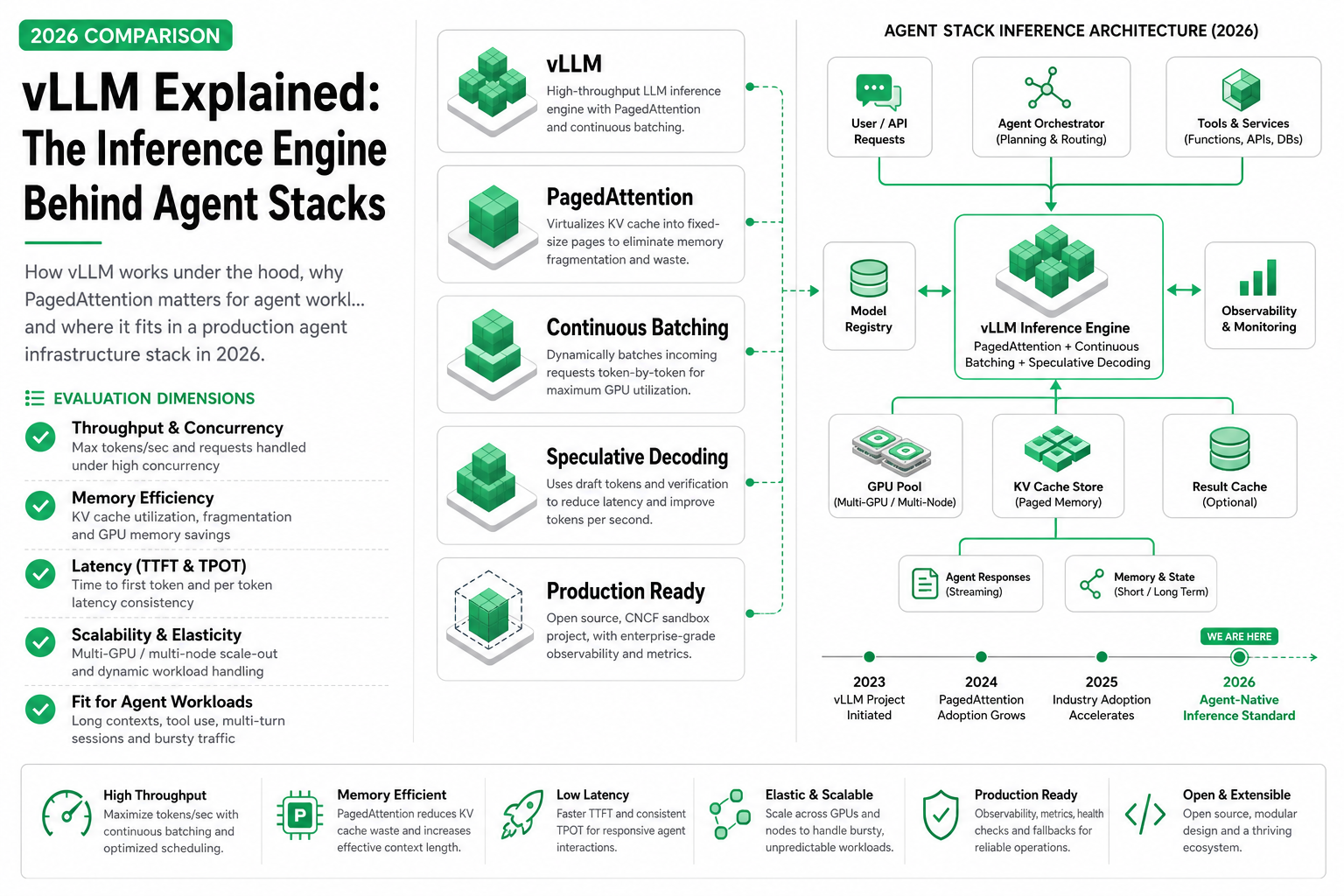
How vLLM works under the hood, why PagedAttention matters for agent workloads, and where it fits in a production agent infrastructure stack in 2026.
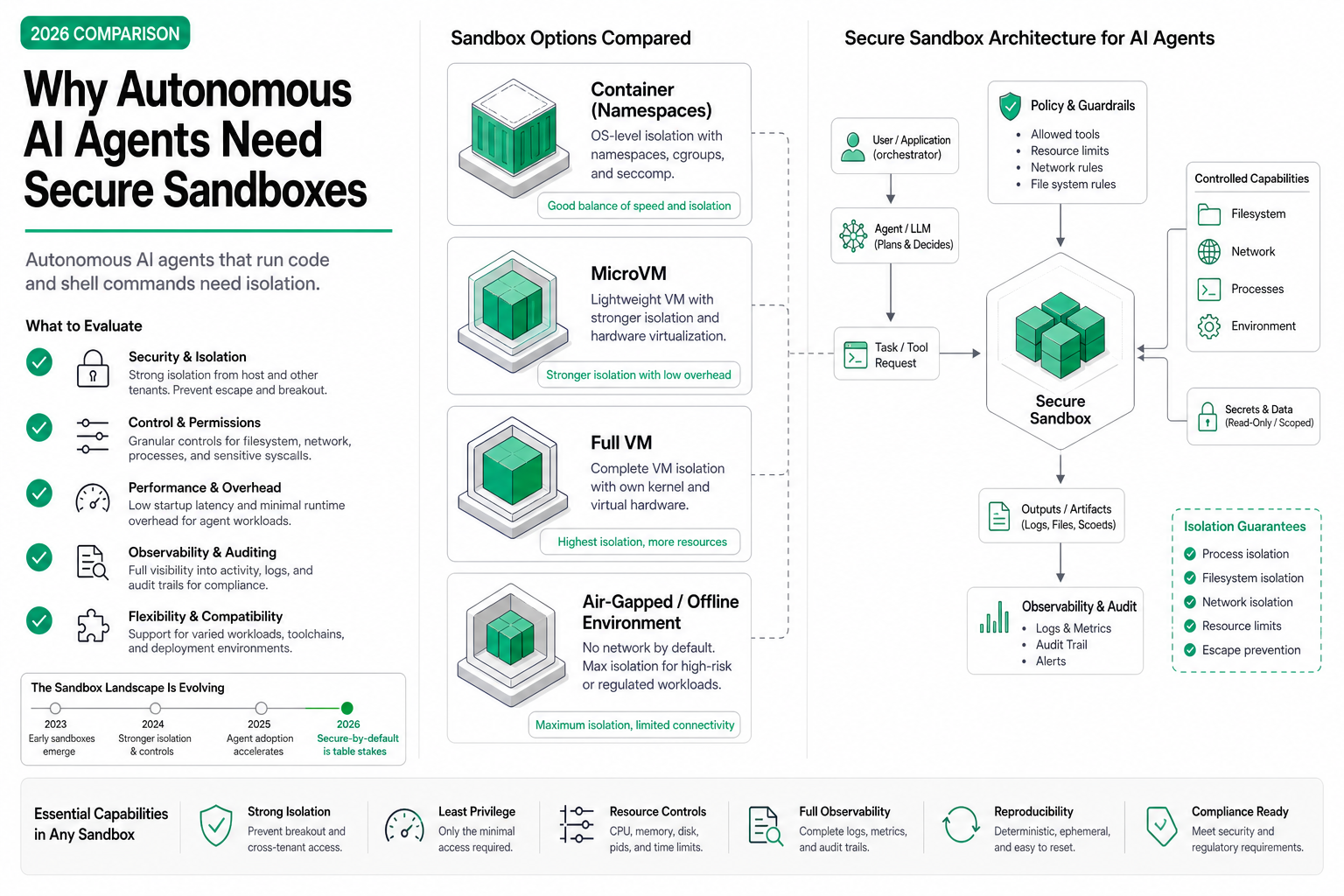
Autonomous AI agents that run code and shell commands need isolation. Why sandboxes are non-negotiable in production, the isolation levels, and how to choose.