GPT-6 Astra Multimodal Tests: 3D Mazes and Modeling
Astra scores 14% on MazeBench while developers demonstrate Fusion 360 parts, spectrogram interpretation and interactive molecules. What do these tests actually establish?
Insights on AI agents, model routing, and building production-ready AI systems.
Astra scores 14% on MazeBench while developers demonstrate Fusion 360 parts, spectrogram interpretation and interactive molecules. What do these tests actually establish?
Why does GPT-6 Astra use up Plus limits so quickly? Compare official allowances, Fast mode, creator reports, and actual API charges from three game generations.
Claude formalized Fermat’s Last Theorem in Lean. Understand what was checked, why the research model matters, and how to evaluate a small proof yourself.
SandBase's GPT-6 Astra vs Claude Fable 5.1 test: the same 3D game prompt, original code, startup failures, completion checks, response times and actual API charges.
What can OpenAI’s AI research intern do? Read the runtime, API-valued usage and intervention data, then use a bounded research assignment to measure useful work.
Does earlier AI helping train GPT-6 prove recursive self-improvement? Separate the disclosed evidence from inference and check what a repeatable improvement would require.
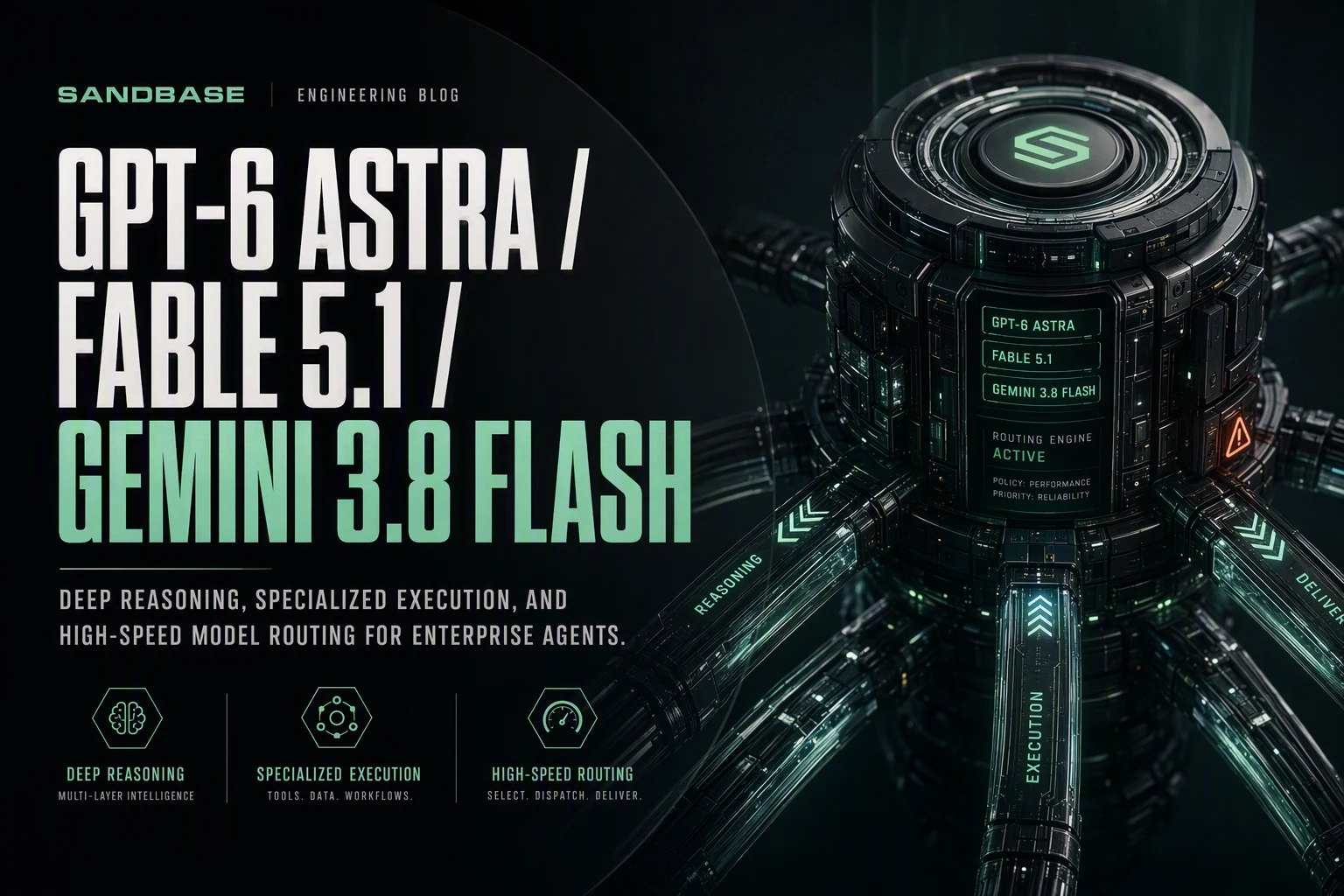
Compare GPT-6 Astra, Claude Fable 5.1, and Gemini 3.8 Flash for agents: task fit, retry budgets, escalation rules, and limits of cross-benchmark rankings.
What Codex Persistent Mode's public prompt establishes about follow-ups, sleep, permissions, and memory—and why code alone does not prove availability.
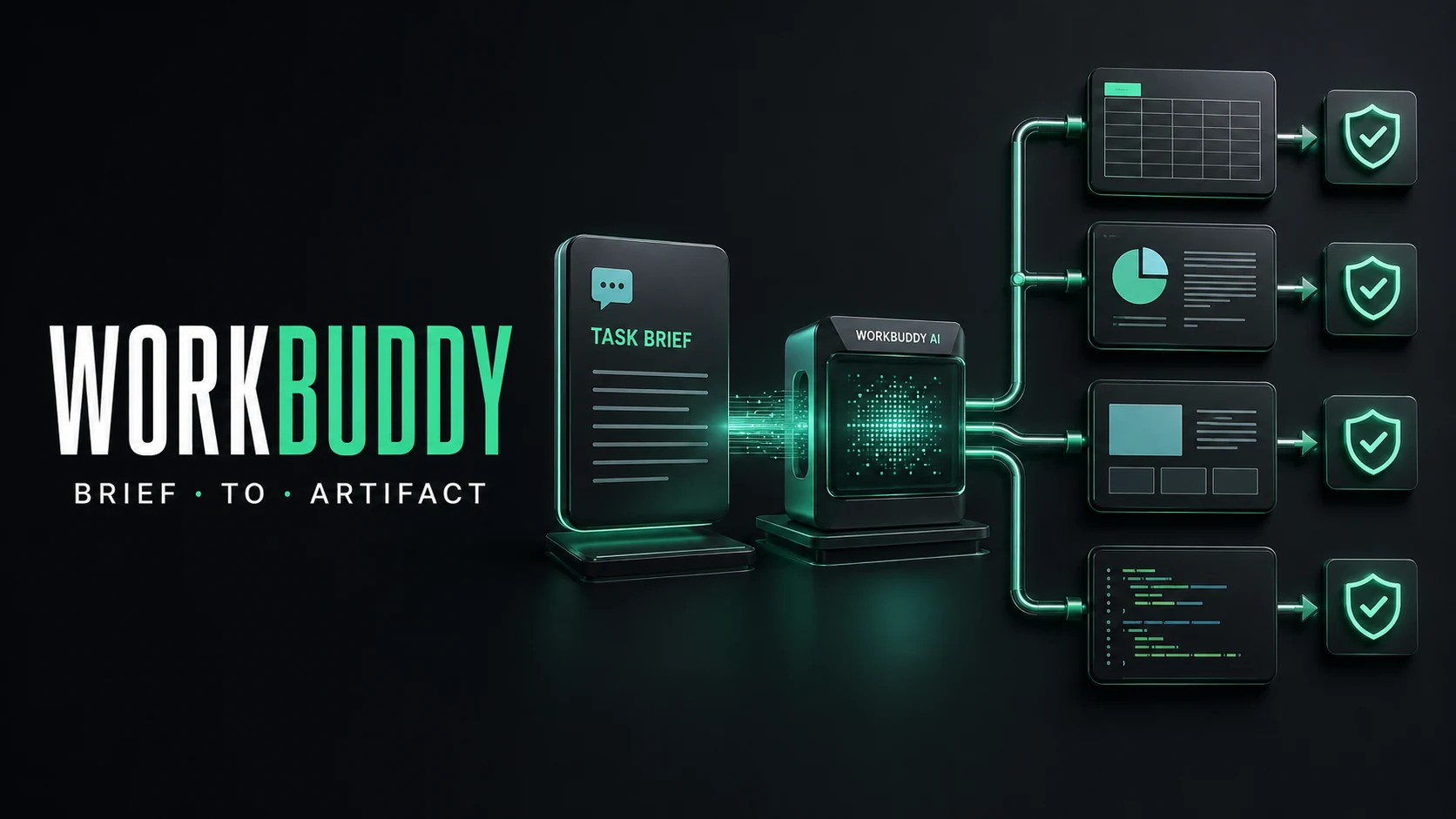
WorkBuddy is a desktop AI workstation for turning natural-language tasks into files, reports, analysis, and code. Here is where it fits—and where it does not.