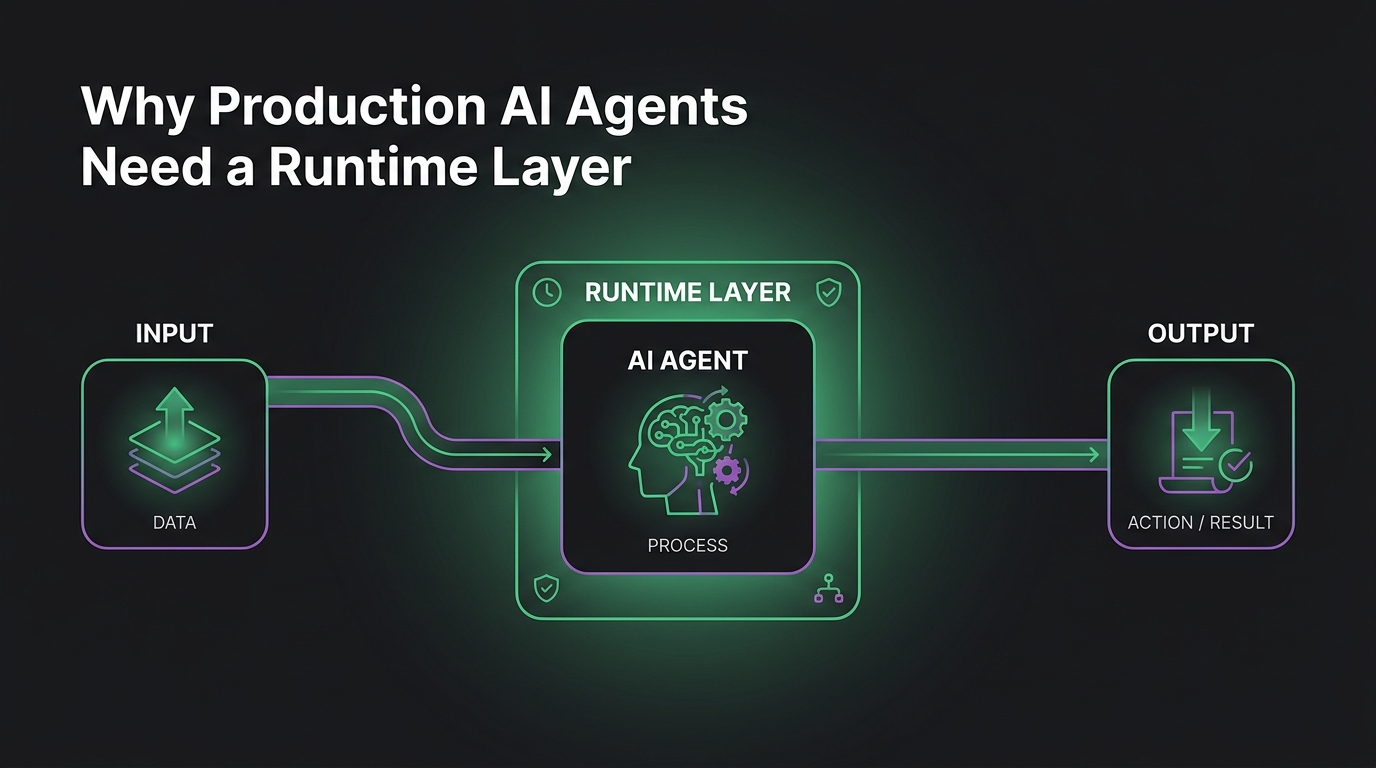
Why Production AI Agents Need a Runtime Layer
The agent runtime layer is the production infrastructure between your framework and model. Why it decides durability, isolation, and recovery.
SandBase Notes
Insights on AI agents, model routing, and building production-ready AI systems.
The agent runtime layer is the production infrastructure between your framework and model. Why it decides durability, isolation, and recovery.
n8n vs Dify compared for 2026: automation-first platform with AI vs AI-first agent platform. Which to choose for building agents and workflows.
LiteLLM vs OpenRouter compared for 2026: self-hosted open-source gateway vs managed routing marketplace. Which model gateway fits your agent stack.
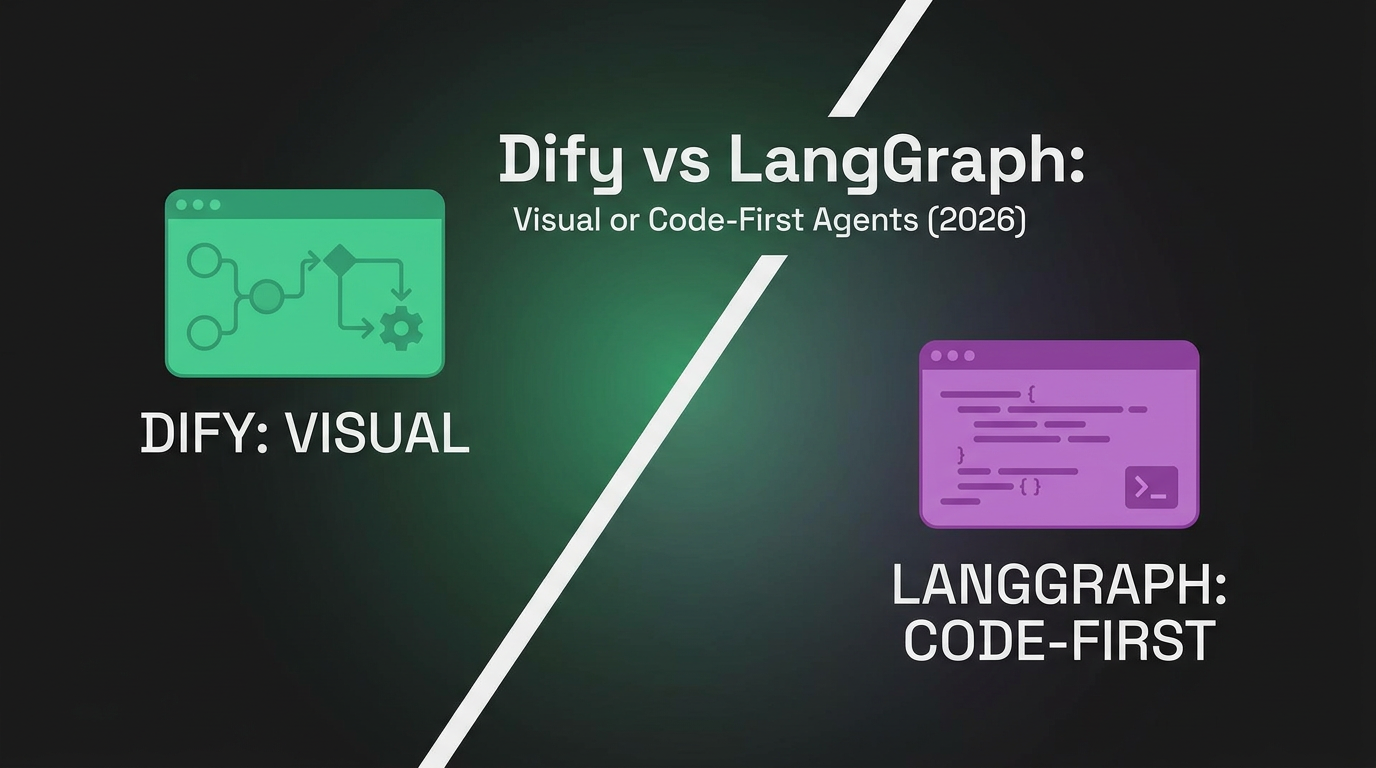
Dify vs LangGraph compared for 2026: visual workflow builder vs code-first graph orchestration. Which agent framework fits your team and use case.
vLLM vs SGLang compared for agent workloads in 2026: throughput, latency, prefix reuse, and which inference engine to run for which use case.
A map of the 2026 AI agent infrastructure stack: inference engines, model gateways, agent frameworks, and dev environments, with the right tool for each layer.
What Coder is, how it provides governed cloud workspaces for developers and AI agents, and why enterprise agents need this layer.
What DeerFlow is, how ByteDance built an open-source SuperAgent harness for multi-hour tasks, and what 'harness' means for agent infrastructure in 2026.
What Dify is, how its visual workflow builder works for agent development, and where it fits in the agentic AI stack in 2026.