OpenAI Agents API: What a Self-Hosted Sandbox Does—and Does Not—Control
OpenAI Agents API self-hosted sandbox limits: the managed harness, execution ownership, session overrides, data retention, and what your application still handles.
OpenAI Agents API self-hosted sandbox limits: the managed harness, execution ownership, session overrides, data retention, and what your application still handles.
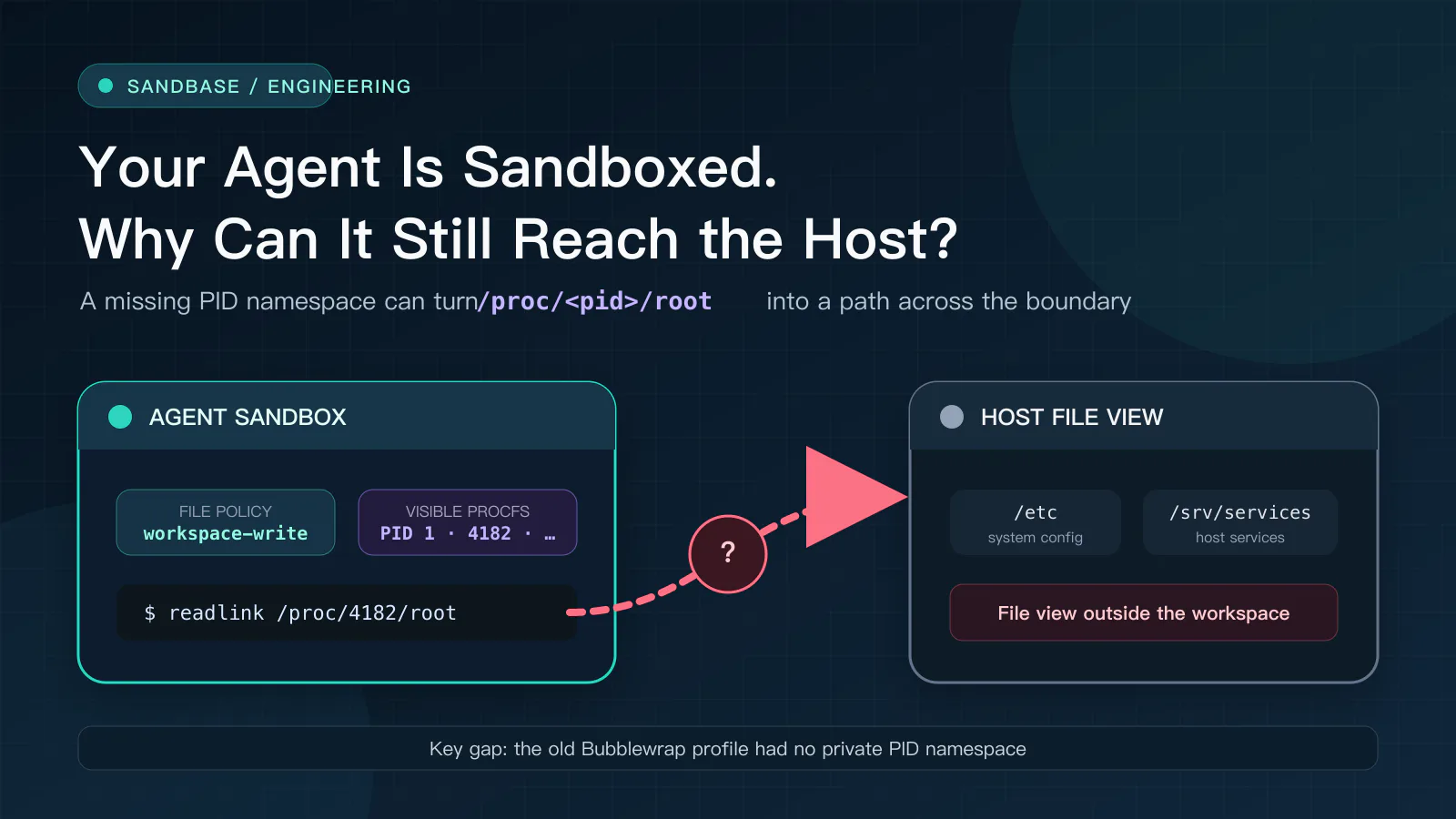
A workspace-write policy can still leave a hidden route through host PIDs and /proc. See the fixed versions and a safe PID-namespace check.
A reproducible workflow combining a portable research Skill with sandboxed execution, audit trails, and replay using two open-source SandBase projects.
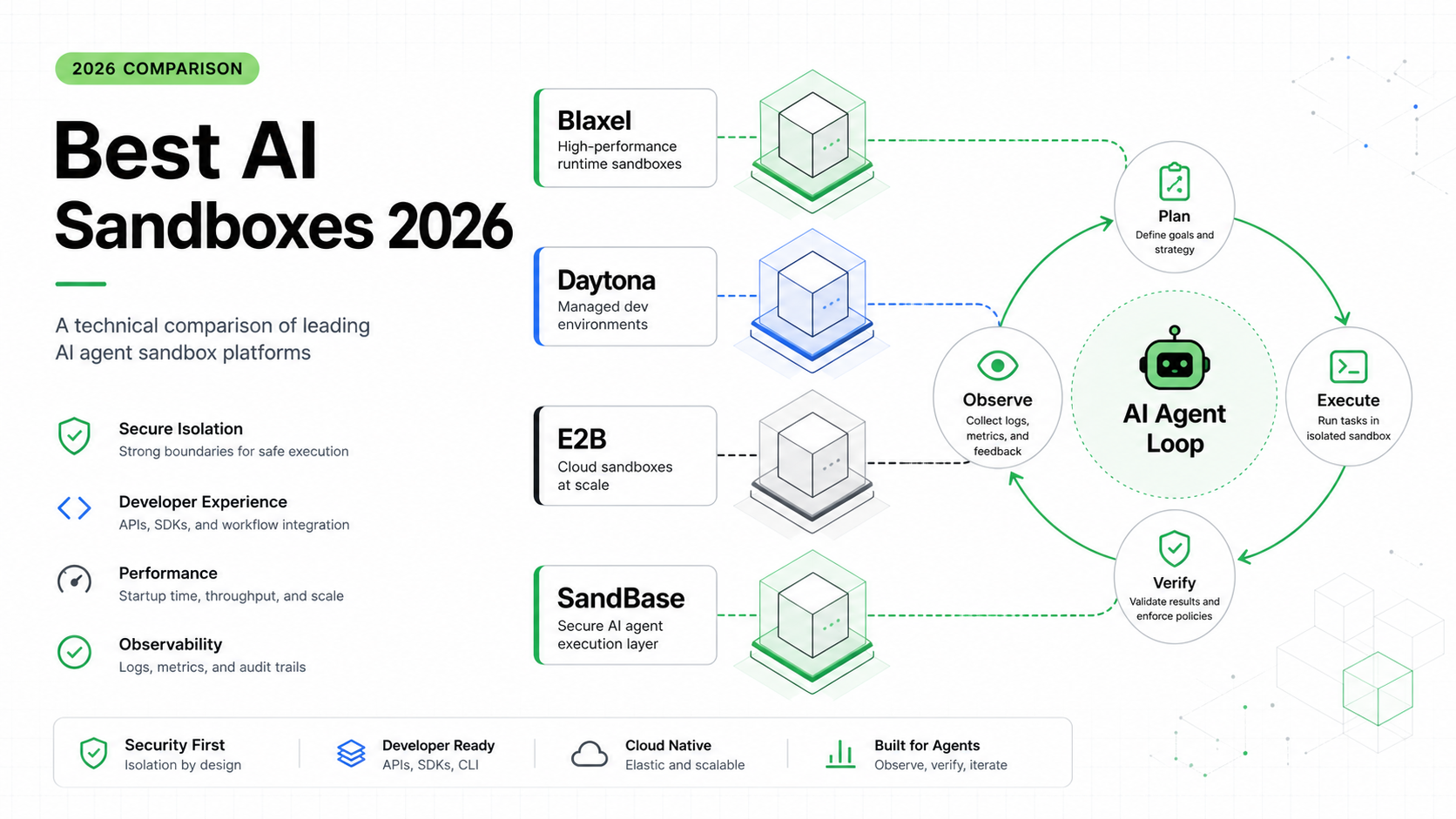
Ranked comparison of the best AI sandboxes for agent code execution in 2026. E2B, Daytona, Blaxel, and SandBase tested on features, pricing, and production readiness.
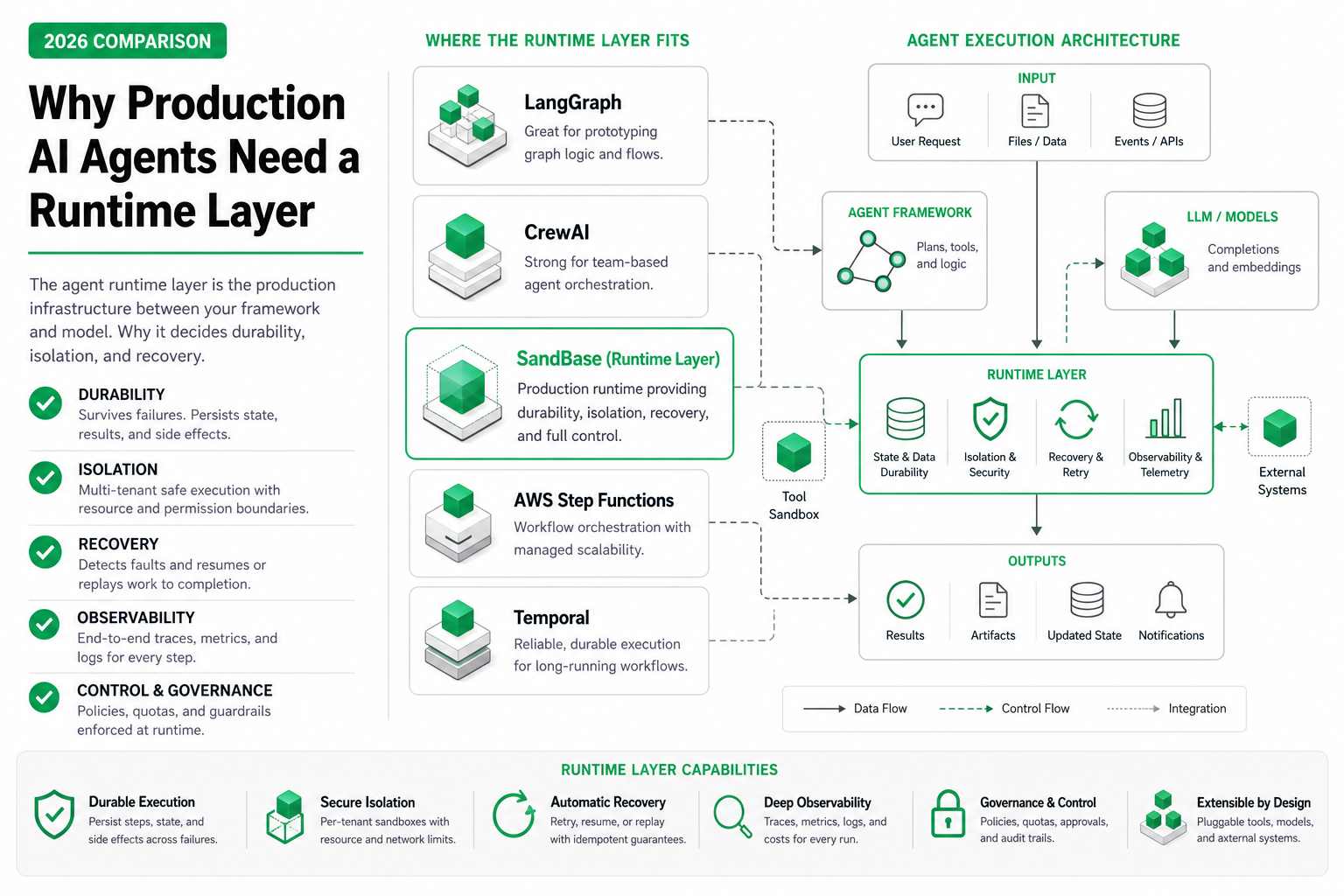
The agent runtime layer is the production infrastructure between your framework and model. Why it decides durability, isolation, and recovery.
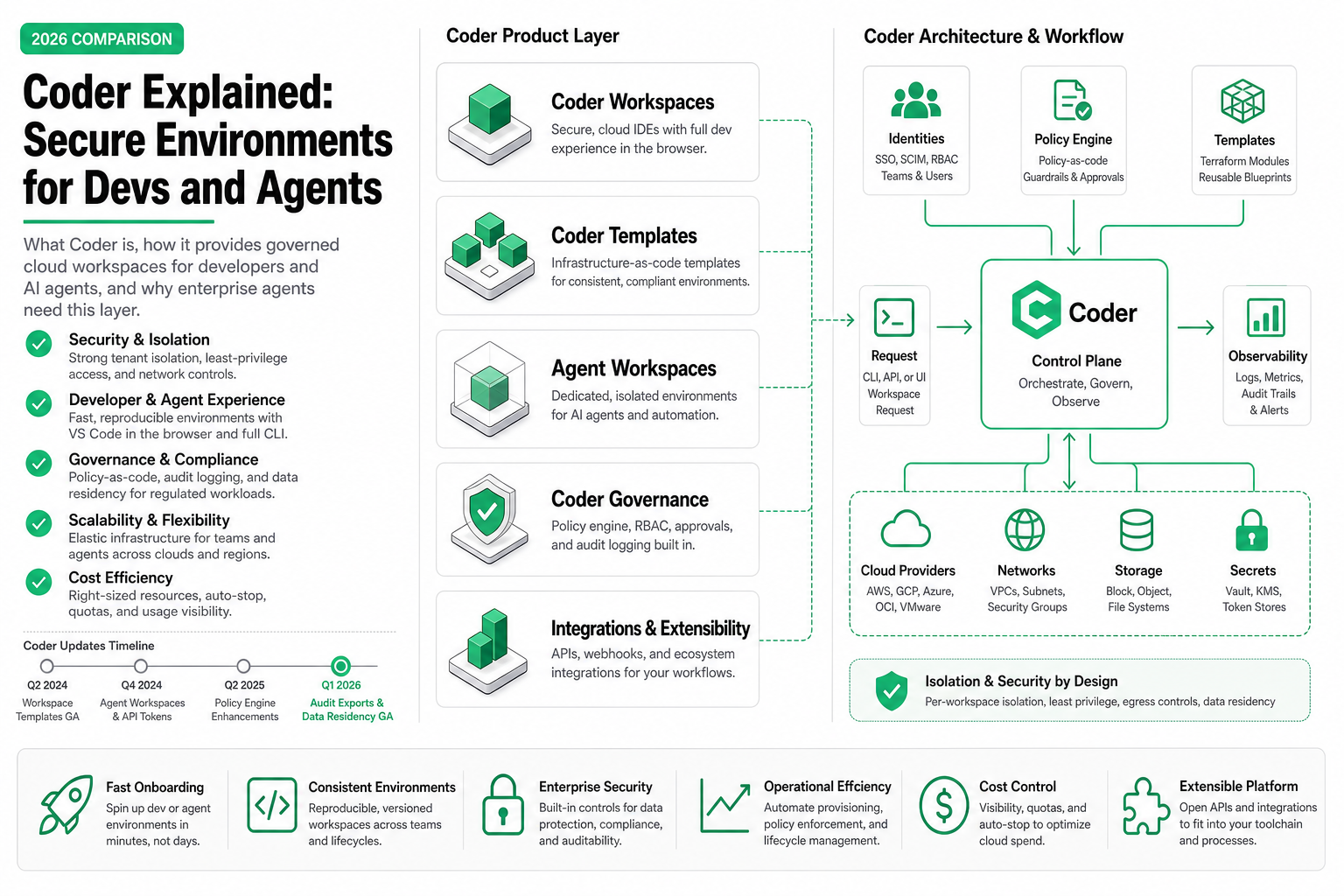
What Coder is, how it provides governed cloud workspaces for developers and AI agents, and why enterprise agents need this layer.
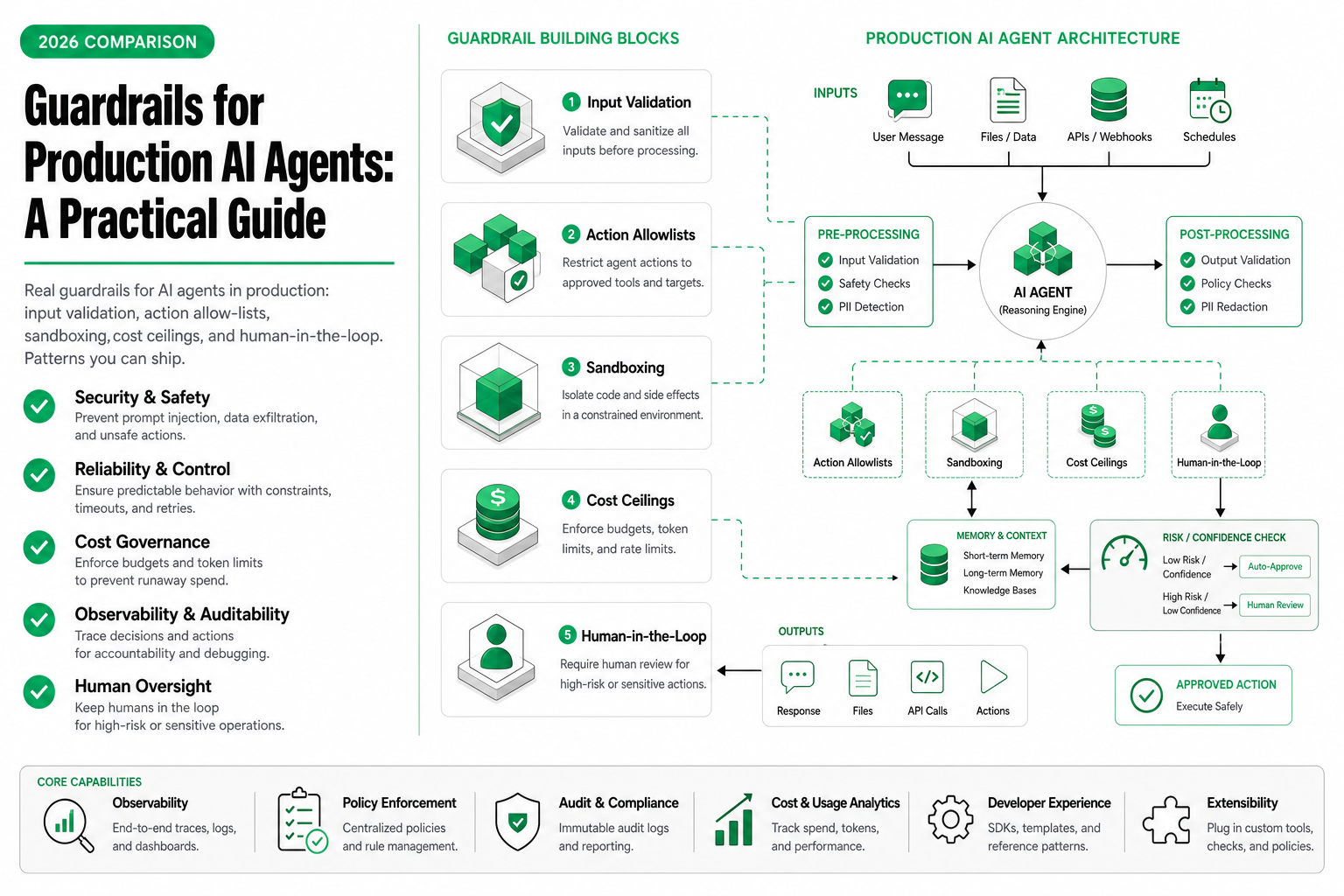
Real guardrails for AI agents in production: input validation, action allow-lists, sandboxing, cost ceilings, and human-in-the-loop. Patterns you can ship.
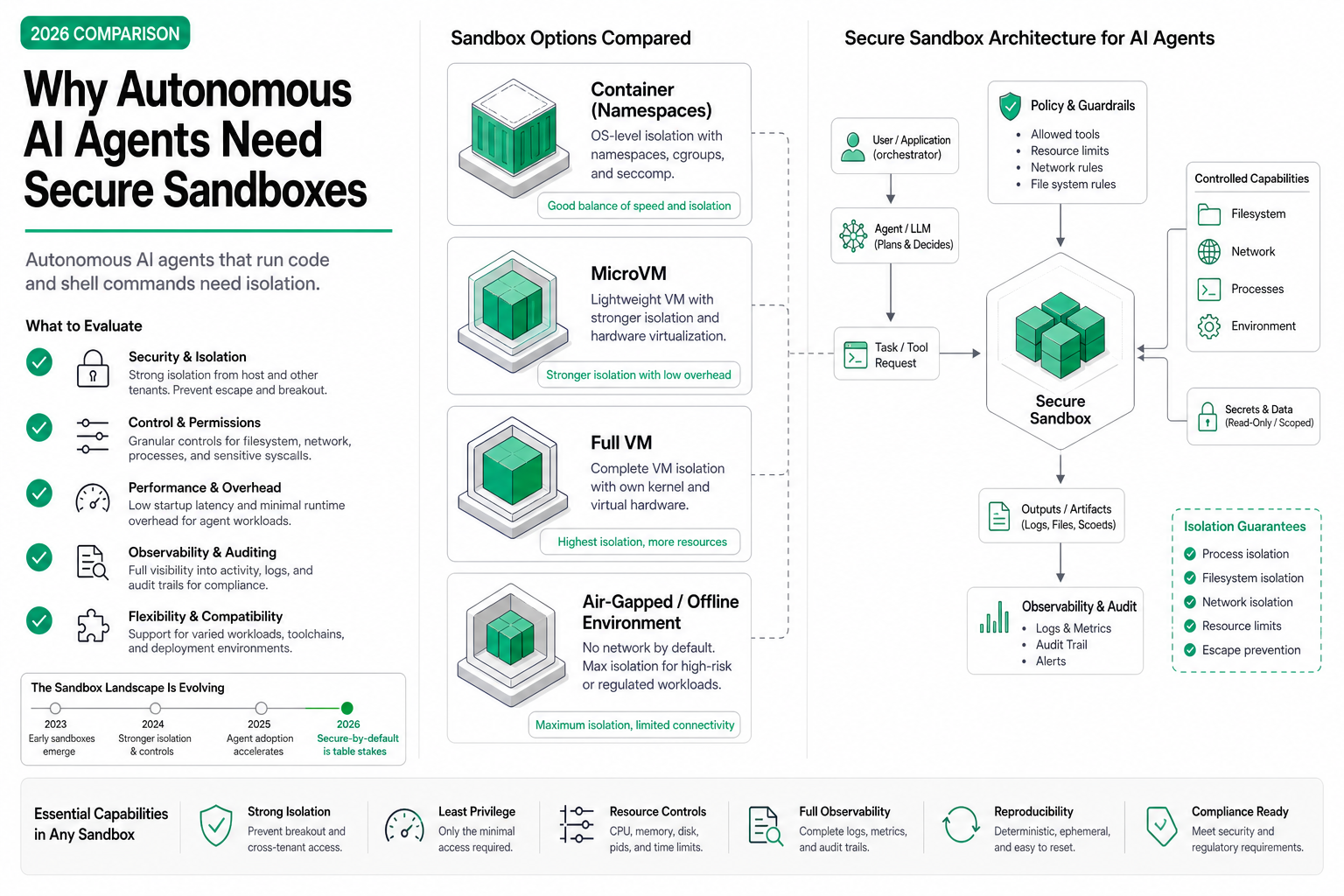
Autonomous AI agents that run code and shell commands need isolation. Why sandboxes are non-negotiable in production, the isolation levels, and how to choose.
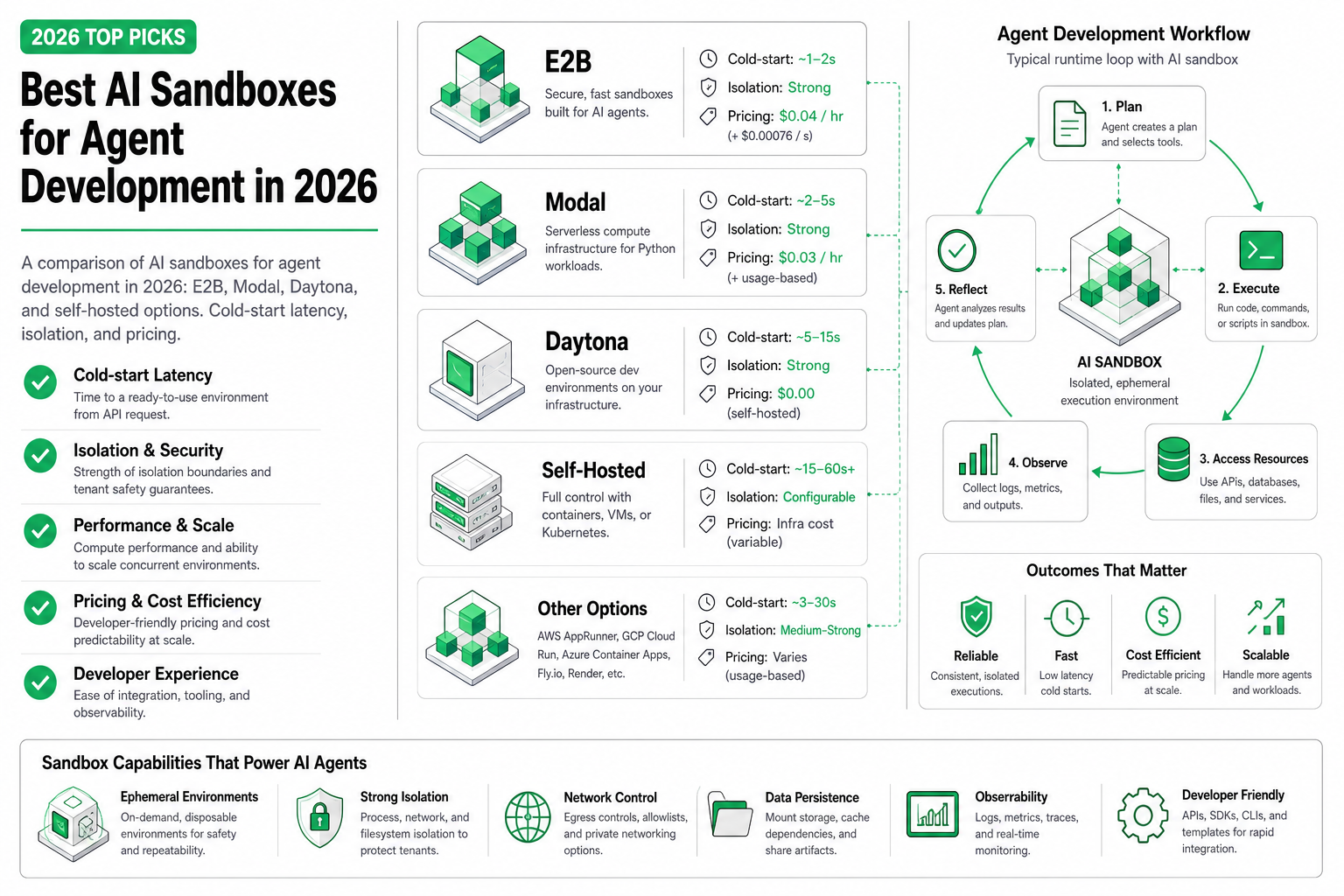
A comparison of AI sandboxes for agent development in 2026: E2B, Modal, Daytona, and self-hosted options. Cold-start latency, isolation, and pricing.
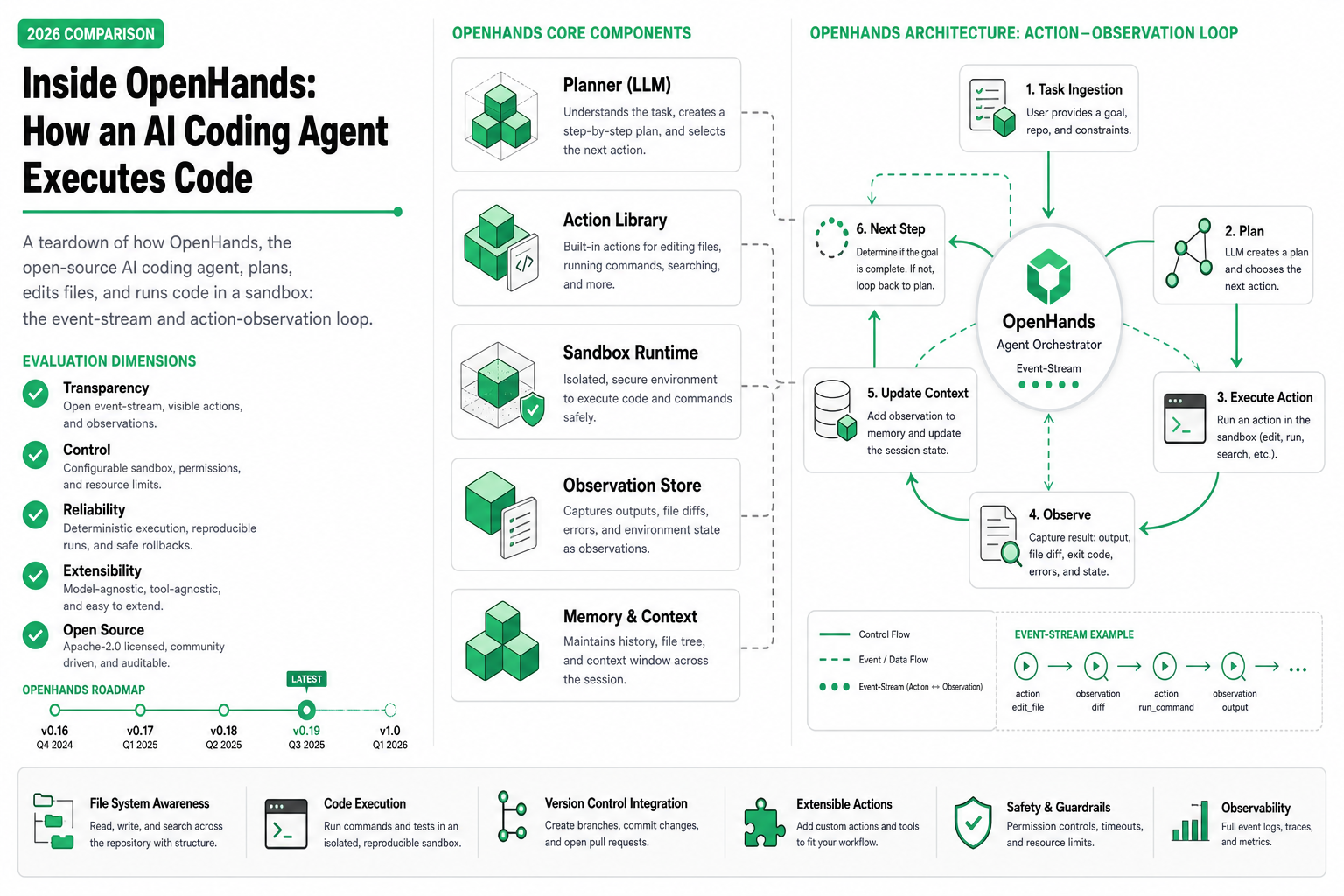
A teardown of how OpenHands, the open-source AI coding agent, plans, edits files, and runs code in a sandbox: the event-stream and action-observation loop.