OpenAI Agents API: What a Self-Hosted Sandbox Does—and Does Not—Control
OpenAI Agents API self-hosted sandbox limits: the managed harness, execution ownership, session overrides, data retention, and what your application still handles.
OpenAI Agents API self-hosted sandbox limits: the managed harness, execution ownership, session overrides, data retention, and what your application still handles.
A practical map of the 2026 AI agent stack: model providers, tool protocols, Skills, orchestration, and runtimes, with a clear guide to where each layer belongs.
SandBase Managed Agents is an open-source, local-first agent runtime with CMA-compatible APIs, multiple sandbox backends, and model-agnostic design.
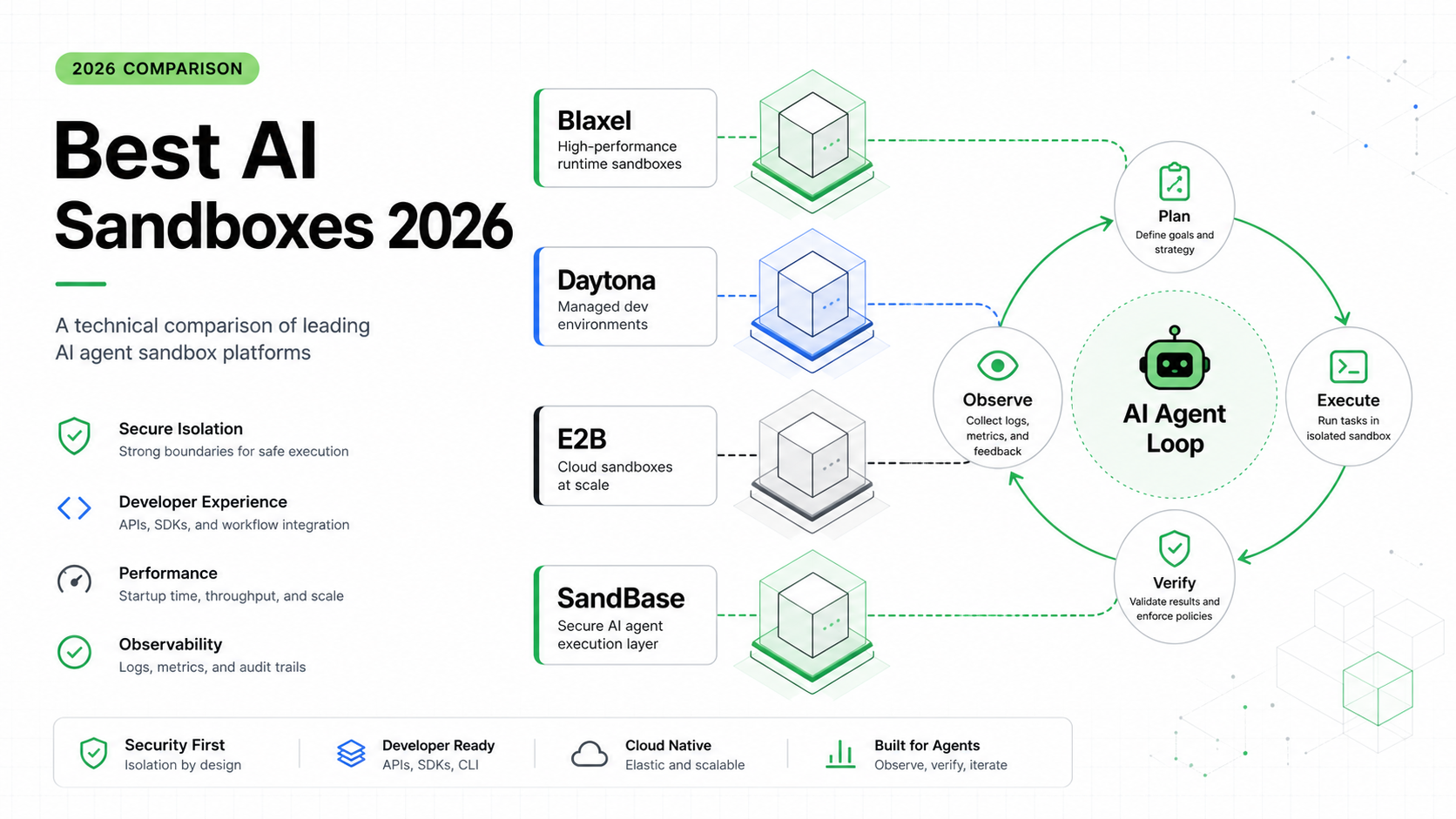
Ranked comparison of the best AI sandboxes for agent code execution in 2026. E2B, Daytona, Blaxel, and SandBase tested on features, pricing, and production readiness.
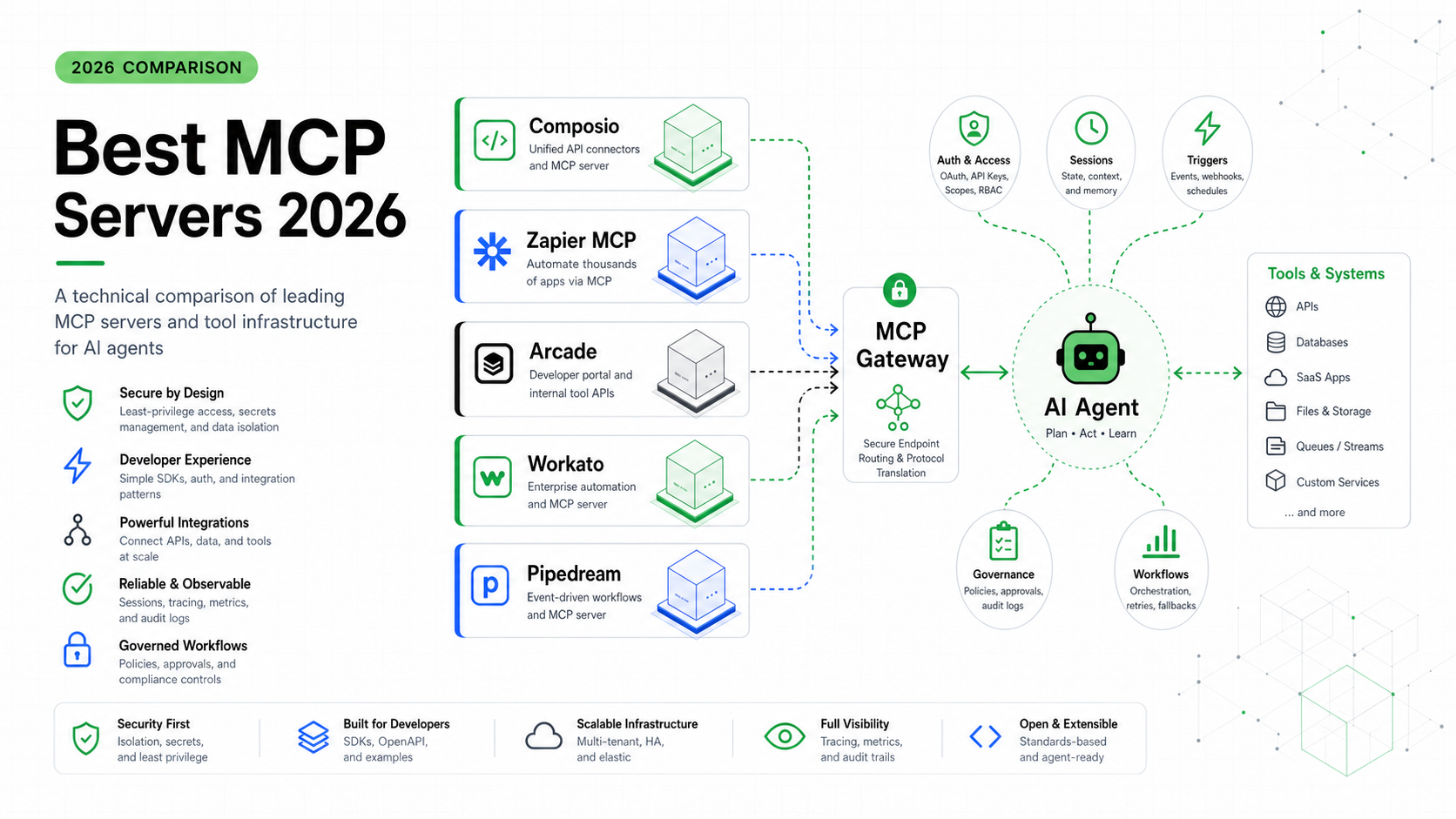
The 7 best MCP servers for AI agents in 2026, ranked. Composio, Zapier MCP, Arcade, Workato compared on tool count, latency, and agent compatibility.
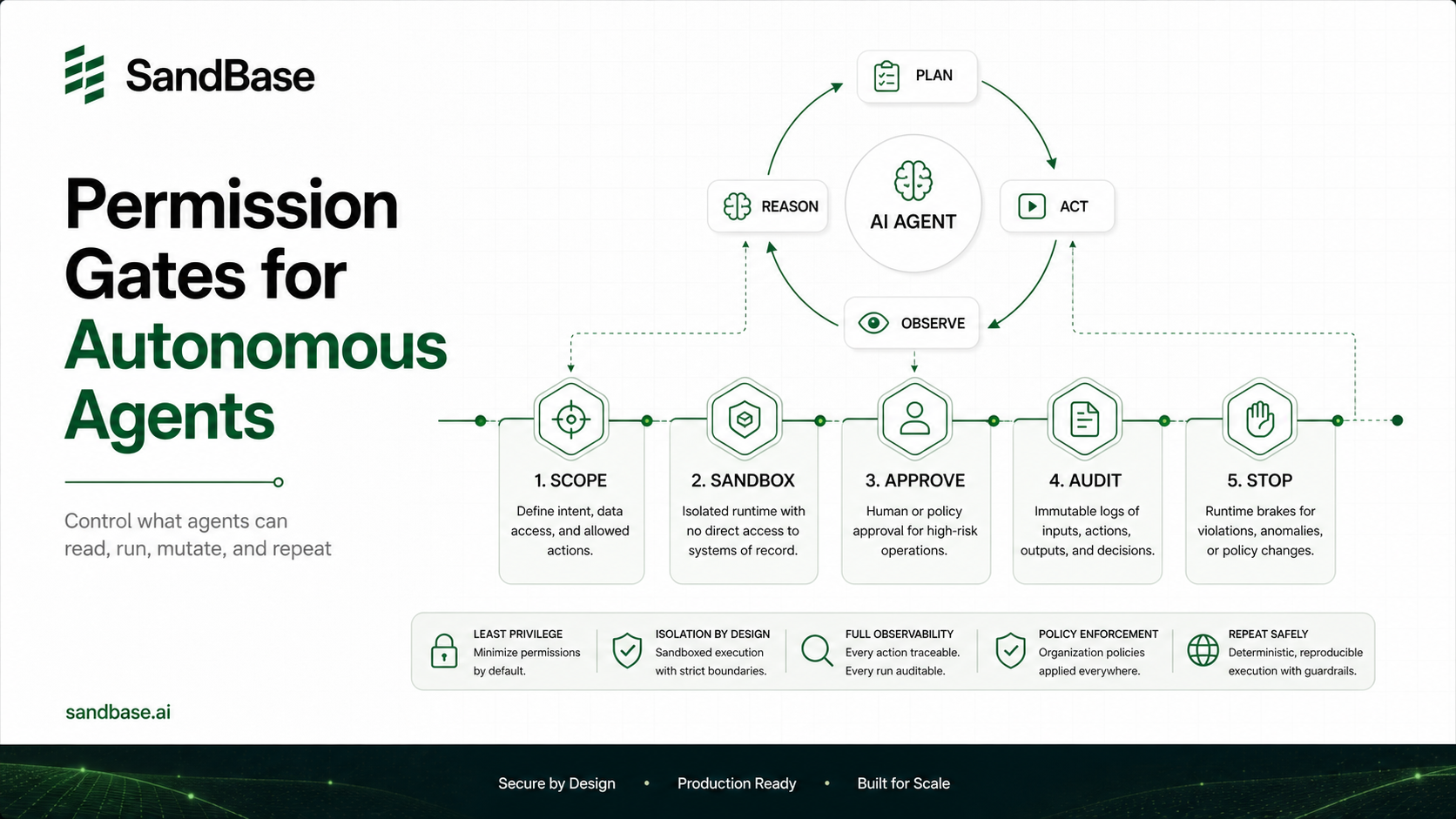
Pre-action authorization checks every AI agent tool call before it runs. Learn how to gate reads, writes, code execution, and loops.
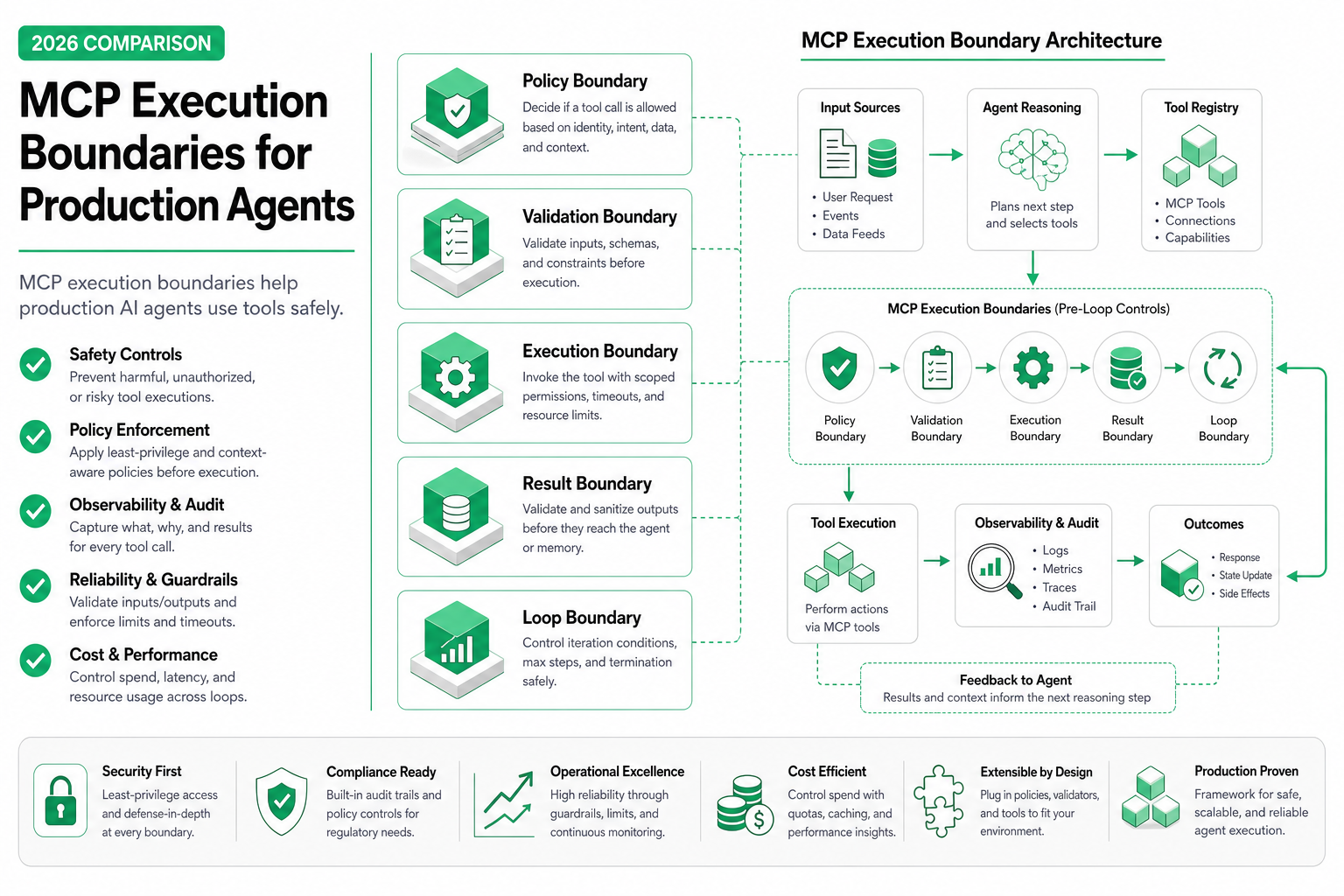
MCP execution boundaries help production AI agents use tools safely. Learn what to control after tools are connected and before loops run.
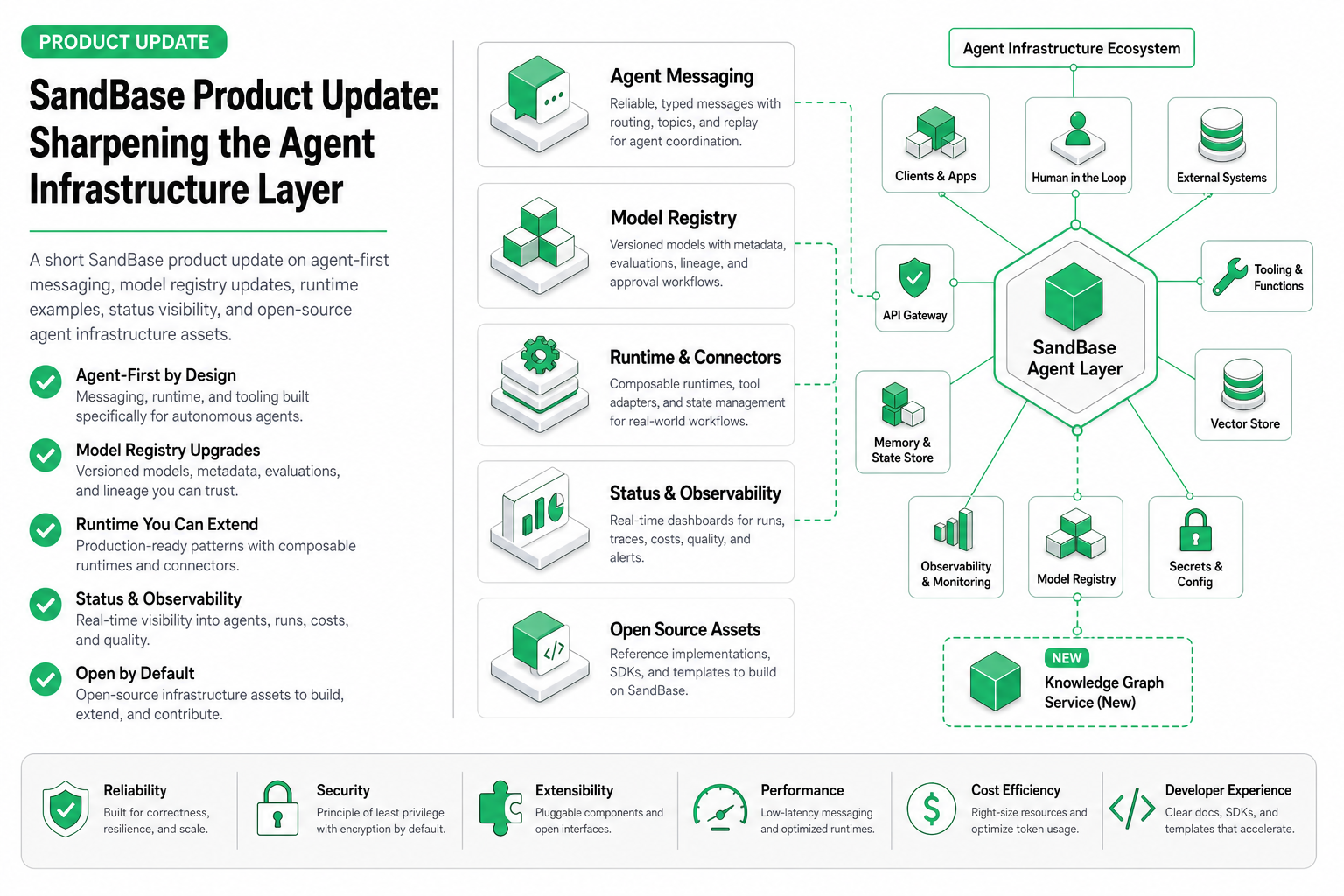
A short SandBase product update on agent-first messaging, model registry updates, runtime examples, status visibility, and open-source agent infrastructure assets.
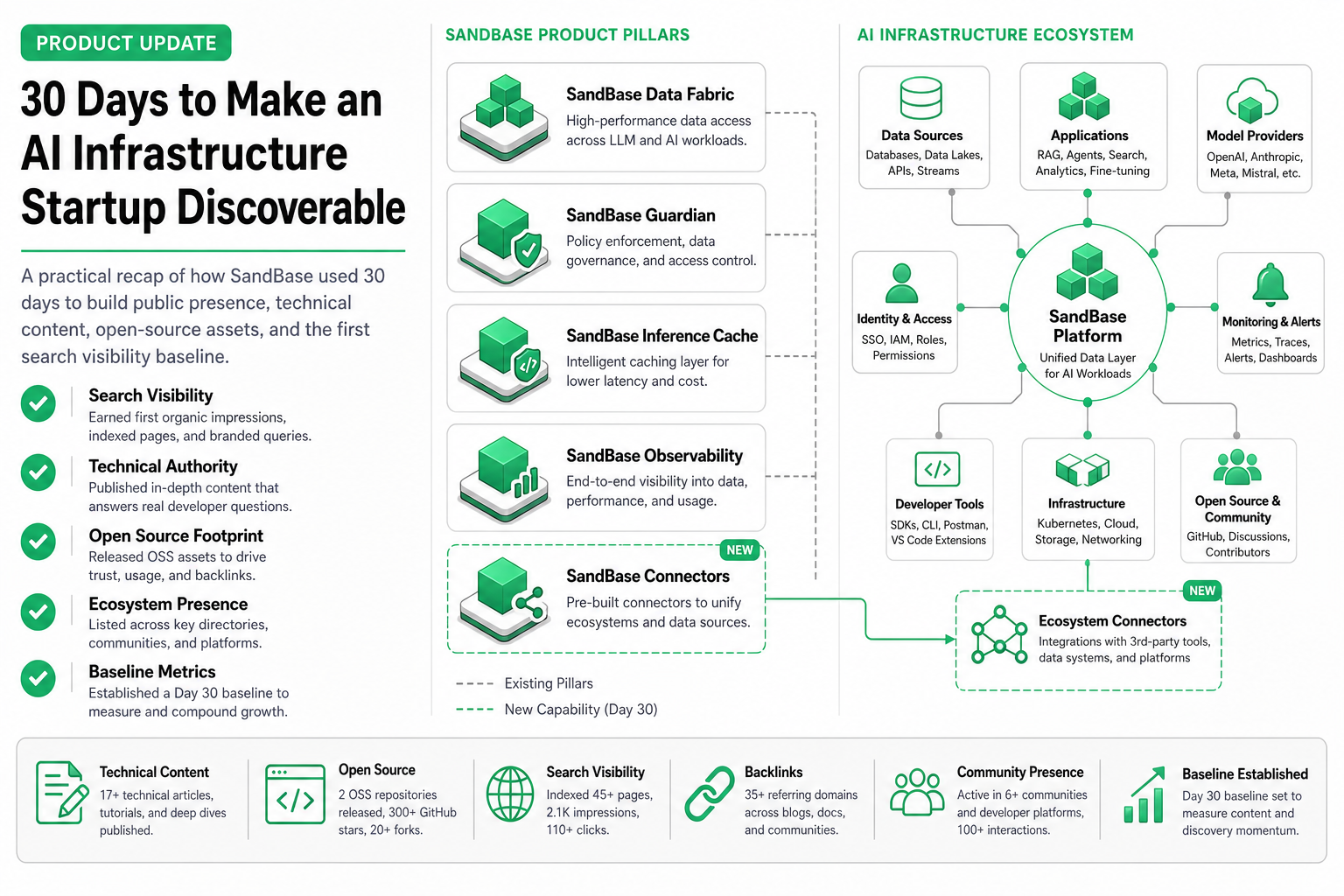
A practical recap of how SandBase used 30 days to build public presence, technical content, open-source assets, and the first search visibility baseline.
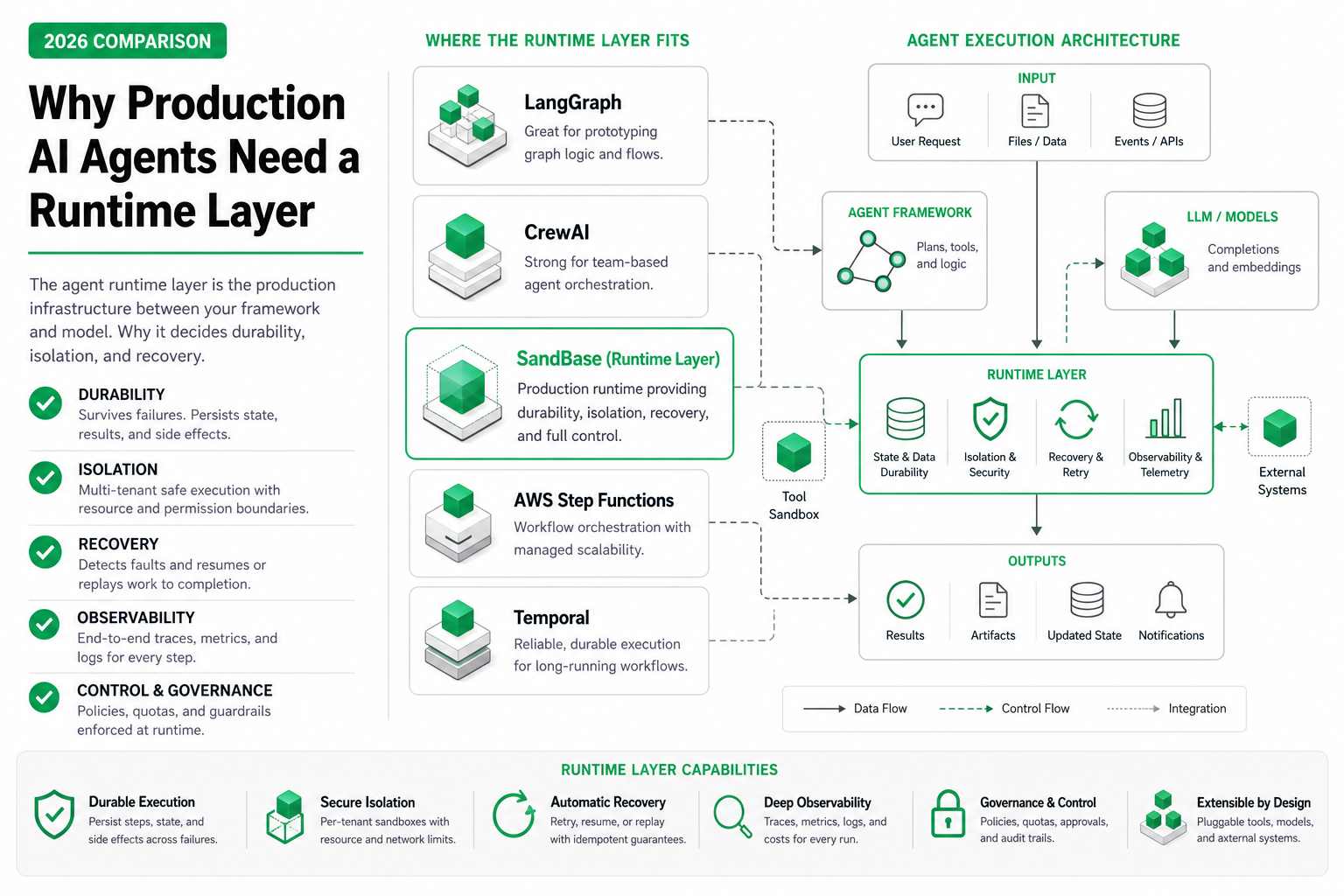
The agent runtime layer is the production infrastructure between your framework and model. Why it decides durability, isolation, and recovery.