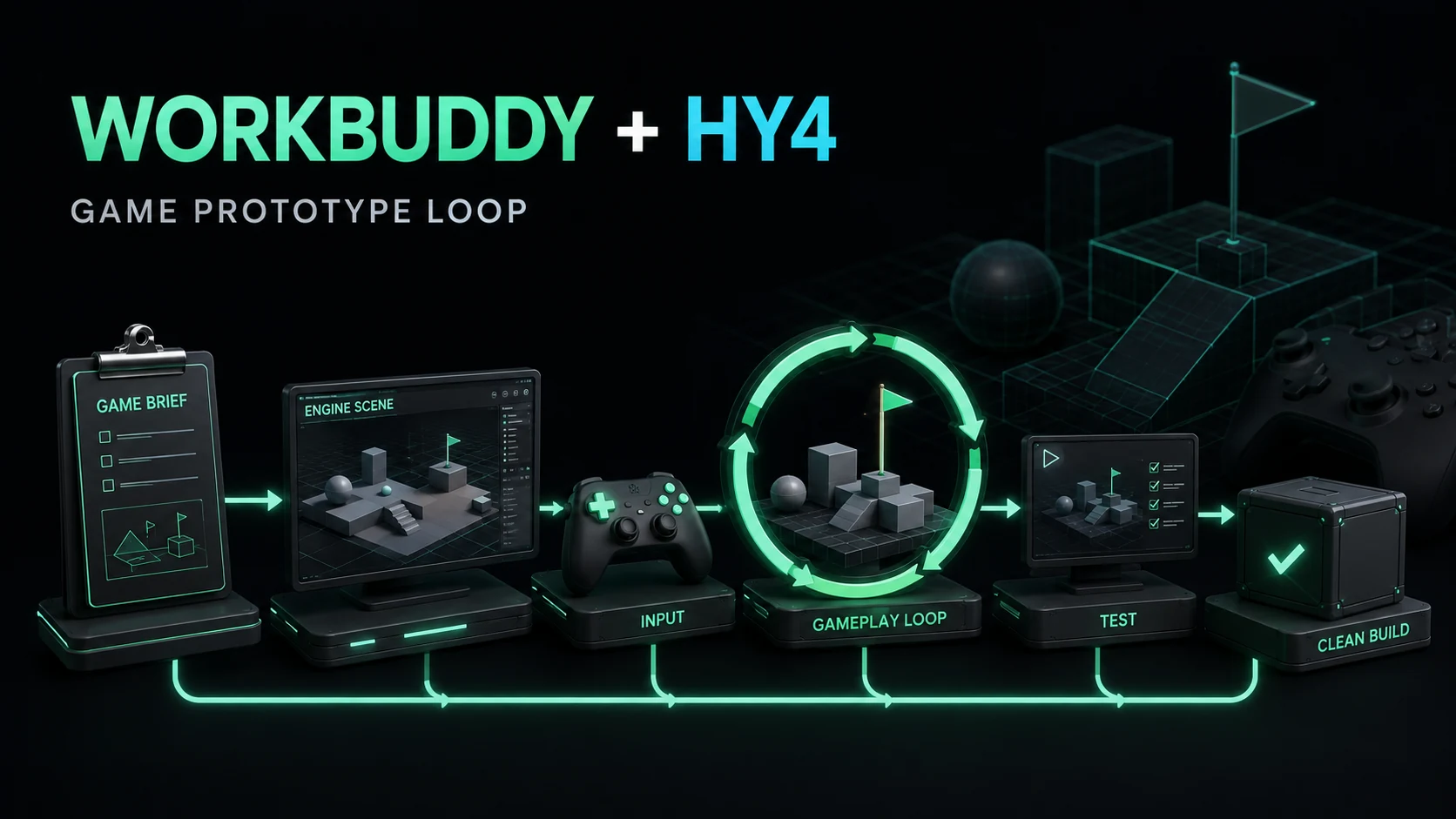
WorkBuddy + Hy4: A Practical Game-Prototyping Workflow
How to evaluate WorkBuddy and Hy4 for game prototypes across engine state, MCP actions, visual quality, testing, and clean hand-off.
Insights on AI agents, model routing, and building production-ready AI systems.
How to evaluate WorkBuddy and Hy4 for game prototypes across engine state, MCP actions, visual quality, testing, and clean hand-off.
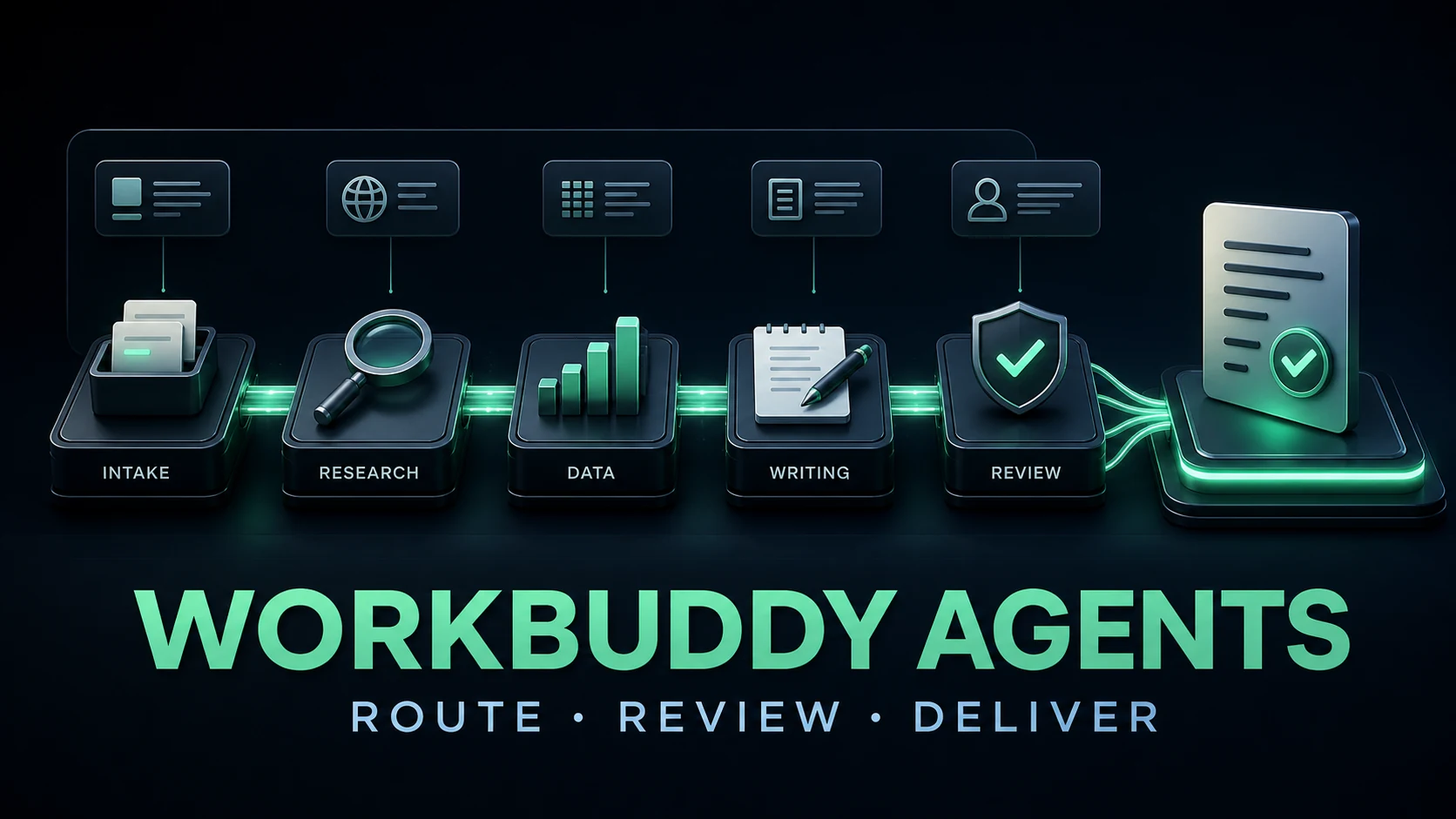
A practical architecture for using WorkBuddy’s specialists and project spaces on multi-step tasks without losing provenance or control.
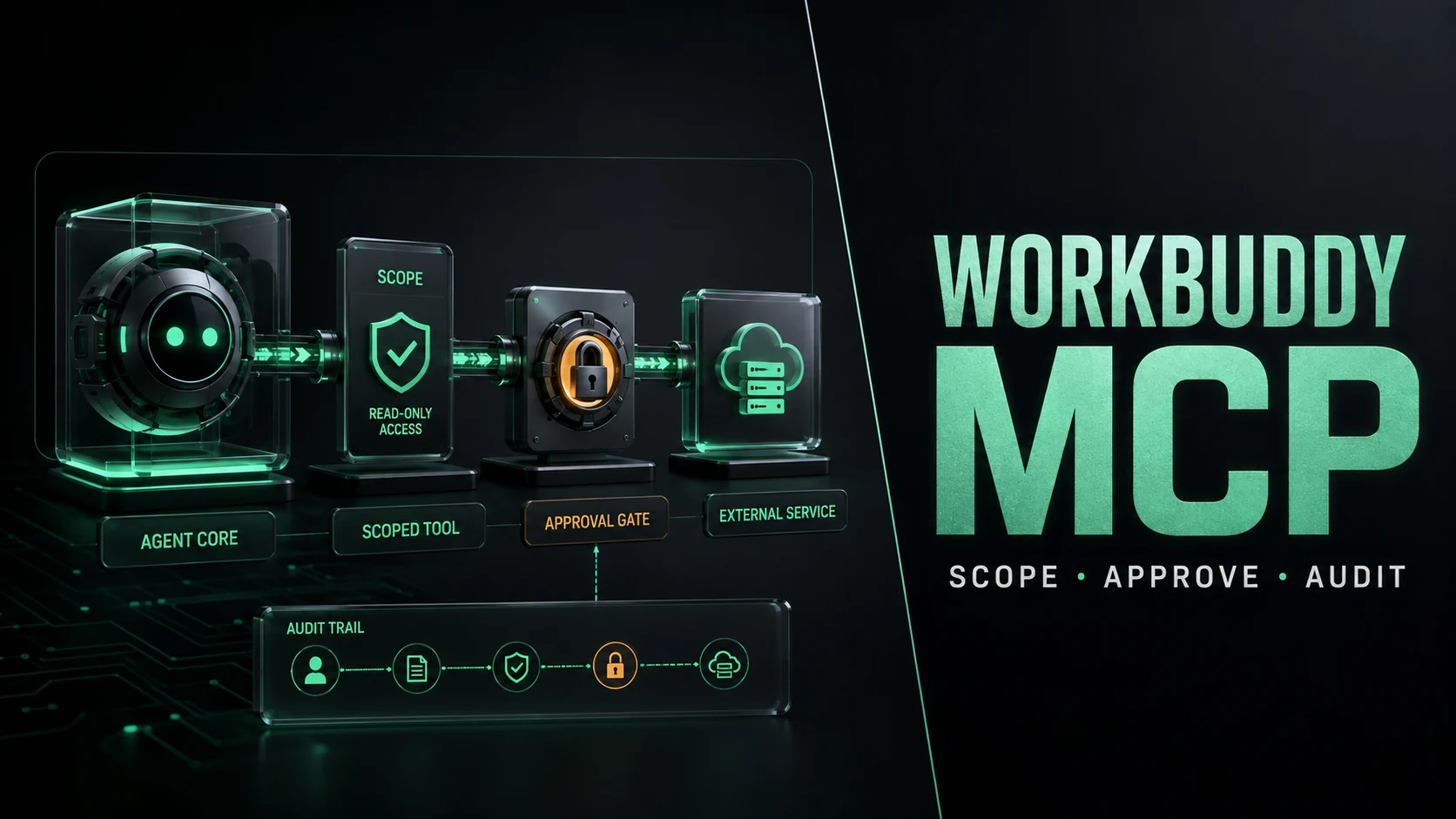
A practical WorkBuddy MCP guide covering user and project configuration, permissions, credentials, testing, and failure recovery.
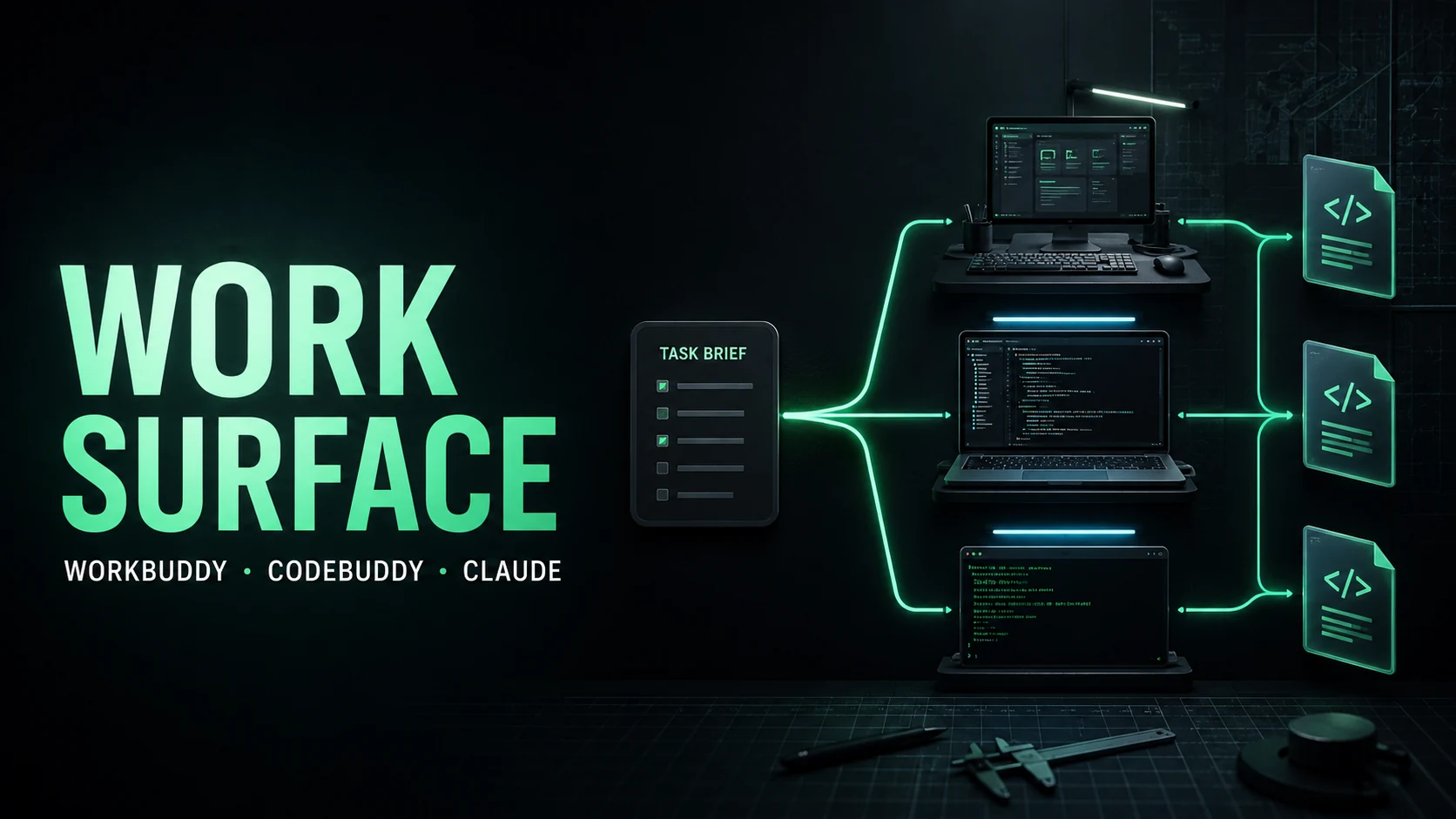
WorkBuddy, CodeBuddy, and Claude Code overlap, but they optimize for different work surfaces. Compare scope, tools, control, and hand-off before choosing.
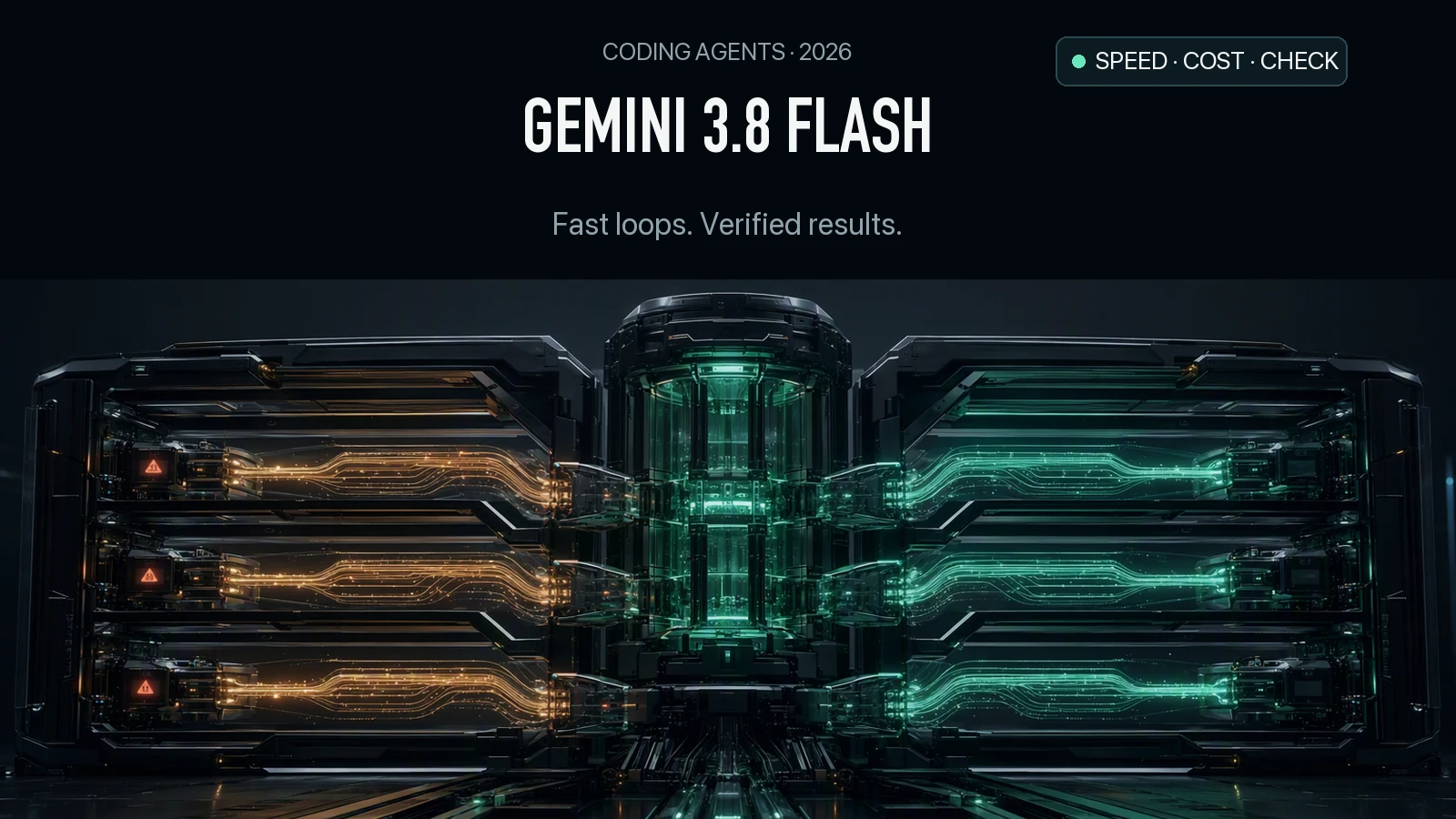
Calculate Gemini 3.8 Flash coding costs including thinking tokens, compare provider rates, and cap retries at two before escalating a failed patch.
SandBase explains Claude Fable 5.1 coding results, API IDs and cache pricing, with a worked cost example and a separate Astra comparison using actual request bills.

Why coding agents forget the goal, repeat failed fixes, and skip tests—and how to recover with a task-state record, regression checks, and a bounded restart.
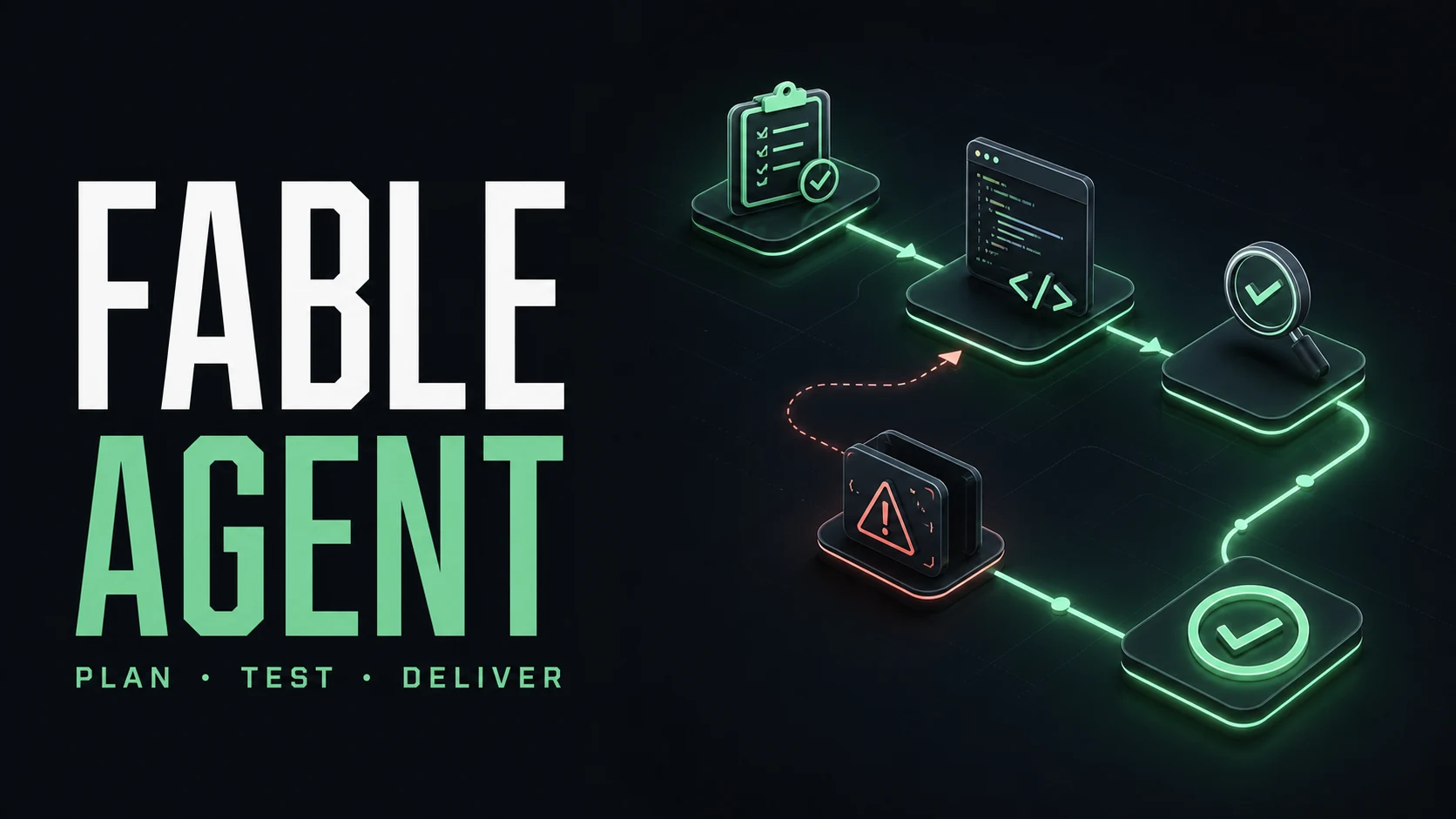
SandBase's Fable 5.1 evaluation design: test a billing-client upgrade across two repositories, recover from tool failures, cap retries, and count accepted-task cost.

SandBase compares Fable 5.1 and Mythos 5.1 access, API pricing, fallback and retention. Learn why a Fable API account does not grant Mythos research permissions.