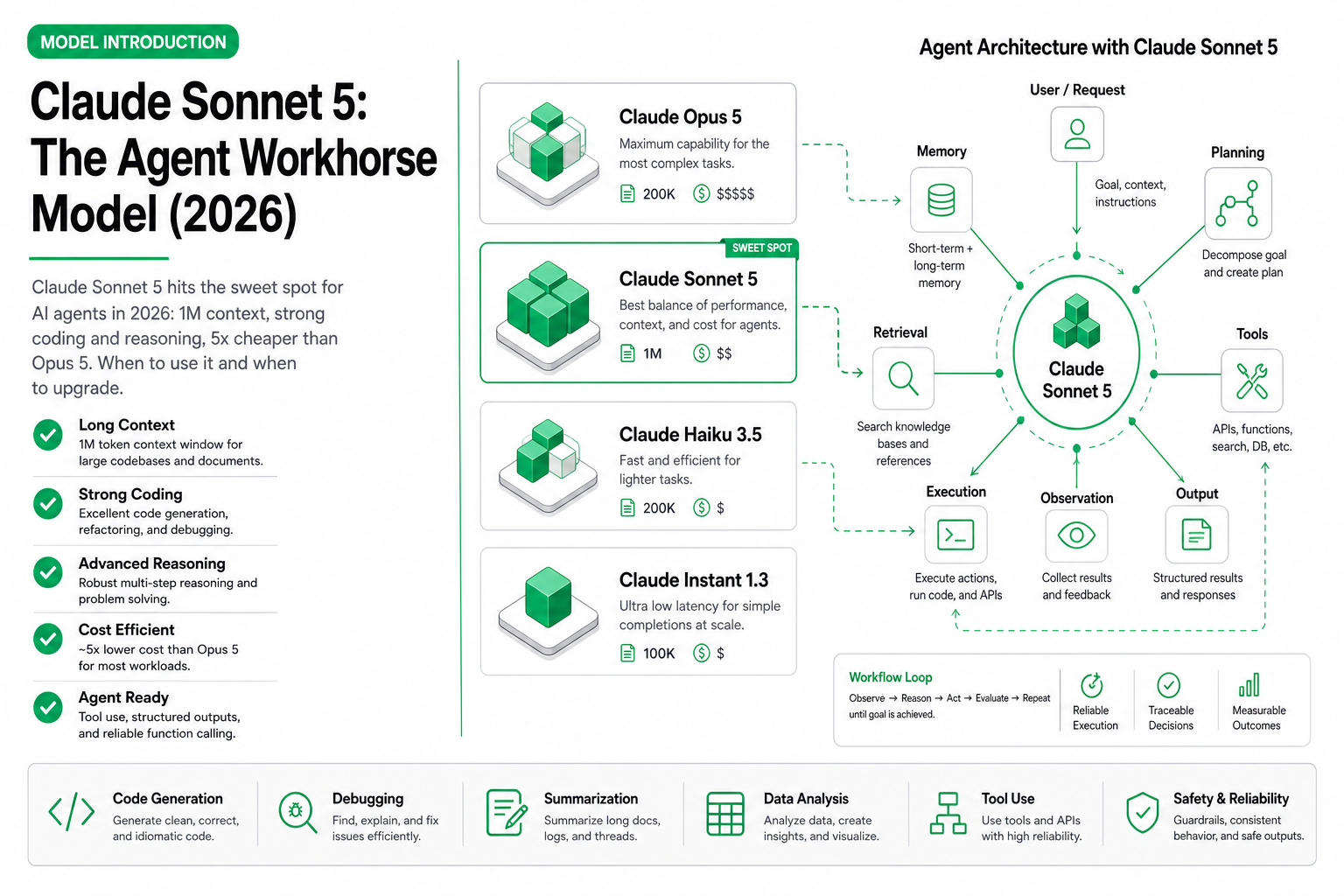
Claude Sonnet 5: The Agent Workhorse Model (2026)
Claude Sonnet 5 is a practical 2026 starting point for many AI agents: 1M context, strong coding and reasoning, and a listed $2/$10 per MTok price. When to upgrade to Opus 5.
Insights on AI agents, model routing, and building production-ready AI systems.
Claude Sonnet 5 is a practical 2026 starting point for many AI agents: 1M context, strong coding and reasoning, and a listed $2/$10 per MTok price. When to upgrade to Opus 5.
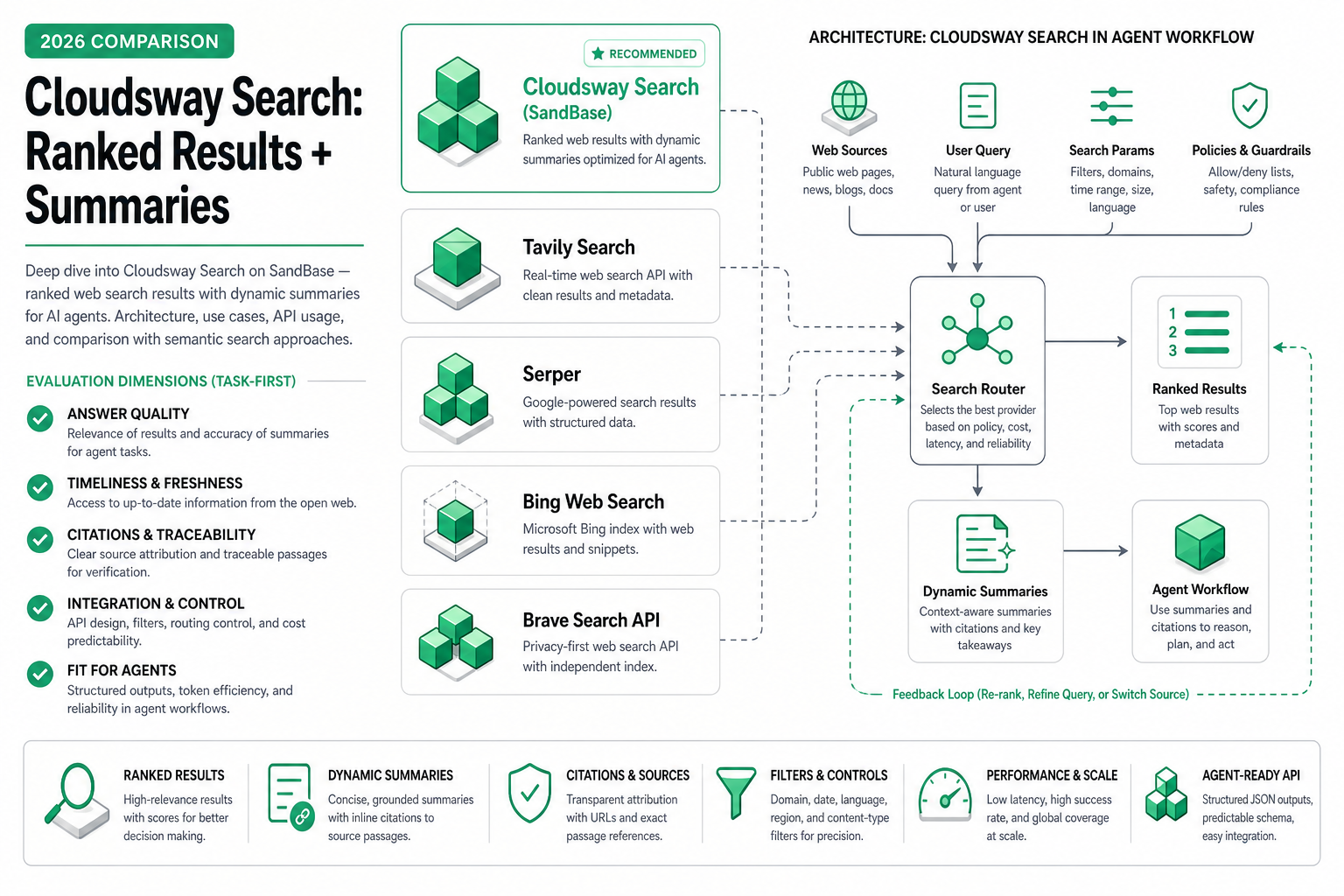
Deep dive into Cloudsway Search on SandBase — ranked web search results with dynamic summaries for AI agents. Architecture, use cases, API usage, and comparison with semantic search approaches.
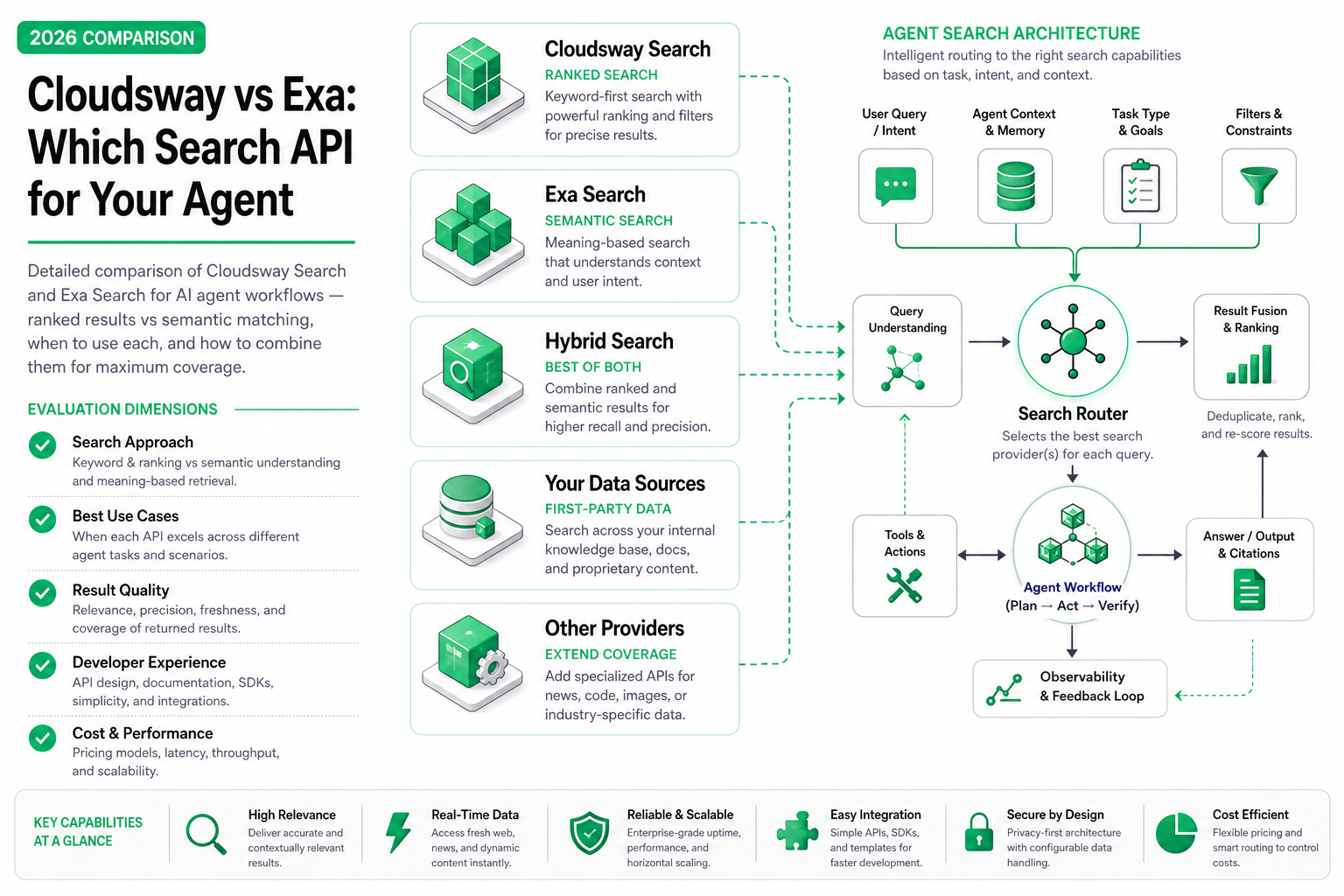
Detailed comparison of Cloudsway Search and Exa Search for AI agent workflows — ranked results vs semantic matching, when to use each, and how to combine them for maximum coverage.
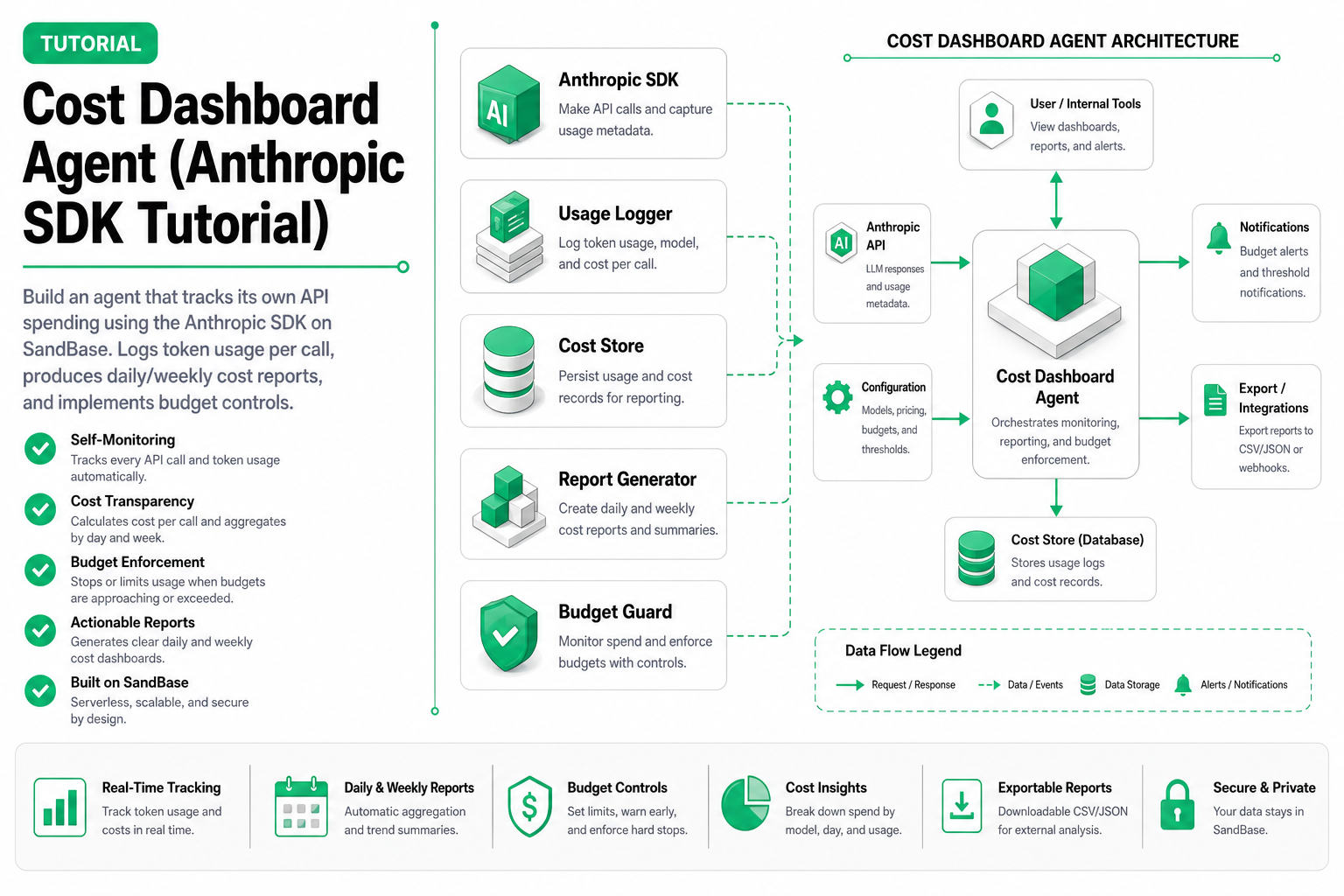
Build an agent that tracks its own API spending using the Anthropic SDK on SandBase. Logs token usage per call, produces daily/weekly cost reports, and implements budget controls.
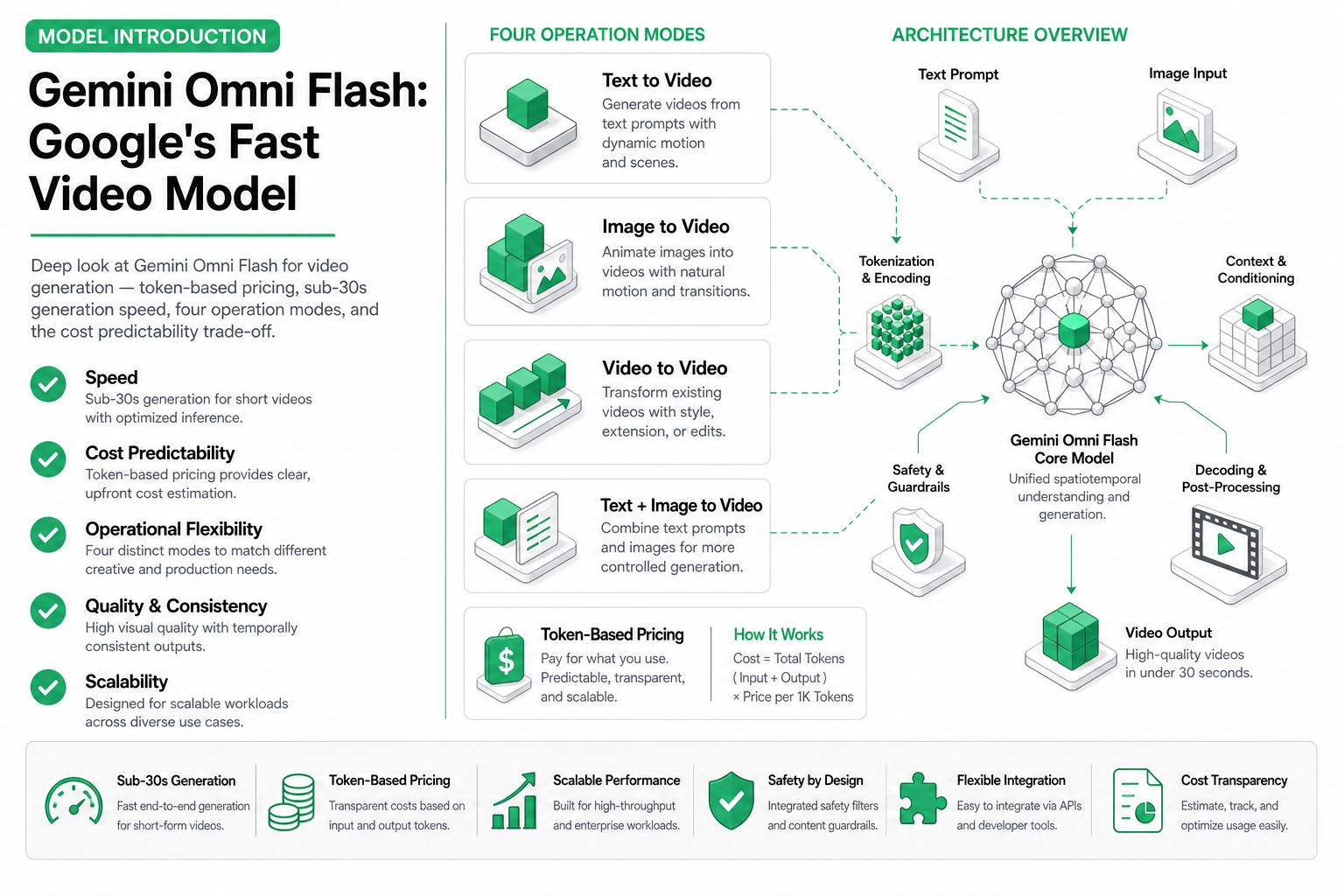
Deep look at Gemini Omni Flash for video generation — token-based pricing, sub-30s generation speed, four operation modes, and the cost predictability trade-off.
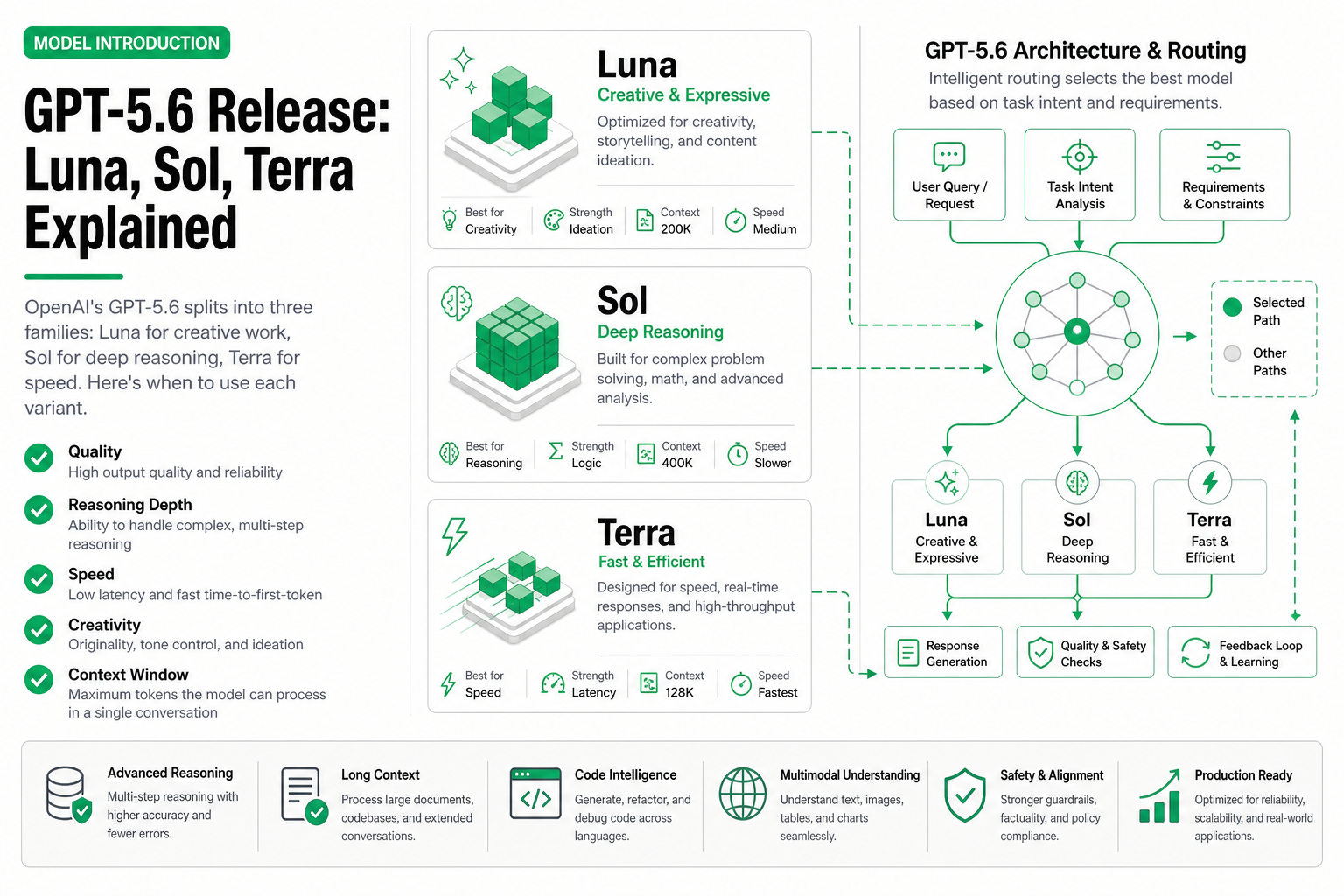
OpenAI's GPT-5.6 splits into three families: Luna for creative work, Sol for deep reasoning, Terra for speed. Here's when to use each variant.
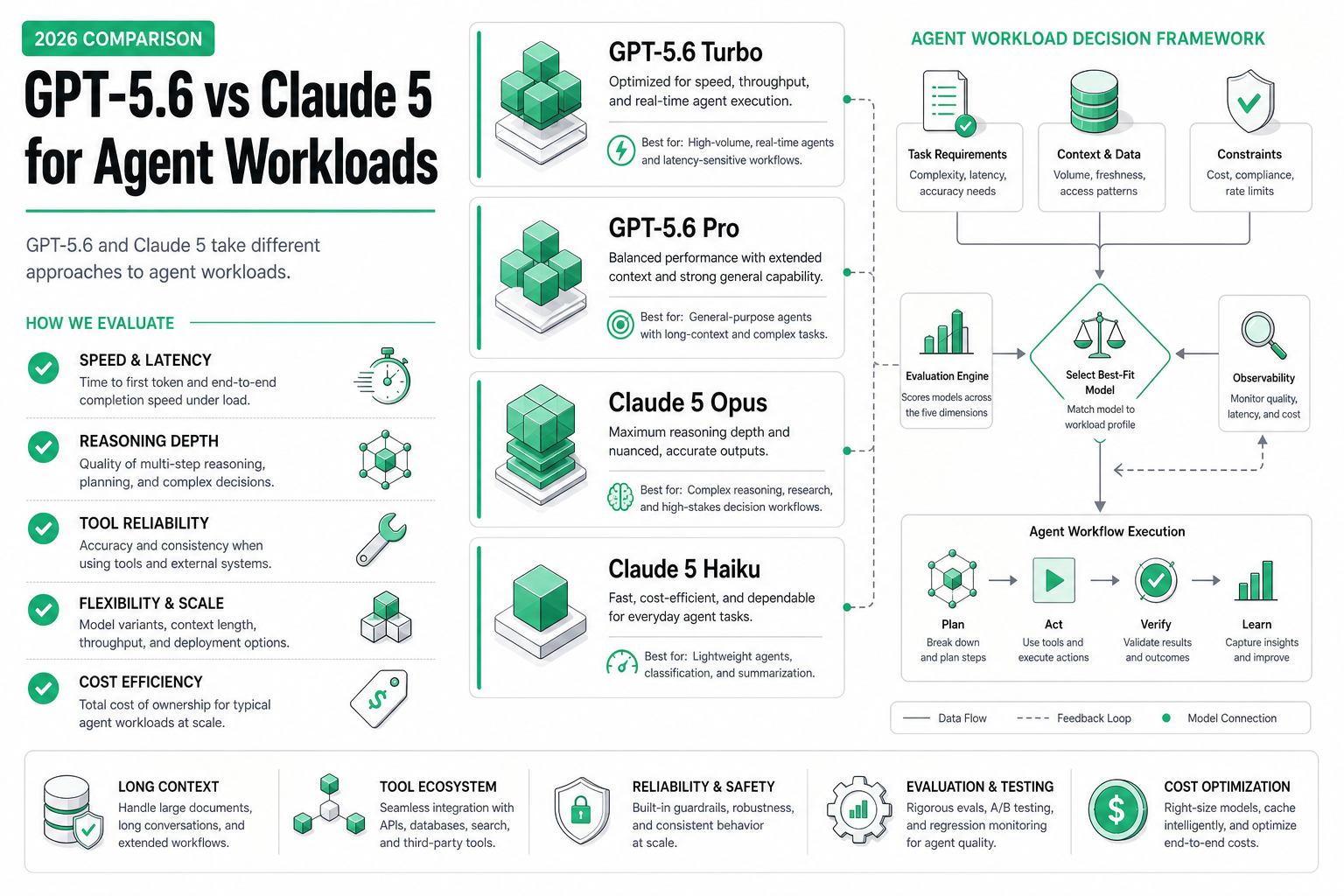
GPT-5.6 and Claude 5 take different approaches to agent workloads. Speed and variants vs reasoning depth and tool reliability. Scenario-based comparison.
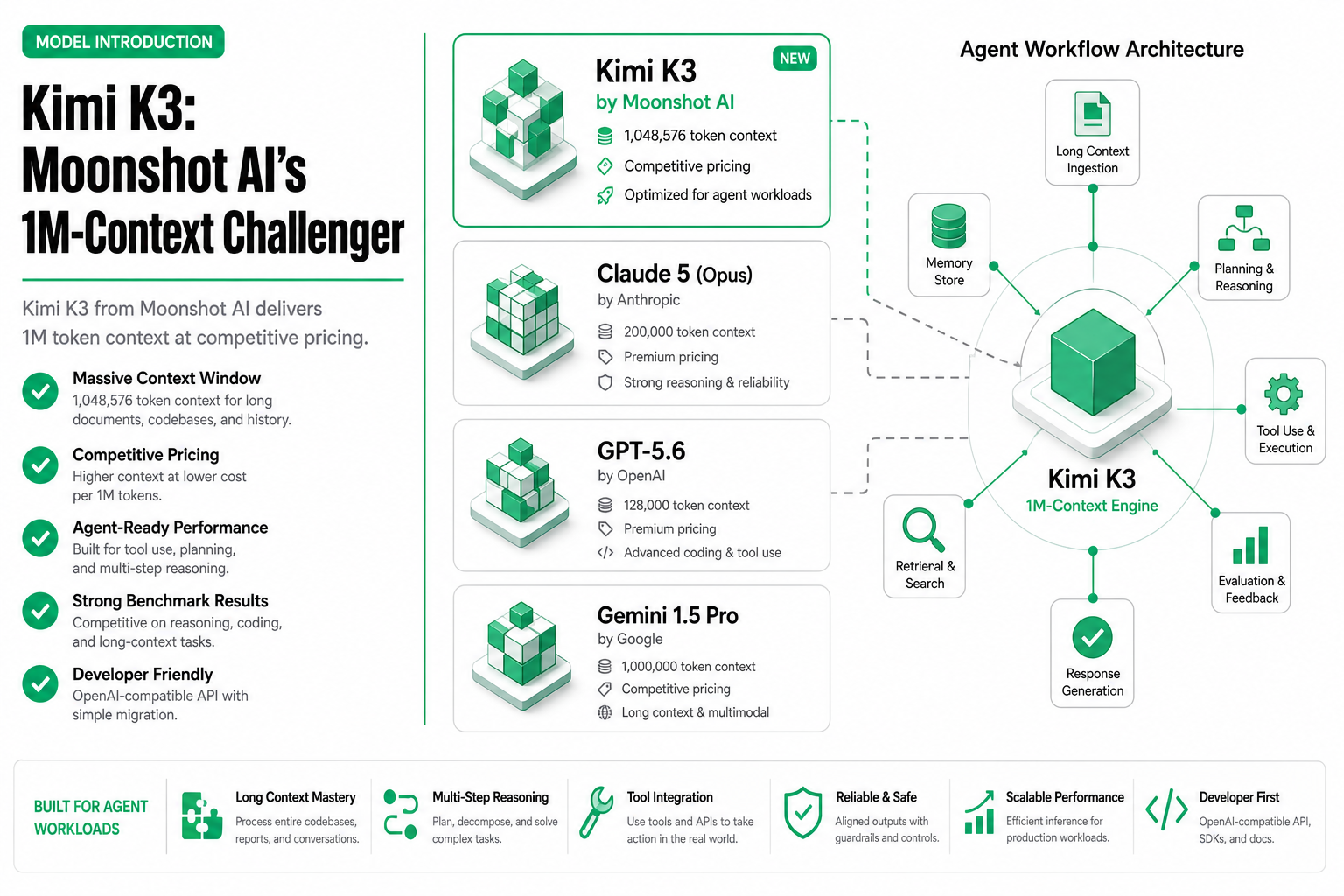
Kimi K3 from Moonshot AI delivers 1M token context at competitive pricing. How it stacks up against Claude 5 and GPT-5.6 for agent workloads.
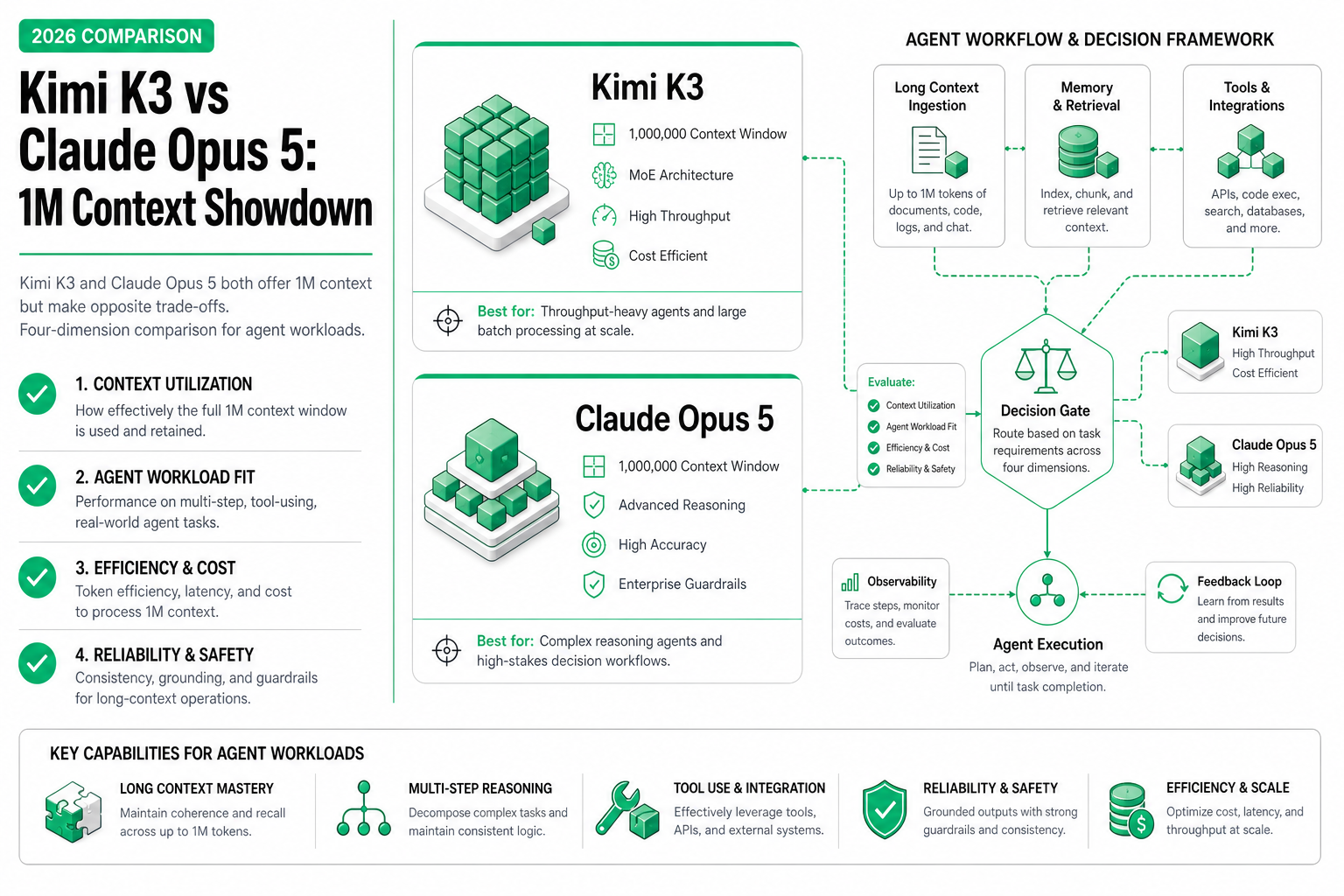
Kimi K3 and Claude Opus 5 both offer 1M context but make opposite trade-offs. Four-dimension comparison for agent workloads.