SandBase MA vs Claude MA vs DeepSeek Harness (2026)
Three-way comparison of SandBase Managed Agents, Claude Managed Agents, and DeepSeek Harness covering architecture, pricing, and data ownership.
TL;DR: SandBase Managed Agents is what you get if Claude Managed Agents was open-source, local-first, and model-agnostic. It offers CMA-compatible API surface you can run on your own hardware with any model. DeepSeek Harness takes a plugin-everything approach but lacks production runtime features. CMA remains the polished hosted option if you’re all-in on Claude and don’t mind vendor lock-in.
The Landscape in August 2026
The agent runtime space has split into three camps: hosted-proprietary (Claude Managed Agents), open-source-runtime (SandBase MA), and open-source-framework (DeepSeek Harness). Each makes fundamentally different trade-offs. This article breaks them down so you can pick the right tool for your stack.
For a deeper two-way comparison, see our DeepSeek Harness vs Claude Managed Agents analysis.
Architecture Overview
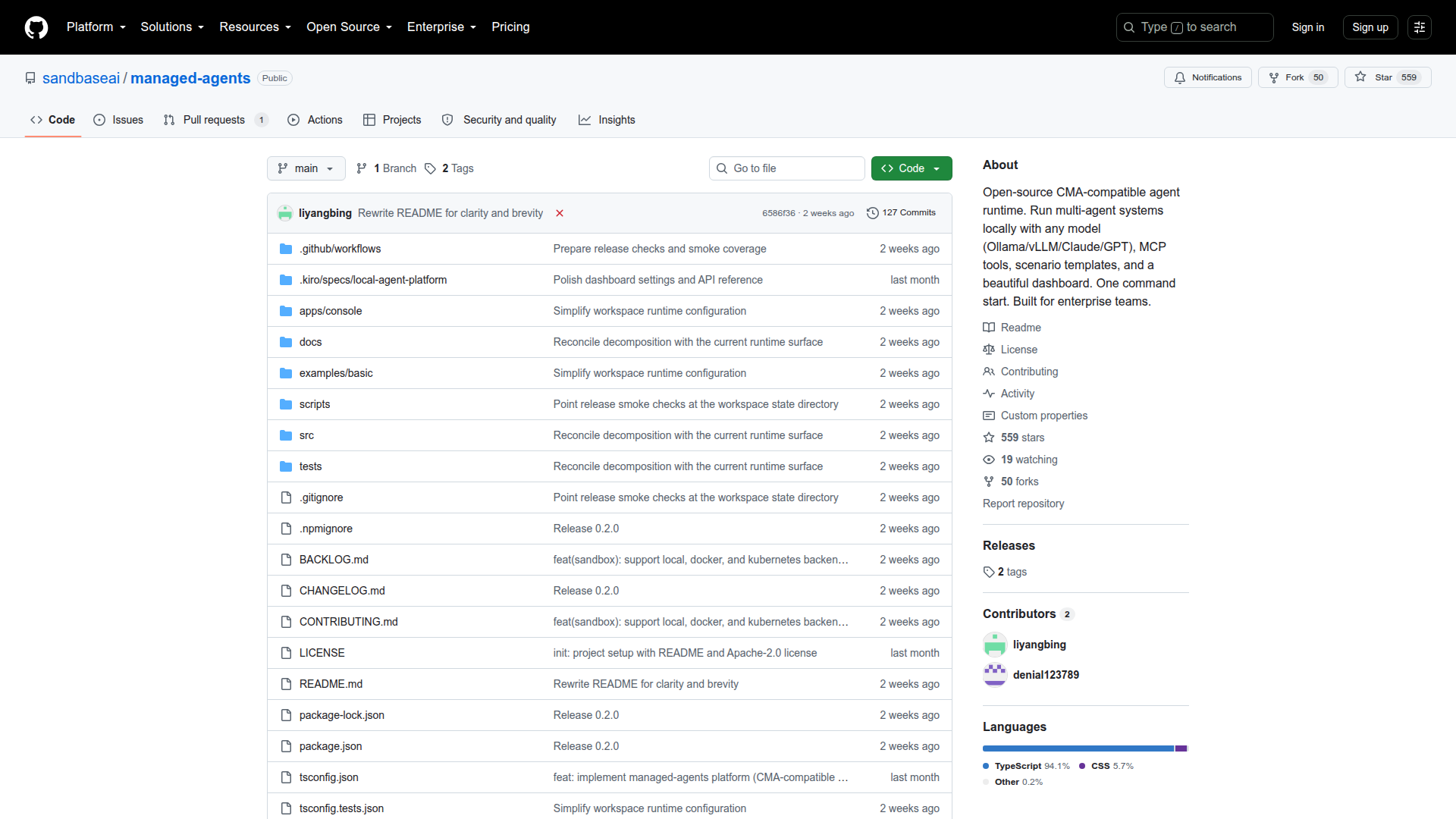 SandBase Managed Agents — open-source, CMA-compatible, model-agnostic.
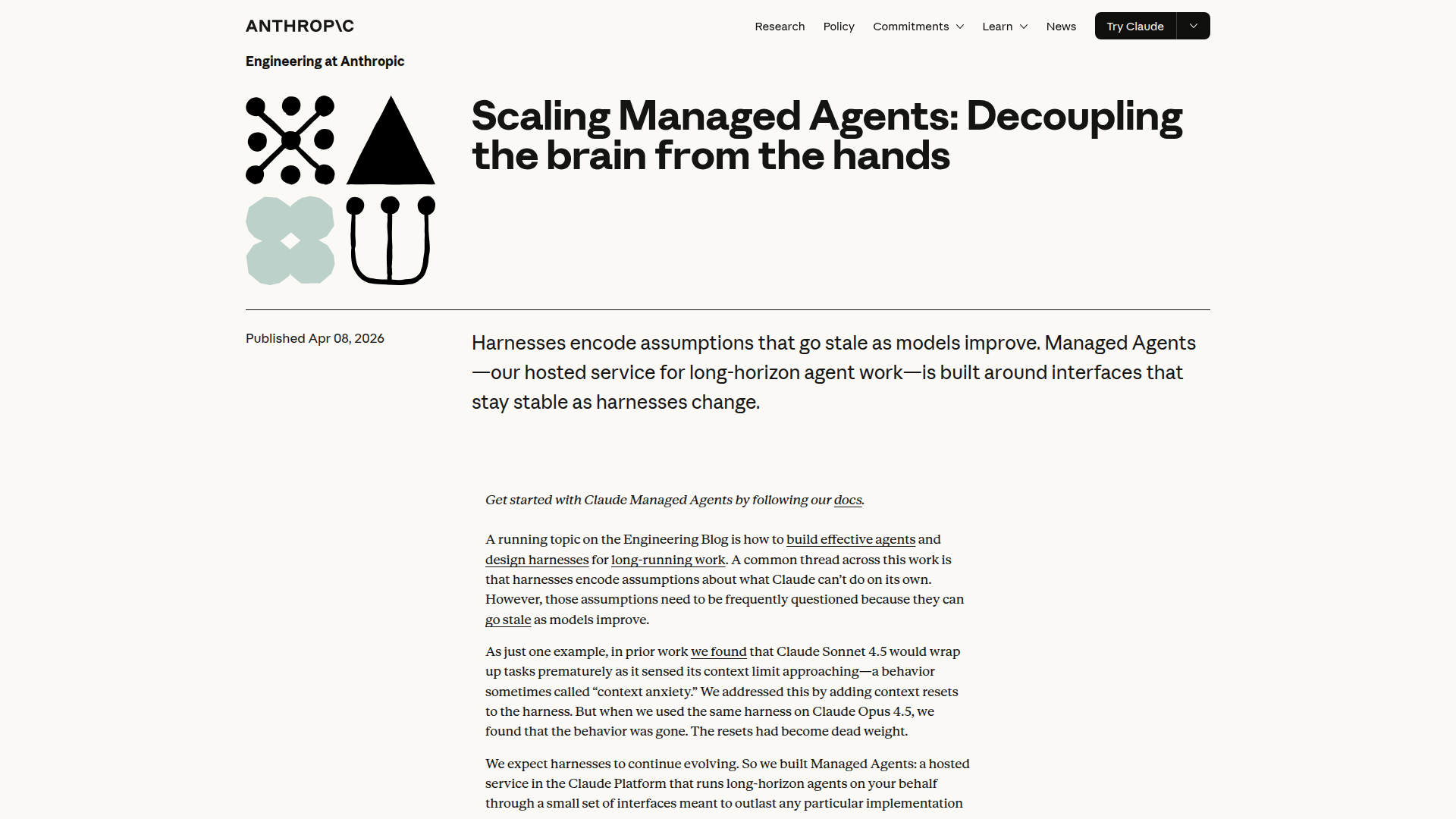 Anthropic’s “Decoupling the brain from the hands” — the architecture behind CMA.
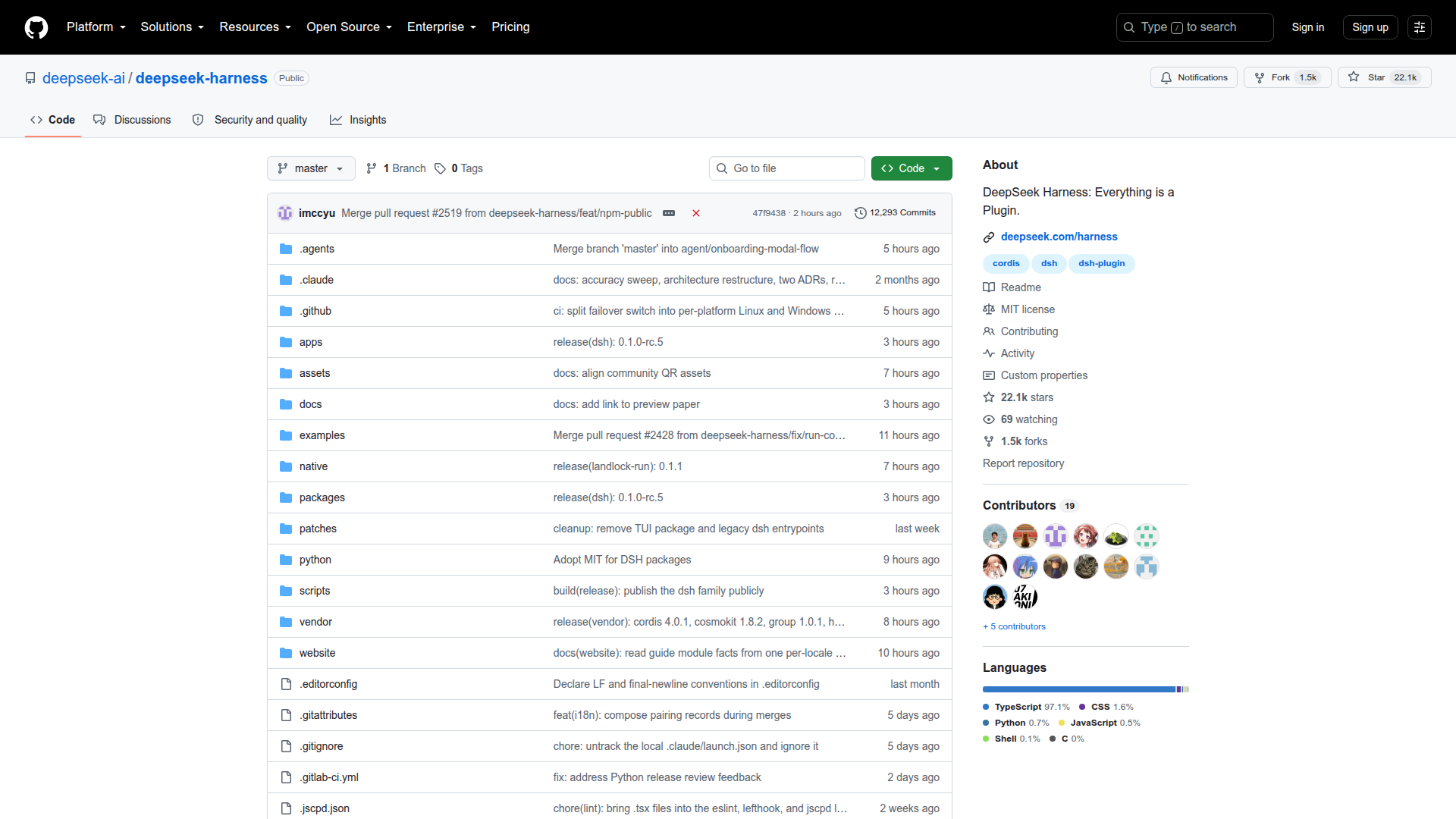 DeepSeek Harness — everything-is-a-plugin architecture with Cordis meta-framework.
Claude Managed Agents (CMA)
┌─────────────────────────────────────────────────┐
│              Anthropic Cloud                     │
│                                                 │
│  ┌─────────┐   ┌─────────┐   ┌──────────────┐  │
│  │  Brain  │──▶│  Hands  │──▶│   Sandbox    │  │
│  │ (Claude)│   │ (Tools) │   │  (Cloud VM)  │  │
│  └─────────┘   └─────────┘   └──────────────┘  │
│       │                             │           │
│       ▼                             ▼           │
│  ┌─────────┐              ┌──────────────────┐  │
│  │ Dreaming│              │  Session State   │  │
│  │(Memory) │              │  (Anthropic DB)  │  │
│  └─────────┘              └──────────────────┘  │
│                                                 │
└─────────────────────────────────────────────────┘
        ▲
        │ HTTPS
        │
   [Your App / SDK]
CMA decouples brain (model inference), hands (tool execution), and session management. This architecture dropped p50 TTFT by 60% and p95 by 90%. But everything runs on Anthropic’s infrastructure.
SandBase Managed Agents
┌─────────────────────────────────────────────────────┐
│              Your Infrastructure (localhost / k8s)    │
│                                                      │
│  ┌────────────────────────────────────────────────┐  │
│  │           SandBase MA Runtime                  │  │
│  │                                                │  │
│  │  ┌──────────┐  ┌──────────┐  ┌─────────────┐  │  │
│  │  │Loop Eng. │  │  /v1 API │  │  Console    │  │  │
│  │  │(agnostic)│  │(CMA-compat)│ │(:3000 Web) │  │  │
│  │  └────┬─────┘  └──────────┘  └─────────────┘  │  │
│  │       │                                        │  │
│  │  ┌────▼─────────────────────────────────────┐  │  │
│  │  │  SQLite (agents│sessions│vaults│memory)  │  │  │
│  │  └─────────────────────────────────────────-┘  │  │
│  └────────────────────────────────────────────────┘  │
│                                                      │
│  ┌──────────────────────────────────────────┐        │
│  │  Sandbox Backend (choose one)            │        │
│  │  • Local process                         │        │
│  │  • Docker (per-session containers)       │        │
│  │  • Kubernetes (kubectl exec/cp)          │        │
│  │  • Self-hosted worker queue              │        │
│  └──────────────────────────────────────────┘        │
│                          │                           │
│                          ▼                           │
│  ┌──────────────────────────────────────────┐        │
│  │  Model Provider (choose any)             │        │
│  │  • OpenAI  • Anthropic  • Ollama/vLLM    │        │
│  └──────────────────────────────────────────┘        │
└──────────────────────────────────────────────────────┘
SandBase MA is a local-first runtime. You own the process, the data (SQLite), and the sandbox. The /v1 API is CMA-compatible, meaning you can point the Anthropic SDK at localhost and it just works.
DeepSeek Harness
┌─────────────────────────────────────────────┐
│           DeepSeek Harness                   │
│                                              │
│  ┌────────────────────────────────────────┐  │
│  │         Cordis Meta-Framework          │  │
│  │  ┌────────┐ ┌────────┐ ┌───────────┐  │  │
│  │  │Plugin A│ │Plugin B│ │Plugin ... │  │  │
│  │  └────────┘ └────────┘ └───────────┘  │  │
│  └────────────────────────────────────────┘  │
│                    │                         │
│  ┌─────────────────▼──────────────────────┐  │
│  │       Session Log (append-only)        │  │
│  │         Trajectory View                │  │
│  └────────────────────────────────────────┘  │
│                                              │
│  Modes: Standard │ PTC │ Minimal │ Creative  │
└──────────────────────────────────────────────┘
DeepSeek Harness uses Cordis, where everything (model providers, tools, modes) is a plugin. It’s flexible but early-stage (v0.1 developer preview). No built-in sandboxing, no credential vaults, no production runtime primitives.
Comparison Table
| Feature | SandBase MA | Claude MA (CMA) | DeepSeek Harness |
|---|---|---|---|
| Hosting | Self-hosted (local, Docker, K8s) | Anthropic Cloud | Self-hosted |
| Model Support | Any (OpenAI, Anthropic, Ollama, vLLM) | Claude only | Any (via plugins) |
| API Compatibility | CMA-compatible /v1 | Native | Custom plugin API |
| Sandbox | Local process, Docker, K8s, worker queue | Cloud VM (or self-hosted) | None built-in |
| Pricing | Free (you pay model provider) | Tokens + runtime rate | Free (you pay model provider) |
| Data Ownership | Full (SQLite on your disk) | Anthropic-managed | Full (local append-only log) |
| Maturity | 559 stars, 127 commits, production-usable | Beta since Apr 2026, battle-tested infra | 18.5k stars, v0.1 dev preview |
| Extensibility | MCP toolsets, skill packages, YAML agents | Vaults, multiagent, scheduled deployments | Everything-is-a-plugin (Cordis) |
| Memory | SQLite-backed memory store | Dreaming (built-in memory synthesis) | None built-in |
| Session Management | Resumable SSE, replay/debug | Decoupled session architecture | Append-only trajectory log |
| CLI | init, start, list, reload, chat, template | API/Dashboard only | Basic CLI |
| License | Apache-2.0 | Proprietary | MIT |
When to Choose Each
Choose SandBase MA when:
- You need CMA’s API surface but can’t send data to Anthropic’s cloud
- You want to swap models without rewriting agent logic (today Claude, tomorrow GPT-5, next week a local Llama)
- You need sandbox isolation options beyond cloud VMs (Docker per-session, K8s pods)
- Regulatory or compliance requirements mandate data stays on-premises
- You want a single SQLite file you can back up, inspect, and version-control
- You’re already using the Anthropic SDK and want a drop-in local backend
Choose Claude Managed Agents when:
- You’re all-in on Claude models and want the lowest-latency hosted experience
- You need built-in multiagent orchestration and scheduled deployments without building infrastructure
- Your team prefers a managed service over running your own runtime
- The 60% TTFT improvement from decoupled architecture matters to your UX
- You’re okay with Anthropic-managed data and per-token + runtime pricing
Choose DeepSeek Harness when:
- You want maximum architectural flexibility through plugin composition
- You’re building a research prototype or creative coding tool, not a production service
- You want the largest community (18.5k stars) and expect rapid plugin ecosystem growth
- You need multiple reasoning modes (Standard, PTC, Minimal, Creative) out of the box
- You don’t need sandboxing, credential vaults, or production runtime features yet
For more context on DeepSeek Harness, see our developer preview breakdown.
Migration Path: CMA → SandBase MA
If you’re currently using Claude Managed Agents through the Anthropic SDK, migration is straightforward. SandBase MA exposes a CMA-compatible /v1 API. You change the base URL and you’re done.
Step 1: Start SandBase MA
npx managed-agents init
npx managed-agents start
# Runtime listening on http://localhost:3000
# API available at http://localhost:3000/v1
Step 2: Point the Anthropic SDK at localhost
import Anthropic from "@anthropic-ai/sdk";

// Before: hitting Anthropic's cloud
// const client = new Anthropic();

// After: pointing at SandBase MA local runtime
const client = new Anthropic({
  baseURL: "http://localhost:3000/v1",
  apiKey: "your-local-api-key", // configured in SandBase MA vault
});

// Same API surface — create an agent, start a session
const agent = await client.agents.create({
  name: "code-reviewer",
  model: "claude-sonnet-4-20250514", // or "openai/gpt-4o" or "ollama/llama3"
  tools: [
    { type: "file_read" },
    { type: "file_write" },
    { type: "shell" },
  ],
});

const session = await client.agents.sessions.create(agent.id, {
  environment: "docker", // SandBase MA sandbox backend
});

// Stream responses with resumable SSE
const stream = await client.agents.sessions.stream(session.id, {
  messages: [{ role: "user", content: "Review the PR diff in /workspace" }],
});

for await (const event of stream) {
  if (event.type === "content_block_delta") {
    process.stdout.write(event.delta.text);
  }
}
Step 3: Configure your model provider
In SandBase MA’s settings, configure whichever model vendor you want:
# .managed-agents/settings.yaml
workspace:
  model:
    vendor: anthropic        # or: openai, ollama, vllm
    model: claude-sonnet-4-20250514
    endpoint: https://api.anthropic.com  # or http://localhost:11434 for Ollama
  sandbox:
    backend: docker          # or: local, kubernetes, worker-queue
  memory:
    enabled: true
    backend: sqlite
The key insight: your application code doesn’t change. Only the runtime configuration does. This means you can test locally with Ollama, stage with GPT-4o, and run production with Claude, all without touching your agent logic.
FAQ
Can SandBase MA handle the same workloads as Claude Managed Agents?
SandBase MA targets the same workload profile: long-running agents with tool use, file manipulation, and code execution. The difference is you provide the compute. For latency-sensitive workloads, CMA’s decoupled architecture may still have an edge because Anthropic optimizes the full stack. But for data-sensitive or cost-sensitive workloads, SandBase MA running on your own GPUs or with cheaper model providers can be significantly more economical.
Is DeepSeek Harness production-ready?
No. It’s a v0.1 developer preview. It has no built-in sandboxing, no credential management, and no persistence layer beyond append-only session logs. It’s excellent for prototyping and research but you’d need to build production infrastructure around it. See our open-source agent framework comparison for alternatives.
What happens to my data with each option?
- SandBase MA: Everything in a local SQLite database. You own it, back it up, delete it.
- CMA: Stored on Anthropic’s infrastructure. Subject to their data retention policies.
- DeepSeek Harness: Local append-only logs. No structured persistence layer.
Can I use SandBase MA with models other than Claude?
Yes. SandBase MA is model-agnostic. Configure any OpenAI-compatible endpoint (Ollama for local models, vLLM for self-hosted, or OpenAI/Anthropic APIs directly). Your agent definitions stay the same regardless of which model backs them.
How does extensibility compare?
- SandBase MA: MCP toolsets, permission policies, skill packages, YAML agent definitions. Extend through standard interfaces.
- CMA: Built-in features (multiagent, scheduling, dreaming). Extend through Anthropic’s API.
- DeepSeek Harness: Everything is a Cordis plugin. Maximum flexibility, minimum guardrails.
Bottom Line
The agent runtime you choose depends on one question: where do you want the control boundary?
| Control | SandBase MA | CMA | DeepSeek Harness |
|---|---|---|---|
| Model choice | You | Anthropic | You |
| Data location | You | Anthropic | You |
| Sandbox infra | You | Anthropic | You (DIY) |
| Runtime ops | You | Anthropic | You (DIY) |
| Production features | Built-in | Built-in | Build yourself |
SandBase MA sits in the sweet spot: production-ready runtime features (sandboxing, vaults, memory, SSE streaming) without giving up control over your models, data, or infrastructure. It’s the open-source runtime layer that CMA’s architecture proved is necessary, now running on your terms.
Links: