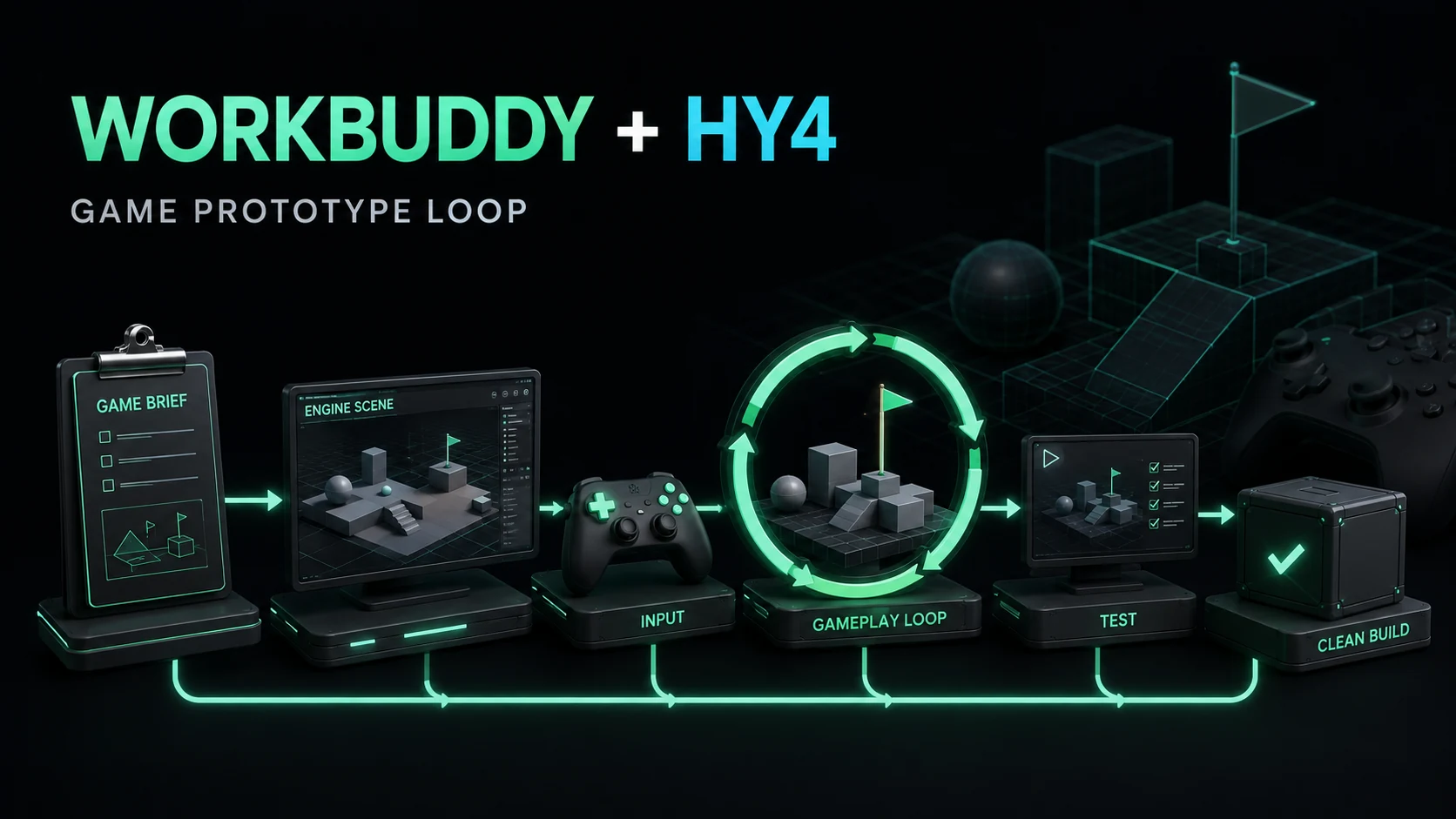
WorkBuddy + Hy4: A Practical Game-Prototyping Workflow
How to evaluate WorkBuddy and Hy4 for game prototypes across engine state, MCP actions, visual quality, testing, and clean hand-off.
How to evaluate WorkBuddy and Hy4 for game prototypes across engine state, MCP actions, visual quality, testing, and clean hand-off.
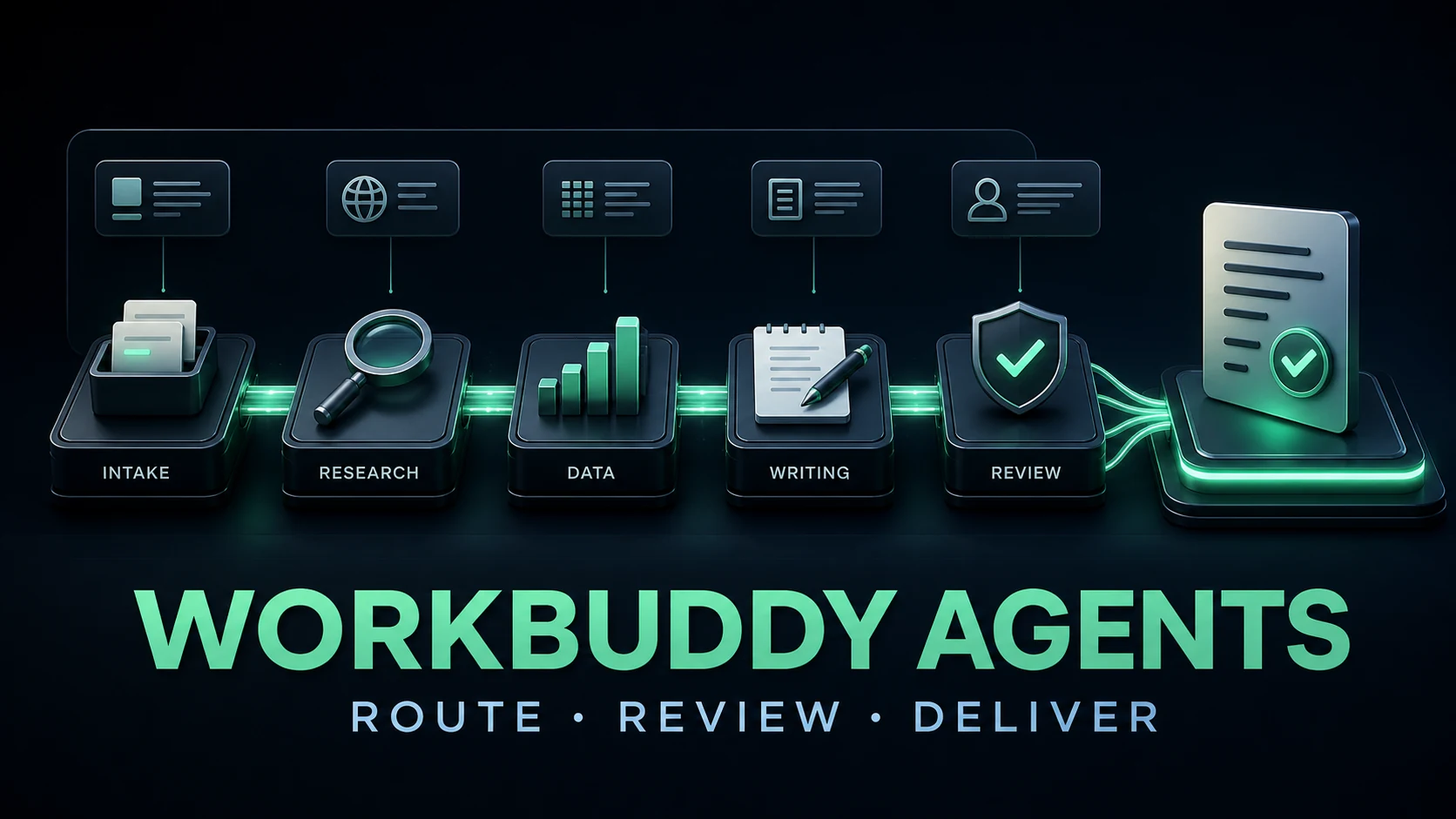
A practical architecture for using WorkBuddy’s specialists and project spaces on multi-step tasks without losing provenance or control.
A practical SandBase pattern for combining X discovery with model and search APIs while preserving evidence, source boundaries, and human approval.
Anthropic uses Claude Tag as a CI/CD first responder. Here is the architecture that separates useful diagnosis from unsafe autonomous remediation.
How Duolingo built a shared agent platform using Temporal workflows, declarative definitions, and multi-runtime support to stop teams from rebuilding infrastructure for every agent project.
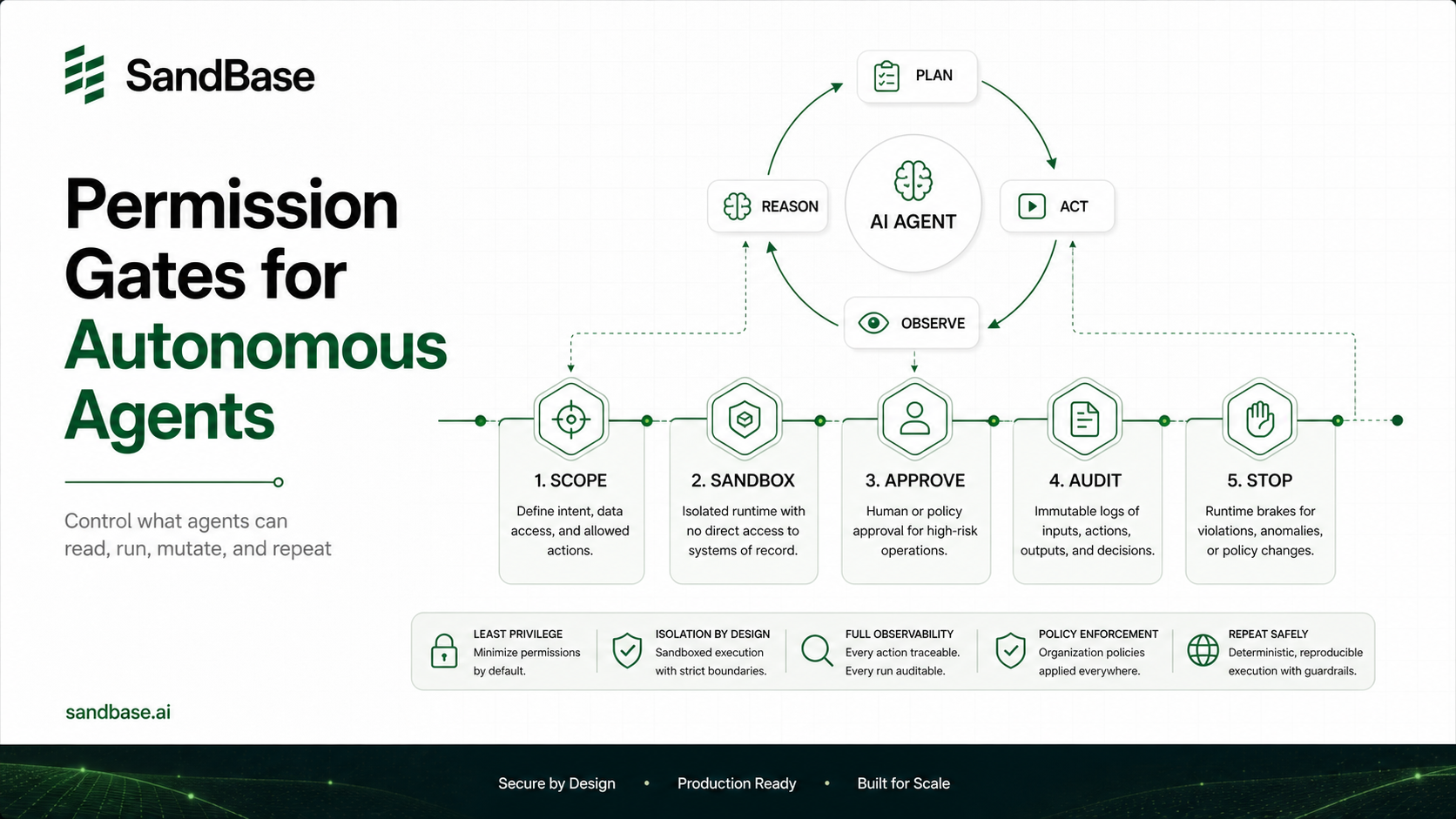
Pre-action authorization checks every AI agent tool call before it runs. Learn how to gate reads, writes, code execution, and loops.
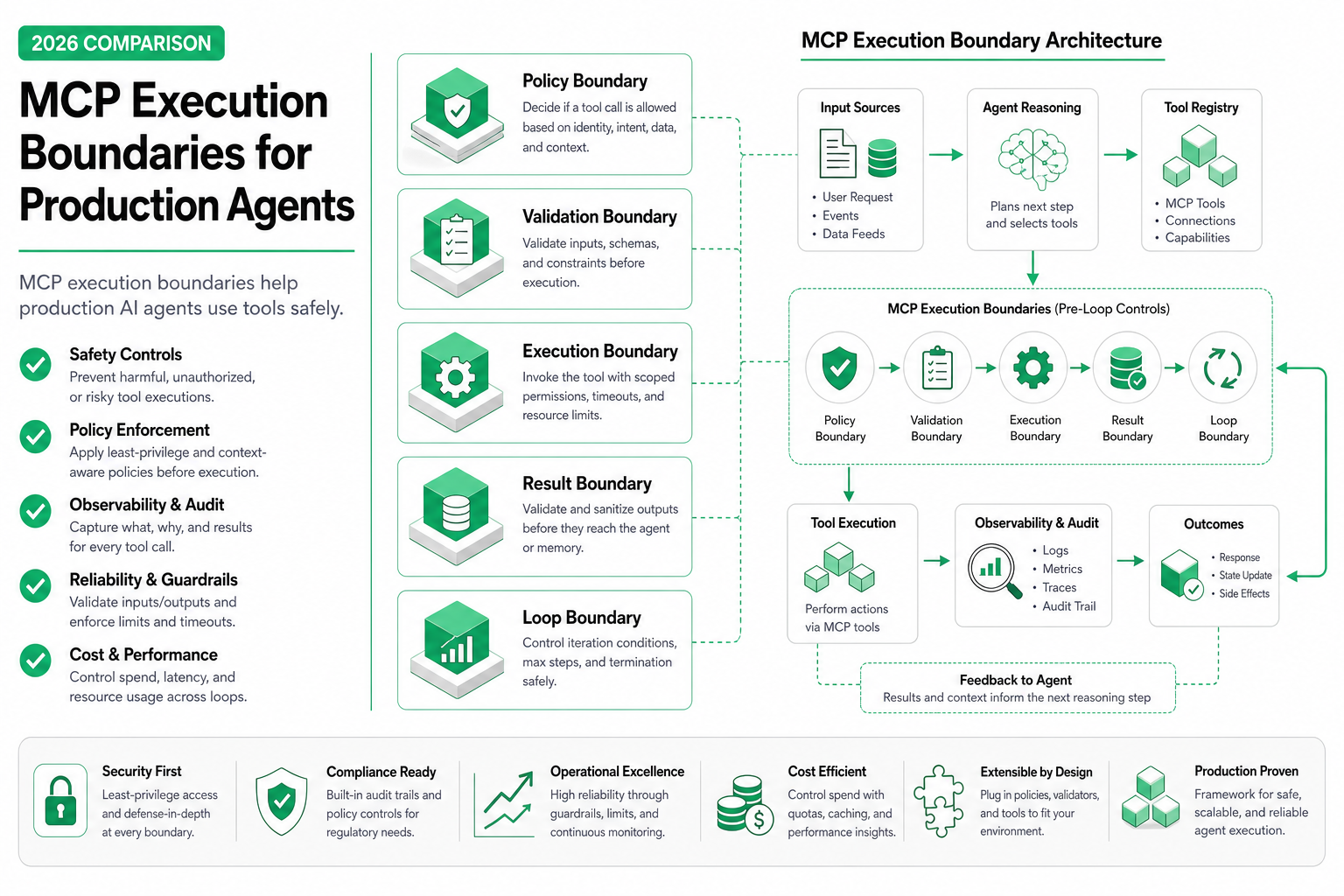
MCP execution boundaries help production AI agents use tools safely. Learn what to control after tools are connected and before loops run.
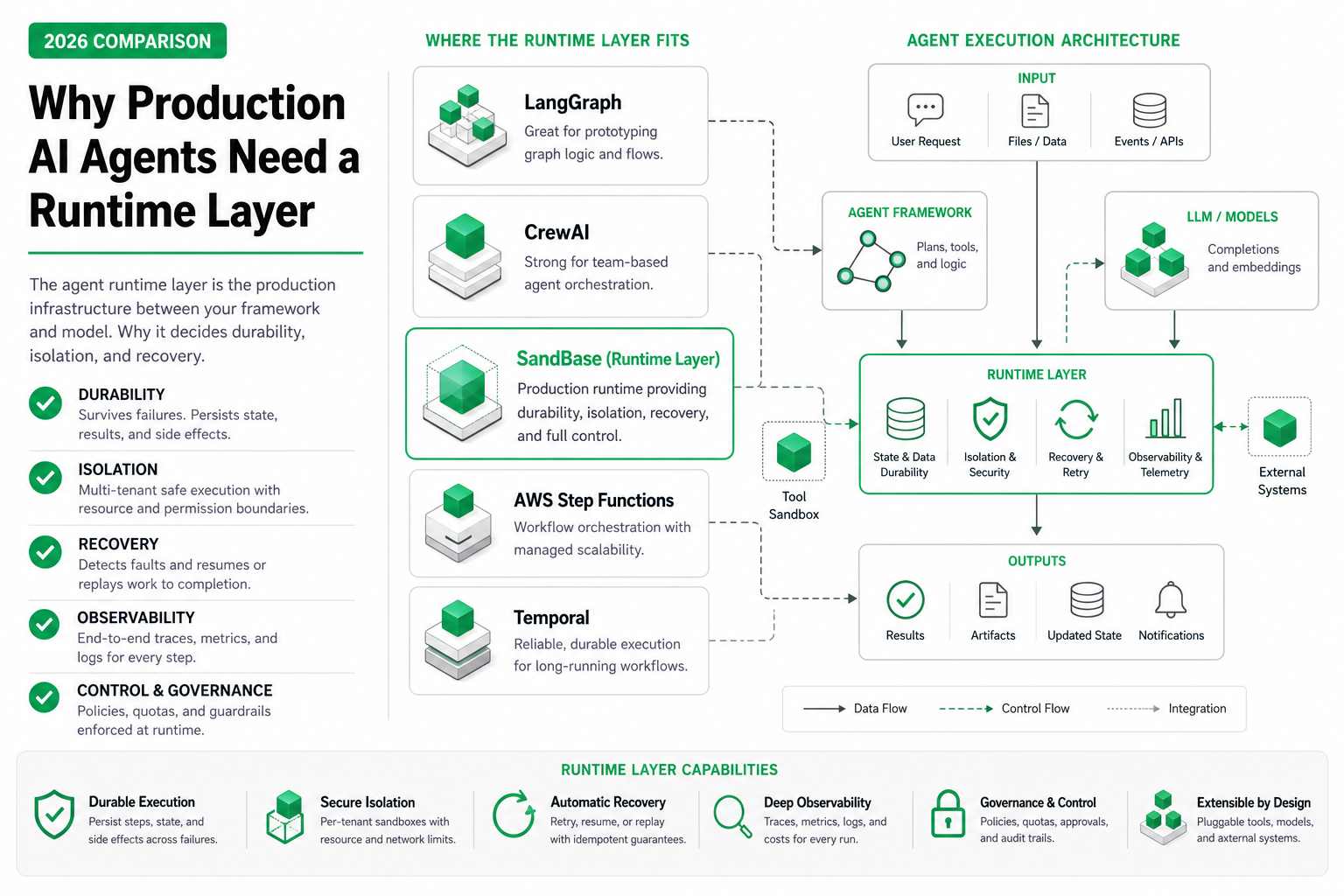
The agent runtime layer is the production infrastructure between your framework and model. Why it decides durability, isolation, and recovery.
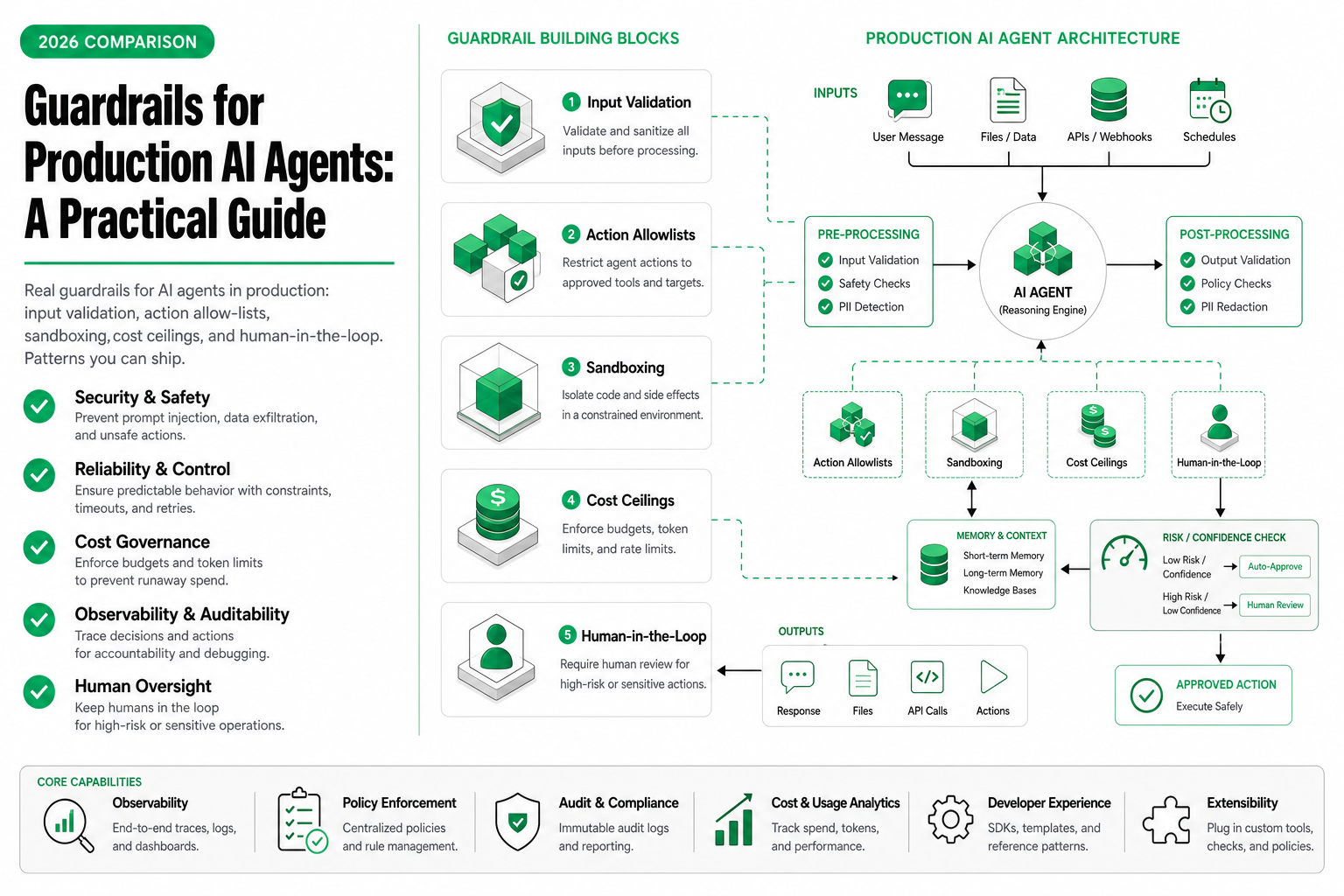
Real guardrails for AI agents in production: input validation, action allow-lists, sandboxing, cost ceilings, and human-in-the-loop. Patterns you can ship.
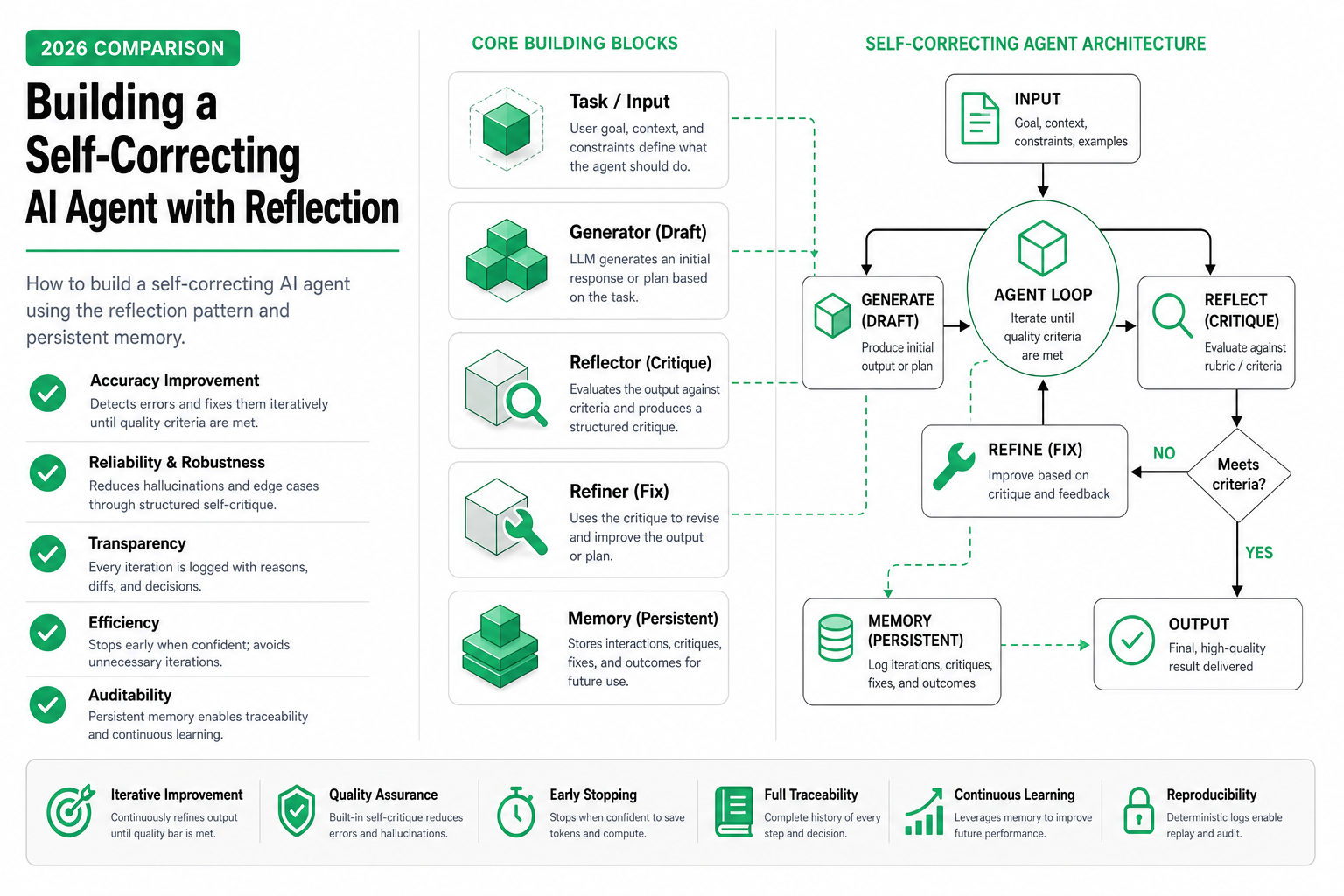
How to build a self-correcting AI agent using the reflection pattern and persistent memory. A runnable Python loop that critiques and fixes its own output.
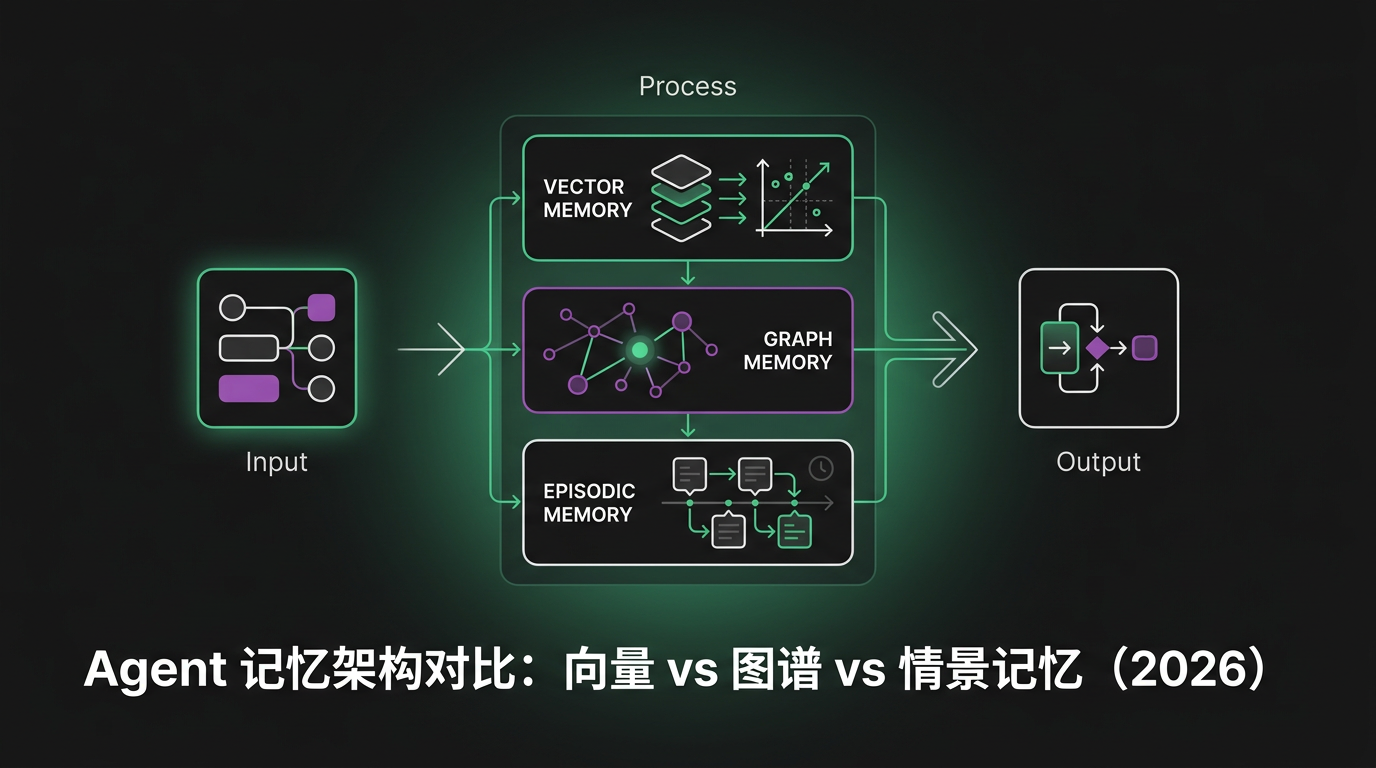
Compare the three agent memory architectures in 2026 — vector recall, knowledge graphs, and episodic buffers — with real latency numbers, failure modes, and a decision guide.
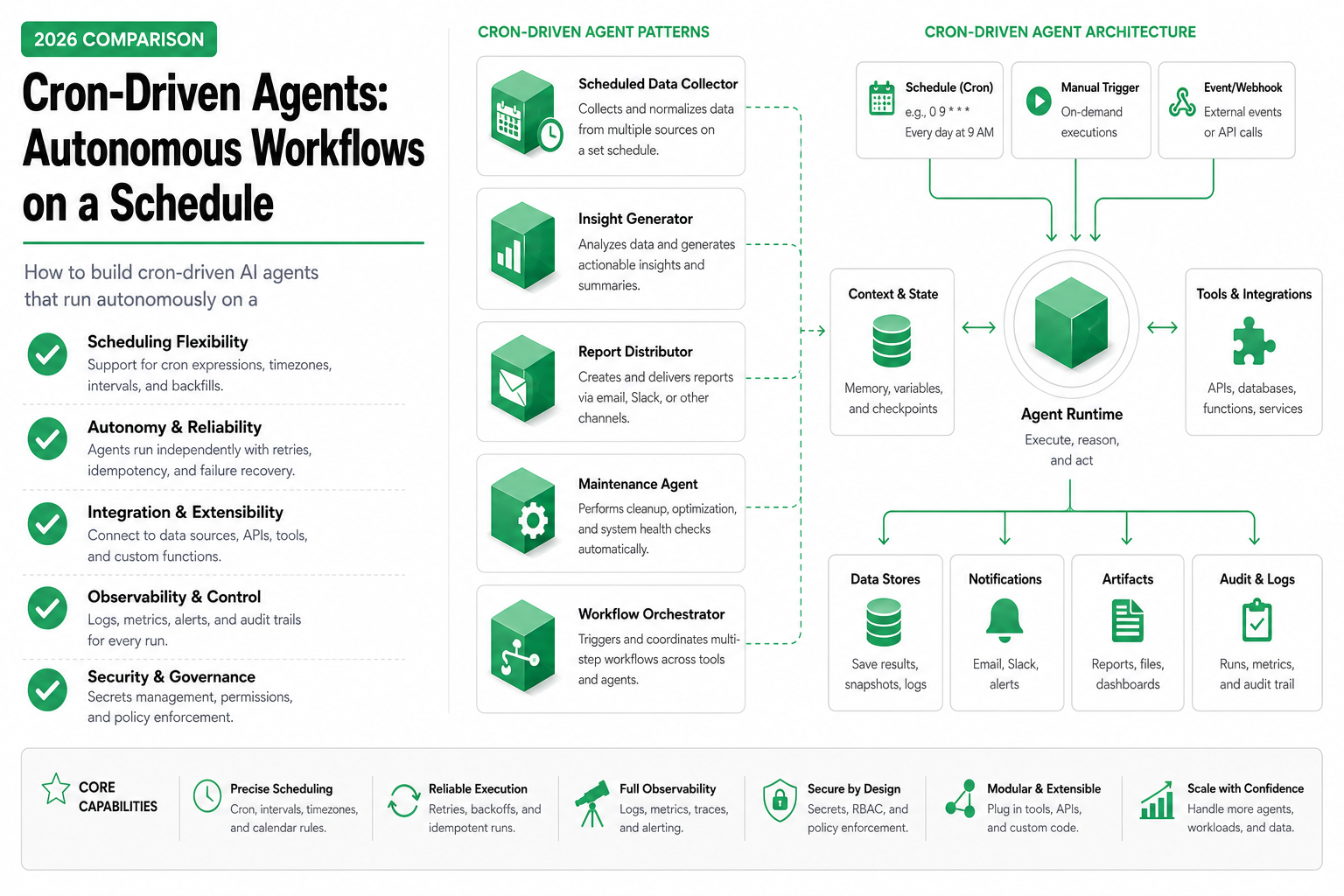
How to build cron-driven AI agents that run autonomously on a schedule. Full Python code, cost analysis, retry logic, and production monitoring patterns.
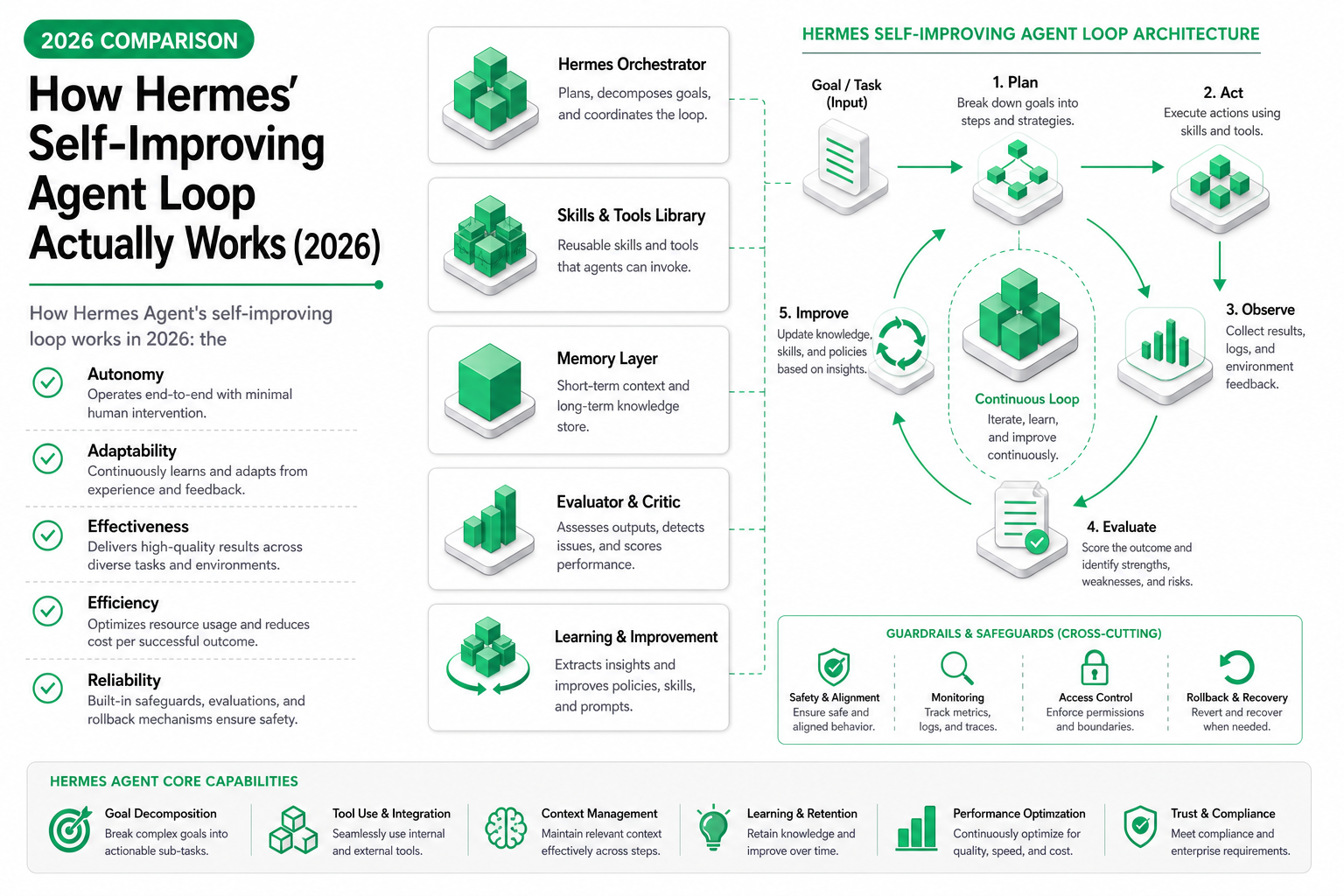
How Hermes Agent self-improving loop works: architecture teardown, memory systems, evaluation cycles, and real-world performance data from production.
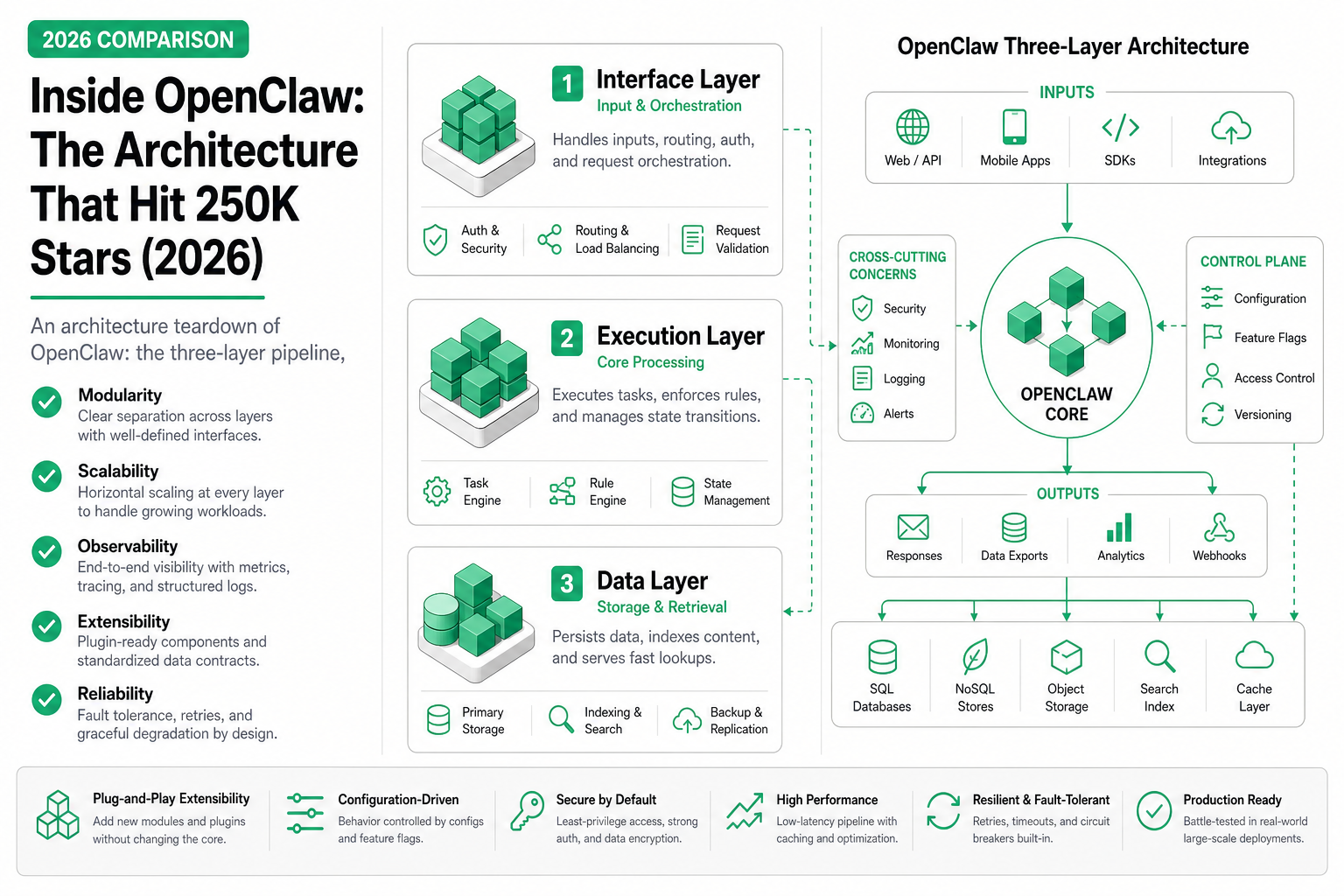
Architecture teardown of OpenClaw: three-layer pipeline, code execution sandbox, memory system, and how it achieves top SWE-bench scores with diagrams.
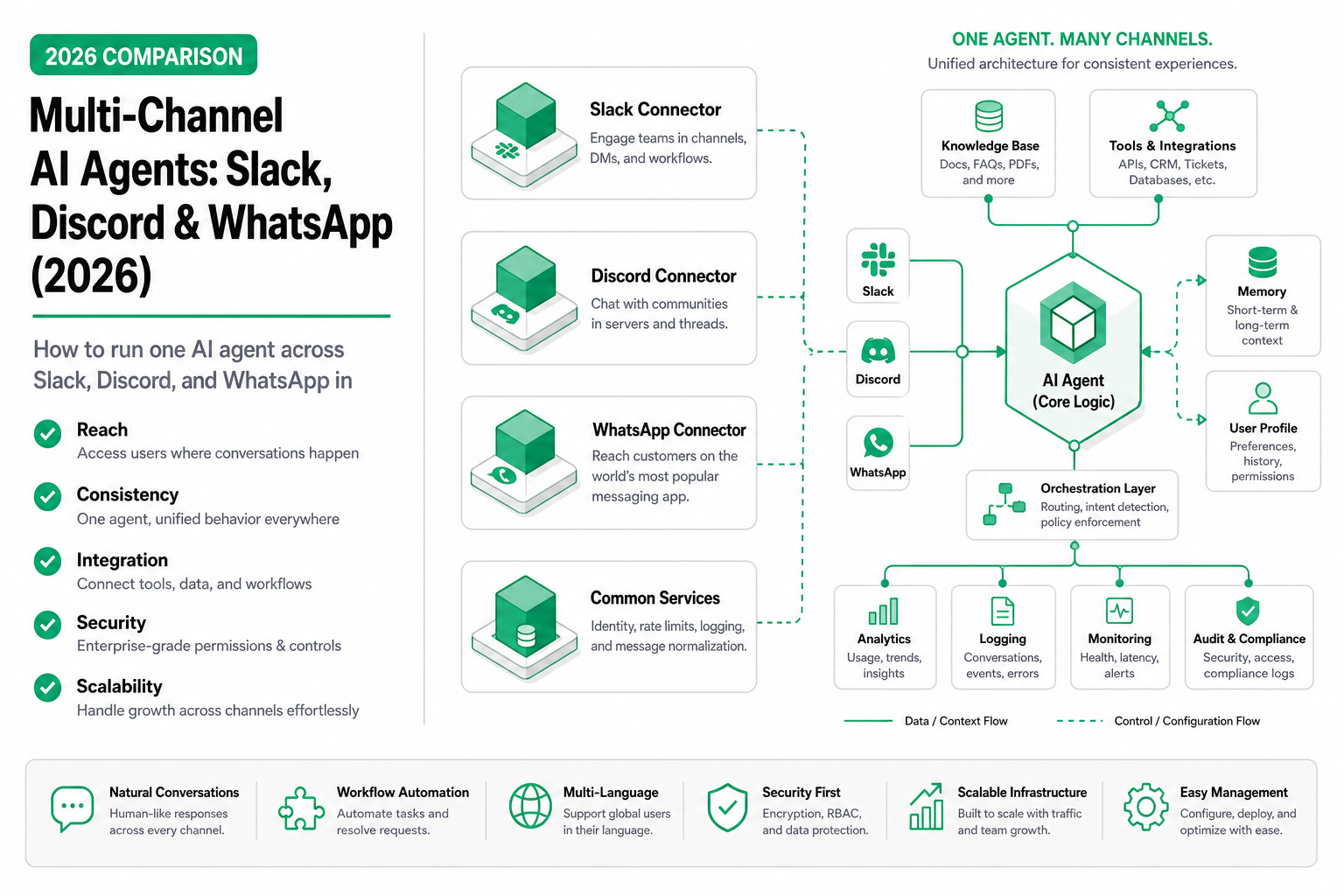
How to run one AI agent across Slack, Discord, and WhatsApp. Unified message handling, platform adapters, auth patterns, and deployment architecture.