How Duolingo Built Their Production Agent Platform
How Duolingo built a shared agent platform using Temporal workflows, declarative definitions, and multi-runtime support to stop teams from rebuilding infrastructure for every agent project.
How Duolingo built a shared agent platform using Temporal workflows, declarative definitions, and multi-runtime support to stop teams from rebuilding infrastructure for every agent project.
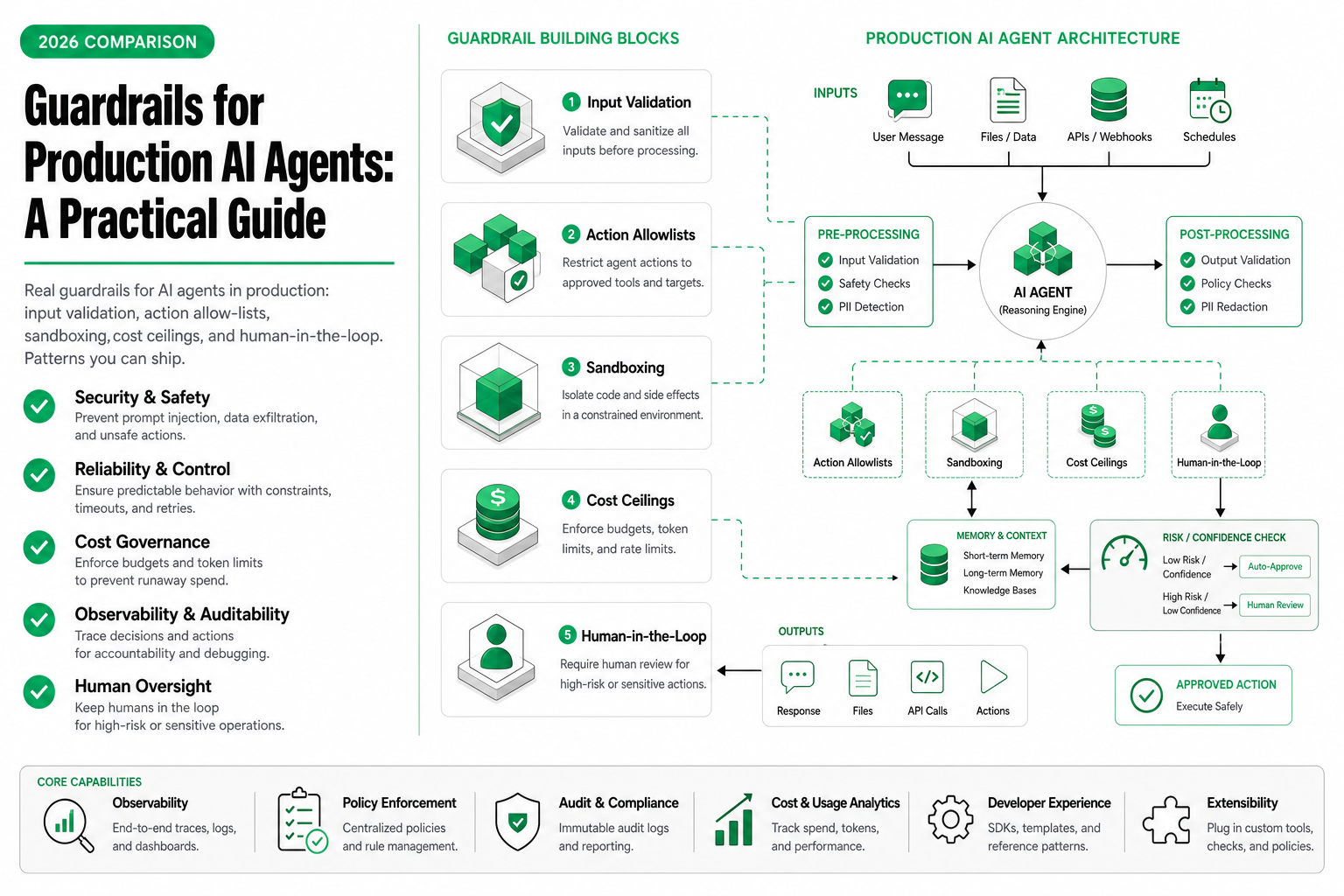
Real guardrails for AI agents in production: input validation, action allow-lists, sandboxing, cost ceilings, and human-in-the-loop. Patterns you can ship.
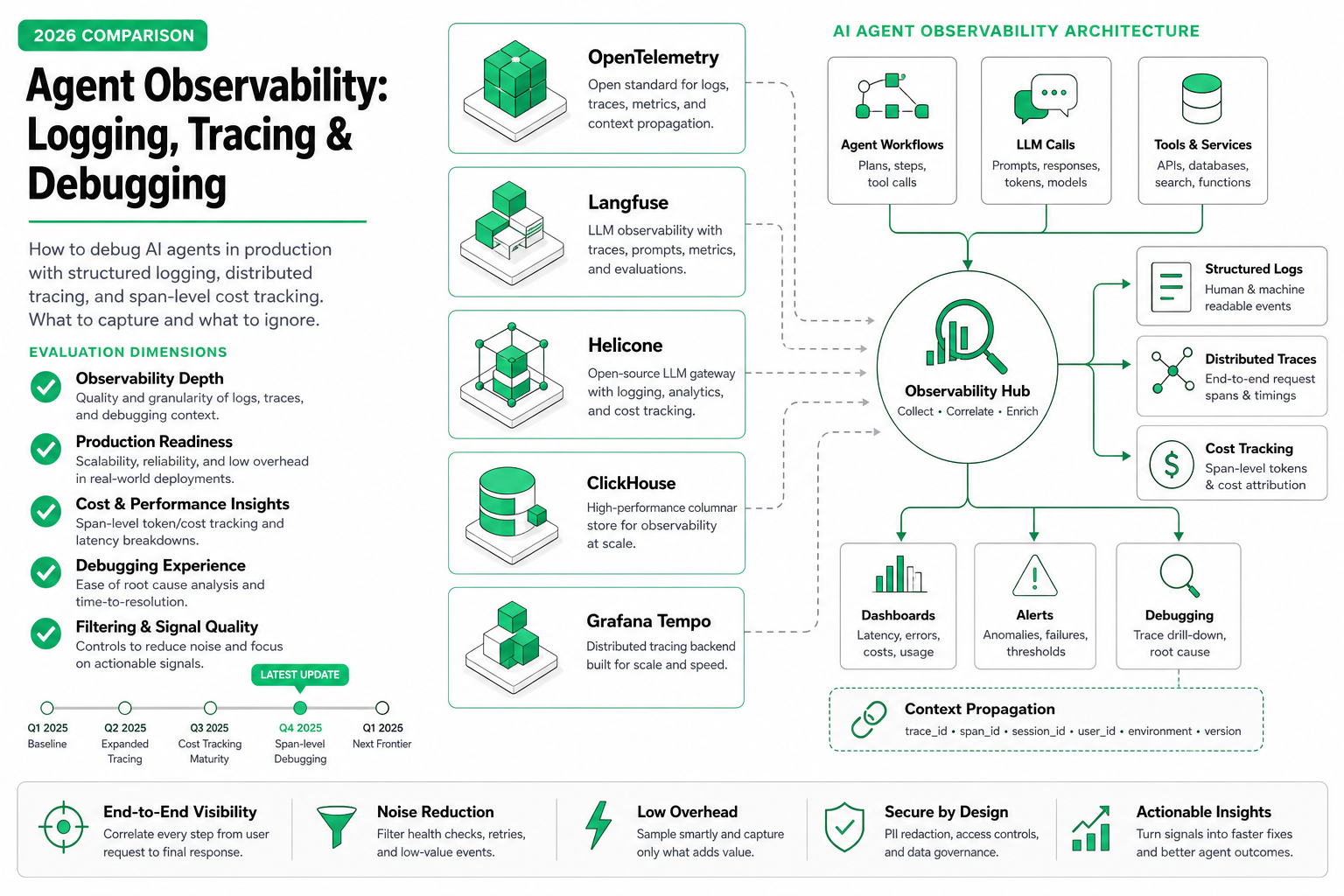
AI agent observability guide: instrument structured logs, distributed traces, tool spans, token cost, and replay data to debug production agents.
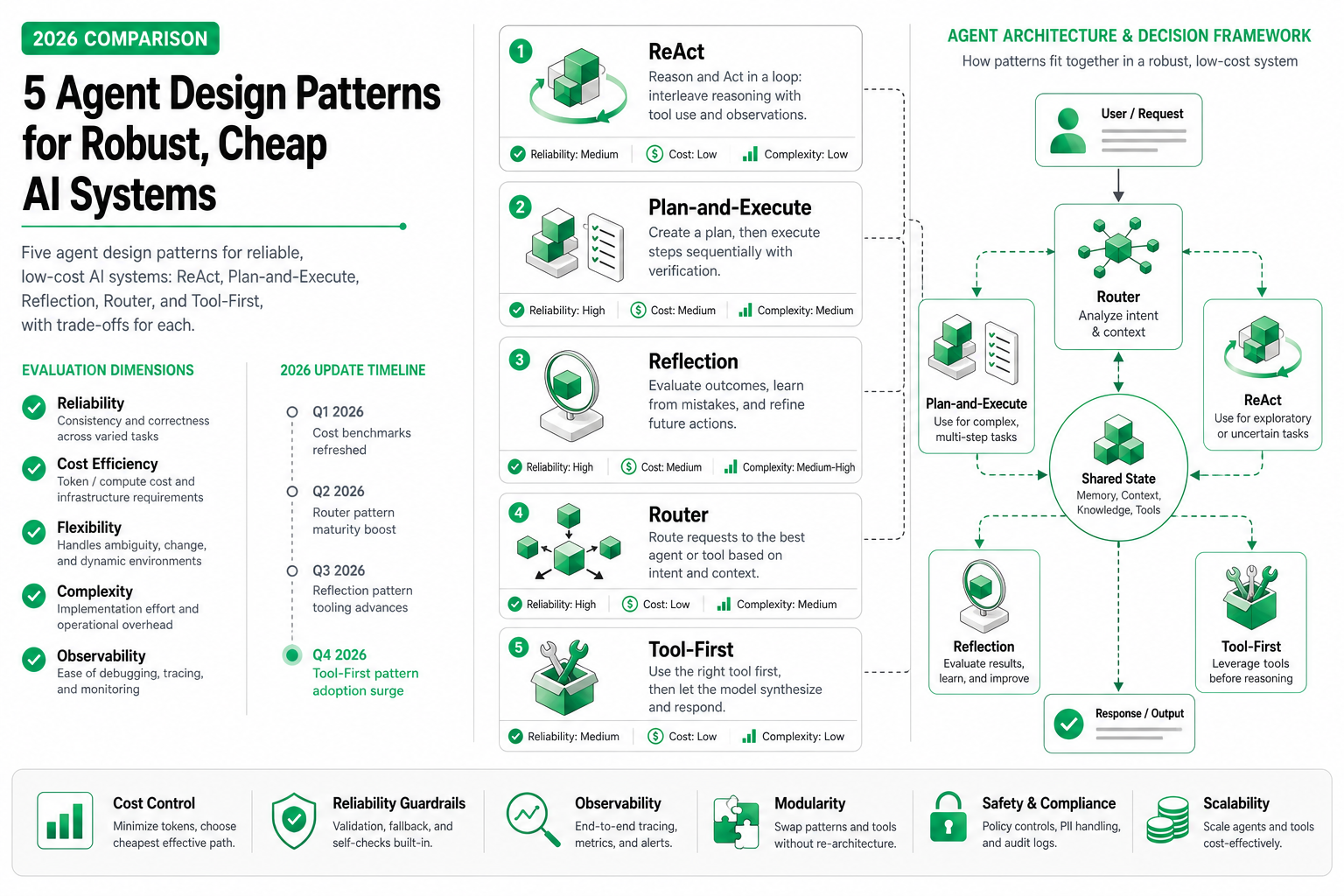
Five agent design patterns for reliable, low-cost AI systems: ReAct, Plan-and-Execute, Reflection, Router, and Tool-First, with trade-offs for each.
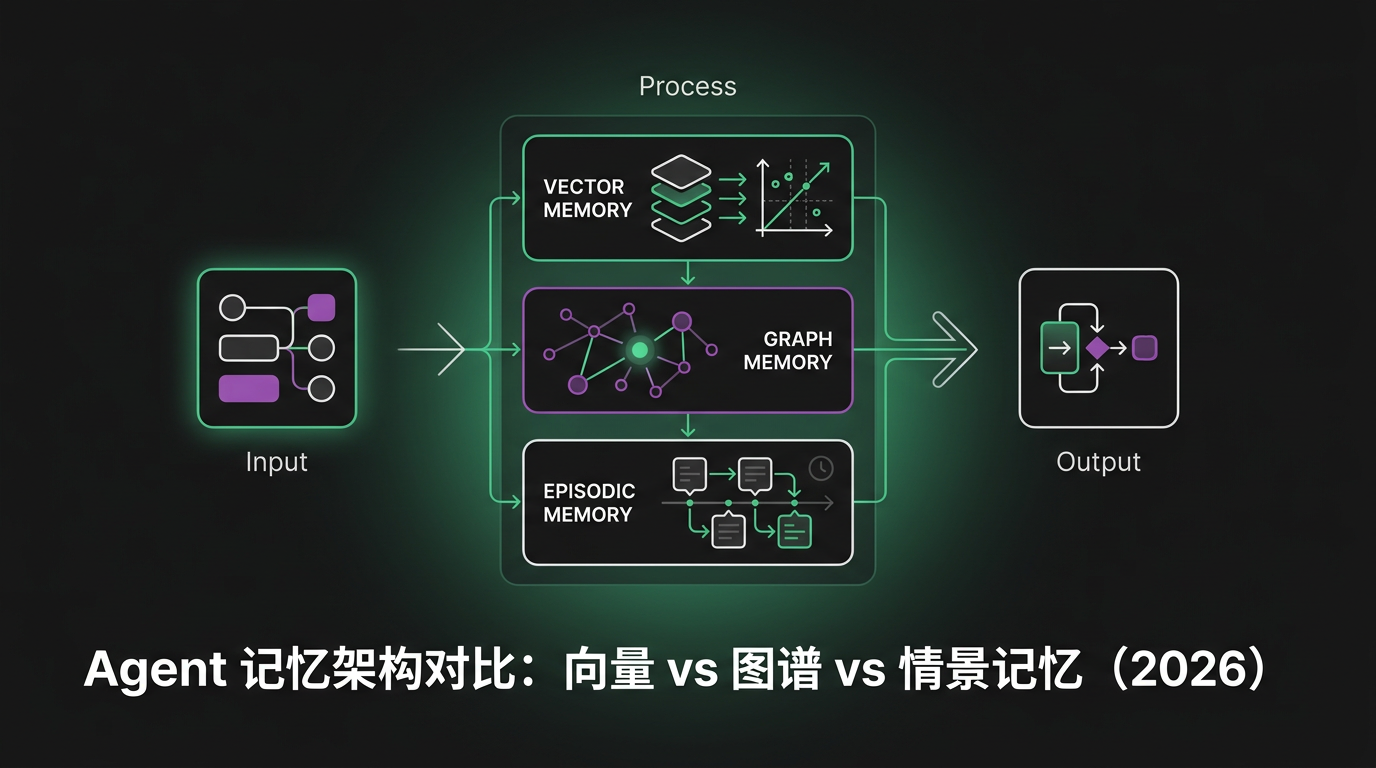
Compare the three agent memory architectures in 2026 — vector recall, knowledge graphs, and episodic buffers — with real latency numbers, failure modes, and a decision guide.