Claude Fable 5.1 Released: Revisiting the EAP Rumors
Claude Fable 5.1 launched on September 1. Revisit the EAP names, Claude Web routing rumors, and evidence that could not establish a model's identity.
Claude Fable 5.1 launched on September 1. Revisit the EAP names, Claude Web routing rumors, and evidence that could not establish a model's identity.
SpaceXAI launches Grok Bot: AI agents with their own cloud computer, logins, and persistent state. Signs into apps like a human. Beta at $120/seat/month.
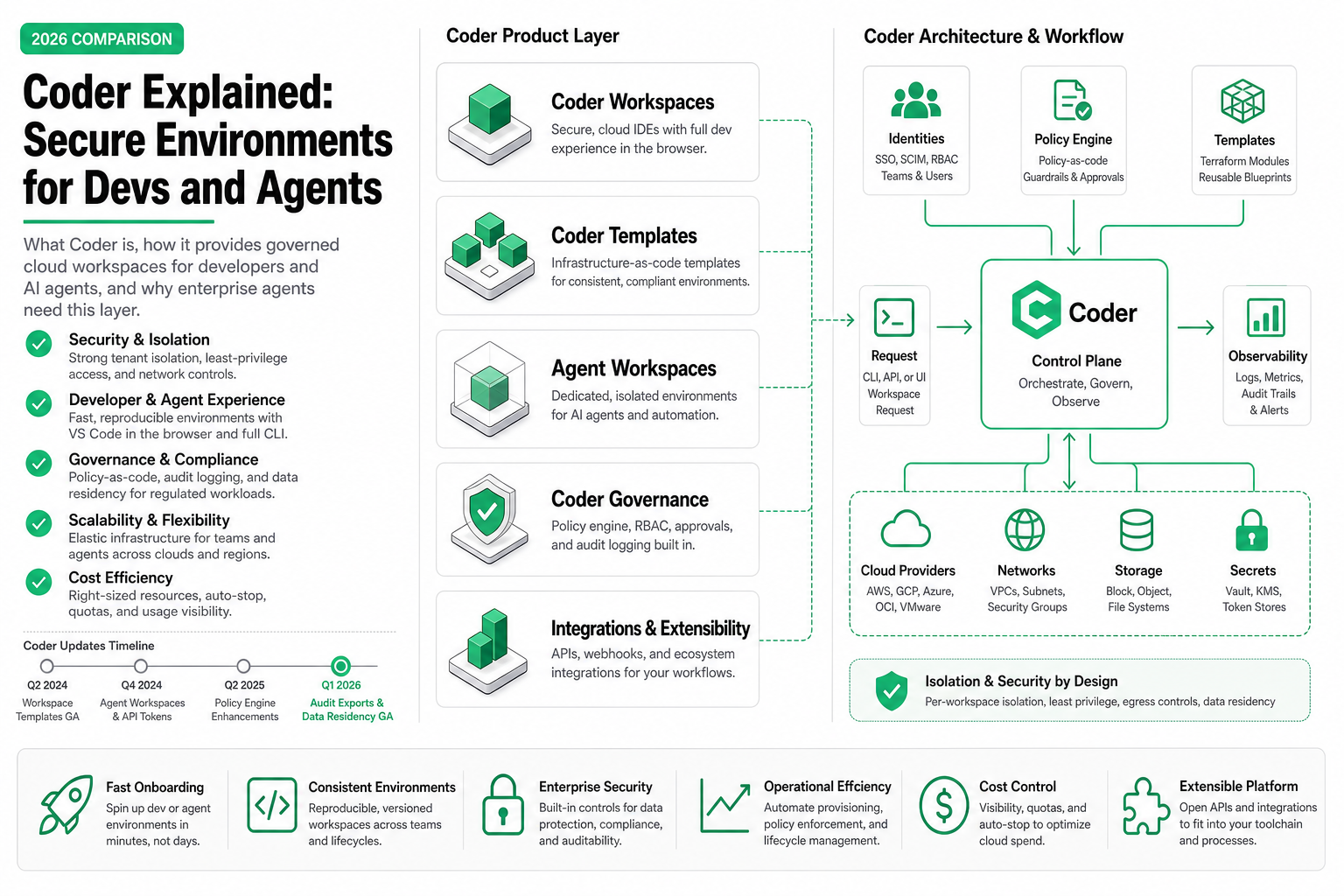
What Coder is, how it provides governed cloud workspaces for developers and AI agents, and why enterprise agents need this layer.
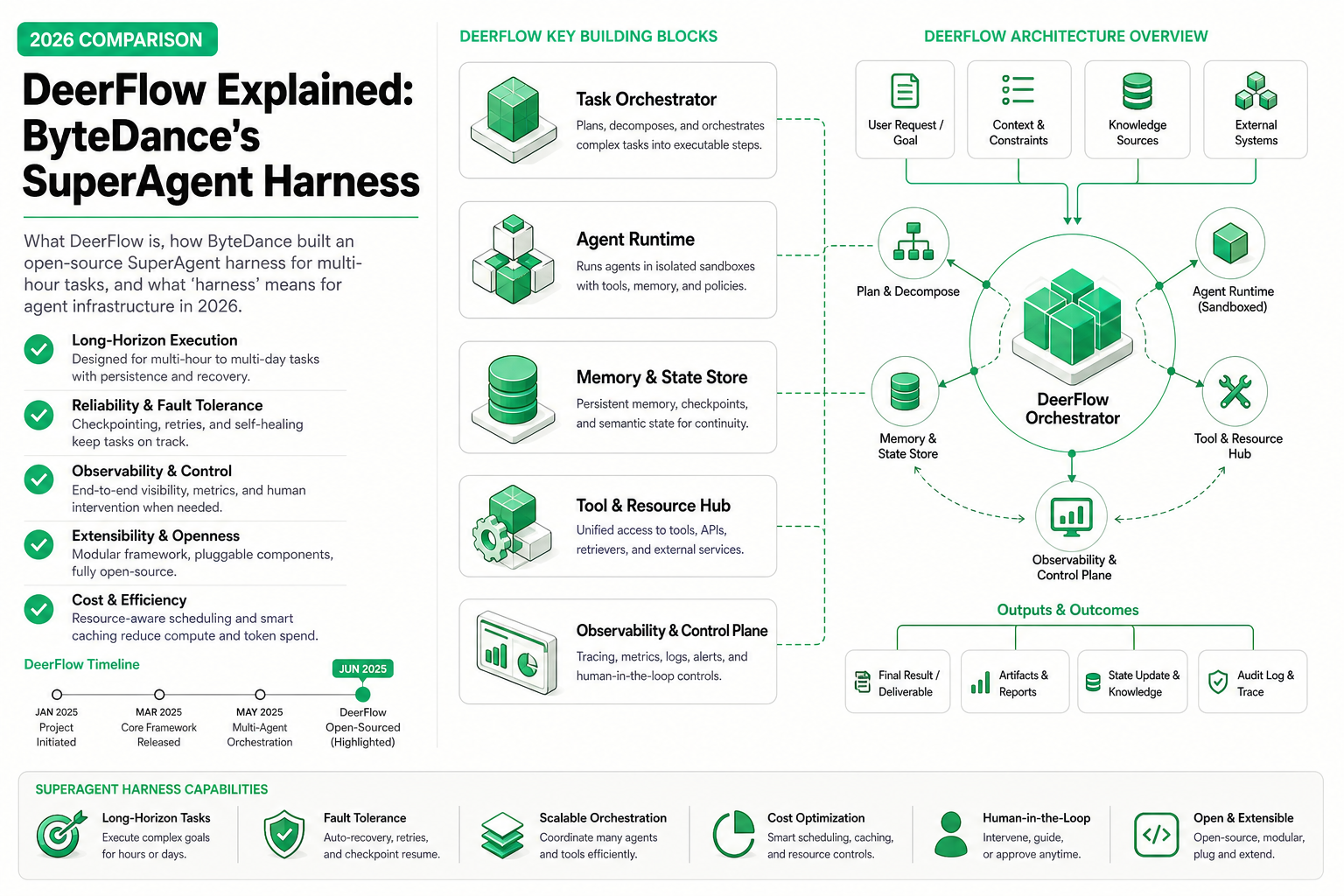
What DeerFlow is, how ByteDance built an open-source SuperAgent harness for multi-hour tasks, and what 'harness' means for agent infrastructure in 2026.
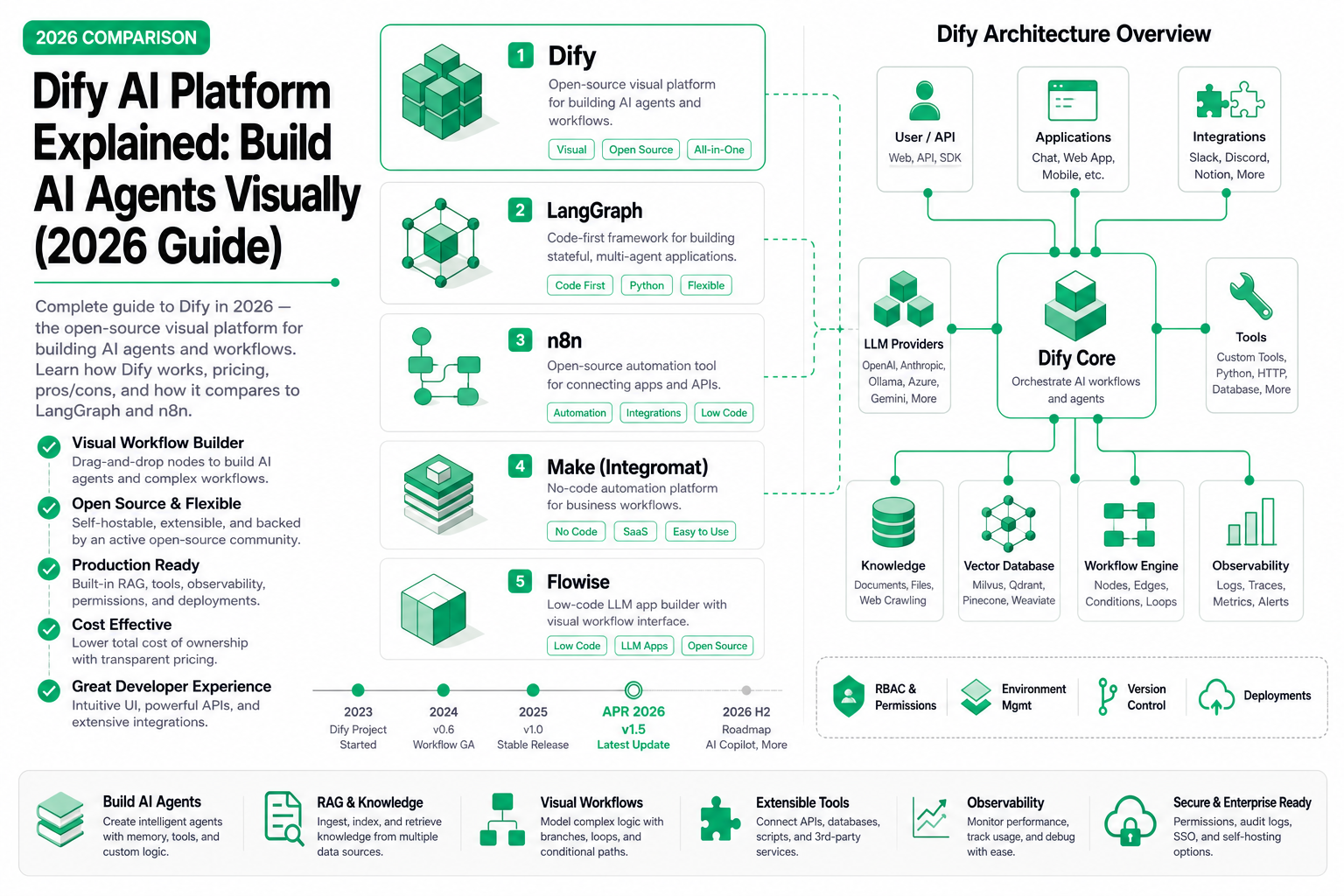
Dify AI explained: pricing, self-hosting, architecture, limits, and comparisons with LangGraph and n8n - plus when to use it in production.
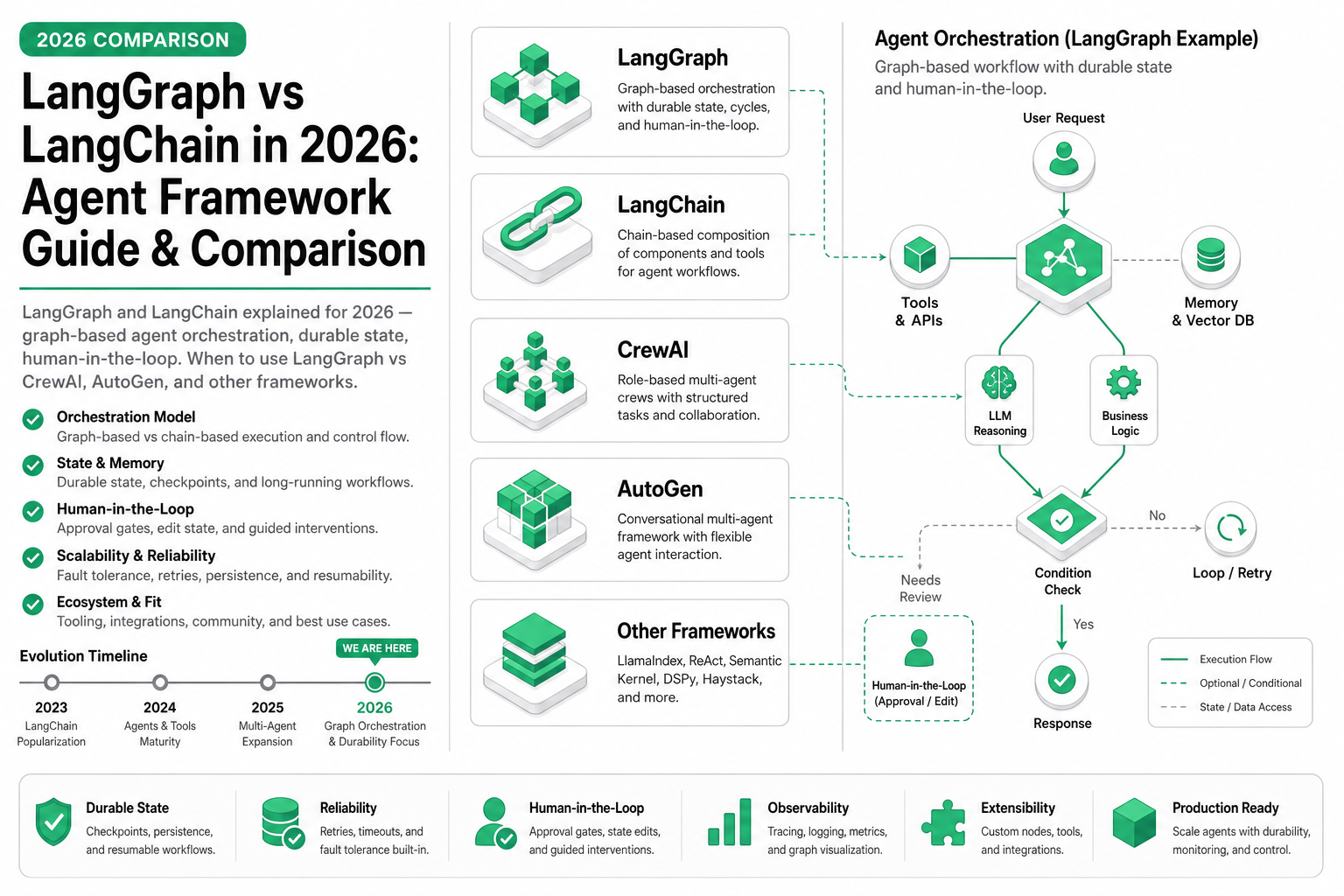
LangChain vs LangGraph compared for agent development in 2026. When to use chains vs graphs, state management, human-in-the-loop, and migration paths.
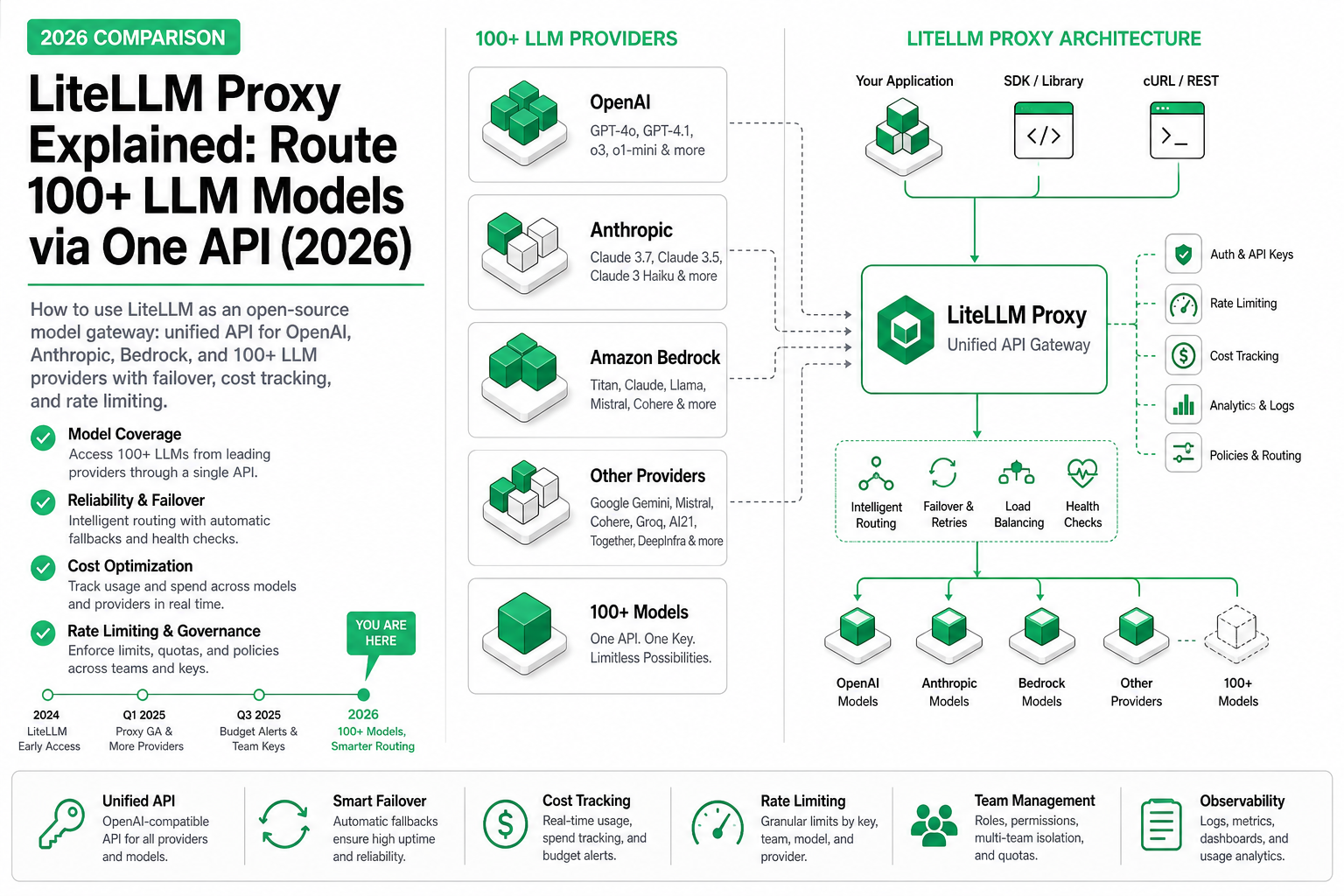
LiteLLM is an open-source LLM proxy that unifies 100+ providers behind one API. Setup guide, failover, cost tracking, and when LiteLLM beats managed alternatives.
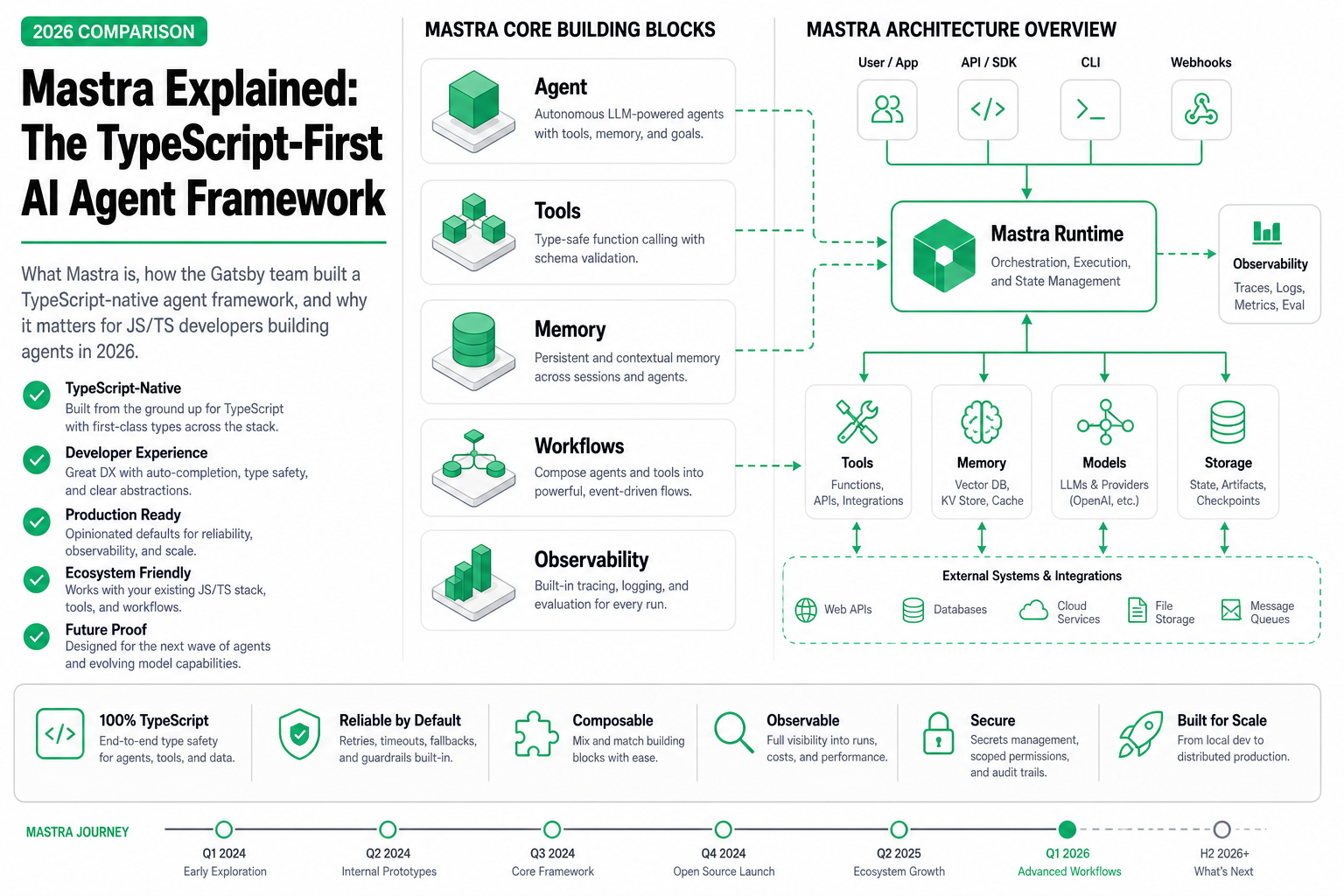
What Mastra is, how the Gatsby team built a TypeScript-native agent framework, and why it matters for JS/TS developers building agents in 2026.
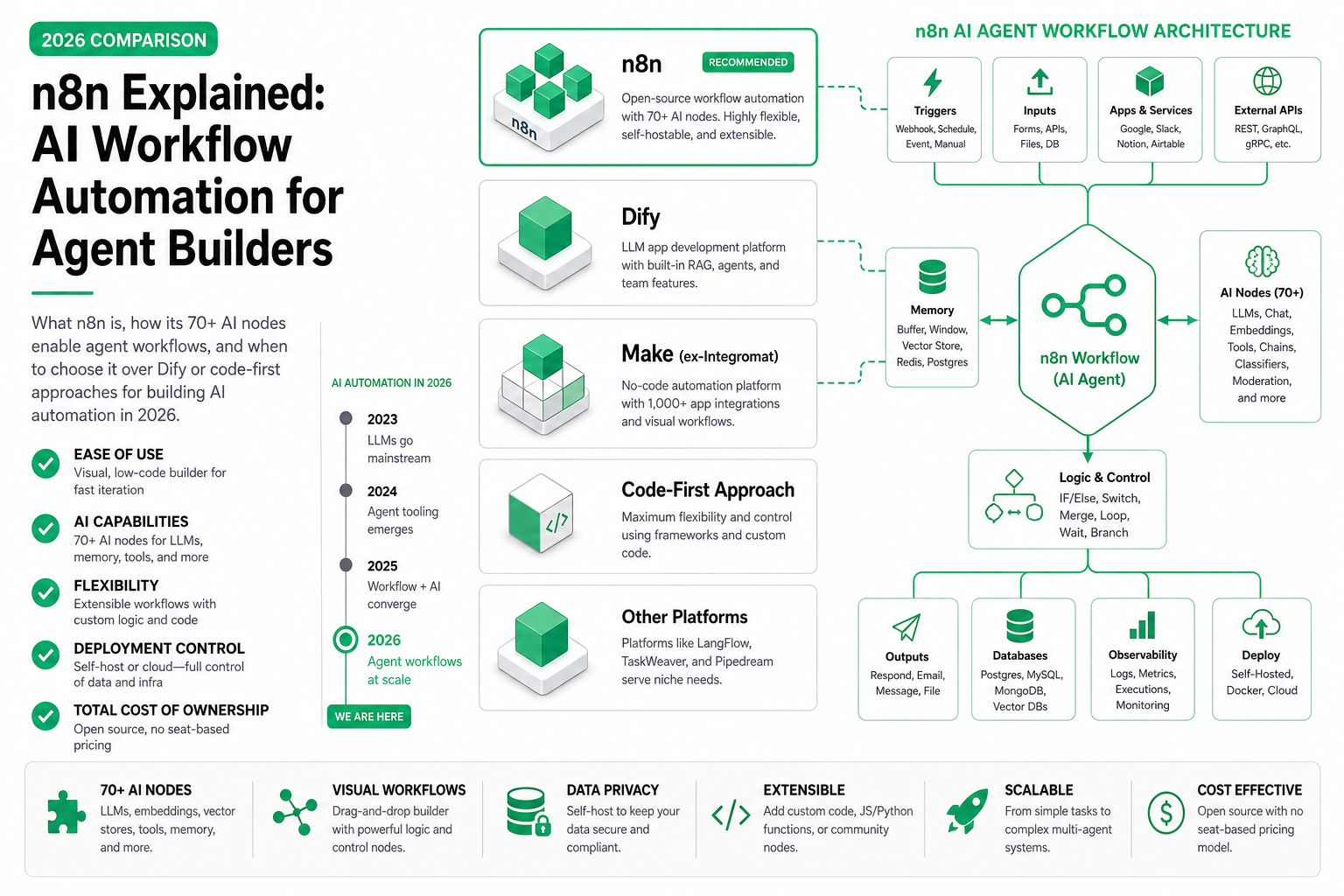
What n8n is, how its 70+ AI nodes enable agent workflows, and when to choose it over Dify or code-first approaches for building AI automation in 2026.
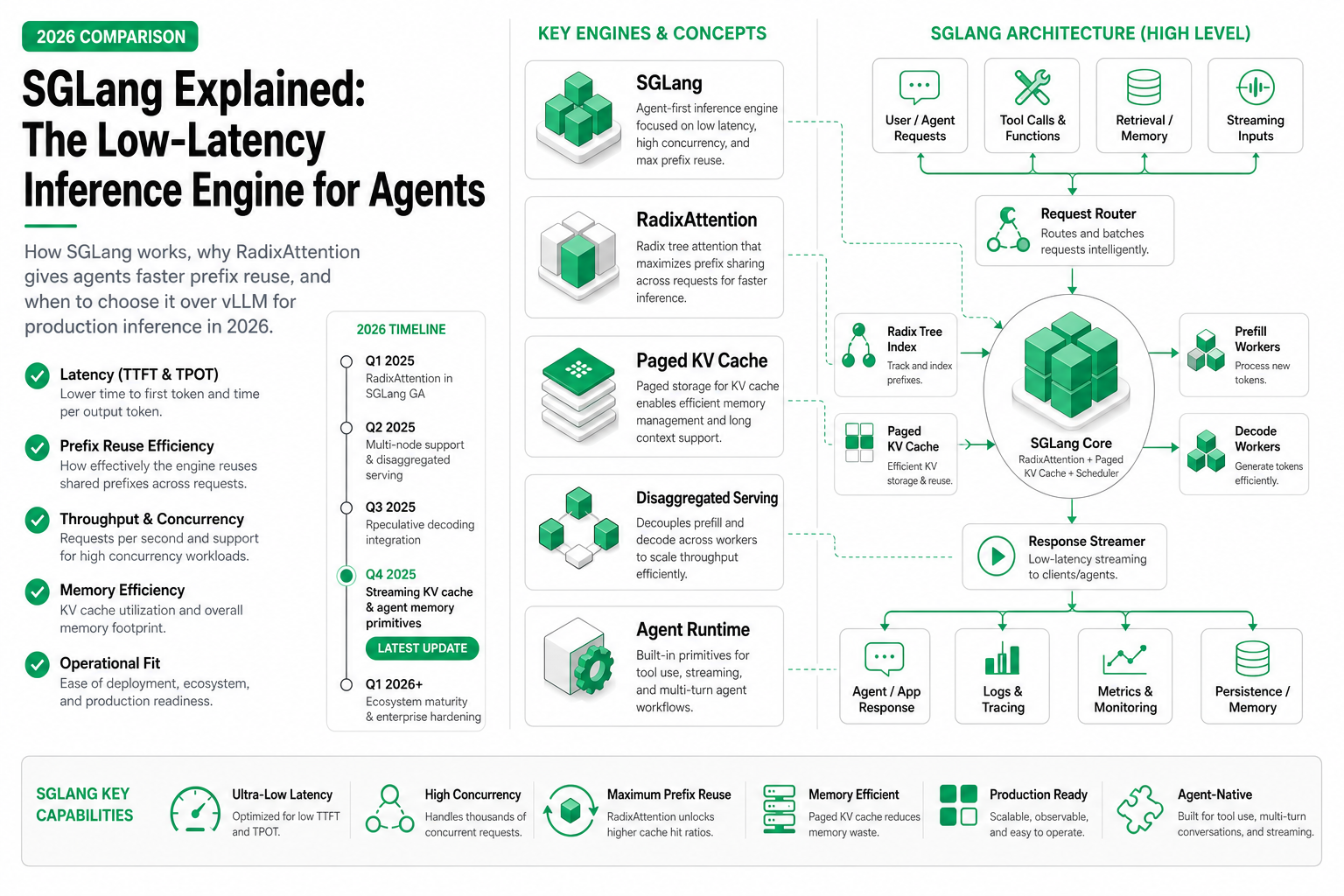
How SGLang works, why RadixAttention gives agents faster prefix reuse, and when to choose it over vLLM for production inference in 2026.
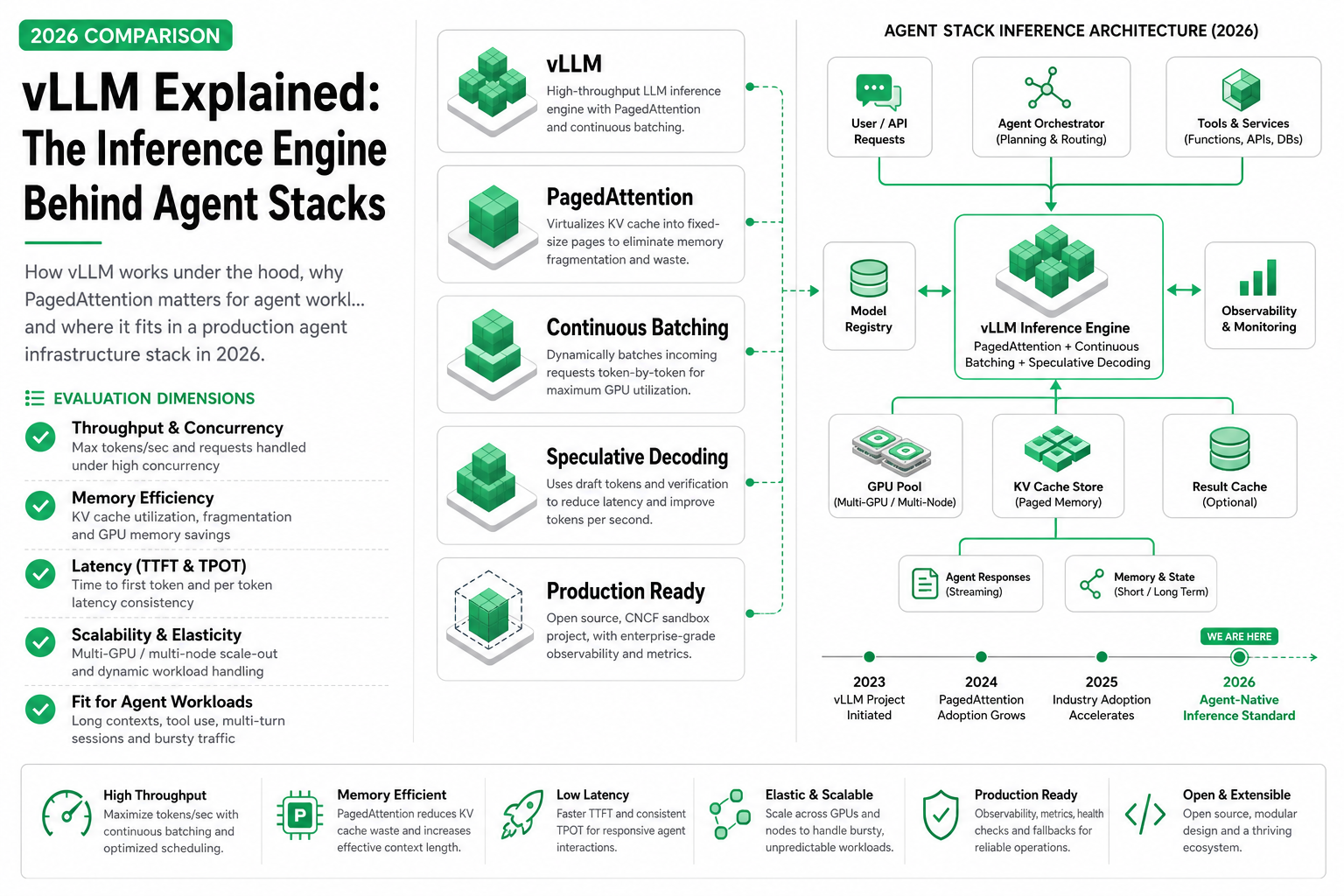
How vLLM works under the hood, why PagedAttention matters for agent workloads, and where it fits in a production agent infrastructure stack in 2026.
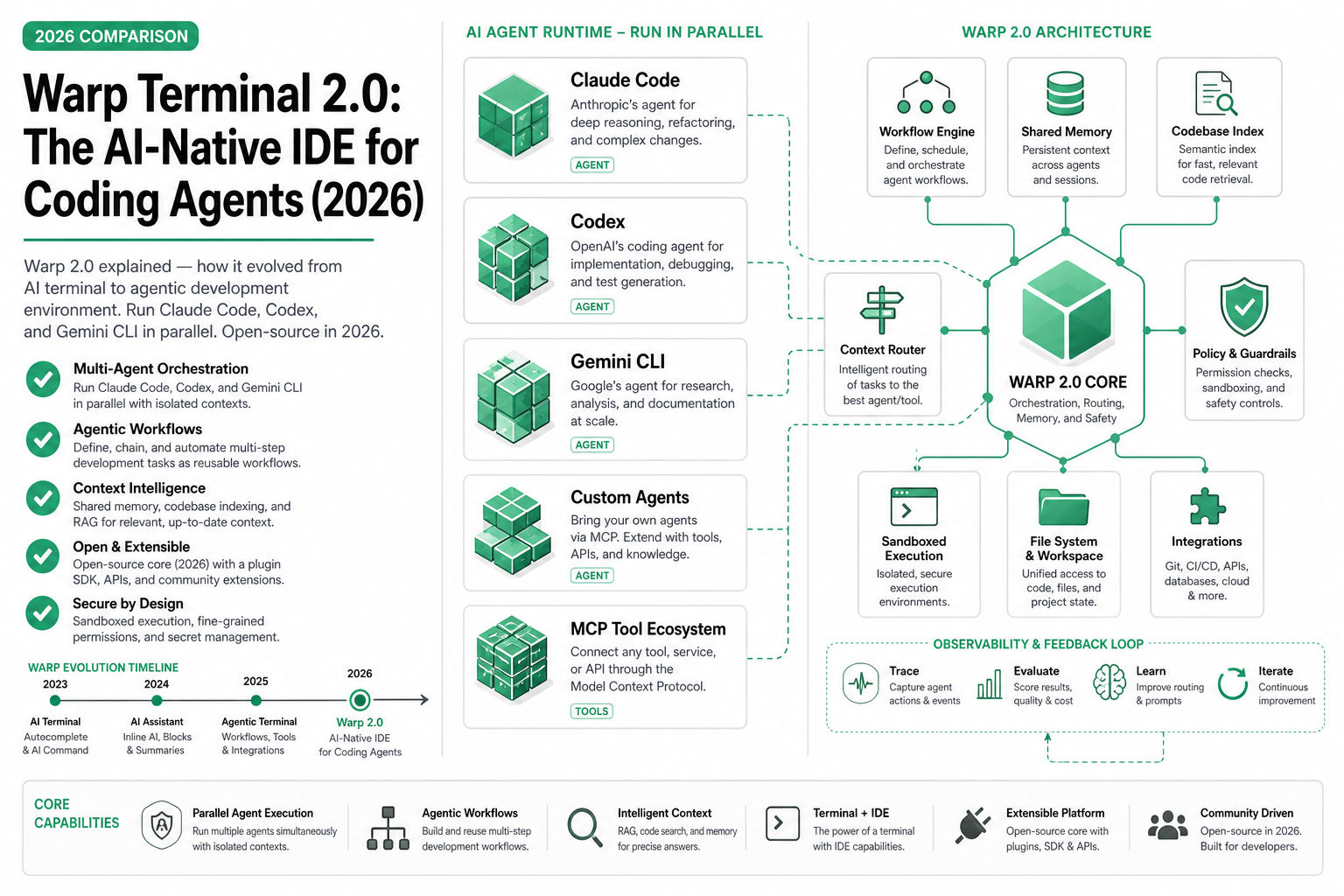
Warp 2.0 explained - how it evolved from AI terminal to agentic development environment. Run Claude Code, Codex, and Gemini CLI in parallel. Open-source in 2026.
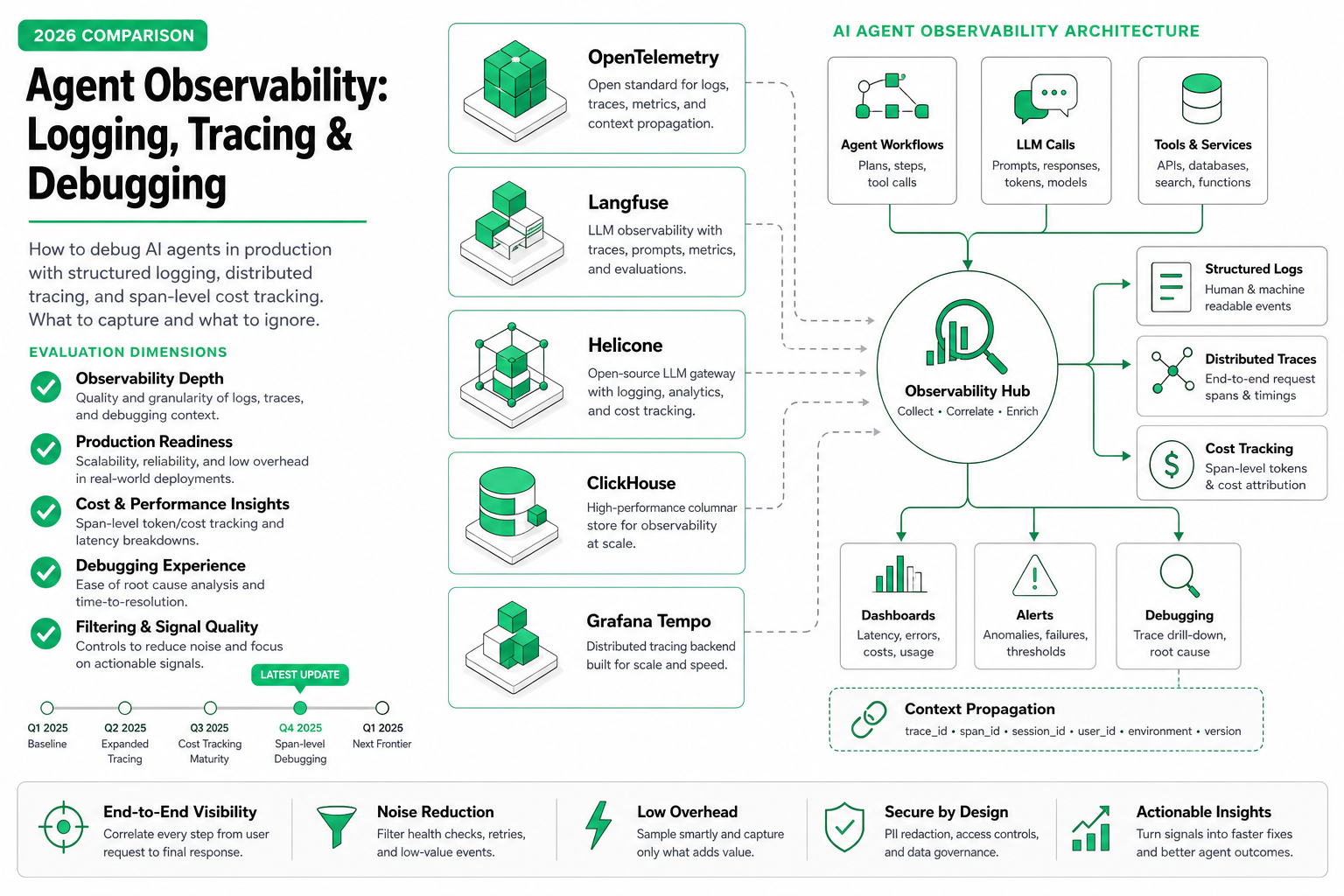
AI agent observability guide: instrument structured logs, distributed traces, tool spans, token cost, and replay data to debug production agents.
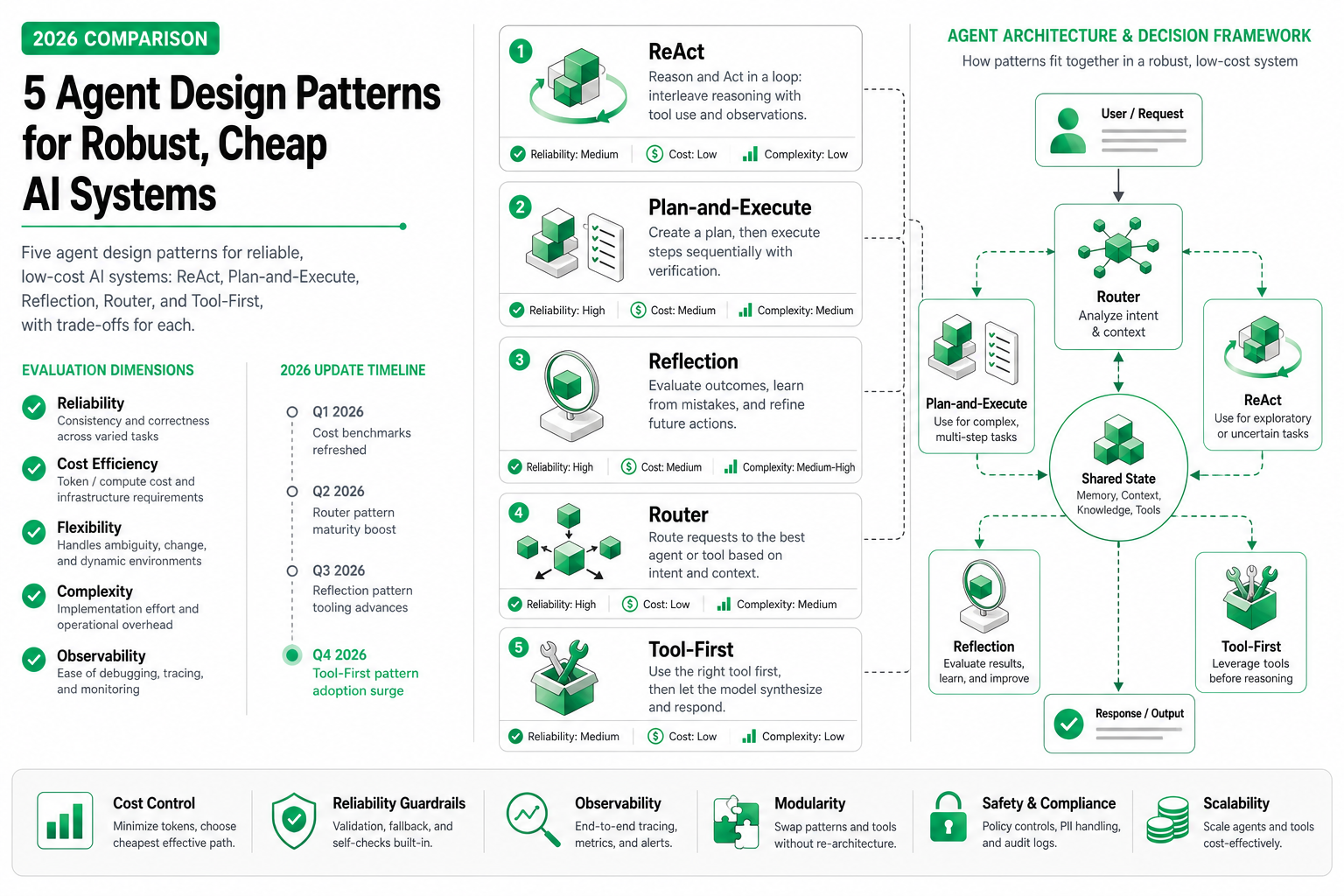
Five agent design patterns for reliable, low-cost AI systems: ReAct, Plan-and-Execute, Reflection, Router, and Tool-First, with trade-offs for each.
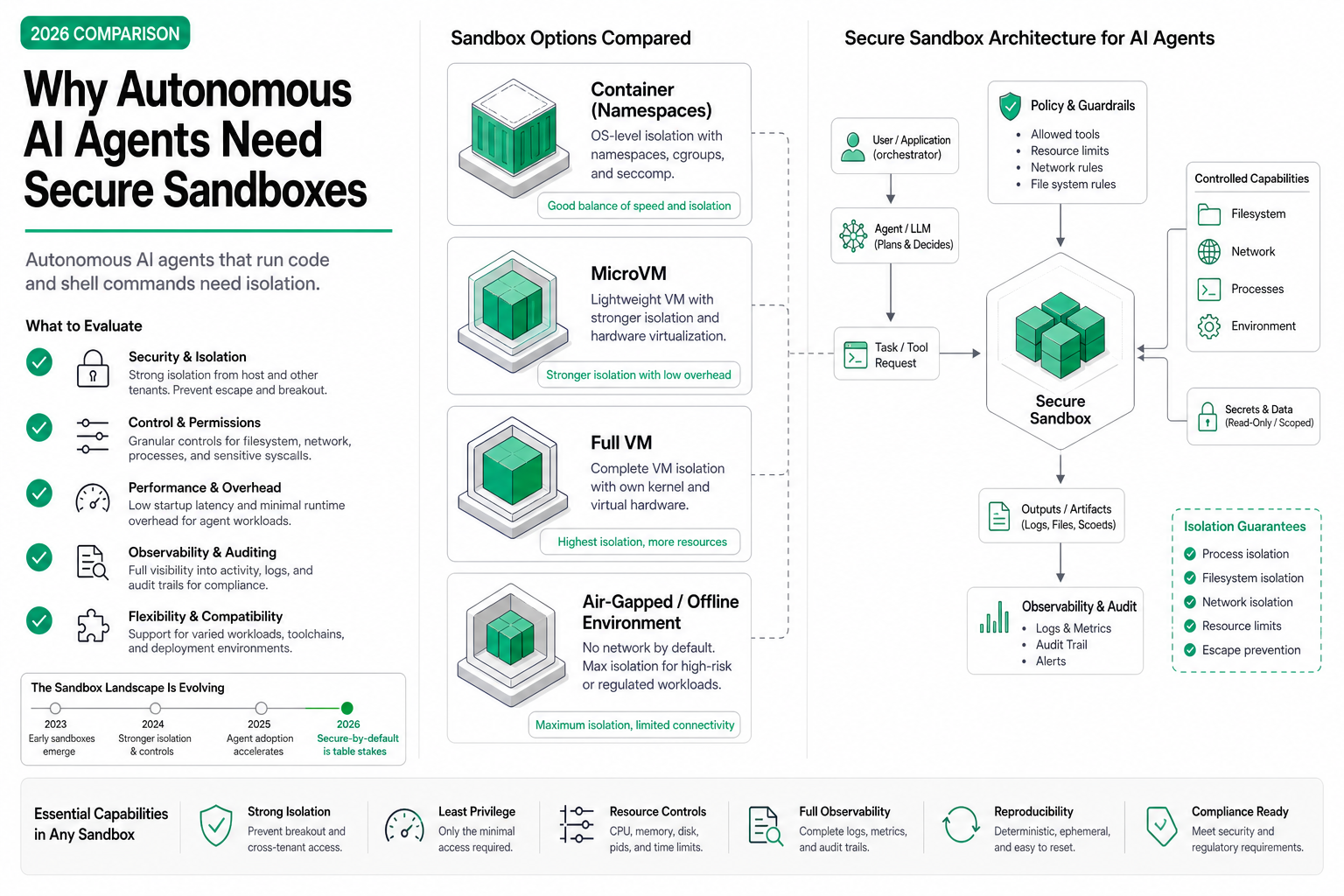
Autonomous AI agents that run code and shell commands need isolation. Why sandboxes are non-negotiable in production, the isolation levels, and how to choose.
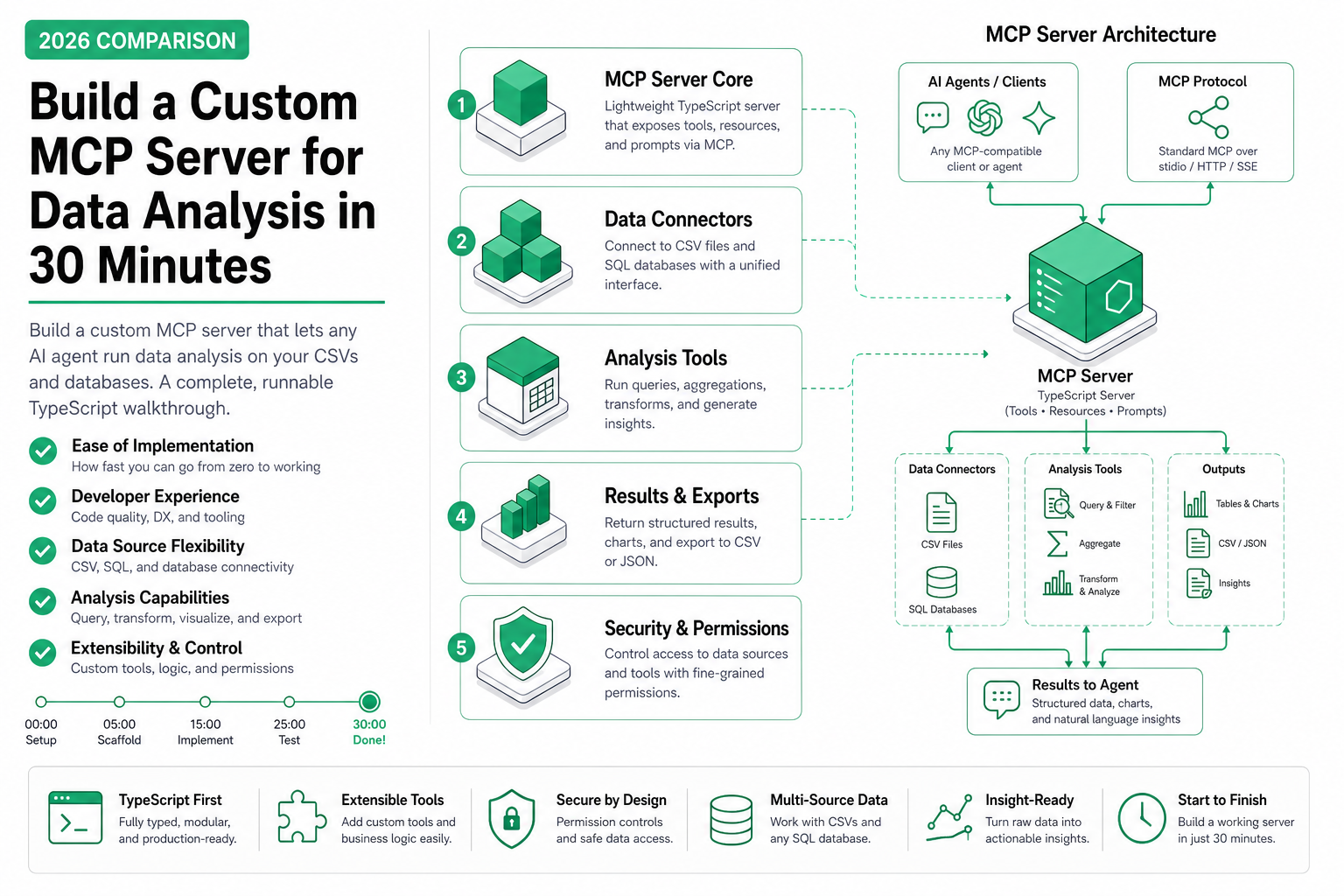
Build a custom MCP server that lets any AI agent run data analysis on your CSVs and databases. A complete, runnable TypeScript walkthrough.
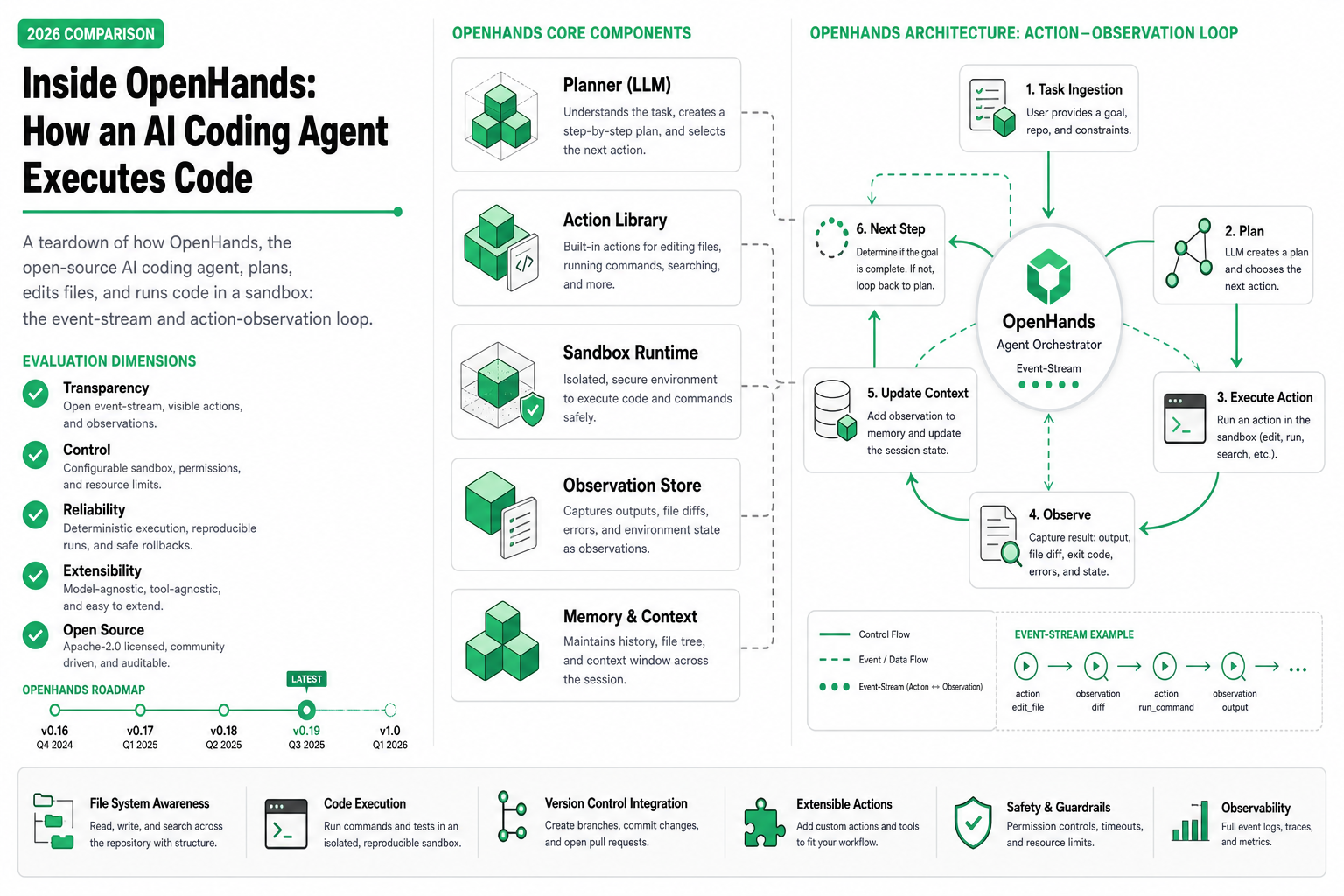
A teardown of how OpenHands, the open-source AI coding agent, plans, edits files, and runs code in a sandbox: the event-stream and action-observation loop.
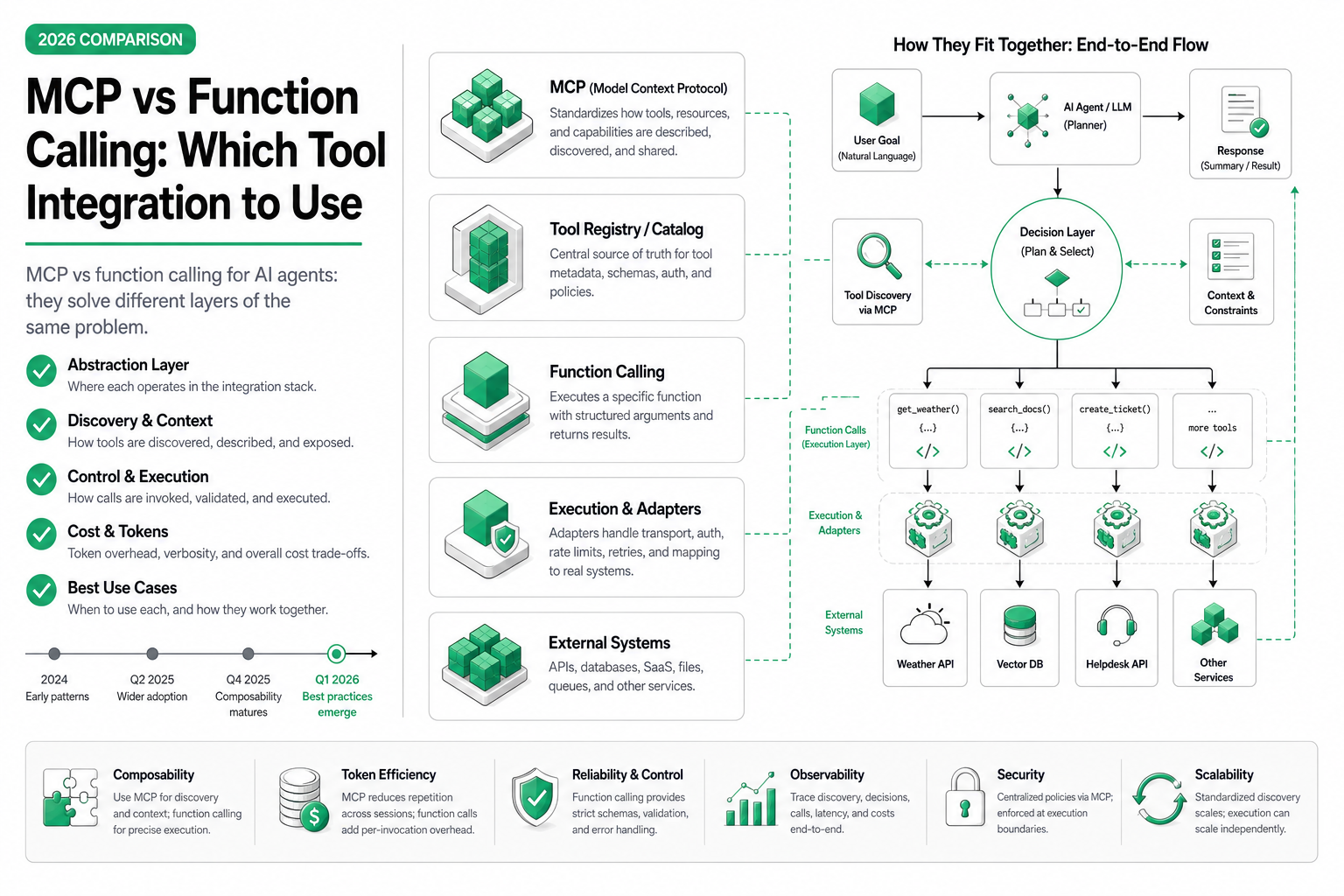
MCP vs function calling for AI agents: they solve different layers of the same problem. When to use each, how they compose, and the token-cost trade-off.