Agent Daily News
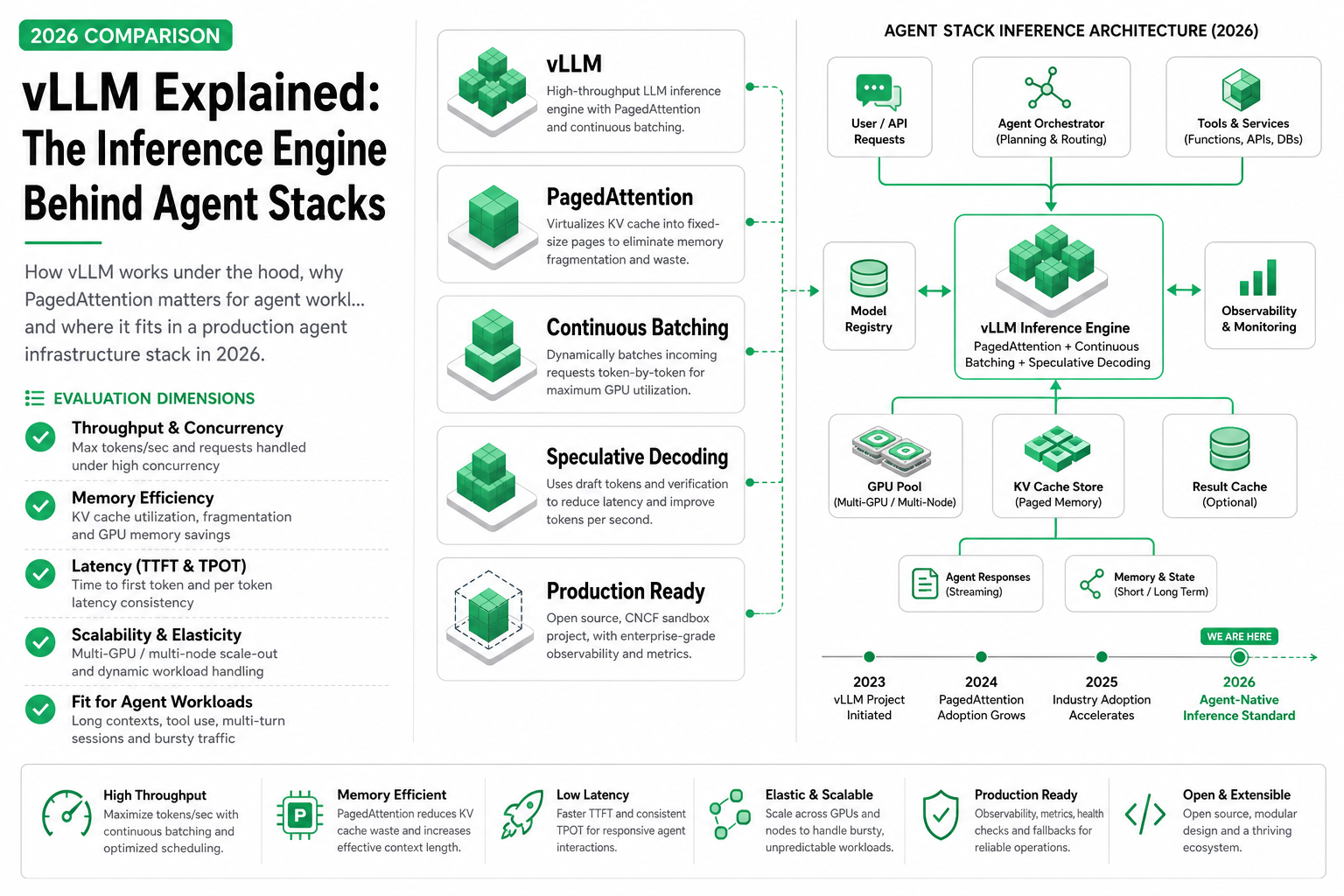
vLLM Explained: The Inference Engine Behind Agent Stacks
How vLLM works under the hood, why PagedAttention matters for agent workloads, and where it fits in a production agent infrastructure stack in 2026.
ReadInsights on AI agents, model routing, and building production-ready AI systems.
How vLLM works under the hood, why PagedAttention matters for agent workloads, and where it fits in a production agent infrastructure stack in 2026.
Read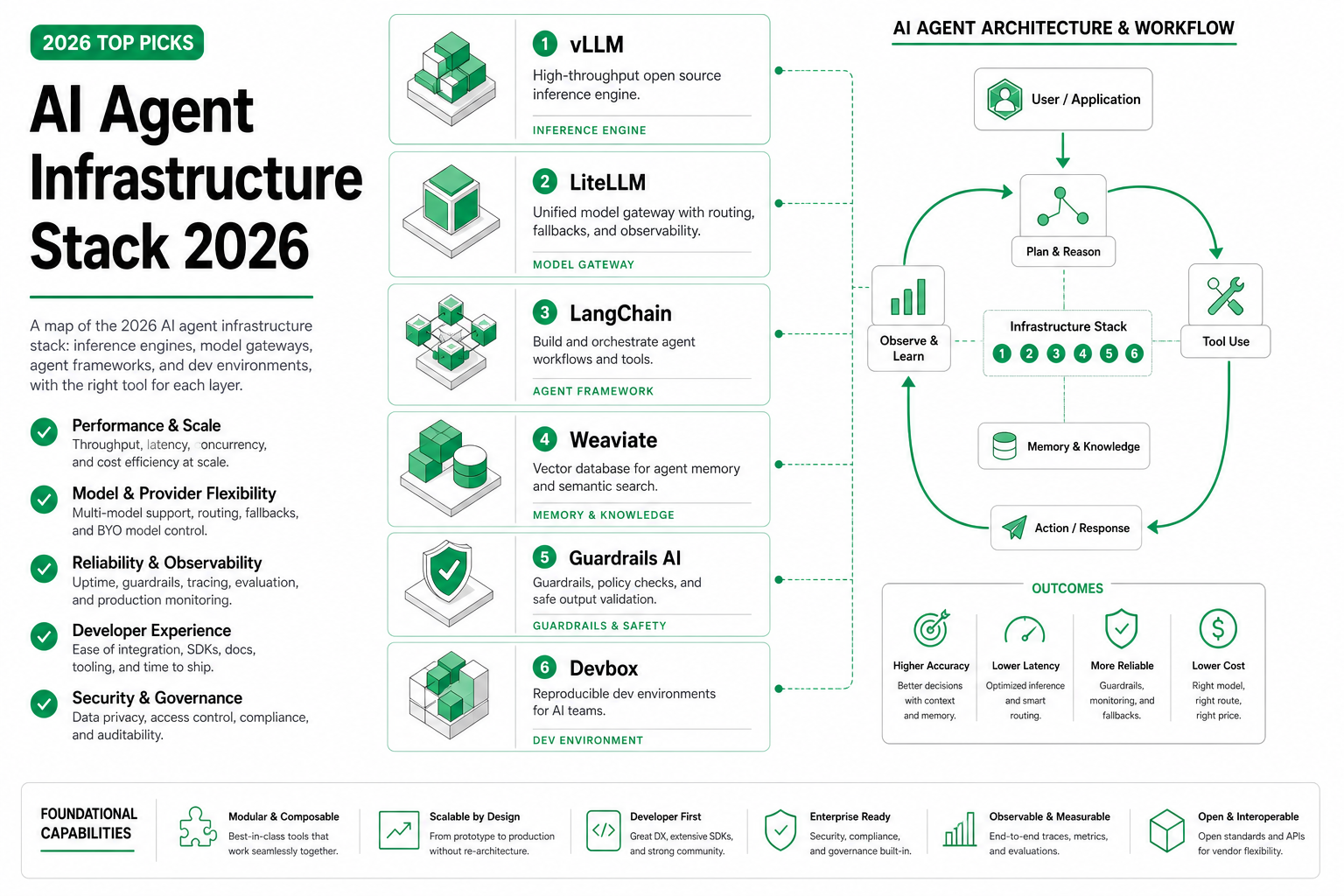
A map of the 2026 AI agent infrastructure stack: inference engines, model gateways, agent frameworks, and dev environments, with the right tool for each layer.
Read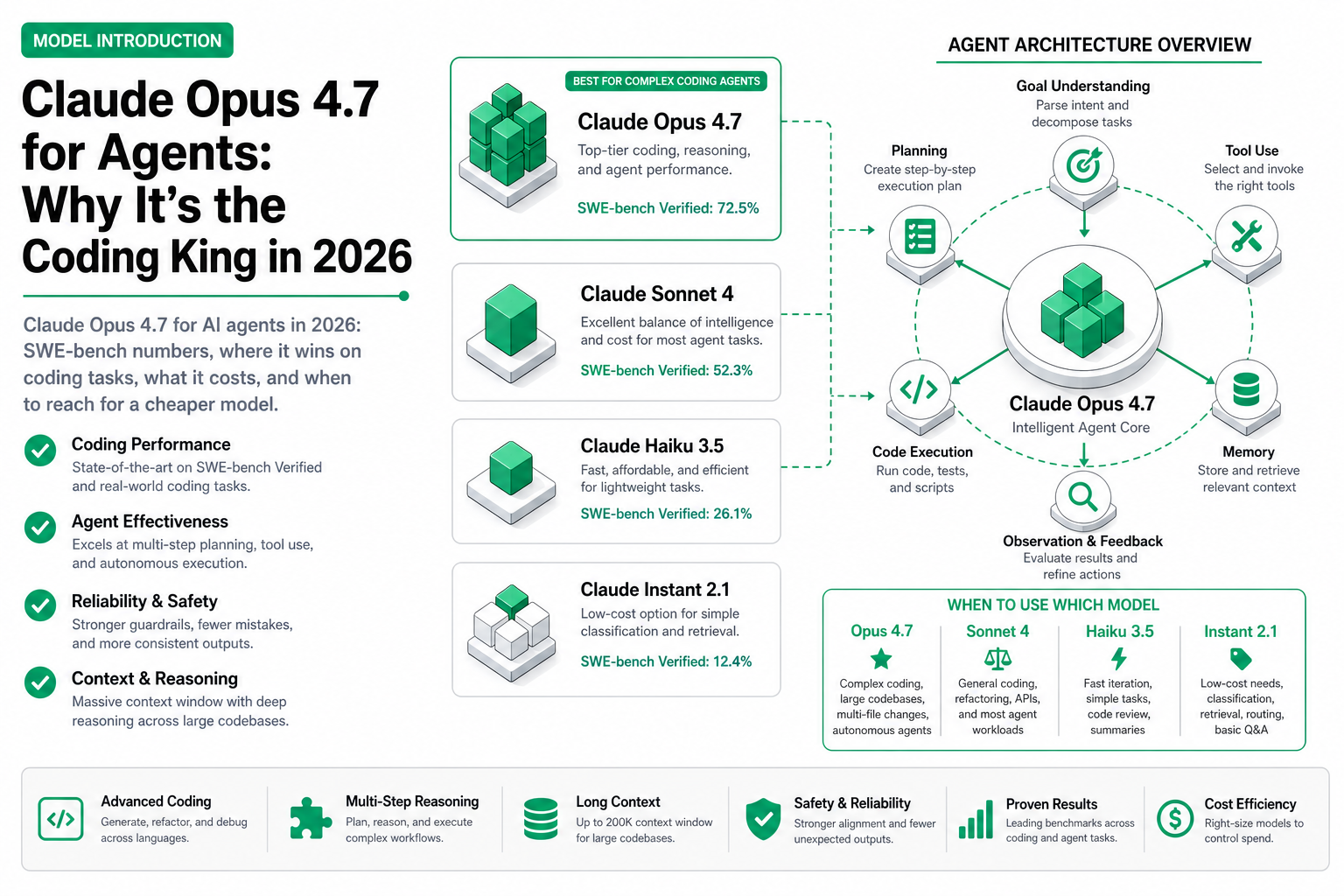
Claude Opus 4.7 for AI agents in 2026: SWE-bench numbers, where it wins on coding tasks, what it costs, and when to reach for a cheaper model.
Read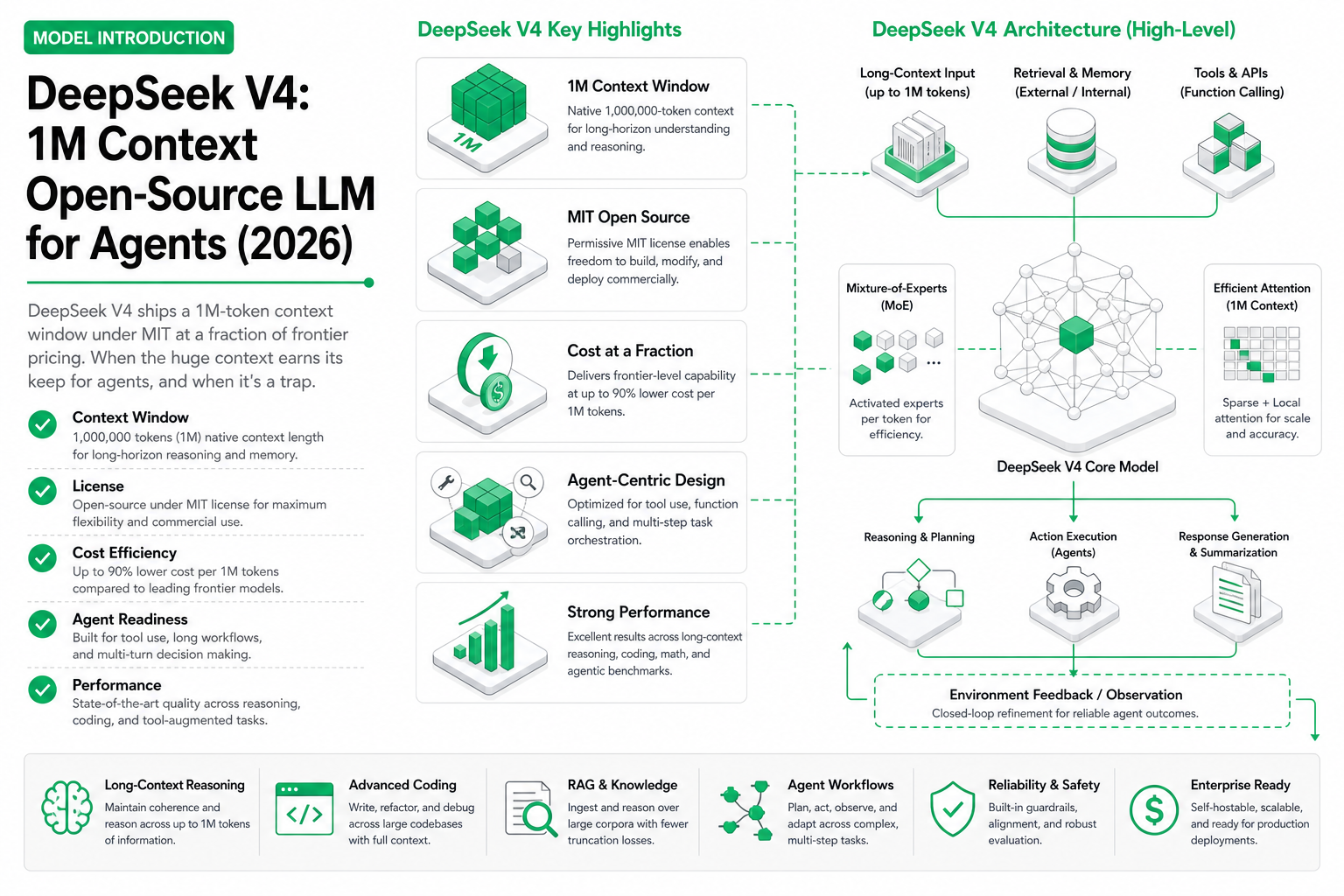
DeepSeek V4 ships a 1M-token context window under MIT at a fraction of frontier pricing. When the huge context earns its keep for agents, and when it's a trap.
Read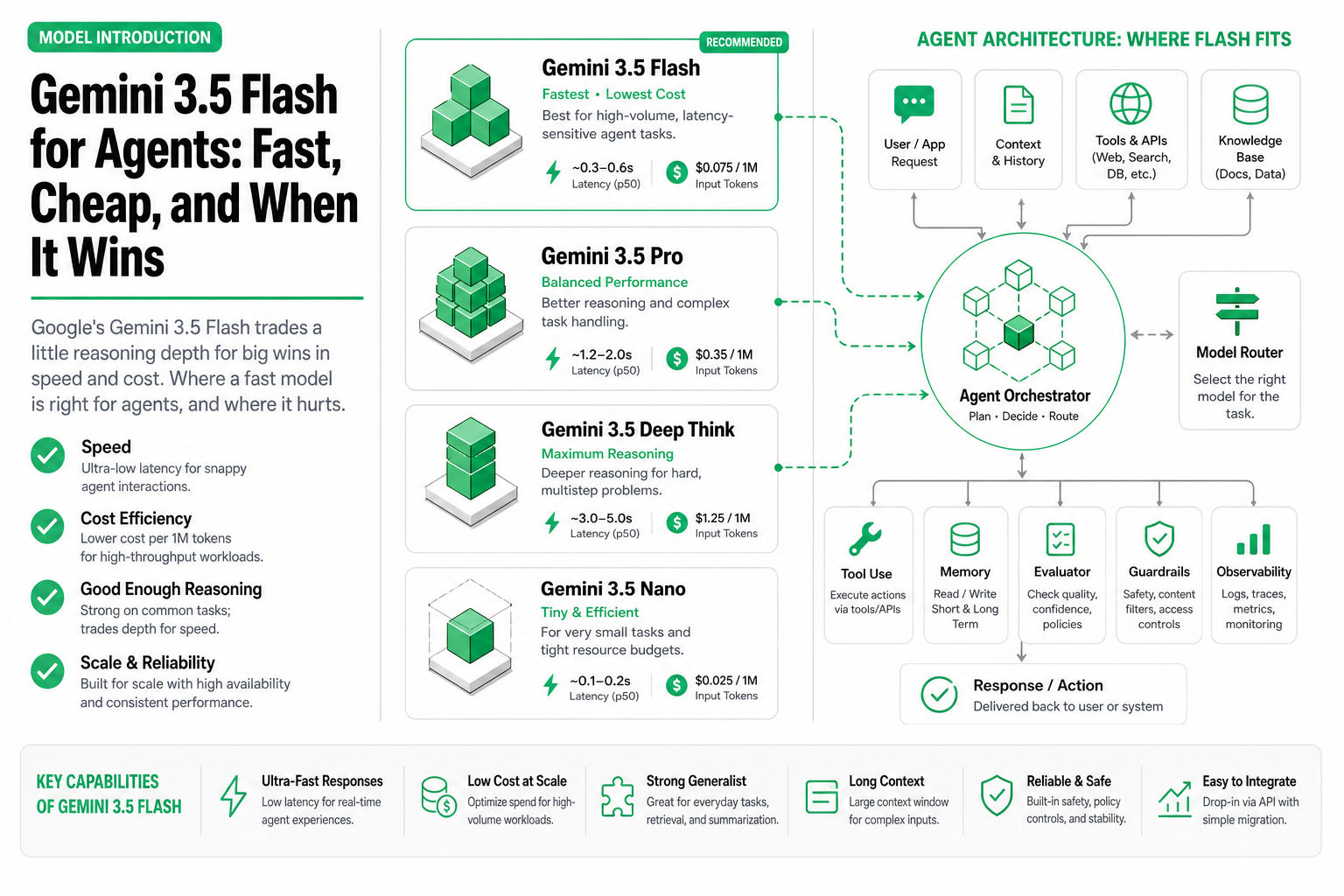
Google's Gemini 3.5 Flash trades a little reasoning depth for big wins in speed and cost. Where a fast model is right for agents, and where it hurts.
Read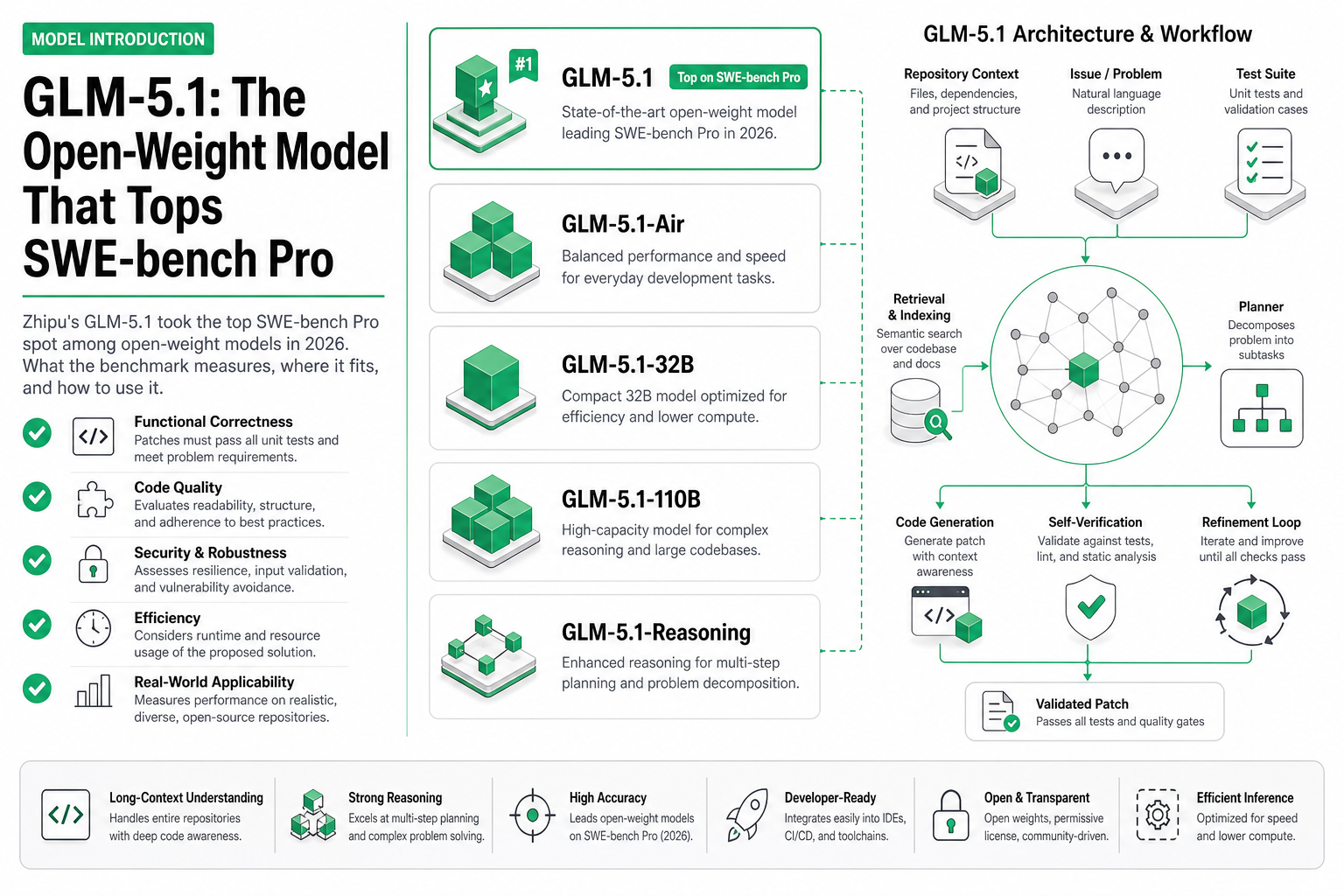
Zhipu's GLM-5.1 took the top SWE-bench Pro spot among open-weight models in 2026. What the benchmark measures, where it fits, and how to use it.
Read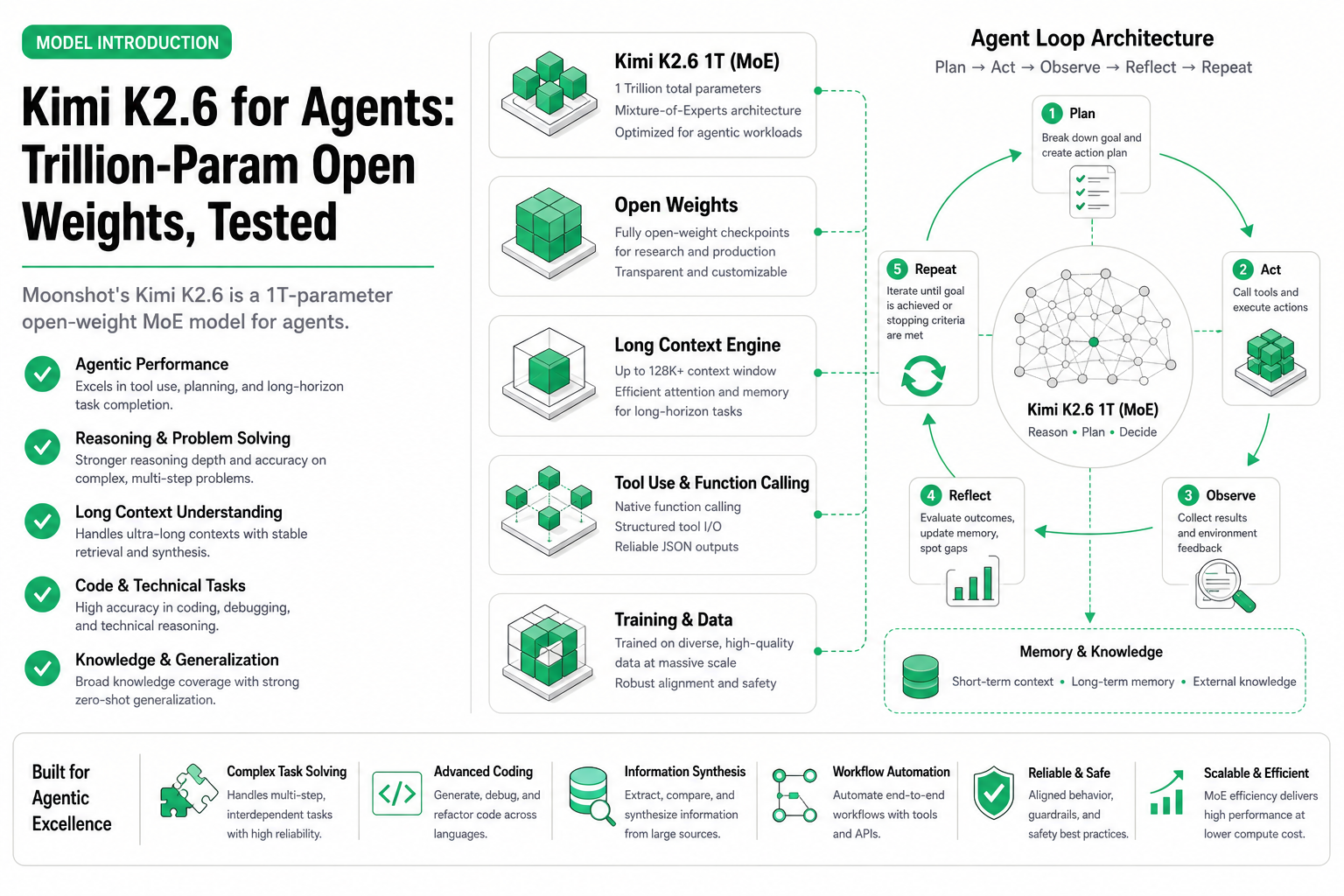
Moonshot's Kimi K2.6 is a 1T-parameter open-weight MoE model for agents. What it's good at, where the params help, and how to wire it into a loop.
Read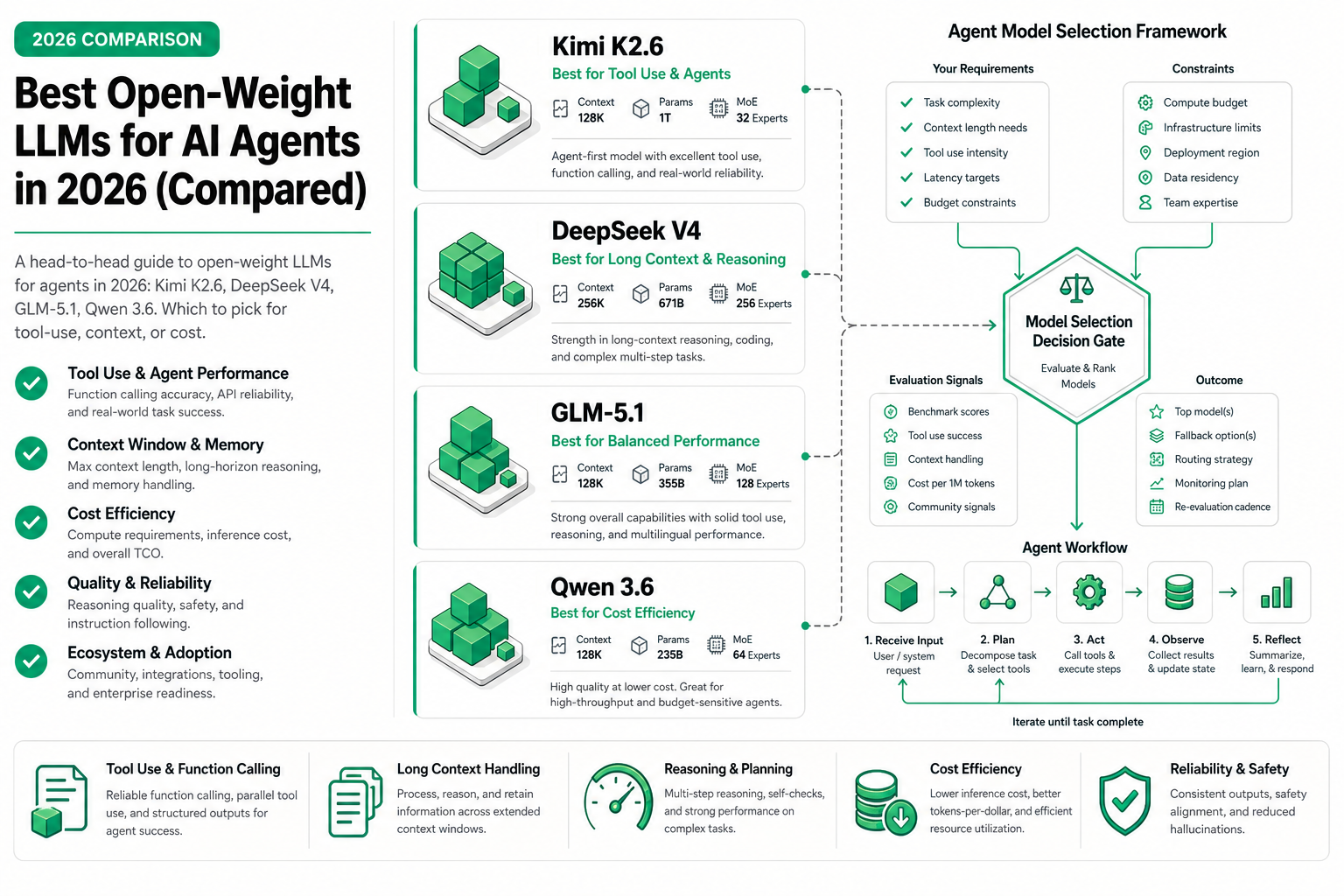
A head-to-head guide to open-weight LLMs for agents in 2026: Kimi K2.6, DeepSeek V4, GLM-5.1, Qwen 3.6. Which to pick for tool-use, context, or cost.
Read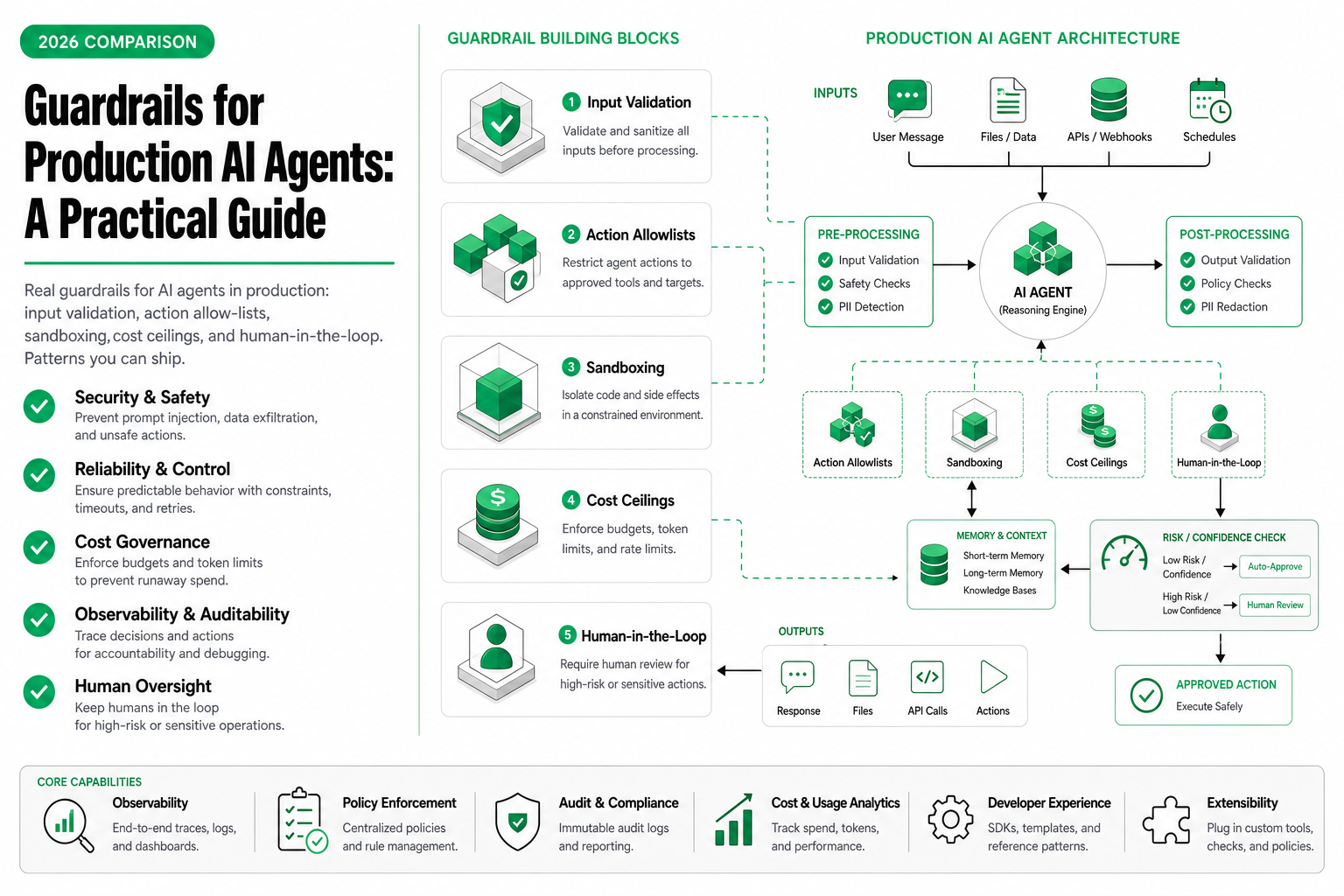
Real guardrails for AI agents in production: input validation, action allow-lists, sandboxing, cost ceilings, and human-in-the-loop. Patterns you can ship.
Read