Model Comparison
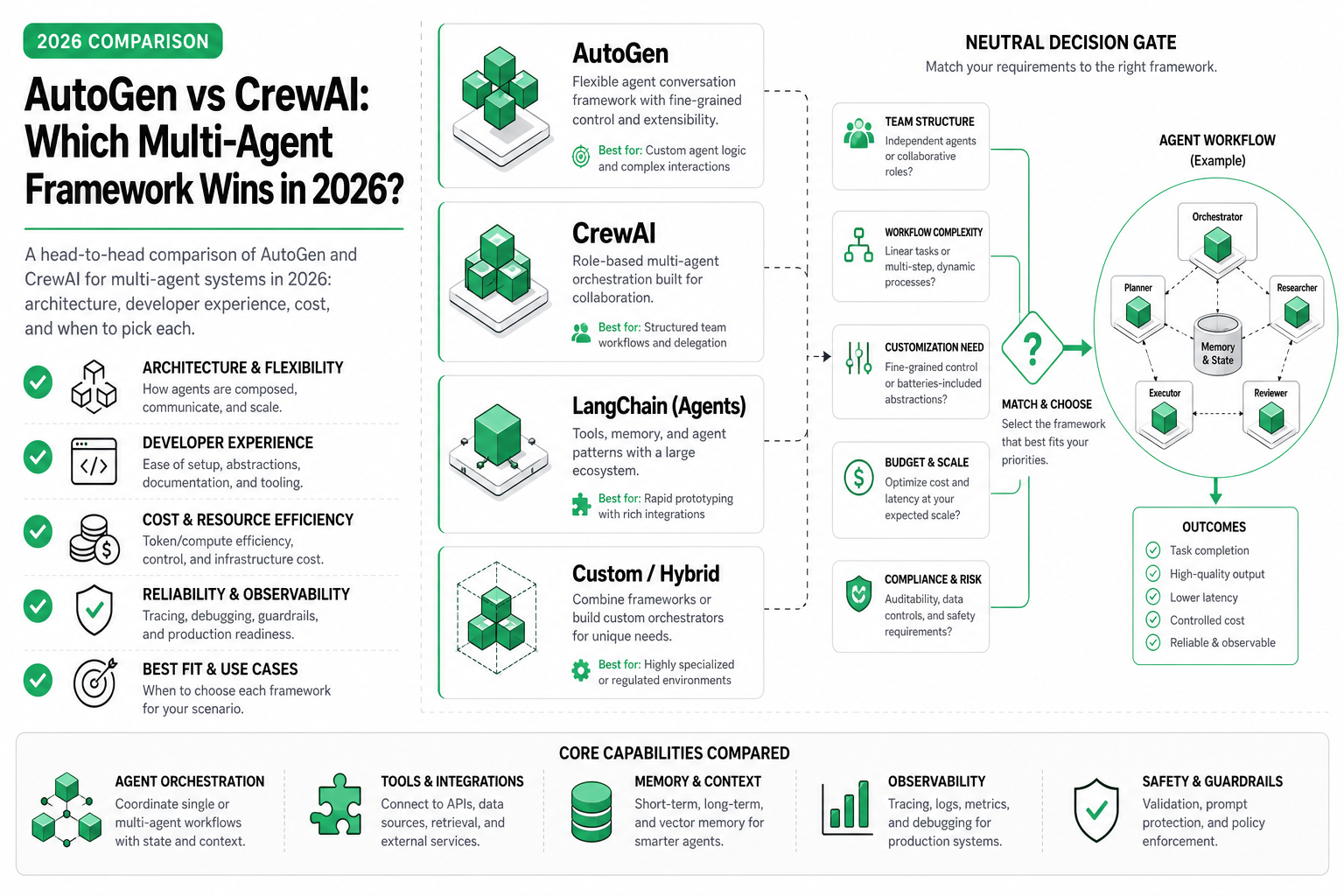
AutoGen vs CrewAI: Multi-Agent Showdown (2026)
AutoGen vs CrewAI tested on real multi-agent tasks. AutoGen wins on flexibility; CrewAI wins on speed-to-ship. Full architecture and cost comparison inside.
ReadInsights on AI agents, model routing, and building production-ready AI systems.
AutoGen vs CrewAI tested on real multi-agent tasks. AutoGen wins on flexibility; CrewAI wins on speed-to-ship. Full architecture and cost comparison inside.
Read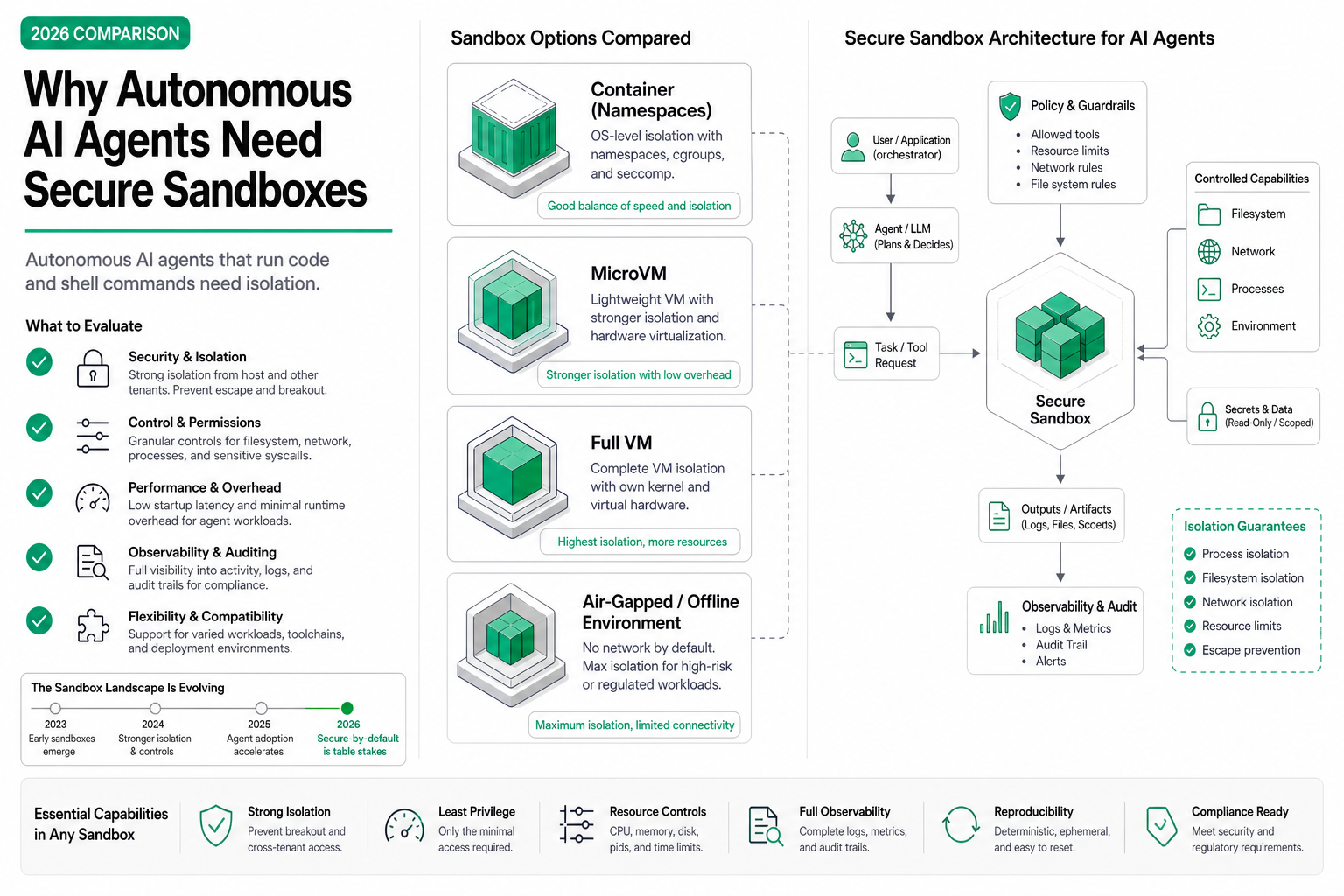
Autonomous AI agents that run code and shell commands need isolation. Why sandboxes are non-negotiable in production, the isolation levels, and how to choose.
Read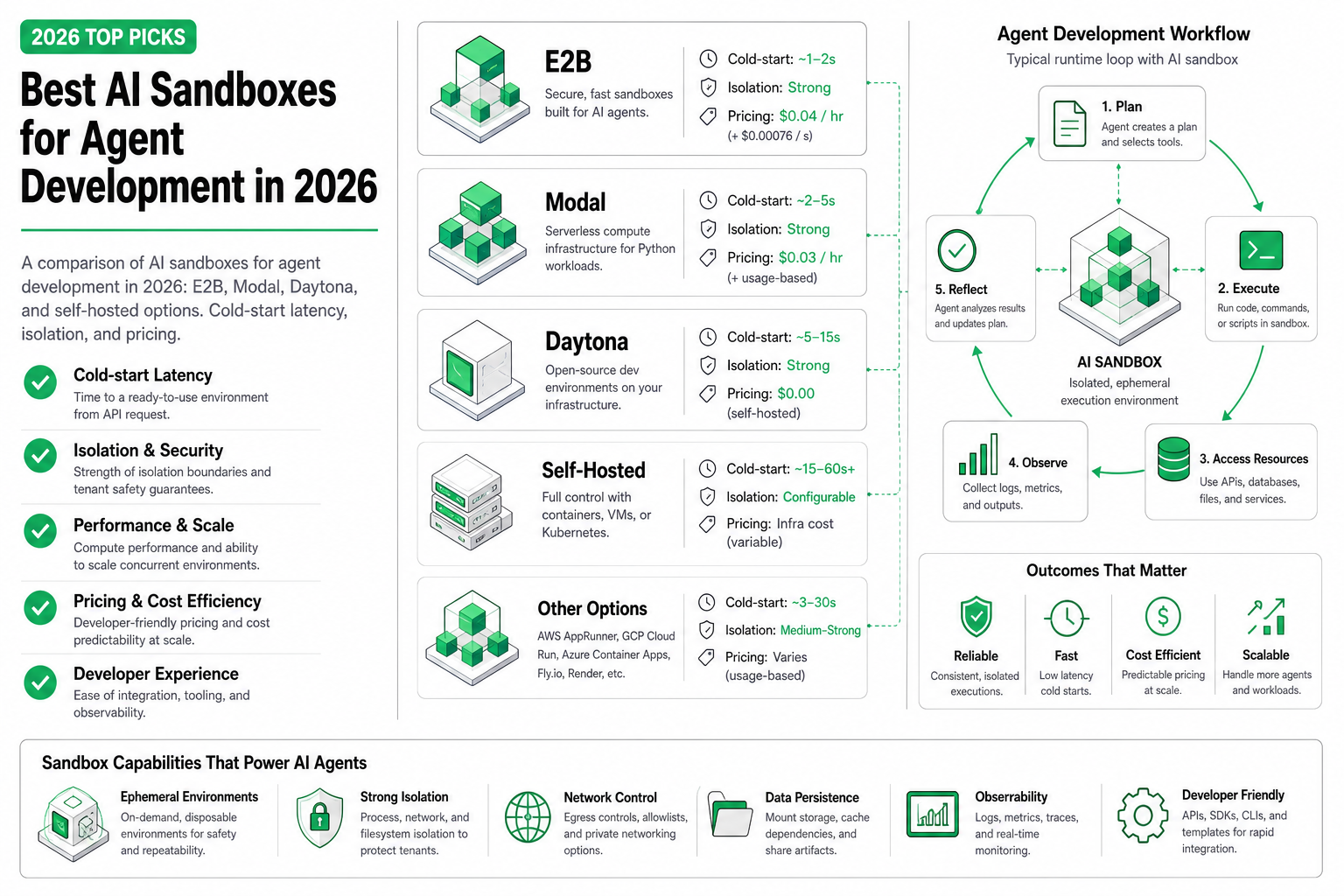
A comparison of AI sandboxes for agent development in 2026: E2B, Modal, Daytona, and self-hosted options. Cold-start latency, isolation, and pricing.
Read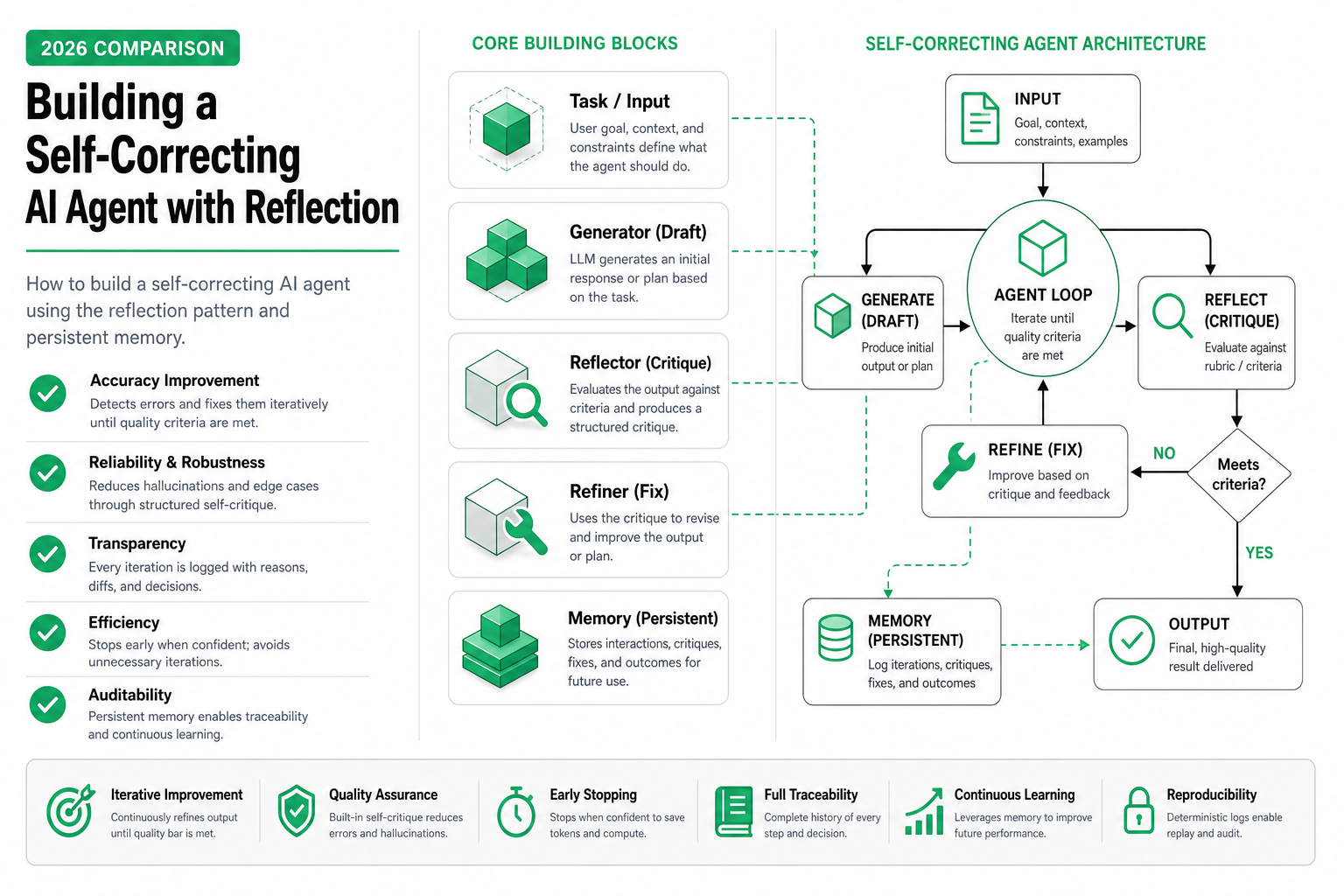
How to build a self-correcting AI agent using the reflection pattern and persistent memory. A runnable Python loop that critiques and fixes its own output.
Read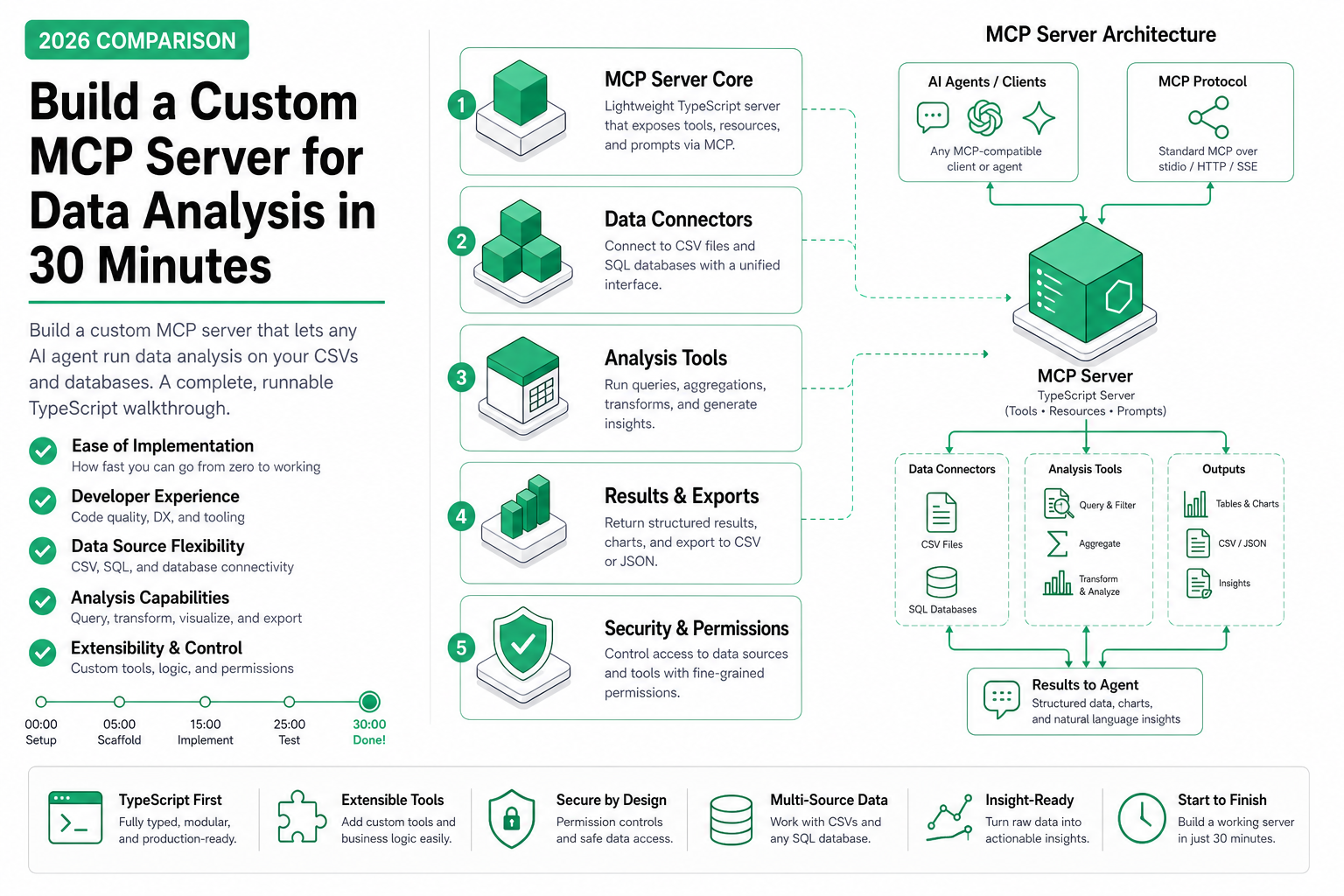
Build a custom MCP server that lets any AI agent run data analysis on your CSVs and databases. A complete, runnable TypeScript walkthrough.
Read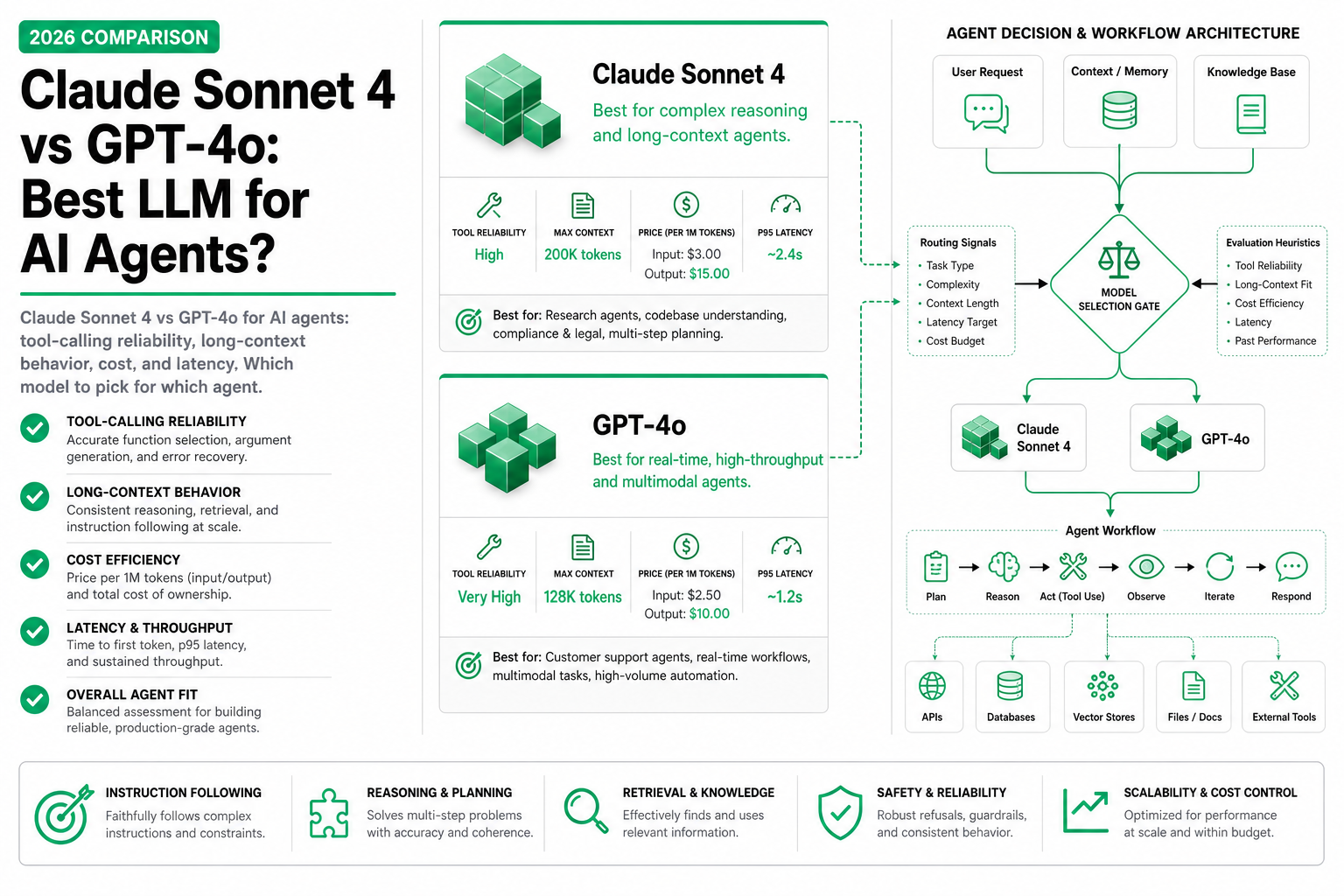
Claude Sonnet 4 vs GPT-4o for AI agents: tool-calling reliability, long-context behavior, cost, and latency. Which model to pick for which agent.
Read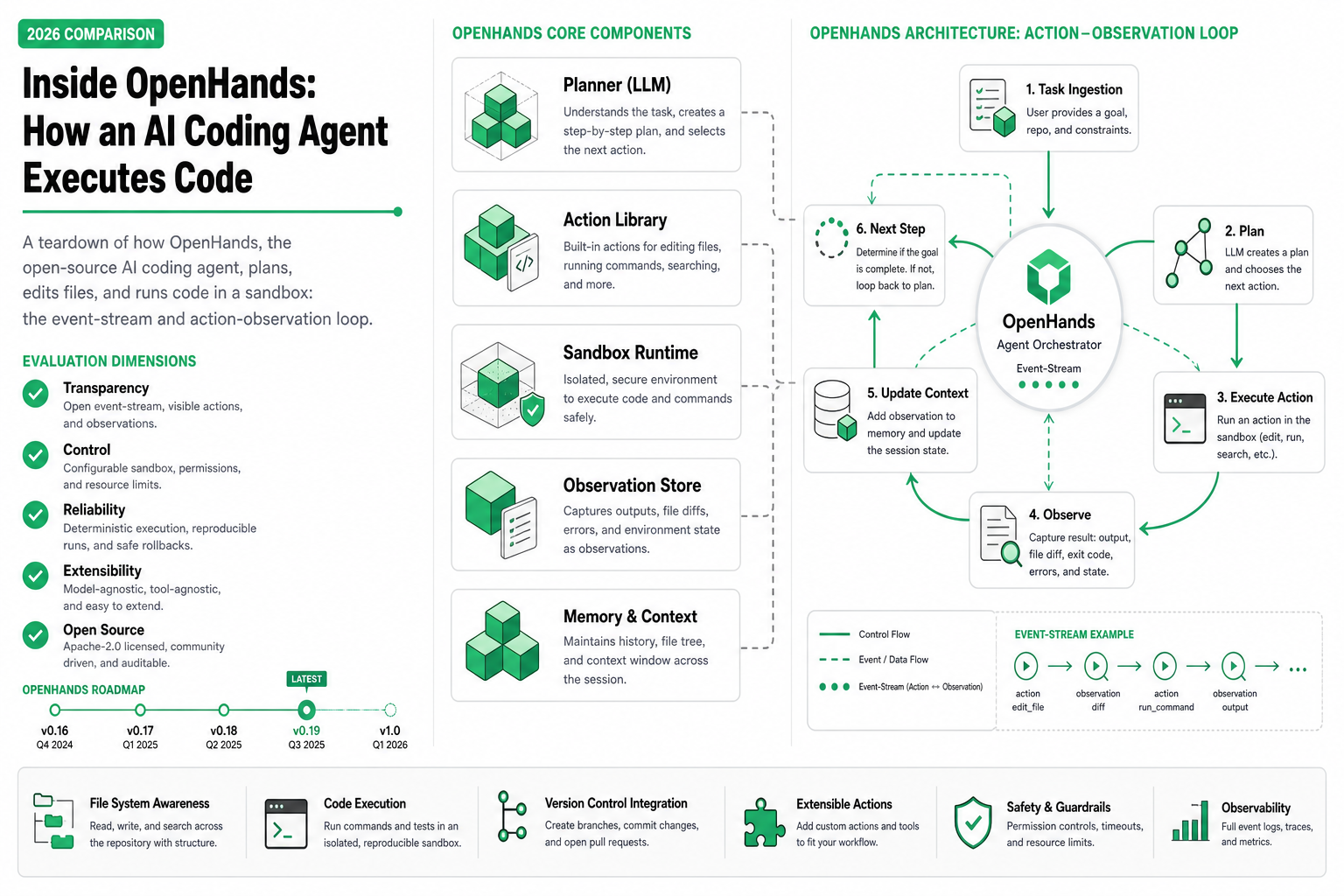
A teardown of how OpenHands, the open-source AI coding agent, plans, edits files, and runs code in a sandbox: the event-stream and action-observation loop.
Read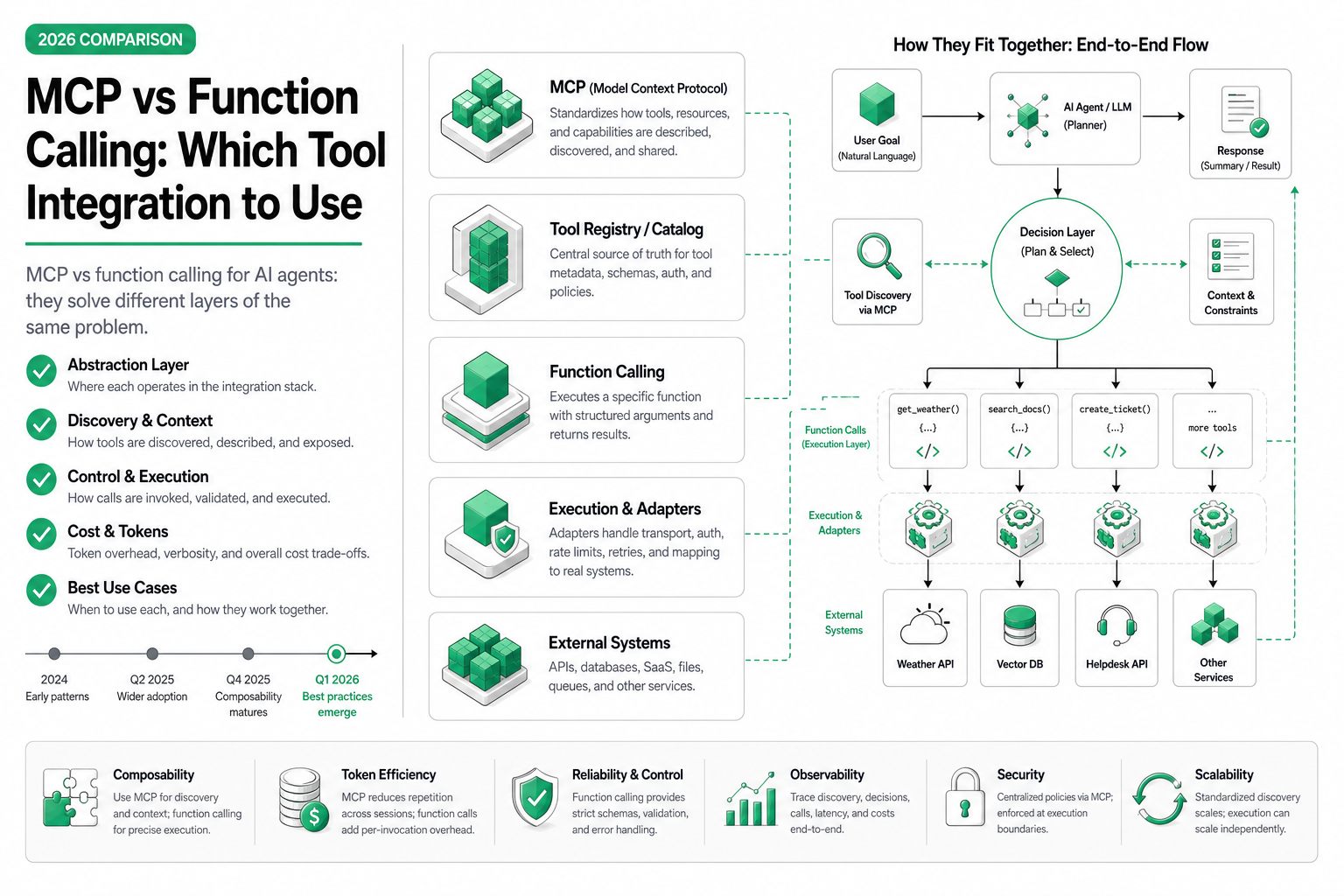
MCP vs function calling for AI agents: they solve different layers of the same problem. When to use each, how they compose, and the token-cost trade-off.
Read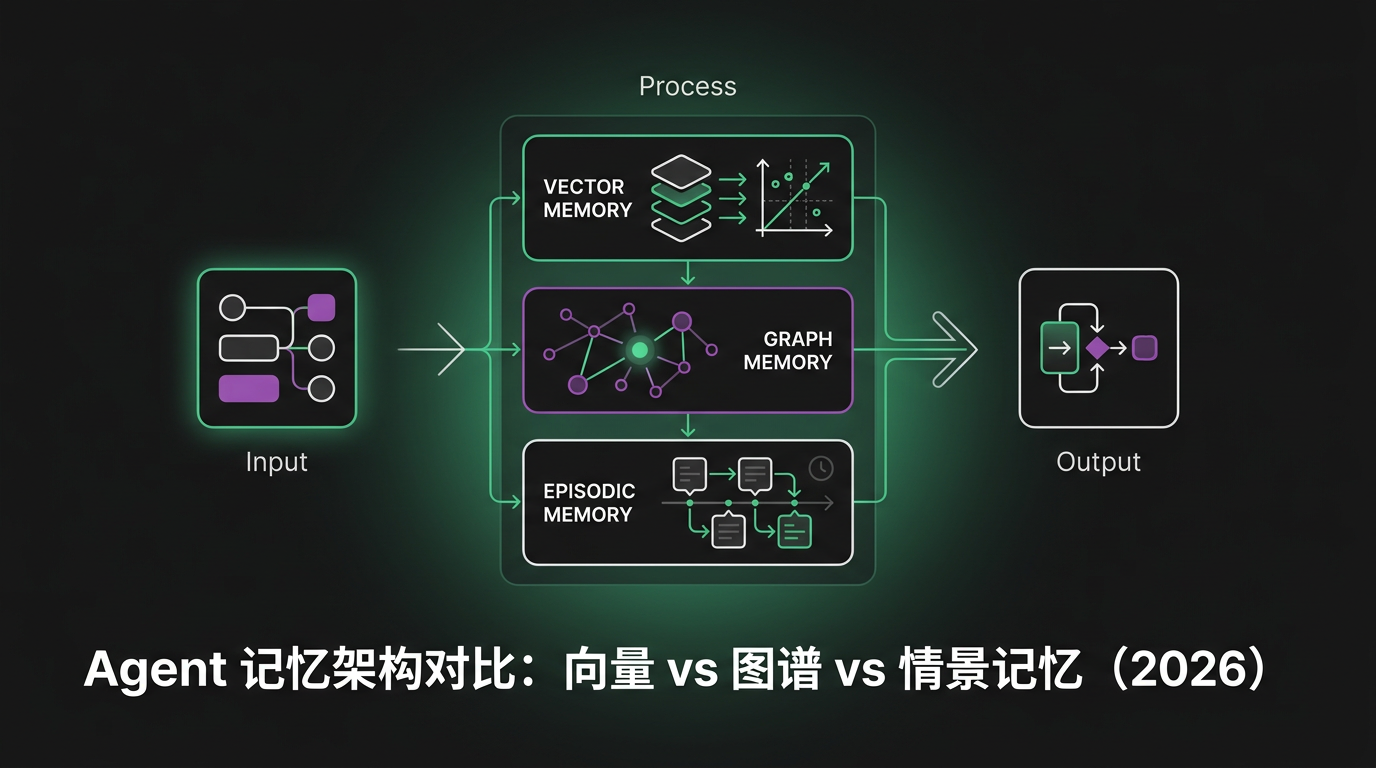
Compare the three agent memory architectures in 2026 — vector recall, knowledge graphs, and episodic buffers — with real latency numbers, failure modes, and a decision guide.
Read